Whether a Bichon Frise Needs a Probiotic
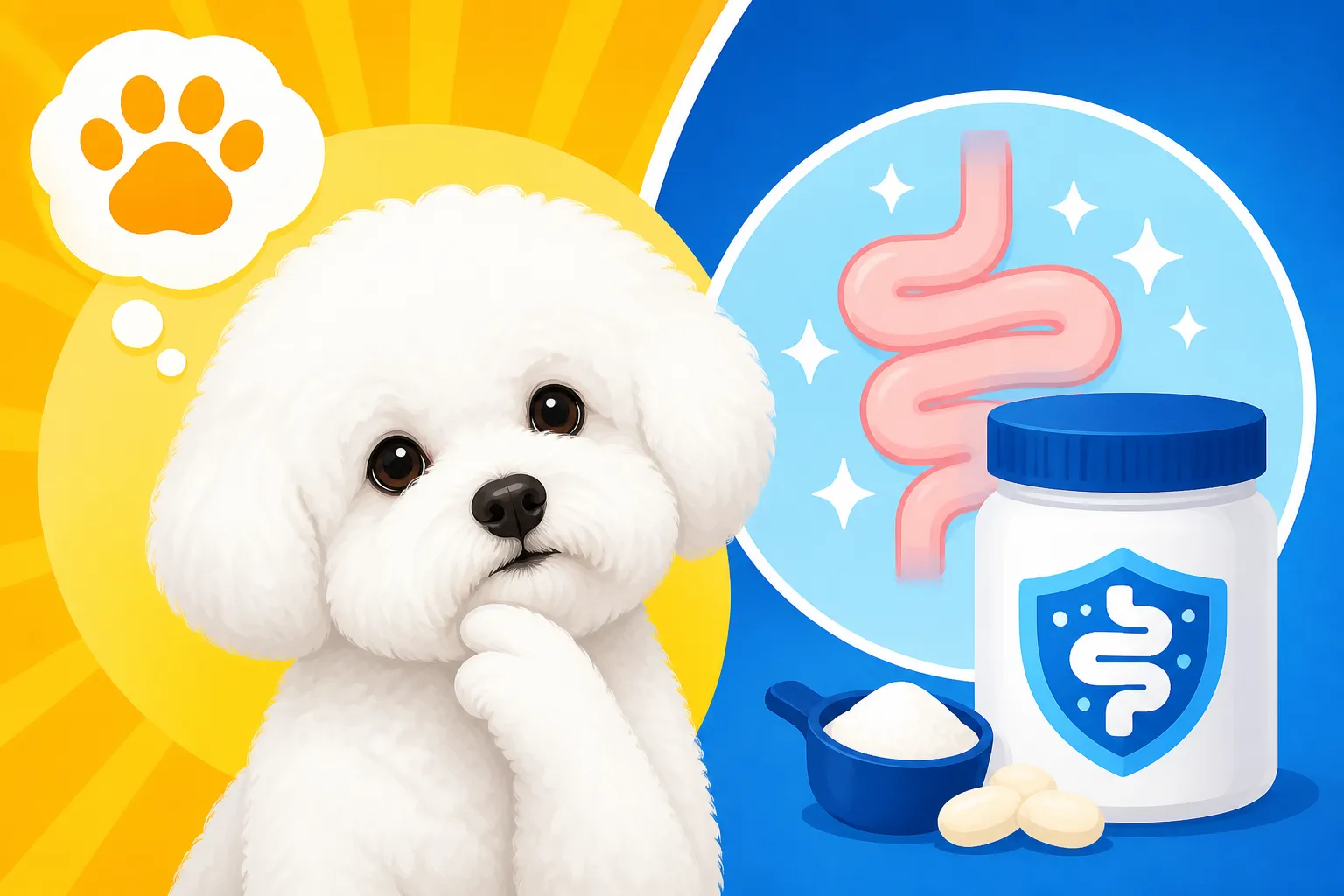
It can be incredibly frustrating to see your sweet Bichon Frise struggling with a sensitive stomach, whether it's the occasional soft stool, unpredictable gas, or just a general fussiness around food that makes you worry about their internal comfort. This guide will dive deep into whether a probiotic might be the missing piece in your Bichon's wellness puzzle, exploring what they are, when they can help, and how to choose the right one for your fluffy companion.
Understanding Your Bichon Frise's Delicate Digestive System
Bichon Frises, with their charming personalities and cloud-like coats, often come with a predisposition to certain health quirks, and digestive sensitivity can definitely be one of them. Their small size and sometimes finicky appetites mean that any upset in their gut can feel magnified, impacting their overall health and happiness. You might notice changes in stool consistency, an increase in flatulence, or even a sudden refusal of their regular meal, leaving you scrambling to figure out the cause. It’s not just about what goes in, but how well their body processes it.
The Microbiome and Your Bichon's Health
Think of your Bichon's gut as a bustling city, full of trillions of tiny residents – bacteria, fungi, and other microorganisms – all working together. This community is called the microbiome, and its balance is absolutely crucial for everything from digestion and nutrient absorption to immune function and even mood. When this delicate balance is thrown off, whether by stress, diet changes, or medication, the whole system can go haywire.
For a Bichon, a healthy microbiome means regular, well-formed stools, a shiny coat, and plenty of energy. When the "bad" bacteria start to outnumber the "good" ones, you can see all sorts of symptoms cropping up. It's not always obvious, and sometimes it's just a subtle shift in their usual routine that signals something isn't quite right internally. Keeping that internal ecosystem thriving is a big part of preventative care.
Common Digestive Woes in Bichons
Our lovely Bichons can be prone to a few common digestive complaints that might make you wonder if a probiotic could help. One frequent issue is a sensitive stomach, where certain foods or even a sudden change in their kibble can lead to loose stools or vomiting. It's not uncommon for them to have mild, intermittent bouts of diarrhea without a clear cause, which can be worrying for any owner. You might also notice excessive gas, which, let's be honest, can be quite potent from a little dog!
Beyond that, some Bichons might simply not absorb nutrients as effectively as they should, leading to a dull coat or lower energy levels, even if they're eating a high-quality diet. These aren't usually life-threatening emergencies, but they certainly diminish your dog's quality of life and add a layer of stress for you as their caregiver. It's about finding that sweet spot where their digestive system is humming along happily. Whether a Bichon Frise Is a Fussy Eater is a common frustration, and sometimes digestive upset can contribute to pickiness.
When a Probiotic Might Be a Good Idea for Your Bichon Frise
So, when does introducing a probiotic actually make sense for your Bichon? It's not a universal solution for every digestive hiccup, but there are definitely key scenarios where these beneficial bacteria can offer significant support. Understanding these situations can help you decide if it's time to talk to your vet about adding a supplement to your dog's routine.
After Antibiotics or Illness
This is perhaps the most well-known and scientifically supported use for probiotics in dogs. Antibiotics, while vital for fighting off bacterial infections, are like a bulldozer in the gut. They don't discriminate between the "bad" bacteria causing the problem and the "good" bacteria essential for healthy digestion. This indiscriminate killing can leave your Bichon's gut microbiome severely depleted, leading to post-antibiotic diarrhea or a general upset stomach.
Introducing a probiotic during or after an antibiotic course can help replenish those good bacteria, restoring balance and potentially preventing or mitigating the digestive side effects. Similarly, if your Bichon has recently recovered from a bout of gastroenteritis, a stomach bug, or any illness that caused vomiting or diarrhea, their gut flora might be out of whack. A probiotic can act as a gentle way to help their system get back on track and rebuild its defenses. It's about giving their body the tools it needs to recover and thrive.
During Stressful Periods or Dietary Changes
Just like humans, dogs can experience digestive upset when under stress. Moving to a new home, a trip to the boarding kennel, a visit to the vet, or even changes in the household routine can trigger anxiety, which often manifests as diarrhea or an upset stomach in sensitive breeds like Bichons. The gut-brain axis is a real thing, and stress hormones can directly impact gut motility and bacterial balance. Whether a Bichon Frise Cries When You Leave can be a sign of separation anxiety, which can also trigger digestive upset.
Likewise, switching dog foods, even if it's done gradually, can sometimes cause temporary digestive upset as your Bichon's system adjusts to new ingredients and nutrient profiles. This is particularly true if you're transitioning from a highly processed kibble to a fresh food diet, or vice versa. In these situations, a probiotic can act as a buffer, helping to stabilize their digestive system and ease the transition. It's like giving their gut a little extra support to cope with change.
Persistent Mild Digestive Upset
If your Bichon Frise consistently experiences mild digestive issues that aren't severe enough to warrant immediate emergency veterinary care but are definitely bothersome, a probiotic might be worth exploring. This could include issues like:
- Chronic soft stools: Stools that are never quite firm, even on a consistent diet.
- Excessive gas: More frequent or foul-smelling gas than what seems normal for your dog.
- Intermittent vomiting: Occasional vomiting of bile or undigested food without other signs of illness.
- Fussy eating related to discomfort: A reluctance to eat, or eating only small amounts, because they just don't feel quite right.
Before starting a probiotic for persistent issues, it's crucial to rule out more serious underlying conditions with your veterinarian. However, once a clean bill of health is established, a probiotic could help re-establish a healthy gut environment that improves these chronic, low-grade symptoms. It might not be the complete answer, but it can be a valuable part of a broader management plan to soothe their sensitive system. For specific dietary considerations, you might want to consider Whether a Bichon Frise Should Be Fed Wet Food Only or Whether Wet Food Suits a Bichon Frise Better, as these can also impact digestive comfort.
Choosing and Administering Probiotics for Your Bichon Frise
Once you've decided a probiotic might be a good fit for your Bichon Frise, the next step is navigating the myriad of options available. It's not as simple as grabbing the first bottle you see; there are specific factors to consider to ensure you're choosing a safe and effective product.
What to Look for in a Probiotic Supplement
Not all probiotics are created equal, especially when it comes to our canine companions. Here's what you should keep in mind:
- Dog-Specific Strains: The bacterial strains that benefit humans aren't always the same ones that benefit dogs. Look for products that contain strains naturally found in a healthy canine gut, such as Lactobacillus acidophilus, Bifidobacterium animalis, Enterococcus faecium, and Lactobacillus plantarum.
- Colony Forming Units (CFUs): This number indicates the potency of the probiotic – how many live, active organisms are in each dose. Generally, a higher CFU count (in the billions) is more effective, but always follow the manufacturer's recommendations for dosing based on your dog's weight.
- Prebiotics Included: Some probiotics are "synbiotics," meaning they also contain prebiotics. Prebiotics are non-digestible fibers that act as food for the probiotic bacteria, helping them to thrive and multiply in the gut. FOS (fructooligosaccharides) and inulin are common prebiotics found in dog supplements.
- Formulation: Probiotics come in various forms: powders, chews, capsules, or even incorporated into some dog foods. Powders can be easily sprinkled over meals, while chews are often palatable and can be given as a treat. Capsules might need to be opened and mixed with food if your Bichon won't swallow them whole. Consider what will be easiest and most consistent for your particular Bichon.
- Reputable Brands: Stick to well-established brands that conduct third-party testing to ensure product quality, purity, and the accuracy of their CFU count claims. You can often find a wide array of probiotic supplements, both powders and chews, on platforms like Amazon, but always double-check the ingredients and manufacturer's reputation. When you're ready to explore options, reputable online retailers like Chewy offer a vast selection, making it easy to compare different brands and read reviews.
How to Give Probiotics to a Fussy Bichon Frise
We all know Bichons can be a little particular, especially when it comes to anything new in their food bowl. If your Bichon is typically a Whether a Bichon Frise Is a Fussy Eater, getting them to take a probiotic might require a little creativity.
- Start Small: When introducing a new supplement, begin with a smaller dose than recommended and gradually increase to the full dose over several days. This allows your Bichon's system to adjust and helps prevent any initial digestive upset.
- Mix with Something Yummy: If using a powder or capsule (opened), mix it thoroughly with a small amount of something irresistibly tasty. This could be plain yogurt (check for xylitol, which is toxic to dogs), a spoonful of wet food, peanut butter (again, no xylitol!), or even some low-sodium chicken broth.
- Sneaky Treats: If your Bichon loves treats, a palatable chewable probiotic can be a lifesaver. Look for ones that are flavored and easy to mistake for a regular goodie.
- Routine is Key: Administer the probiotic at the same time each day, preferably with a meal, to build it into your Bichon's routine. Consistency is crucial for the probiotics to establish themselves and have a lasting effect.
Remember, the goal is to make it a positive experience, not a battle. If your Bichon absolutely refuses one form, try another.
Integrating Probiotics with Diet and Lifestyle
Probiotics are just one piece of the puzzle for optimal gut health. They work best when integrated into a holistic approach that includes a high-quality diet and a healthy lifestyle.
- Quality Diet: Ensure your Bichon is on a complete and balanced diet appropriate for their age and activity level. For Bichons prone to stones, a prescription diet is critical, and you'll need to discuss any supplements with your vet to ensure they don't interfere. The Diet a Bichon Frise Stays On for Life often involves very specific formulations. Many owners find success with subscription services like Ollie, which often includes fresh, digestible ingredients that support gut health, though you might still consider a probiotic supplement as an added boost.
- Fresh Water: Adequate hydration is vital for digestive health. Make sure your Bichon always has access to fresh, clean water.
- Regular Exercise: Moderate exercise helps promote healthy gut motility and reduces stress, both beneficial for digestion.
- Minimize Stress: As much as possible, try to create a calm and predictable environment for your Bichon.
Think of probiotics as a supportive player, not the star of the show. They can enhance an already good diet and lifestyle, but they can't entirely compensate for poor nutrition or chronic stress.
Important Considerations and When to Consult Your Vet
While probiotics can be a wonderful tool for supporting your Bichon's digestive health, it's really important to approach them with realistic expectations and, most importantly, with your veterinarian's guidance. They are not a cure-all, and misusing them or delaying professional medical advice can have serious consequences.
Probiotics Aren't a Magic Bullet
It's tempting to think of a probiotic as a quick fix for any digestive ailment, but that's simply not the case. If your Bichon is experiencing severe vomiting, bloody diarrhea, lethargy, loss of appetite for more than a day, or any other acute and worrying symptoms, a probiotic is not the first line of defense. These symptoms require immediate veterinary attention to diagnose and treat the underlying cause. Giving a probiotic when a more serious condition is at play could mask symptoms or delay crucial treatment.
Furthermore, some digestive issues, like those stemming from food allergies, inflammatory bowel disease, or even conditions like pancreatitis or liver shunt (though less common in Bichons, but possible) won't be resolved by probiotics alone. They might offer some symptomatic relief, but they won't address the root problem. Always remember that they are a supplement, meant to support health, not replace proper medical diagnosis and treatment.
Signs Your Bichon Frise Needs Veterinary Attention
Knowing when to reach for the probiotic and when to pick up the phone to your vet is key. Here are some definitive signs that your Bichon needs professional medical evaluation, not just a probiotic:
- Persistent Vomiting: Vomiting multiple times within a few hours, or over several days.
- Severe Diarrhea: Liquid stools, especially if accompanied by blood (bright red or dark, tarry), or if your Bichon is having accidents frequently and uncontrollably.
- Lethargy and Weakness: A significant drop in energy, unwillingness to move, or appearing weak.
- Loss of Appetite: Refusing to eat or drink for more than 24 hours.
- Pain or Discomfort: Whining, guarding their abdomen, difficulty getting comfortable, or unusual posturing.
- Changes in Urination: Straining to urinate or producing very little urine, which could indicate a blockage. This is especially critical for male Bichons, given their propensity for bladder stones.
Never hesitate to contact your vet if you're concerned. It's always better to be safe than sorry, and early intervention can make a huge difference in the outcome for your beloved Bichon.
Discussing Probiotics with Your Vet
Before adding any new supplement, including a probiotic, to your Bichon Frise's regimen, it is absolutely essential to have a conversation with your veterinarian. They have the full picture of your dog's health history, current medications, and any pre-existing conditions.
Your vet can:
- Help you determine if a probiotic is truly necessary or if there's another underlying issue that needs to be addressed.
- Recommend specific strains or brands that they trust and know are effective for canine digestive health.
- Advise on the appropriate dosage for your Bichon's size and specific needs.
- Ensure there are no potential interactions with other medications your Bichon might be taking.
- Monitor your Bichon's response to the probiotic and make adjustments as needed.
Think of your vet as your primary partner in your Bichon's health journey. They are your best resource for personalized advice and can guide you in making informed decisions about supplements like probiotics. A healthy gut is a happy gut, and with the right approach and professional advice, you can help your Bichon Frise enjoy optimal digestive well-being.
Probiotic Supplement Forms for Bichon Frises
When considering a probiotic for your Bichon Frise, you'll find they come in a few different forms, each with its own advantages and disadvantages. Choosing the right one often comes down to your Bichon's preferences and what's easiest for you to administer consistently.
| Probiotic Form | Description | Pros for Bichons | Cons for Bichons |
|---|---|---|---|
| Powder | A fine powder that can be sprinkled over food or mixed with liquids. | Easy to adjust dosage; can be mixed into any meal (wet or dry); often unflavored or mildly flavored, making it easy to hide. | Can sometimes be rejected if visible on food; powder can get messy; requires careful measuring. |
| Chew | A soft, palatable treat-like supplement. | Often flavored and highly accepted as a treat; convenient and easy to give directly; no need to mix with food. | Dosage is fixed per chew, less flexible; may contain other ingredients (fillers, flavors) that a sensitive Bichon might react to; may not be suitable for extremely picky eaters. |
| Capsule | A gelatin or vegetarian capsule containing probiotic bacteria. | Precise dosage; can be given whole or opened and sprinkled; often minimal additional ingredients. | Can be difficult for some Bichons to swallow whole; opening capsules can be messy; may be rejected if mixed with food without a strong masking agent. |
Each form has its merits, but for a potentially fussy Bichon Frise, starting with a flavored chew or a powder that can be discreetly mixed into a favorite wet food or a small dab of peanut butter (xylitol-free, of course!) might be the easiest way to introduce it.
Disclaimer
This article is for general informational purposes only and does not constitute professional advice. Laws, prices and regulations vary by location and change over time. Consult a qualified professional for guidance on your specific situation.