Whether Show Bichon Frises Look Like Pet Ones
Show Bichon Frises and pet Bichons differ in coat length, grooming technique, and head styling because of practical daily maintenance.
Is this the right one for you?
Origins and temperament, size and coat, what living with one is actually like, and how it compares to the breeds people weigh against it.

Show Bichon Frises and pet Bichons differ in coat length, grooming technique, and head styling because of practical daily maintenance.
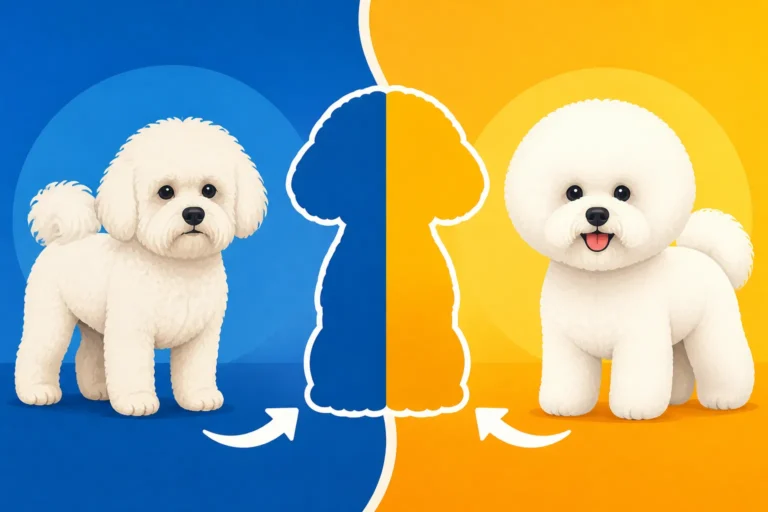
Bichon Frise breed outline history explains how grooming, standards, and art create visual changes in appearance over time.

Bichon Frise show participation with an untrimmed coat and how careful grooming shapes the expected round outline.

French kennel authorities adopted the Bichon Frise breed standard in 1933, long before FCI recognition arrived in 1959.
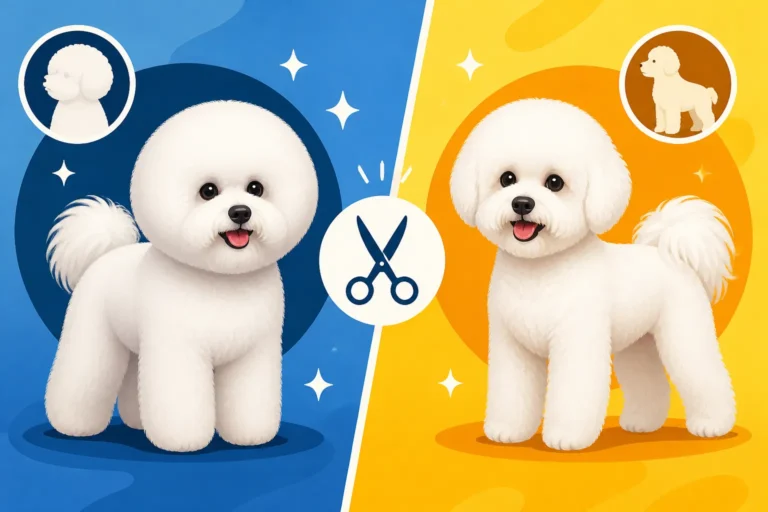
European Bichon Frise grooming styles differ due to show rules, local traditions, and maintenance needs rather than official standards.

European and American Bichon Frise kennel club standards share broad similarities but differ in phrasing, measurements, and show rules.

Bichon a poil frise and Bichon Frise refer to the same dog breed, explaining French spellings and accent variations.

The Bichon Frise name history explains the 1933 French standard adoption, earlier Tenerife dog terms, and curly coat meanings.

The Bichon Frise history explains companion roles aboard ships and why the breed was never a traditional working dog.

Bichon Frise genetic diversity depends on popular ancestors, effective population size, pedigree patterns, and inbreeding coefficients.