Whether an Allergic Person Reacts to a Bichon Frise
It’s a deeply frustrating experience when you love dogs, perhaps even dream of bringing a fluffy companion into your home, but an allergy stands in the way. Many people turn to breeds like the Bichon Frise, hoping their famed "hypoallergenic" coats will solve the problem, only to find themselves still sneezing and itching. This guide is here to shed light on what it truly means to be allergic to a dog, why the Bichon Frise often gets a pass (and why that's not always accurate), and practical steps you can take if you're navigating allergies and dreaming of a Bichon.
The Truth About "Hypoallergenic" Breeds, Including the Bichon Frise
The term "hypoallergenic" is one of the most misunderstood words in the pet world, especially when it comes to dog breeds. For many allergic prospective pet parents, it offers a beacon of hope, leading them to believe that certain breeds are completely free of allergy-inducing properties. Unfortunately, the reality is far more nuanced, and understanding this distinction is crucial for anyone with sensitivities.
What "Hypoallergenic" Really Means and Doesn't Mean
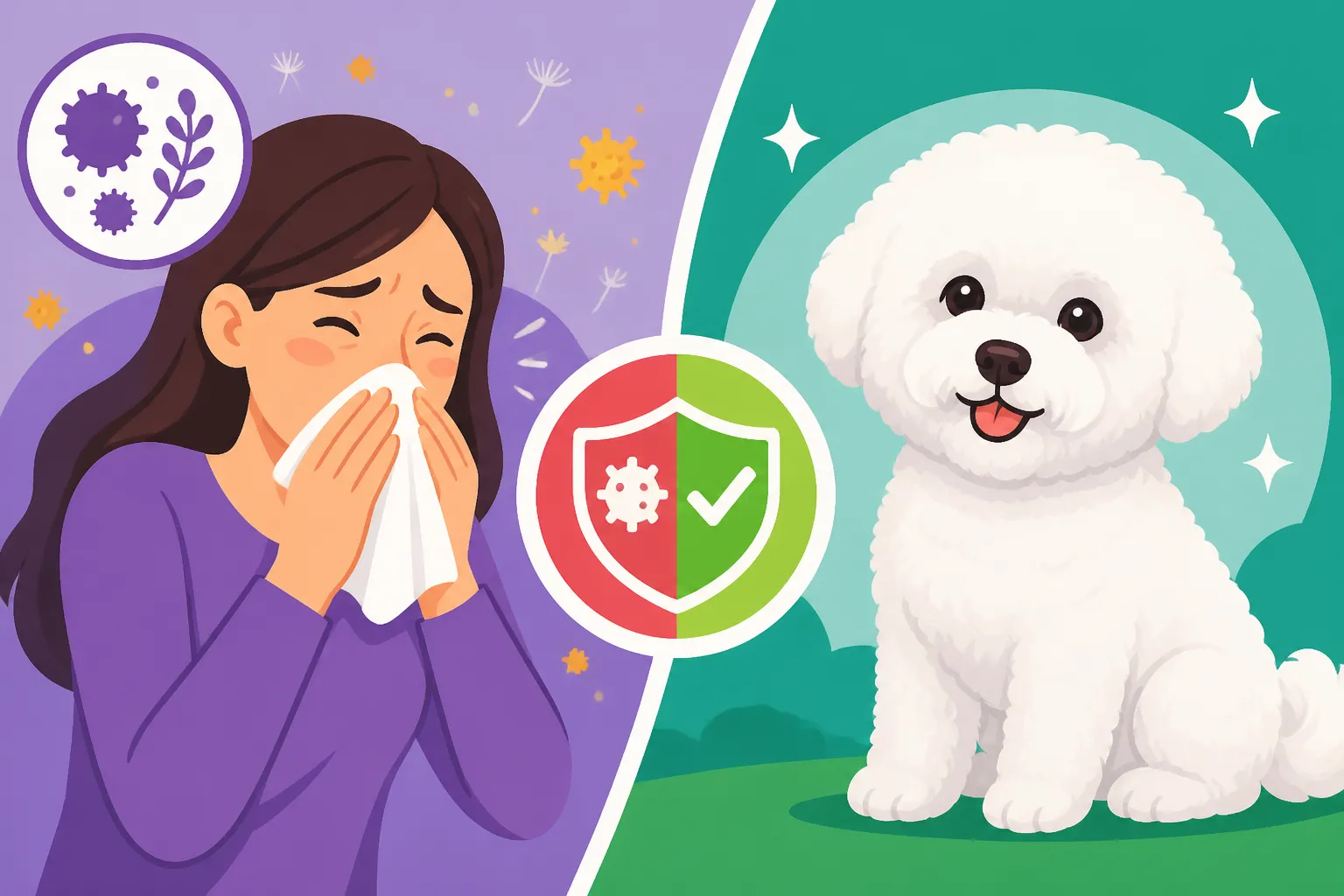
Let's get this straight from the start: there's no such thing as a truly non-allergenic dog. Not a single one. The word "hypoallergenic" simply means less allergenic, not non-allergenic. It implies that a breed is less likely to cause an allergic reaction compared to other breeds, or that their impact on allergies is significantly reduced. This distinction is paramount because it sets realistic expectations. When you hear "hypoallergenic," don't picture a magical, allergy-free animal. Instead, think of a dog that might be easier for some allergic individuals to live with, but certainly not all. The biggest misconception is that it's about the hair, when it's actually about something entirely different. For a deeper dive, check out Whether a Bichon Frise Is Truly Hypoallergenic.
Many breeds that are labeled "hypoallergenic," like the Bichon Frise, Poodles, or Portuguese Water Dogs, share a common trait: they shed very little hair. This is where the misunderstanding often begins. People tend to associate pet allergies with shed hair, believing that if a dog doesn't shed, it won't trigger allergies. While shedding can exacerbate the spread of allergens, it's not the root cause. The real culprits are microscopic proteins found in a dog's dander, saliva, and urine. So, while a Bichon Frise might not leave tufts of hair all over your sofa, they still produce these proteins, and those are what your immune system reacts to.
The Role of Dander, Saliva, and Urine in Allergies
When your body reacts to a dog, it's usually because your immune system has misidentified harmless proteins from the dog as dangerous invaders. These proteins are known as allergens. The primary allergens come from three main sources: dander, saliva, and urine. Dander consists of tiny flakes of dead skin that all animals, including dogs and humans, constantly shed. These microscopic particles are incredibly light and can easily become airborne, circulating in the air and settling on surfaces throughout your home. They are the most common trigger for dog allergies.
Saliva is another major source. When a dog licks itself, which they do constantly for grooming, their saliva dries on their fur, transferring allergenic proteins to the coat. Then, as the dog moves, or as its fur sheds (even minimally), these dried saliva proteins become airborne. If you've ever had a dog give you a happy, slobbery lick, you've been directly exposed to these allergens. Lastly, urine also contains allergenic proteins. While direct contact with urine might be less common, dried urine can also contribute to airborne allergens, especially if a dog has accidents indoors. So, regardless of how much hair a Bichon Frise sheds, it will always produce dander, saliva, and urine, meaning it will always produce allergens. Understanding that Whether Dander Rather Than Hair Is the Trigger is vital.
Why the Bichon Frise Gets Its Reputation
The Bichon Frise has earned its "hypoallergenic" reputation primarily due to its unique coat. Unlike many breeds that have a double coat and shed profusely, the Bichon Frise possesses a soft, curly double coat that grows continuously, much like human hair. Instead of falling out and spreading everywhere, shed hairs tend to get trapped within the curly texture of the coat. This significantly reduces the amount of loose hair and dander that is released into the environment.
This doesn't mean they don't shed at all – all dogs shed dead skin cells – but their grooming needs are designed to manage this. Regular brushing and professional grooming appointments are essential for a Bichon Frise to prevent matting and to remove these trapped hairs and dander. It’s during these grooming sessions that the bulk of the shed hair and dander is typically removed and contained. However, while less airborne dander is certainly a benefit for some allergy sufferers, it's not a complete absence. Even with diligent grooming, some dander will always be present. This is why some allergic people find they can live comfortably with a Bichon Frise, while others still experience reactions, especially if their allergies are severe or if they are sensitive to the proteins in saliva or urine rather than just dander.
Managing Allergies While Living with a Bichon Frise
Living with a dog when you have allergies requires a proactive and consistent approach. Even with a breed often lauded as "hypoallergenic" like the Bichon Frise, vigilance is key. It's not about eradicating all allergens – that's impossible – but about significantly reducing their presence in your environment and minimizing your exposure. This multi-faceted strategy will involve diligent grooming, meticulous home maintenance, and conscious personal habits.
Grooming as Your First Line of Defense
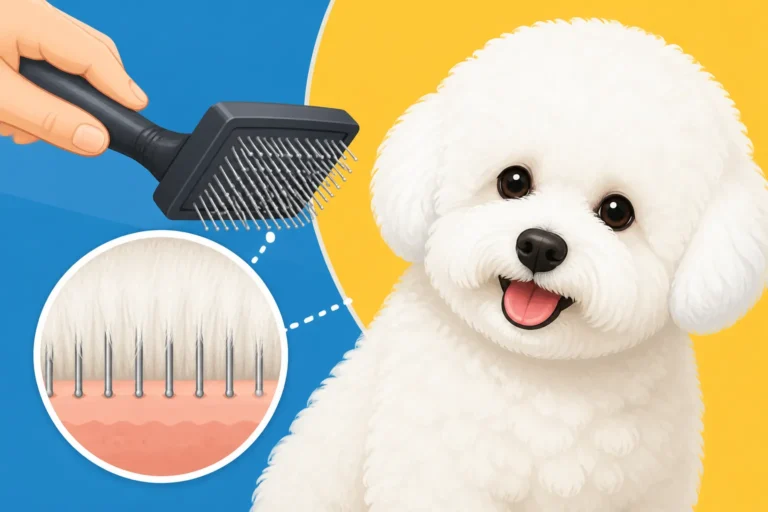
Grooming is arguably the most crucial step in managing allergens with a Bichon Frise. Their fluffy, continuously growing coat is a magnet for dander, dust, and pollen, and without proper care, it can quickly become an allergen reservoir. Regular brushing is non-negotiable. You should aim to brush your Bichon daily, or at least every other day, to remove loose hair, dead skin cells (dander), and any external allergens like pollen that have collected in their coat. This isn't just about preventing mats; it's about physically removing allergens before they can spread throughout your home. Tools like a slicker brush and a metal comb, readily available on Amazon or Chewy, are essential for reaching deep into their dense coat. For more on this, you might find How Long Brushing a Bichon Frise Takes helpful.
Bathing your Bichon Frise frequently, often weekly or bi-weekly, is also highly recommended. This washes away accumulated dander and dried saliva from their coat. Be sure to use a gentle, hypoallergenic dog shampoo to avoid irritating their sensitive skin, which could ironically lead to more dander production. Thorough rinsing is vital to remove all shampoo residue. Some owners even use specialized shampoos designed to reduce dander. After a bath, proper drying is important, as a damp coat can encourage matting and potentially lead to skin issues. While drying, brush through the coat to ensure all trapped hair is released. If your Bichon's skin is particularly reactive, explore Whether Medicated Baths Control a Bichon Frise's Infections with your vet.
Professional grooming every 4-6 weeks plays a significant role too. A professional groomer has the tools and expertise to give your Bichon a thorough wash, blow-dry, and trim, removing a substantial amount of dander and loose hair that might be harder to manage at home. Many allergic owners find that a fresh groom significantly reduces their symptoms for a period.
Environmental Controls in Your Home
Beyond grooming your dog, managing the home environment is equally important. Allergens are insidious; they settle on surfaces, get embedded in fabrics, and float in the air. Your goal is to create a sanctuary where allergen levels are kept as low as possible. Consider designating certain areas of your home as "dog-free zones," especially your bedroom. This creates a space where you can retreat and minimize exposure during sleep.
Invest in high-efficiency particulate air (HEPA) filters. These can be found in standalone air purifiers, which are excellent for rooms where your Bichon spends a lot of time, and in your central HVAC system. Regularly vacuuming your home with a vacuum cleaner equipped with a HEPA filter is also crucial. Focus on carpets, rugs, and upholstery where dander can easily accumulate. Wash all pet bedding, blankets, and your own bed linens frequently in hot water to kill dust mites and remove trapped allergens. You can find a wide range of HEPA air purifiers and vacuums on Amazon. Hardwood or tile floors are generally preferable to carpet for allergic individuals as they don't trap allergens as easily and are simpler to clean. For those looking to manage general cleanliness, tips from Whether a Bichon Frise's Paws Need Rinsing can help prevent external allergens from entering the home.
Personal Hygiene and Allergy Management
Your personal habits also play a vital role in coexisting peacefully with your Bichon Frise when you have allergies. Simple changes can make a big difference in reducing your exposure and subsequent reactions. After petting or playing with your Bichon, always wash your hands thoroughly with soap and water. Avoid touching your face, especially your eyes and nose, until you've cleaned your hands. This prevents direct transfer of allergens to mucous membranes, which can trigger immediate symptoms like itchy eyes or a runny nose.
If your allergies are particularly sensitive, you might even consider changing your clothes after extended cuddle sessions with your dog, especially before entering your bedroom. Showering before bed can also help remove any allergens that have accumulated on your skin and hair throughout the day, preventing them from transferring to your bedding. Over-the-counter antihistamines or nasal sprays can offer symptomatic relief for many individuals. However, it's always best to consult with your doctor or an allergist to discuss the most effective treatment plan for your specific allergies. They might recommend prescription medications, immunotherapy (allergy shots), or other strategies to help you manage your symptoms effectively while enjoying your beloved Bichon.
Individual Variation: Why Some People React and Others Don't
It's common to hear stories of one allergic person living happily with a "hypoallergenic" dog, while another experiences severe reactions to the same breed. This isn't just anecdotal; it highlights a critical truth about allergies: they are highly individual. What triggers one person might not bother another, and the severity of reactions can vary wildly. This section aims to explain why there's such a broad spectrum of responses and what steps you can take to understand your own unique allergic profile.
The Spectrum of Human Allergic Responses
Allergies are essentially an overreaction of the immune system to substances that are typically harmless. This overreaction can manifest in a wide range of symptoms, from mild sniffles and itchy eyes to severe asthma attacks or even anaphylaxis in extreme cases. The specific proteins a person is allergic to can differ. For instance, one person might be highly sensitive to a particular protein found predominantly in canine dander, while another might react more strongly to a protein in saliva. Since Bichon Frises still produce all these proteins, even if they shed less hair, different individuals will react differently based on their unique sensitivities.
Moreover, the amount of allergen exposure needed to trigger a reaction varies. Someone with very mild allergies might tolerate a Bichon Frise because the reduced shedding means fewer airborne allergens reach their respiratory system. In contrast, a person with severe allergies might react to even the slightest presence of dander or saliva, making any dog, regardless of its "hypoallergenic" label, a challenge. Factors like other concurrent allergies (e.g., to pollen, dust mites, or mold) can also influence the severity of a reaction to a dog. When your immune system is already on high alert from other environmental triggers, adding dog allergens into the mix can push it over the edge.
Testing and Understanding Your Specific Triggers
If you're unsure about your specific allergy triggers or the severity of your dog allergy, consulting an allergist is a crucial step. They can perform allergy tests, such as skin prick tests or blood tests, to identify exactly which allergens you react to and how strongly. These tests can often pinpoint specific animal proteins, which can provide valuable insight. For example, knowing if you react more strongly to dander versus saliva might influence your management strategies.
An allergist can also assess your overall allergic profile and advise on the most effective treatment options. They might suggest a regimen of antihistamines, nasal corticosteroids, or even immunotherapy (allergy shots), which can gradually desensitize your immune system to specific allergens over time. Understanding your personal triggers and the extent of your sensitivity empowers you to make informed decisions and develop a tailored strategy for living with a Bichon Frise, or any pet. It removes the guesswork and can prevent unnecessary discomfort or, worse, having to rehome a beloved pet because the initial "hypoallergenic" promise didn't hold true for your specific physiology.
Gradual Exposure and Desensitization
While immunotherapy is a medically supervised process, some people find that careful, gradual exposure can help their system adjust to a specific animal over time, especially if their allergies are mild. This isn't a guaranteed solution and should always be approached with caution and ideally under medical guidance. The idea is to slowly introduce the allergen into your environment, allowing your immune system to adapt. For instance, you might start by spending short periods with a Bichon Frise in a well-ventilated space, gradually increasing the duration and proximity.
However, it's vital to recognize the risks involved. Pushing too hard or too fast can lead to more severe reactions and potentially worsen your allergies. This strategy is definitely not for individuals with severe allergies, asthma, or a history of anaphylactic reactions. It's a highly personal journey, and what works for one person might not work for another. It underscores the fact that while Bichon Frises might be less likely to cause problems for some allergic individuals, they are not a universal solution, and careful consideration of your own body's response is paramount. This is a journey that can be explored, but with significant caution and professional medical input.
Before Bringing a Bichon Frise Home: Essential Steps for Allergic Individuals
Bringing any dog into your life is a big decision, but for allergic individuals, it requires even more careful consideration and planning. It's not just about falling in love with a fluffy face; it's about ensuring a sustainable, healthy, and happy cohabitation for both you and your future furry friend. Taking proactive steps before your Bichon Frise even sets a paw in your home can save a lot of heartache and potential health issues down the line.
Spending Time with Bichons Before Committing
This is perhaps the most critical step for anyone with allergies considering a Bichon Frise. You absolutely must spend extended, real-world time with a Bichon Frise (or several!) before committing to adoption or purchase. Don't rely solely on the "hypoallergenic" label or a quick visit to a breeder where you might not experience your full range of symptoms. Try to spend time in a home where a Bichon lives, or volunteer at a rescue that has Bichons, for several hours or even days if possible. See how your body reacts after prolonged exposure – not just a few minutes.
Pay attention to all your typical allergy symptoms: do your eyes get itchy, does your nose run, do you start sneezing? Do you develop a rash or hives? More subtly, do you feel congested, fatigued, or experience any breathing difficulties? Remember, reactions can sometimes be delayed. What seems fine on day one might become unbearable by day three. If you have friends or family with Bichons, ask if you can dog-sit for a weekend. This trial period will give you the most accurate picture of how your body genuinely responds to living with the breed. This proactive step can prevent the painful situation of bringing a dog home only to realize you cannot live with them due to severe allergies.
Discussing Allergy Management with Your Doctor
Before you even start seriously looking for a Bichon Frise, have an open and honest conversation with your doctor or an allergist. Explain your desire to get a dog and your concerns about your allergies. They can provide professional guidance, assess the severity of your allergies, and discuss potential medical management strategies. This might include prescription antihistamines, nasal sprays, or even a course of immunotherapy (allergy shots) specifically designed to desensitize you to dog dander.
Your doctor can also help you understand the risks involved and set realistic expectations. They might advise against getting a dog if your allergies are severe or if you have underlying respiratory conditions like asthma that could be exacerbated. This isn't about discouraging you, but about ensuring your health and well-being are prioritized. Having a medical plan in place before your Bichon arrives can make a world of difference in your ability to manage symptoms and enjoy your new companion without constant discomfort. Knowing you have medical support and strategies is a huge part of being a responsible allergic pet parent.
Preparing Your Home for a Bichon Frise
Once you've determined that a Bichon Frise is a viable option for you, and you have your medical strategy in place, it's time to prepare your home. Think of it as creating an allergy-friendly environment that will minimize the impact of any lingering allergens. Start by performing a deep clean of your entire living space. Wash all curtains, throw blankets, and cushion covers. Steam clean carpets, or better yet, consider replacing carpeting with hard flooring if feasible. Hardwood, laminate, or tile floors are much easier to keep free of dander and other allergens.
Invest in a high-quality vacuum cleaner with a HEPA filter and several HEPA air purifiers for key areas like your bedroom and living room. Consider purchasing hypoallergenic covers for your mattress and pillows. Remove clutter, which can gather dust and dander. If possible, choose washable pet bedding that can be laundered frequently. When your Bichon does arrive, establish routines immediately: frequent grooming, regular cleaning, and consistent handwashing. Having these preparations in place from day one will create the best possible foundation for a harmonious life with your new, beloved Bichon Frise, making the transition smoother for everyone. Many owners find useful cleaning supplies and air purifiers on Chewy or Amazon to help with these preparations. You might also want to consult What Bichon Frise Owners Wish They Had Known for broader advice.
Conclusion
Bringing a Bichon Frise into an allergic household is a journey that requires careful planning, diligent management, and a realistic understanding of what "hypoallergenic" truly means. While these delightful dogs are often a fantastic choice for many allergy sufferers due to their low-shedding coats, they are not entirely allergen-free. Your individual sensitivity, combined with consistent grooming, rigorous home maintenance, and often, medical support, will ultimately determine your success. With the right approach, many allergic individuals can indeed enjoy the boundless joy and companionship a Bichon Frise brings, transforming what once seemed like an impossible dream into a daily reality.
Disclaimer
This article is for general informational purposes only and does not constitute professional advice. Laws, prices and regulations vary by location and change over time. Consult a qualified professional for guidance on your specific situation.