Settling a Rehomed Bichon Frise
Settling a rehomed Bichon Frise involves understanding emotional upheaval and managing common stress behaviors like house-training accidents.
Work with the temperament you have.
House-training and crate work, recall, leash manners, separation anxiety, and the behaviors this breed is wired for.

Settling a rehomed Bichon Frise involves understanding emotional upheaval and managing common stress behaviors like house-training accidents.

Bichon Frise developmental stages from eight weeks to one year explain when energetic puppies finally shift toward a calmer demeanor.
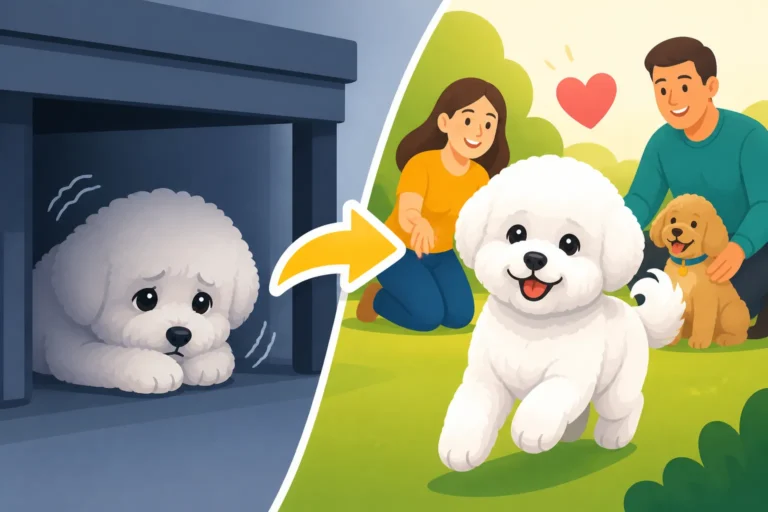
Recovery steps for an undersocialized Bichon Frise help fearful dogs build confidence despite missing the socialization window.

Safe locations for an unvaccinated Bichon Frise puppy to visit before completing core shots and immunity series.
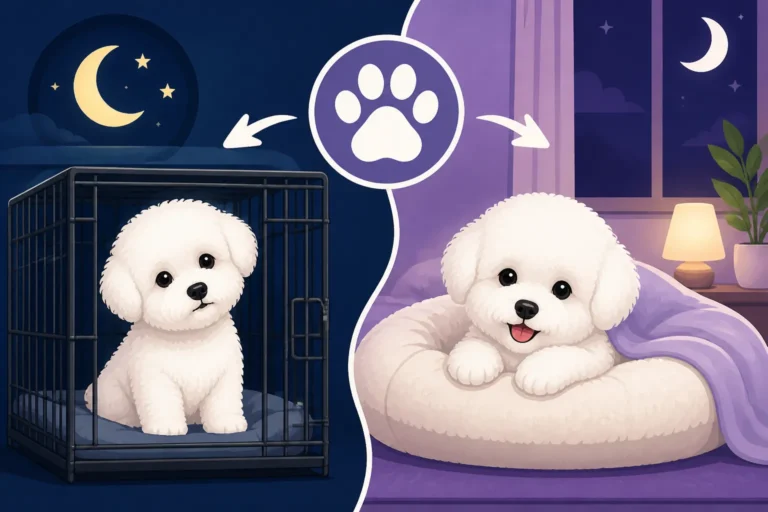
Nighttime crate training for a Bichon Frise puppy provides security, promotes faster housetraining, and ensures proper rest.

Bichon Frise puppy biting behavior, the typical teething timeline between eight and sixteen weeks, and effective socialization methods.

Medication and holistic care can help an anxious Bichon Frise experiencing excessive panting, trembling, and destructive chewing.

Two Bichon Frises require individual walks, separate training sessions, and constant supervision rather than less owner effort.
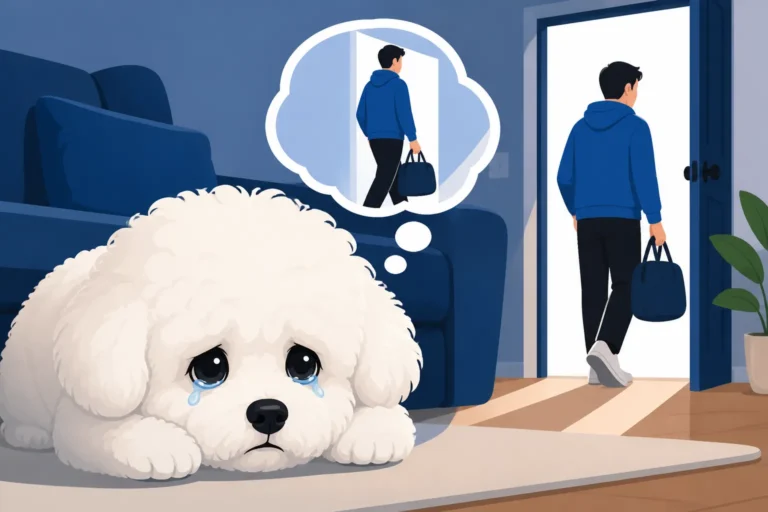
Bichon Frise crying when left alone stems from separation anxiety, boredom, or situational protest, requiring practical steps for safety.

Bichon Frise energy levels and twenty to thirty minute walks explain how exercise impacts behavior and triggers zoomies.