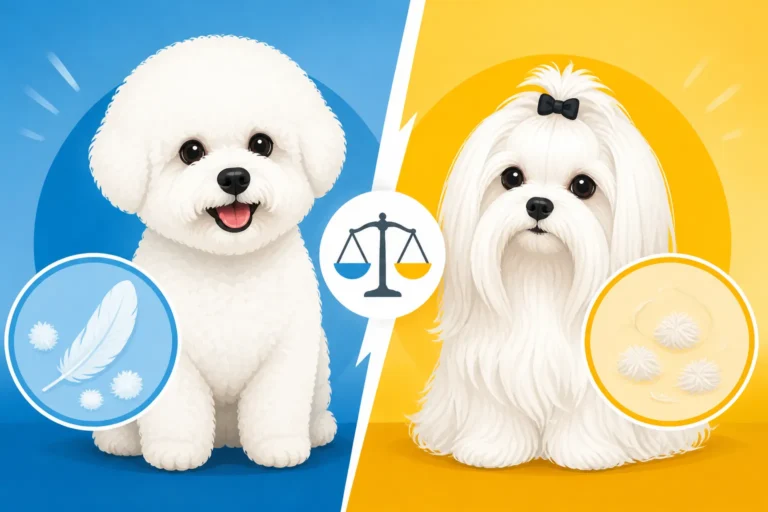
The Bichon Frise Against the Maltese and the Havanese
Choosing between a Bichon Frise, a Maltese, or a Havanese can feel like trying to pick the perfect cloud from a sky full of fluffy wonders – they all look adorable, but subtle differences in their personalities, care needs, and historical backgrounds can profoundly impact whether they're the right fit for your home. This guide will delve deep into what makes each of these delightful small breeds unique, helping you understand their individual quirks and requirements so you can make an informed decision for your family.
Unpacking Their Ancestral Roots and Historical Journeys
These three charming breeds, while distinct today, share a fascinating history rooted in the Mediterranean. They are all part of the "Barbichon" family, a group of small, white, often curly-coated dogs that were highly prized companions for centuries. Understanding where they came from can shed a lot of light on their inherent traits and temperaments.
The Mediterranean Lineage
The story of the Bichon Frise, Maltese, and Havanese begins in the sun-drenched coastal regions and islands of the Mediterranean. Their ancestors were often companion dogs to sailors and merchants, traveling across the seas and eventually finding their way into the laps of aristocracy and royalty. This shared heritage means they all carry a strong instinct for companionship, having been bred for centuries to be close to their human families. They weren't bred for hunting or herding, but purely for affection and entertainment, which is why they tend to bond so closely with their owners. It's a connection that transcends time, reaching back to ancient seafaring vessels and opulent European courts.
How History Shaped Their Personalities
Each breed's specific historical journey, however, diverged, leading to unique characteristics. The Bichon Frise, for instance, became a favorite of French and Spanish nobility, then later adapted to life as a street performer, charming crowds with tricks. This background instilled in the Bichon a lively, often comical nature and a surprising resilience for a small dog. They learned to be engaging and entertaining, a trait that still shines through in their "Bichon Blitz" zoomies and their perpetually cheerful demeanor. You might notice your Bichon seems to genuinely enjoy being the center of attention, a nod to their performing past.
The Maltese, on the other hand, boasts an even more ancient lineage, with records dating back thousands of years. They were consistently seen as symbols of status and beauty, treasured lapdogs of queens and ladies. This long history of pampered indoor life has cultivated a generally more refined, gentle, and sometimes slightly more delicate personality. They are the quintessential "lap warmer" – happiest when nestled beside their human, often requiring a bit more gentle handling due to their fine bone structure and luxurious coat. You can find out more about their intertwined past in Whether the Maltese Is Older Than the Bichon Frise.
The Havanese, the national dog of Cuba, emerged from the Bichon stock brought to the island by Spanish colonists. Isolated from European influences, they developed their unique traits in the Cuban climate, becoming hardy but still utterly devoted family companions. They were beloved by Cuban aristocrats, often seen playing charmingly within family compounds. Their history bred an adaptable, outgoing, and somewhat robust little dog, eager to please and known for its playful intelligence, often performing tricks or simply being a joyful presence. They embody a sunny disposition that reflects their island origins, making them wonderfully flexible companions for various lifestyles.
A Look at Their Physical Characteristics
While all three are small, fluffy, and undeniably cute, there are distinct differences in their size, coat type, and overall appearance that are worth exploring. These physical traits not only define their breed standards but also impact their daily care and how they interact with their environment.
Size and Build
When we talk about small dogs, we often lump them together, but there are nuanced differences in their stature. The Maltese is generally the smallest and most delicate of the three, typically weighing in at around 4-7 pounds. They have a compact, elegant frame that truly fits the "toy dog" description. Their delicate build means they can be more susceptible to injury if not handled carefully, making them perhaps less suitable for very boisterous households or homes with very young children. Their fragility is part of their charm, demanding a gentle touch.
The Bichon Frise usually falls into a slightly larger weight class, typically ranging from 12 to 18 pounds. They are described as compact and sturdy, with a well-sprung rib cage that gives them a more robust feel than the Maltese. Don't let their fluffy appearance fool you; a healthy Bichon has surprising substance. This slightly more substantial build often makes them a bit more resilient and less prone to accidental injury, which can be a relief for families who might worry about stepping on a tiny dog. If you're wondering What a Bichon Frise Actually Weighs, you'll find they're not quite as tiny as some other toy breeds.
The Havanese often bridges the gap, usually weighing between 7 and 13 pounds. They are longer than they are tall, with a springy gait that reflects their playful nature. While smaller than a Bichon, they often feel more substantial than a Maltese, with a hardier constitution. Their slightly elongated body and sturdy legs give them a very agile and balanced appearance, allowing them to navigate various terrains with ease. This adaptable size makes them a versatile choice, fitting comfortably into many different living situations without being overly fragile or cumbersome.
Coat Type and Color
This is where the differences become quite striking and directly impact grooming routines. All three boast beautiful, non-shedding coats, a major draw for many owners, especially those with allergies. However, "non-shedding" does not mean "no maintenance."
The Bichon Frise is famous for its plush, double coat that creates the iconic "powder puff" look. The outer coat is coarse and curly, while the undercoat is soft and dense, giving it a springy texture. This coat is almost exclusively white, though a touch of cream, buff, or apricot might be seen, especially in puppies, typically fading to pure white. Maintaining this brilliant white, dense coat takes dedication, as it can mat quickly if not brushed thoroughly. It's truly a sight to behold when well-groomed, but it's not a wash-and-wear kind of coat.
The Maltese is renowned for its long, silky, single coat that flows almost to the ground. This coat is pure white, without any undercoat, which contributes to its delicate appearance and texture. While stunning, this silky texture is very prone to tangles and mats, especially if it's kept long. The absence of an undercoat means they can get cold easily in chilly weather but also tend to stay cooler in warmer climates compared to the double-coated Bichon. Its elegance is undeniable, but it comes with a commitment to daily grooming.
The Havanese sports a soft, double coat that is long and flowing, often with a wavy or curly texture, reminiscent of fine silk. Unlike the Bichon and Maltese, the Havanese comes in a vast array of colors and patterns – white, black, brown, red, sable, brindle, and combinations thereof. This beautiful coat is designed to protect them from the sun in their native Cuba, yet it remains light and airy. The varied colors add to their appeal, and while it's a double coat, it's typically lighter than a Bichon's. Like the others, it demands regular attention to prevent matting, but the texture is different and often feels softer to the touch.
Distinctive Features
Beyond size and coat, each breed has charming features that set them apart. The Bichon Frise is instantly recognizable by its dark, round, inquisitive eyes that sparkle with mischief, set against its pure white, fluffy face. Their black nose and eye rims create a striking contrast, often referred to as a "halo" effect around their eyes, enhancing their expressive gaze. Their tail typically curves gracefully over their back, further contributing to their playful appearance. The Powder Puff Outline the Bichon Frise Standard Describes captures this perfectly, emphasizing its cheerful and buoyant presentation.
The Maltese, with its long, luxurious white hair, often has a more serene and aristocratic look. Their large, dark, expressive eyes are usually framed by their flowing facial hair, giving them a sweet, soulful expression. Their small, V-shaped ears, adorned with long hair, blend seamlessly into their coat. Many Maltese owners choose to keep their face and topknot hair tied up in a bow to prevent it from irritating their eyes, which also adds to their dainty and refined appearance.
The Havanese possesses bright, almond-shaped eyes that convey intelligence and warmth, often framed by their longer hair, which can sometimes be pulled back. Their ears are moderately long and fold, often lifted slightly when alert, giving them an engaging and curious expression. The Havanese’s tail is feathered and carried high, curving over their back, a clear sign of their happy and outgoing nature. Their overall expression is one of lively good humor and attentiveness, always ready to engage with their surroundings and their people.
Temperament and Personality
While all three breeds are known for being affectionate companions, their personalities have distinct nuances that can influence how well they fit into different household dynamics. It's crucial to understand these subtle differences to ensure a harmonious relationship.
Energy Levels and Playfulness
The Bichon Frise is truly a dynamo in a small package, known for its playful and energetic nature. They have bursts of energy, often referred to as the "Bichon Blitz" or "zoomies," where they will race around the house at top speed, delighting in their own exuberance. While they enjoy a good romp and daily walks, they are also content to curl up on your lap. Their need for activity is moderate; they don't require miles of running, but they do thrive on engaging playtime and mental stimulation. A bored Bichon can become a mischievous one, so ensuring they have toys and attention is key. The Bichon Blitz and What It Means is a perfect read for understanding this signature burst of energy.
The Maltese, generally, tends to be less overtly energetic than the Bichon or Havanese. They are content with shorter walks and often prefer to spend their time snuggled close to their owner on the sofa. While they can have playful moments, especially as puppies, their energy levels are typically lower, making them ideal for individuals or families who prefer a more relaxed companion. They are not prone to frantic zoomies, instead preferring a gentle game of fetch or chasing a favorite toy around the living room. Their playfulness is often expressed in a quieter, more intimate manner.
The Havanese strikes a wonderful balance of energy and adaptability. They are naturally playful and enjoy engaging in games, learning tricks, and going on adventures. They possess a cheerful enthusiasm for life and are always up for an activity, whether it's a brisk walk, a training session, or a game of chase in the yard. However, they are also quite content to relax by your side once their exercise needs are met. Their adaptability means they can adjust their energy to match their owner's lifestyle, making them suitable for both active and moderately sedentary households, as long as they get their daily dose of attention and stimulation.
Affection and Social Nature
All three breeds are deeply affectionate and thrive on human companionship, but how they express it can differ. The Bichon Frise is a true people-pleaser, known for its outgoing and charming disposition. They love to be involved in family activities and will often greet visitors with enthusiastic tail wags and a cheerful demeanor. They form strong bonds with their families and can be prone to separation anxiety if left alone for extended periods. Their social butterfly nature means they generally get along well with other pets and children, given proper socialization. They genuinely want to be everyone's friend.
The Maltese is intensely devoted to its primary caregiver and can sometimes be a bit reserved with strangers, though not typically shy or aggressive. They crave closeness and are happiest when they are literally touching their person, whether it's on a lap, next to them on the couch, or following them from room to room. Their affection is often expressed through gentle nudges, soft licks, and a desire to be constantly near you. While they can be friendly, their primary allegiance is usually clear. This deep bond makes them excellent emotional support animals for those seeking a constant, comforting presence.
The Havanese is perhaps the most outwardly social and outgoing of the three. They are known for their clownish antics and their ability to charm everyone they meet. They love to be the center of attention and thrive on interaction with both family members and strangers. They adapt well to new situations and are generally very sociable with other dogs and pets. Their affectionate nature is often expressed through playful nudges, enthusiastic tail wags, and a genuine eagerness to participate in whatever their humans are doing. They truly are "velcro dogs" who want to be included in every aspect of family life. Whether a Bichon Frise Is Genuinely Cheerful explores a similar characteristic for Bichons.
Barking Tendencies
Barking is a common concern for small dog owners, and these breeds are no exception. The Bichon Frise can be quite vocal. They are alert little watchdogs and will often bark to announce visitors, express excitement, or sometimes simply out of boredom or loneliness. While not excessively yappy, their barks can be persistent if not managed with consistent training from a young age. Their cheerful nature means their barks are often more of an announcement than an aggressive warning, but it's still something to consider in an apartment setting or close-knit neighborhood.
The Maltese can also be prone to barking, particularly as a reaction to external stimuli like doorbells, passing strangers, or other perceived threats. Because of their sensitive nature, they can sometimes develop "small dog syndrome" where they feel the need to overcompensate for their size with vocalizations. Consistent training and socialization are crucial to help them understand when it's appropriate to bark and when it's time to be quiet. A Maltese guarding its human from the mail carrier is a common scenario, stemming from their deep devotion.
The Havanese, while intelligent and alert, tends to be moderate in its barking habits. They will certainly bark to alert you to something unusual, but they are not typically known for excessive, incessant barking. Like the other two, early training is vital to shape their vocalizations. They are keen observers and enjoy communicating, so you might hear a happy "woo-woo" or a short burst of barks to invite play. Their barks are generally less shrill than some other toy breeds and often convey a sense of engagement rather than alarm.
The Intricacies of Grooming Needs
The beautiful, non-shedding coats of Bichons, Maltese, and Havanese are a double-edged sword: wonderful for allergy sufferers, but demanding in terms of grooming. Neglecting their coats can quickly lead to painful matting and skin issues, so understanding their specific needs is paramount.
Coat Maintenance Routines
All three breeds require dedicated, regular grooming to keep their coats healthy and free of mats. For the Bichon Frise, daily brushing is almost non-negotiable, especially if you want to maintain the classic "powder puff" look. Their dense, curly double coat grabs loose hair, and if it's not brushed out, those hairs will tangle and form mats close to the skin. This brushing isn't just a quick once-over; it needs to be thorough, often requiring line brushing to ensure you reach the skin. Ignoring this leads to discomfort and potential skin infections. How Long Brushing a Bichon Frise Takes highlights the time commitment.
The Maltese's long, silky single coat is equally, if not more, prone to tangling. If kept long, it needs daily brushing and combing to prevent knots. Because it's a single coat without an undercoat, it can appear delicate, but it still has a surprising ability to mat if left untended. Many Maltese owners opt for a shorter "puppy cut" to make daily maintenance more manageable, while still retaining some of their elegance. Without an undercoat, special care must be taken during brushing to avoid skin irritation.
The Havanese's soft, double coat, which can be wavy or curly, also demands daily or at least every-other-day brushing. Their longer hair tends to pick up debris, and the combination of outer and inner coat means mats can form quickly if not brushed through properly. While their texture might feel softer, it’s still very efficient at knotting. Just like with the Bichon, getting down to the skin with a slicker brush and then following with a comb is essential to ensure no mats are lurking beneath the surface. Regular grooming sessions should be seen as bonding time, not a chore.
Professional Grooming Requirements
Beyond daily home care, all three breeds benefit immensely from professional grooming sessions, typically every 4-8 weeks. A professional groomer has the right tools and expertise to give them a thorough wash, dry, and trim that’s hard to replicate at home.
For the Bichon Frise, professional grooming is essential to maintain the signature rounded "powder puff" silhouette. A skilled groomer will scissor their coat, shaping the head, body, and legs to the breed standard, which is incredibly difficult to achieve with clippers alone. These regular appointments help manage coat length, prevent severe matting, and keep them looking their best. Many owners also find that taking their Bichon for professional grooming makes home brushing easier between visits.
The Maltese can also benefit from regular professional trims, especially if the owner prefers a shorter, more practical cut. Groomers can skillfully trim the face, feet, and sanitary areas, which are crucial for cleanliness and comfort. Even if you prefer the long, show-ring look, a professional bath and blow-dry can ensure the coat is free of tangles and beautifully conditioned. They can also provide advice on specific products, perhaps recommending a conditioning spray from a reputable online retailer like Chewy to keep the coat smooth and manageable.
The Havanese, with its flowing coat, also thrives on professional grooming. Whether you opt for a full-length, natural look or a cute "puppy cut," a groomer can keep their coat healthy, trim errant hairs, and ensure sanitary areas are tidy. Professionals are adept at handling their double coat, ensuring it's thoroughly dried and brushed to prevent matting that can sometimes be missed at home. Regular trims keep their length manageable and contribute to overall hygiene and comfort for these active little dogs.
Tear Staining and Facial Care
A common concern across all three white or light-colored breeds is tear staining, particularly visible under the eyes. This isn't just an aesthetic issue; persistent moisture can lead to skin irritation and infection.
The Bichon Frise is notorious for tear stains. Their dark, round eyes contrast sharply with their pure white facial hair, making any reddish-brown staining highly noticeable. The primary cause is often natural tear overflow, which, when exposed to yeast and bacteria, oxidizes and creates the reddish color. Daily wiping of the eyes with a damp cloth or a pet-safe tear stain remover is essential. Keeping the hair around the eyes trimmed short can also help reduce moisture buildup and staining.
Maltese dogs also frequently experience tear staining. Their delicate facial structure and fine, long hair can exacerbate the issue, as tears wick down the hair, leading to prominent staining. Due to their extreme sensitivity, using harsh chemicals near their eyes is a definite no-no. Gentle daily cleaning and perhaps using filtered water in their bowl can sometimes help. Some owners swear by specific dietary changes or supplements, though results vary widely. The Tear Stains Under a Bichon Frise's Eyes offers valuable insights into this common challenge.
The Havanese, especially those with lighter coats, can also show tear staining, although perhaps slightly less dramatically than their pure white counterparts, thanks to their varied coat colors. However, the principles of care remain the same. Regular cleaning around the eyes is important, as is keeping the hair around the eyes trimmed or tied back to prevent irritation and moisture accumulation. Ensuring they drink plenty of fresh water and maintaining good overall hygiene are simple steps that can make a noticeable difference in managing tear stains for all these breeds.
Training and Housetraining Nuances
Training a small dog comes with its own set of challenges and rewards. While all three breeds are intelligent, their temperaments and physical attributes can influence their trainability, especially when it comes to the often-frustrating process of housetraining.
Housetraining Challenges
Housetraining can be a significant hurdle for owners of small breeds, and Bichons, Maltese, and Havanese are no exception. The Bichon Frise is famously known for being one of the more challenging breeds to housetrain. Their small bladders mean they need to go more frequently, and some can be quite particular about going outside in inclement weather. Consistency, patience, and a strict schedule are crucial. Accidents are almost inevitable, and getting frustrated can set back progress significantly. Owners often find themselves wondering Why a Bichon Frise Is Famously Hard to Housetrain. Positive reinforcement, praise, and high-value treats are key to success. Using an indoor potty solution like pee pads can be a stop-gap, but true outdoor reliability takes time and dedication.
The Maltese can also present housetraining difficulties. Like Bichons, their small size and delicate nature mean they often don't like going out in the rain or cold. They can also be quite sensitive to owner frustration, so a gentle, consistent approach is essential. Some Maltese might hold it indoors for extended periods only to have an accident once they can no longer hold it, making it seem like they aren't getting the message. Establishing a regular routine for potty breaks, especially after waking up, playing, and eating, is fundamental. Reward-based training works best, celebrating every successful outdoor potty trip.
The Havanese generally has a slightly better reputation for housetraining compared to the Bichon and Maltese, but it's still not always a breeze. They are intelligent and eager to please, which can make them quicker to pick up routines. However, their small size means you still need to be very vigilant about frequent potty breaks. They are less likely to be deterred by weather than the other two, often having a more robust and adaptable nature. Their eagerness to please often means they respond well to positive reinforcement methods, quickly learning that eliminating outside leads to praise and rewards. Even so, diligence is required, and any regression might indicate an underlying health issue rather than a training problem.
Trainability and Intelligence
Despite any housetraining quirks, all three breeds are intelligent and capable of learning a wide array of commands and tricks. The Bichon Frise is smart and eager to please, especially when there's a reward involved. They excel at obedience and can learn complex tricks, often showcasing their circus ancestry with agility and charm. However, they can also have a stubborn streak if they're not motivated or if training sessions become too repetitive. Short, fun, and engaging training sessions are best for keeping a Bichon's attention.
The Maltese is a smart and sensitive breed that responds best to gentle, positive reinforcement. They can be quite adept at learning commands and tricks, often surprising owners with their quick grasp of new concepts. However, their sensitive nature means harsh corrections are counterproductive and can lead to anxiety or a reluctance to engage. They thrive on praise and the joy of pleasing their beloved human. Their intelligence is often channeled into charming companionship and sometimes, a little bit of playful manipulation to get their way!
The Havanese is widely regarded as a highly trainable and intelligent breed. Their eagerness to please combined with their problem-solving abilities makes them a joy to train. They excel in various dog sports like agility, obedience, and rally, demonstrating their versatility. They love mental stimulation and thrive on learning new things, making them excellent candidates for advanced training and tricks. Because they are so eager to work with their owners, they are often a good choice for first-time dog owners who are committed to positive reinforcement training. Their adaptable nature means they usually enjoy the structure and engagement that training provides.
Socialization Needs
Early and ongoing socialization is vital for all small breeds to ensure they grow into well-adjusted, confident adult dogs. The Bichon Frise, with its naturally outgoing personality, benefits greatly from exposure to various people, places, sounds, and other friendly dogs from a young age. This helps prevent them from becoming overly timid or overly boisterous. Puppy classes are an excellent way to provide controlled socialization experiences. A well-socialized Bichon is a happy, confident, and well-mannered companion.
The Maltese, due to its sometimes more reserved nature and delicate size, particularly benefits from careful and positive socialization. Exposure to a variety of environments, gentle handling by different people, and positive interactions with other calm dogs can help them develop confidence and prevent timidity or fear-based reactions. Because they can be easily overwhelmed, it's important to introduce new experiences gradually and always ensure they are positive. Avoiding situations that might make them feel unsafe is key.
The Havanese is naturally social and generally takes well to new experiences. However, like any breed, proper socialization is crucial to ensure they remain confident and friendly throughout their lives. Exposing them to different sights, sounds, smells, people, and other well-behaved animals will help them adapt to various situations. Their inherent adaptability and cheerful disposition make socialization generally easier, but it should still be a priority, especially during their critical puppy development stages, to ensure they grow into well-rounded adults.
Health Considerations: A Comparative Look
Understanding the common health concerns for each breed is essential for responsible ownership, as it allows for proactive care and early detection. While all dogs can face health issues, these breeds have some predispositions worth noting.
Common Genetic Conditions
Each breed has its own list of predisposed conditions, though there's overlap. The Bichon Frise is known for certain issues, including patellar luxation (slipping kneecaps), dental disease, and bladder stones, particularly calcium oxalate stones. Owners often ask Whether Every Bichon Frise Gets Bladder Stones because it's so common. Allergies and skin issues are also prevalent. Responsible breeders will screen their dogs for these genetic conditions to minimize passing them on.
The Maltese often faces patellar luxation, dental disease (due to their small mouths), and sometimes White Shaker Dog Syndrome (a neurological condition causing tremors). Hypoglycemia (low blood sugar) can be a concern in very tiny puppies. Eye conditions, like progressive retinal atrophy, can also occur. Their delicate frames mean joint issues need careful monitoring.
The Havanese shares some common small breed ailments such as patellar luxation and dental disease. They can also be prone to certain eye conditions like cataracts and retinal dysplasia, as well as heart murmurs and chondrodysplasia (a disorder affecting cartilage and bone development). Reputable breeders will conduct health clearances on parent dogs to reduce the incidence of these hereditary conditions. You might want to explore The Health Tests Both Bichon Frise Parents Should Have for a deeper dive into screening.
Lifespan and Longevity
Generally, all three breeds enjoy relatively long lifespans, thanks to their small size and status as companion dogs.
Bichon Frises typically live between 14 and 15 years, with many living well into their late teens if given proper care. Their robust nature for a small dog contributes to their longevity. Maintaining a healthy weight, regular vet check-ups, and a good diet are key to ensuring they reach their full potential lifespan. They tend to stay playful and active well into their senior years. The Fourteen to Fifteen Years a Bichon Frise Lives offers more detail on their expected lifespan.
Maltese dogs have a similar long lifespan, often living between 12 and 15 years, with some exceeding this. Their small size often correlates with longer lifespans in the canine world. Due to their delicate nature, minimizing stress, providing a calm environment, and excellent dental care can contribute significantly to their longevity. They are often active and spry seniors, though they may require adjustments to their routine as they age.
Havanese typically enjoy a lifespan of 13 to 15 years, and often beyond. Their generally hardy constitution and adaptable nature contribute to their longevity. Like the other breeds, a balanced diet, consistent exercise, preventive vet care, and a loving home environment are crucial factors in helping them live long, healthy lives. Their cheerful disposition often means they age gracefully, continuing to bring joy to their families for many years.
Preventive Care and Dietary Needs
Preventive care is vital for managing the health risks associated with these breeds. For all three, regular veterinary check-ups are essential, including dental care, as small breeds are highly prone to periodontal disease. Daily tooth brushing and professional cleanings are non-negotiable.
For Bichons, specific attention to urinary health is critical due to their predisposition to bladder stones. This often means a prescription diet formulated to prevent stone formation, constant access to fresh water, and encouraging frequent urination. You might even find specialized urinary health kibble available on Chewy that your vet recommends. The Diet a Bichon Frise Stays On for Life is a must-read for Bichon owners.
Maltese, given their delicate frames and potential for hypoglycemia in puppies, need consistent, high-quality nutrition. Small, frequent meals can sometimes be beneficial, especially for very small individuals. Monitoring their patella health and ensuring they don't over-exert themselves, particularly during growth, is also important.
Havanese benefit from a balanced diet appropriate for their activity level and age. Given their potential for eye issues, regular eye exams are a good preventive measure. Joint supplements might be considered as they age to support patellar health, always under veterinary guidance. Ensuring they maintain a healthy weight is paramount to prevent strain on their joints and overall health.
Suitability for Different Households
Deciding which breed is right for you often comes down to your lifestyle, living situation, and family composition. While all three are wonderful companions, their distinct traits make them better suited for certain environments.
Families with Children
Bringing a small dog into a home with children requires careful consideration, as small breeds can be more fragile and some have less tolerance for boisterous play.
The Bichon Frise can be a fantastic family dog, especially for families with older, respectful children. Their playful and resilient nature means they often enjoy interacting with kids, and their sturdier build makes them a bit more forgiving of accidental bumps than a Maltese. However, constant supervision is vital with very young children to ensure they understand how to interact gently with a small dog. A Bichon who feels threatened or hurt might nip, and nobody wants that. It's about teaching both dog and child boundaries.
The Maltese, due to its very small size and delicate frame, is often best suited for families with older, calmer children or adults who understand how to handle a fragile dog. They can be easily injured by rough play or accidental falls. While affectionate, they might not tolerate the boisterousness of toddlers and could become stressed. If a Maltese is in a home with children, interactions must always be supervised, and children must be taught to be extremely gentle and respectful of the dog's space.
The Havanese is generally considered an excellent family dog, often highly recommended for homes with children of all ages. Their adaptable, outgoing, and playful temperament makes them tolerant and engaging companions for kids. They are sturdy enough to handle typical family life without being overly fragile, yet small enough to be manageable. Their love for play and companionship often means they thrive in a busy family environment, becoming an integral and joyful part of the household. As always, teaching children how to interact kindly and respectfully with any dog is paramount.
Apartment Living and Space Needs
All three breeds are well-suited for apartment living, given their small size, but their energy levels and exercise requirements vary slightly.
The Bichon Frise thrives in apartments as long as they get their daily walks and playtime. Their bursts of energy can be satisfied with indoor games and a couple of moderate walks a day. They don't require a large yard, but access to a safe outdoor space for potty breaks and a bit of fresh air is always a plus. Their main need is companionship, so they do best in homes where they aren't left alone for long stretches, as they can develop separation anxiety.
The Maltese is arguably the most perfectly suited for apartment living due to its low exercise requirements. Short daily walks and indoor play are usually sufficient to keep them happy and healthy. They are content to spend much of their time indoors, making them ideal for urban dwellers or those with limited outdoor access. Their primary need is human companionship, and they are typically happiest curled up on a soft bed or on their owner's lap, making them a true lapdog for apartment life.
The Havanese is also an excellent choice for apartment living. They are adaptable and can thrive in smaller spaces as long as their need for daily walks and mental stimulation is met. Their moderate energy levels mean they enjoy a good walk and playtime, but they aren't so high-energy that they require extensive outdoor space. Their outgoing and social nature means they'll be happy living anywhere as long as they are with their family and included in activities. They are often quite happy to accompany you to cafes or on errands, making them a versatile urban companion.
First-Time Owners
For individuals new to dog ownership, the choice of breed can significantly impact the overall experience. Some breeds are more forgiving than others when it comes to training and general care.
The Bichon Frise can be a good choice for a first-time owner who is committed to consistent training and understands the significant grooming demands. Their cheerful and affectionate nature makes them very rewarding companions. However, their housetraining challenges and need for regular professional grooming mean a first-time owner needs to be prepared for the commitment involved. If you're willing to put in the work, you'll be richly rewarded with a loving and entertaining companion.
The Maltese can also be suitable for a first-time owner, particularly one looking for a gentle, devoted lapdog. Their lower exercise needs can be appealing, but new owners must be prepared for the intense grooming requirements and potential for delicate health issues. Housetraining can be a test of patience. The key is understanding their sensitive nature and providing a consistent, loving environment. They thrive with owners who are home often and can dedicate time to their care and companionship.
The Havanese is often touted as one of the best choices for first-time dog owners. Their intelligence, eagerness to please, and adaptable nature make them relatively easier to train and socialize. While they still require consistent grooming, their coats can be a bit more forgiving than the Maltese's silk if you're a day late on brushing. Their overall cheerful and outgoing personality makes them a joy to live with, and they tend to bond strongly and quickly with their new families, offering a very positive first-time ownership experience.
General Cost of Ownership Comparison
While specific figures fluctuate wildly based on location, vet, and individual needs, we can compare the general financial commitment for each of these breeds. Remember, owning a dog is an investment in companionship, and these are estimates for planning.
Initial Purchase or Adoption Fees
The initial cost to acquire a puppy from a reputable breeder for any of these breeds will be significant, reflecting the breeder's investment in health testing, quality care, and ethical breeding practices. There isn't a huge difference in the typical range for a well-bred Bichon Frise, Maltese, or Havanese puppy. Expect to pay a fair amount, and always be wary of "bargain" puppies, as they often come from puppy mills or backyard breeders who cut corners on health and socialization. These initial savings can lead to far greater vet bills down the line.
Adopting from a rescue organization is often a more affordable option, and the adoption fee typically covers initial vet care, spaying/neutering, and vaccinations. While less common than some other breeds, Bichons, Maltese, and Havanese do appear in rescues, sometimes specific breed rescues. The cost of a rescue dog is usually much lower than buying from a breeder, but the history of the dog might be unknown.
Beyond the purchase price, all new puppies will require an initial outlay for supplies: crate, bed, food and water bowls, leash, harness, toys, and grooming tools. This applies equally to all three breeds. A good online store like Chewy is a great resource for stocking up on these essentials without breaking the bank.
Ongoing Care Expenses
The long-term financial commitment for these breeds primarily revolves around food, veterinary care, and grooming. Since all three are small, their food consumption is relatively modest compared to larger breeds, but quality food is crucial for their health. If a Bichon Frise needs a prescription urinary diet, for example, that can be a higher ongoing food cost. What a Urinary Diet Costs Against Ordinary Kibble can give you an idea of potential differences.
Grooming is where the ongoing costs really add up for all three. Because they are non-shedding and have long, dense coats, they require professional grooming every 4-8 weeks. These costs can be substantial over the dog's lifetime. While home grooming can save money, it still requires an initial investment in quality clippers, scissors, brushes, and shampoos. What a Full Bichon Frise Groom Costs gives an idea of what you might expect for a single breed, and similar costs apply to Maltese and Havanese with professional care.
Veterinary care is another consistent expense. All small breeds are prone to dental issues, so regular dental cleanings under anesthesia can be a yearly or bi-yearly expense. Then there are potential costs for managing breed-specific health conditions, such as ongoing allergy treatments for a Bichon, specialized care for a Maltese with White Shaker Syndrome, or managing eye conditions in a Havanese. Pet insurance can help mitigate the costs of unexpected illnesses or accidents, and it's worth exploring policies for any of these breeds to provide peace of mind.
Comparison Summary Table
To help you visualize the key differences and similarities, here's a quick summary:
| Feature | Bichon Frise | Maltese | Havanese |
|---|---|---|---|
| Size/Weight | 12-18 lbs, sturdy & compact | 4-7 lbs, delicate & elegant | 7-13 lbs, longer than tall, agile |
| Coat Type | Double, dense, curly, "powder puff" | Single, long, silky, flowing | Double, long, wavy/curly, soft |
| Coat Color | Primarily White (slight buff allowed) | Pure White | Wide variety of colors & patterns |
| Energy Level | Moderate to High (bursts of energy) | Low to Moderate, calm lapdog | Moderate, playful & adaptable |
| Affection | Outgoing, cheerful, loves everyone | Intense devotion to primary owner | Outgoing, social, clownish, adaptable |
| Housetraining | Can be challenging, needs consistency | Can be challenging, sensitive | Generally easier, eager to please |
| Grooming | High (daily brush, 4-6 wk pro groom) | Very High (daily brush, 4-6 wk pro groom) | High (daily/every other day brush, 4-8 wk pro groom) |
| Common Health | Bladder stones, allergies, patellas | Dental, patellas, White Shaker Syndrome | Patellas, eye issues, heart murmurs |
| Lifespan | 14-15 years | 12-15 years | 13-15 years |
| Best For | Active families, playful owners | Quieter homes, devoted lapdog seekers | Active families, first-time owners |
Choosing between a Bichon Frise, Maltese, or Havanese isn't just about picking the cutest face, although they all have irresistible ones! It's about finding the best personality and care requirements to match your lifestyle. Each of these incredible breeds offers boundless love and joy, but understanding their specific needs ensures a harmonious and fulfilling relationship for years to come. Take your time, do your research, and you'll find the perfect furry family member waiting for you.
Disclaimer
This article is for general informational purposes only and does not constitute professional advice. Laws, prices and regulations vary by location and change over time. Consult a qualified professional for guidance on your specific situation.