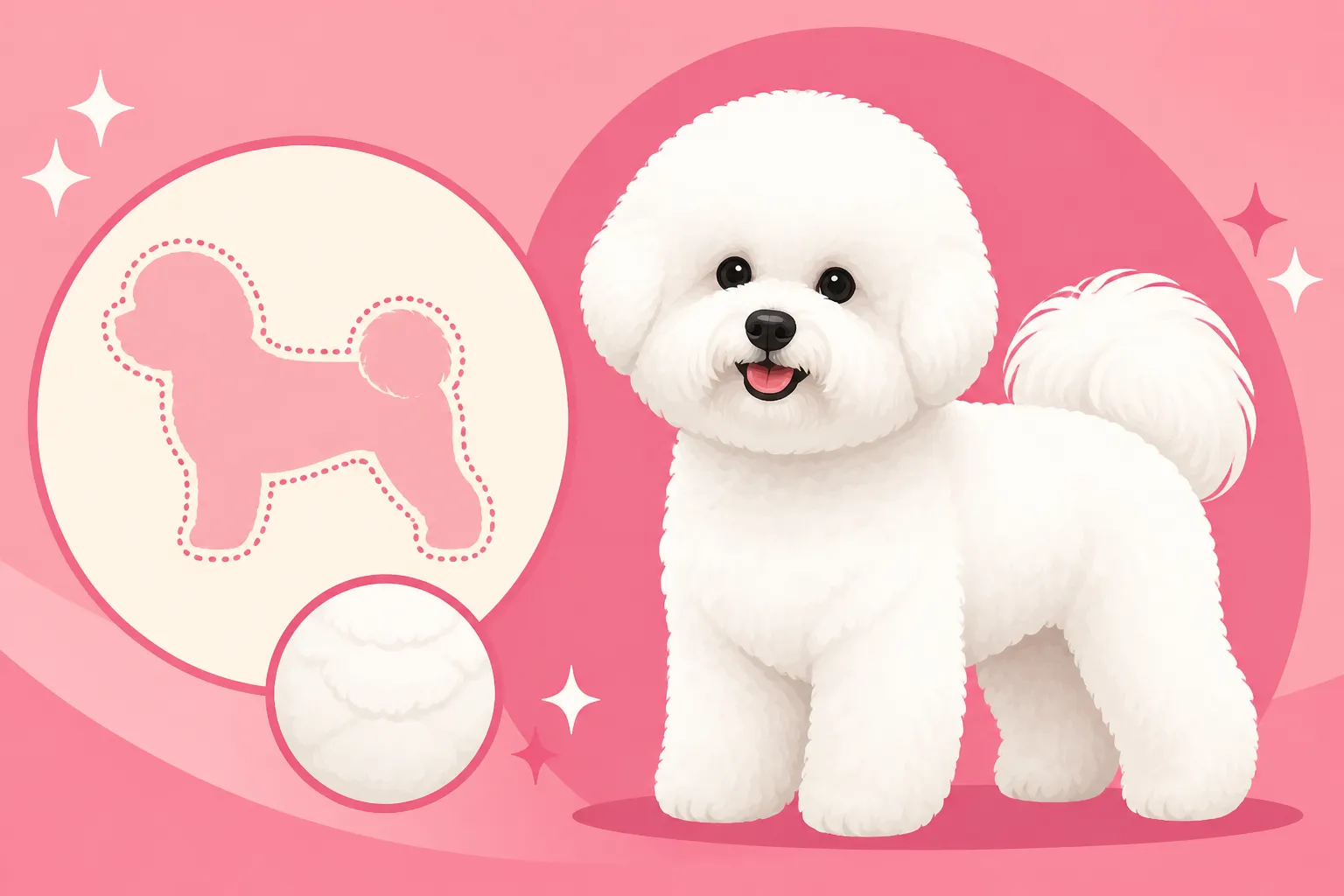
The Powder Puff Outline the Bichon Frise Standard Describes
It's no secret that one of the biggest draws to the adorable Bichon Frise is their iconic "powder puff" look. That cloud-like, meticulously sculpted white coat is what many of us picture when we think of this delightful breed. However, achieving and maintaining that signature outline can feel like a daunting task, often leaving new owners scratching their heads about where to even begin. This comprehensive guide is here to demystify the Bichon Frise standard, explaining exactly what that coveted powder puff truly means and how you can work towards keeping your furry friend looking their absolute best, whether for the show ring or just for everyday cuddles.
Understanding the Bichon Frise Standard: What is the Powder Puff?
When you hear "powder puff" in relation to a Bichon Frise, it's more than just a cute nickname for a fluffy dog. It refers to a very specific, carefully designed silhouette that is the hallmark of the breed, as outlined in the breed standard. This isn't just about having a lot of hair; it's about how that hair is groomed and shaped to create a harmonious, balanced, and distinctly Bichon appearance. It's an art form, really, that transforms a fluffy dog into a living, breathing cotton ball with undeniable charm.
The Historical Roots of the Fluffy Look
The Bichon Frise's history is steeped in elegance and companionship, tracing back to the Mediterranean sailing routes and later finding favor among European nobility, especially in France. These dogs were cherished for their cheerful disposition and their beautiful, pristine white coats. The fluffy appearance wasn't just a random trait; it was cultivated. In many historical accounts and paintings, the ancestors of today's Bichon Frise are depicted with full, luxurious coats, indicating that a substantial, well-groomed presentation was always part of their appeal. They were lapdogs, pampered pets, and eventually, even performers, whose striking appearance undoubtedly added to their allure. The full, voluminous coat, carefully maintained, became part of their identity as a breed that exuded charm and grace. This deep-seated historical preference for a well-presented, cloud-like coat set the stage for the modern "powder puff" standard.
Why the Standard Matters for Grooming
For breeders and those who show Bichons, the breed standard is the blueprint. It describes the ideal physical traits and temperament, including a detailed description of the coat and how it should be presented. For the average pet owner, understanding the standard helps to appreciate the purpose behind specific grooming choices. It’s not just about looking pretty; it's about honoring the breed's heritage and ensuring the dog's comfort and health. A coat groomed to the standard highlights the dog's natural structure and joyful expression. Without a grasp of this ideal, grooming can become a battle against tangles and an amorphous blob of fluff, rather than the elegant, cheerful companion the Bichon Frise is meant to be. It provides a goal, a vision for that perfect, balanced look that is so characteristic of the breed.
Deconstructing the Powder Puff: Key Elements of the Outline
The powder puff outline isn't achieved by accident; it's the result of meticulous sculpting that emphasizes the Bichon Frise's natural characteristics. Every part of the dog contributes to this overall fluffy, rounded impression, from the tips of their ears to the curl of their tail. It's a cohesive look that requires attention to detail on all fronts. When a groomer talks about "the outline," they are envisioning this ideal shape and working to bring it to life on your dog.
The Iconic Round Head and Face
Perhaps the most recognizable feature of the Bichon Frise's powder puff is their perfectly rounded head and face, often described as looking like a chrysanthemum or a cotton ball. This isn't just fluffy hair; it's sculpted. The hair on the head and around the face is trimmed to create a soft, round appearance that blends seamlessly with the neck and body. The eyes should peek out from under a soft fringe, giving them that bright, intelligent, and curious expression. The muzzle hair is also shaped to maintain this roundness without obscuring the nose. It takes a skilled hand to create this effect, ensuring symmetry and balance. Too much hair in one spot, or too little in another, can throw off the entire look. Many owners struggle to get this just right at home, often ending up with a more "scruffy" or uneven look, which is why a professional groomer is so valuable for maintaining this signature feature. How the Round Head Is Scissored on a Bichon Frise is a topic many find fascinating.
The Body's Balanced Proportions
Beyond the head, the body of a Bichon Frise groomed to the powder puff standard should also present a rounded, soft contour. The goal is to create a well-balanced silhouette, where the body appears slightly longer than it is tall, with a graceful curve over the loin. The chest should look full, and the legs should appear straight and sturdy, with the hair trimmed to complement the body's lines. The coat is meticulously scissored to follow the natural musculature and bone structure, accentuating curves where they should be and ensuring smooth transitions. It’s not about making the dog look fat; it’s about creating an illusion of robust fluffiness without losing the underlying elegant form. The overall effect should be one of a compact, yet substantial, little dog, perfectly proportioned and entirely covered in a luxuriant, cloud-like coat.
The Tail Carried Merrily Over the Back
The Bichon Frise's tail is another crucial element in completing the powder puff picture. The breed standard calls for the tail to be carried gracefully, curved over the back, but not tightly curled or docked. The hair on the tail itself is left long and flowing, creating a plume that adds to the overall impression of softness and volume. When properly groomed, the tail's plume harmonizes with the rounded body, acting as a finishing flourish that adds to the dog's cheerful and merry demeanor. A tail that is too short, or lacks sufficient hair, can detract from the ideal silhouette. It's a small detail, but one that significantly contributes to the overall iconic Bichon look, symbolizing their joyful spirit.
Achieving the Signature Bichon Frise Groom: Techniques and Tools
Bringing the powder puff outline to life on your Bichon Frise is a combination of proper technique, the right tools, and a good understanding of the breed's coat. It’s an ongoing process, not a one-time event, and it requires dedication. Many Bichon owners learn to do some maintenance grooming at home, but achieving that perfect, show-ring worthy look usually means a trip to a skilled professional.
Scissoring vs. Clipping: The Art of Shaping
When it comes to grooming a Bichon Frise, especially for the powder puff outline, scissoring is absolutely paramount. While clippers are used for sanitary areas and perhaps to establish a base length, the true artistry comes from hand-scissoring. Why a Groomer Scissors a Bichon Frise Instead of Clipping It is a critical distinction. Clippers tend to create a blocky, less natural look, and they can sometimes damage the delicate texture of the Bichon's double coat, leading to a softer, cottony texture that is harder to manage and prone to matting. Scissoring allows for fine-tuning, blending, and creating the soft, rounded contours that define the powder puff. It's a more time-consuming process, but the results are undeniably superior, giving the coat that bouncy, airy volume while maintaining its pristine white appearance. It truly is an art form, requiring patience and a keen eye.
Essential Grooming Tools for the Bichon Outline
To maintain that gorgeous coat, you’ll need more than just a pair of scissors. A comprehensive grooming kit is essential. This includes a high-quality slicker brush to get through the coat to the skin, a metal comb for checking for tangles and precise detailing, and a good pair of straight and curved grooming shears. A force dryer is also incredibly beneficial, as it helps to straighten the curly undercoat and separate the hairs, creating that fluffy volume that scissoring then perfects. Additionally, a professional grooming table with a noose helps keep your Bichon still and at a comfortable working height. Many of these tools can be found at online pet supply retailers like Chewy, which often carries a wide selection of professional-grade equipment suitable for home groomers. Investing in quality tools will make the grooming process much smoother for both you and your dog, and help you achieve that coveted look.
Maintaining the White and Fluffy Coat
Keeping a Bichon Frise's coat pristinely white and fluffy is another significant aspect of the powder puff look. This involves regular bathing with whitening or brightening shampoos, ensuring the coat is thoroughly rinsed to prevent residue buildup, and meticulous drying. Which Shampoo Keeps a Bichon Frise White can be a bit of a quest for many owners. After bathing, the coat needs to be line-brushed while drying to ensure every hair strand is straight and fluffed out, preventing curls from setting in and creating mats. Daily brushing is also non-negotiable to prevent tangles and remove any debris that could stain the white coat. Without this consistent care, the coat can quickly become matted, dull, and discolored, losing its signature powder puff appeal. It’s a commitment, but the reward is a beautiful, healthy, and happy Bichon Frise.
Common Challenges in Maintaining the Powder Puff Look
While the powder puff look is stunning, it comes with its own set of challenges that every Bichon Frise owner will likely encounter. These aren't necessarily problems with the dog, but rather inherent characteristics of their unique coat type that require diligent management. Understanding these common hurdles can help you be better prepared and less frustrated.
Dealing with Matting and Tangling
The Bichon Frise's dense, curly double coat, while beautiful, is notoriously prone to matting and tangling. This is the number one grooming frustration for most Bichon owners. The soft undercoat intertwines with the coarser outer coat, easily forming knots and mats, especially in areas of friction like behind the ears, under the legs, and where a harness sits. If not addressed daily, a small tangle can quickly become a tight, painful mat that pulls on the skin and can only be removed by shaving. This not only ruins the powder puff outline but can also lead to skin irritation and infections. Regular, thorough line brushing, reaching down to the skin, is the only way to effectively prevent these mats. How Long Brushing a Bichon Frise Takes is often underestimated by new owners.
Managing Tear Stains and Discoloration
Another common concern for white-coated breeds like the Bichon Frise is tear staining, which can significantly detract from that pristine white powder puff look. Reddish-brown streaks under the eyes are caused by porphyrins in tears, which are iron-containing waste products. Similarly, saliva and urine can cause staining around the muzzle, paws, and sanitary areas. While some staining can be genetic, factors like diet, water quality, and even environmental allergens can play a role. Daily wiping of the eyes and muzzle with a damp cloth or specialized tear stain remover is crucial. Whether Tear Stains Can Be Removed From a Bichon Frise is a frequent question, and while prevention is key, some products can help manage existing stains. Maintaining the health of your Bichon's eyes and reducing potential irritants can go a long way in keeping that face bright and white.
The Puppy Coat Change and Adult Maintenance
Many new Bichon owners are surprised by the "puppy uglies" phase, usually occurring between 6 to 12 months of age, when the soft puppy coat transitions to the denser adult coat. During this time, the coat becomes incredibly prone to matting, often feeling cottony and difficult to brush through. What might have been easy brushing for a tiny puppy suddenly becomes a battle. This period requires extra diligence with grooming, often daily brushing, and potentially more frequent professional grooming appointments to manage the transition. Once the adult coat is fully in, it settles into a more predictable pattern, but still demands consistent care. It's a learning curve for both owner and dog, but persevering through this stage is vital for maintaining the healthy, fluffy adult coat. The Months a Bichon Frise Puppy Coat Changes is a challenging period for many.
Variations in Grooming: Pet Trims vs. Show Ring Standards
While the show ring demands strict adherence to the breed standard, most pet owners opt for variations that are more practical for their lifestyle and their dog's comfort. Understanding the differences can help you communicate effectively with your groomer and decide what’s best for your Bichon. Both approaches aim for a well-groomed dog, but their specific goals differ significantly.
Practical Pet Trims for Everyday Life
For many pet Bichons, maintaining the full powder puff outline as seen in the show ring is simply not practical. The long, voluminous coat, while beautiful, can be difficult for owners to maintain daily, prone to mats, and can get dirty easily. This is why many owners opt for a "pet trim" or a "puppy cut." These trims keep the coat shorter overall, making daily brushing easier and reducing the chances of severe matting. The head and face may still be kept round, but the body hair is often clipped to a uniform, shorter length (e.g., 1/2 inch or 1 inch), making it much more manageable. Whether a Pet Trim Suits a Bichon Frise depends entirely on the owner's commitment to daily grooming. While it might not be the exact "powder puff" of the standard, a well-executed pet trim can still be adorable, keep the dog comfortable, and be much easier to maintain for busy households.
The Nuances of the Show Ring Presentation
The show ring is where the powder puff standard truly shines. Every hair is meticulously placed, every curve perfectly sculpted to highlight the Bichon's best features. This involves hours of precise hand-scissoring, not just for the initial groom but also for touch-ups right before entering the ring. The goal is to create an optical illusion of a perfectly proportioned, vibrant, and joyful dog. The coat must be impeccably white, fluffy, and free of any matting or stray hairs. Judges scrutinize every detail, from the symmetry of the head to the plume of the tail. Achieving this level of perfection requires a skilled professional groomer who specializes in show trims, often working with specific products and techniques to enhance volume and texture. It's a highly specialized craft that goes far beyond a simple pet groom. Whether a Show Trim Is Practical for a Pet Bichon Frise is almost always answered with a resounding "no" by experienced groomers due to the immense upkeep required.
When to Seek Professional Grooming Help
Even if you plan to do some home grooming, a professional groomer is an invaluable resource for Bichon Frise owners. They possess the skills, experience, and specialized tools to achieve that ideal powder puff outline or a beautifully maintained pet trim. A good groomer can also provide advice on proper brushing techniques, recommend suitable products, and spot potential skin or coat issues you might miss. Regular professional grooming every 4-6 weeks is often recommended to keep the coat in top condition, prevent severe matting, and maintain the desired style. Don't be afraid to interview groomers, ask to see their work with Bichons, and find someone who understands your goals for your dog's appearance. Tools and expertise from places like Chewy are great for home care, but nothing beats a professional for the full treatment. Here's a quick comparison of grooming types:
| Grooming Type | Primary Goal | Maintenance Level | Typical Frequency (Professional) | Best For |
|---|---|---|---|---|
| Show Trim | Adherence to breed standard, perfect outline | Very High | Every 2-4 weeks | Show Dogs |
| Pet Trim | Practical, manageable, comfortable coat | Medium | Every 4-6 weeks | Most Pet Bichons |
| Puppy Cut | Shorter, easy-care version of pet trim | Low-Medium | Every 6-8 weeks | Active Pets, Hot Climates |
The Impact of Health and Lifestyle on the Bichon Frise Coat
It's easy to focus solely on brushes and scissors when thinking about the powder puff, but the truth is, a beautiful coat starts from within. A Bichon Frise's overall health and daily lifestyle choices play a huge role in the quality, texture, and appearance of their coat. You can have the best groomer in the world, but if the dog isn't healthy, their coat will never truly shine.
Nutrition and Coat Quality
What you feed your Bichon Frise directly impacts their coat. A high-quality diet, rich in essential fatty acids (like Omega-3 and Omega-6), vitamins, and minerals, is fundamental for healthy skin and a lustrous coat. Poor nutrition can lead to a dull, dry, brittle coat that mats more easily and might even develop skin issues. Conversely, a well-nourished Bichon will have a soft, pliable coat that retains its volume and is easier to groom. If your Bichon has a sensitive stomach or specific dietary needs, your veterinarian might recommend a specialized diet. You can often find a wide range of premium dog foods and nutritional supplements on platforms like Chewy, making it easier to cater to your Bichon's dietary requirements. The Diet a Bichon Frise Stays On for Life often relates to urinary health, but these diets can also have a positive impact on coat quality.
Skin Health and Its Effect on the Powder Puff
The coat grows from the skin, so healthy skin is paramount for a healthy coat. Bichon Frises can be prone to various skin issues, including allergies (atopic dermatitis) which can cause itching, redness, and secondary infections. When a dog is constantly scratching or licking, it damages the hair follicles, leading to poor coat quality, thinning hair, and increased matting. Treating underlying skin conditions is crucial not just for the dog's comfort but also for maintaining the integrity of their coat. Regular bathing with appropriate shampoos, as advised by your vet, can also contribute to good skin health. What Atopic Dermatitis Does to a Bichon Frise highlights how these conditions can impact their overall well-being and appearance. A Bichon with irritated skin simply won't have that perfect powder puff.
Age-Related Changes to the Coat
As Bichon Frises age, their coat can undergo noticeable changes. Senior Bichons might experience a thinning of their coat, a change in texture (sometimes becoming softer and more cottony, or coarser), or a slight yellowing. Their skin can also become more delicate, requiring gentler grooming. While you might not be able to achieve the exact same volume and pristine white of a young adult Bichon, consistent grooming, appropriate diet, and regular veterinary check-ups can help maintain their coat's health and appearance into their golden years. Caring for a Bichon Frise Past Eleven often involves adapting grooming routines to accommodate their comfort and health needs, ensuring they still look and feel loved, even if their powder puff isn't quite as perfect as it once was.
Disclaimer
This article is for general informational purposes only and does not constitute professional advice. Laws, prices and regulations vary by location and change over time. Consult a qualified professional for guidance on your specific situation.