Where the Bichon Type Dogs Came From
Have you ever looked at a fluffy, white Bichon Frise and wondered where on earth such an enchanting creature came from? It’s easy to assume they’ve always been around, charming royalty and street performers alike, but the truth is, the origins of the Bichon type dogs, and our beloved Bichon Frise in particular, are a rich tapestry woven through centuries of history, trade, and shifting social tides. This guide will take you on a journey to uncover the fascinating ancestry of these captivating canines, helping you appreciate the deep roots of their cheerful nature and iconic look.
The Ancient Roots of the "Bichon Type" Dogs
Before we dive specifically into the Bichon Frise, it’s important to understand that our little powder puffs are part of a larger family of small, curly-coated white dogs often referred to as "Bichon type" or "Barbichon" dogs. This family includes breeds like the Maltese, Bolognese, Havanese, and Coton de Tulear, all sharing a common ancestor and a similar delightful disposition. Their lineage is believed to stretch back thousands of years, to ancient times when small companion dogs were prized.
From Water Dogs to Lapdogs
The most widely accepted theory suggests that the Bichon type dogs descended from water spaniels, specifically the Barbet. Imagine a larger, shaggy dog, adept at retrieving fowl from water – that's the Barbet. Over time, smaller versions of these dogs were bred, likely for companionship rather than hunting. These smaller, gentler versions retained some of the Barbet's distinctive curly coat but were far more suited to life aboard ships and in noble households. This shift from working dog to companion animal truly marked the beginning of the Bichon's journey.
These early ancestors weren't just pretty faces; they were intelligent and trainable, making them ideal companions. Their transition from utilitarian roles to beloved pets allowed breeders to focus on traits like size, temperament, and that iconic non-shedding, curly coat. This period of selective breeding laid the groundwork for the distinct breeds we recognize today, each retaining a piece of that common water dog heritage while developing unique characteristics.
Mediterranean Journeys: How Sailors Spread the Breed
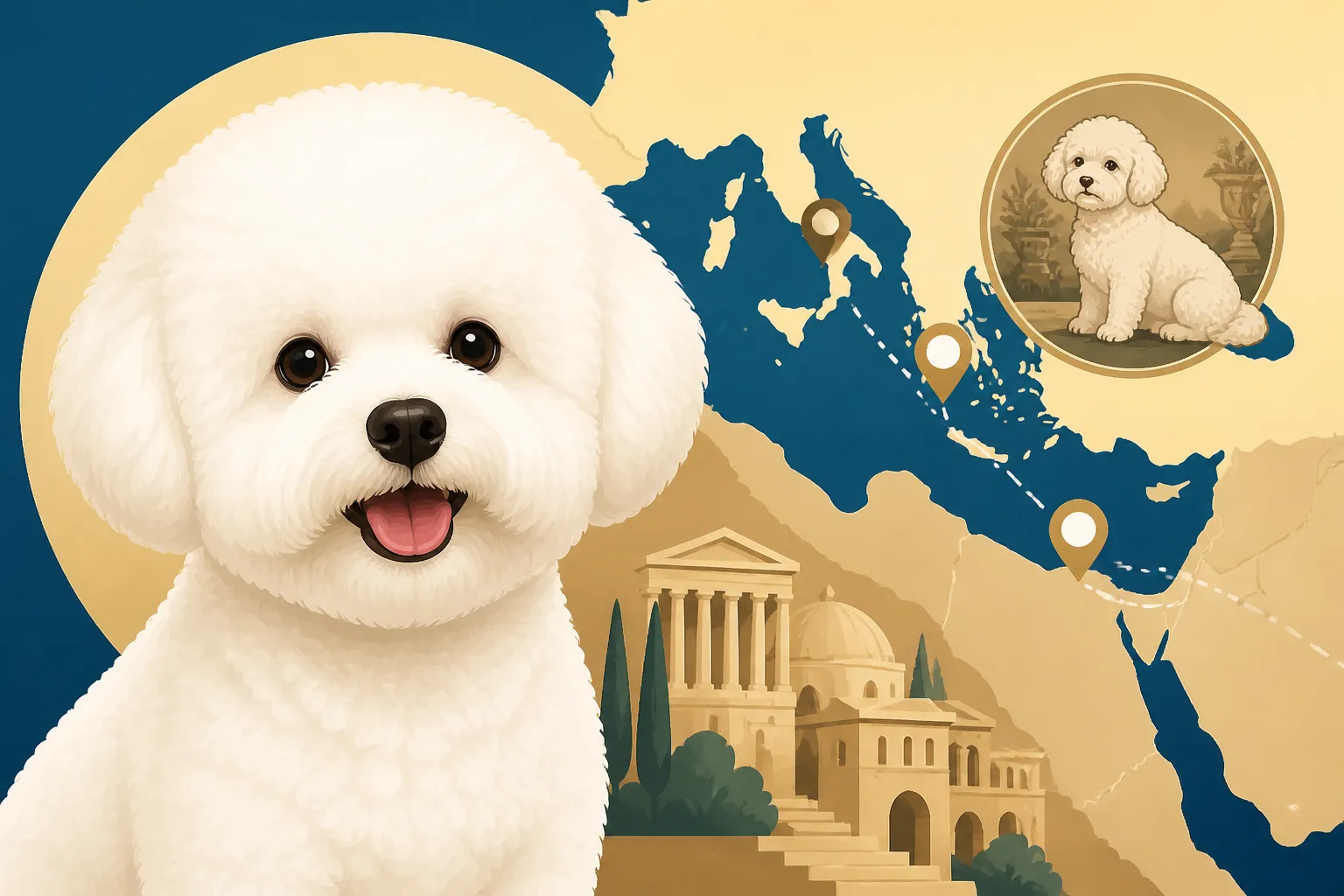
The story of the Bichon type dogs is inextricably linked to the maritime trade routes of the Mediterranean Sea. In an era before planes and cars, ships were the primary means of transport for goods, people, and, yes, even dogs. These charming, hardy little dogs proved to be excellent travel companions, making them favorites among sailors and merchants.
Companion Dogs on Merchant Ships
Sailors adored these dogs not just for their endearing personalities but also for their practicality. They were small enough not to take up much space on board, and their cheerful disposition was a welcome distraction during long, arduous voyages. Imagine a lonely sailor far from home, finding solace in the playful antics of a small, white dog. These canine companions provided comfort and entertainment, brightening the often-harsh realities of life at sea. Their presence might have even helped with rodent control, though their primary role was certainly companionship.
As these ships crisscrossed the Mediterranean, the dogs traveled with them, disembarking at various port cities and islands. This constant movement led to the dispersal of the Bichon type, allowing them to intermingle with local canine populations and adapt to new environments. This maritime spread is a crucial chapter in understanding How Sailors Carried the Bichon Frise Around the Mediterranean.
The Influence of Island Breeding
Many of the Bichon type breeds are associated with specific Mediterranean islands, a testament to their seafaring history. The Maltese, of course, hails from Malta. The Bolognese from Bologna, Italy. And our Bichon Frise has a strong connection to the Canary Islands, particularly Tenerife, where they were once known as the "Tenerife dog." These island environments often acted as natural incubators, allowing specific traits to become more concentrated as dog populations were somewhat isolated.
On islands like Tenerife, these dogs thrived, developing distinct characteristics that would eventually lead to their formal recognition as separate breeds. The isolation, combined with specific breeding practices, helped to solidify the traits we now associate with the Bichon Frise: their small size, vivacious temperament, and that quintessential cloud-like coat. This geographical separation helped create the subtle differences we see between the various Barbichon breeds today.
From Tenerife to the Royal Courts: A Rise to Nobility
The charming nature and elegant appearance of the "Tenerife dog" didn't go unnoticed for long. From the bustling ports, these dogs began to make their way into the homes of the wealthy and influential, slowly climbing the social ladder from sailor's companion to aristocratic lapdog.
Italian Nobility and Early Popularity
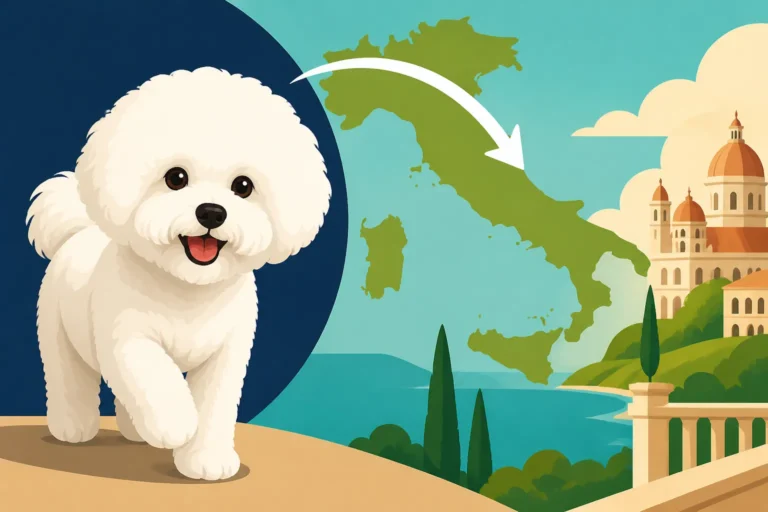
It's believed that Italian sailors were instrumental in bringing these dogs from the Canary Islands to Italy in the 14th century. Once introduced to Italian nobility, their popularity exploded. These small, vivacious dogs quickly became favorites among the elite, gracing the laps of duchesses and adorning the portraits of wealthy merchants. Their soft, white coats and playful demeanour were perfectly suited to the opulent lifestyle of the Italian Renaissance. They were seen as symbols of status and luxury, often pampered with elaborate collars and fine foods.
This period in Italy cemented their place as desirable companion animals, moving them firmly into the realm of luxury pets. Their gentle temperament and relatively small size made them perfect for indoor living, a stark contrast to their working dog ancestors. The Italian influence was profound, laying the groundwork for their eventual journey across Europe and their even greater fame in France.
The French Court and the "Bichon a Poil Frise"
The height of the Bichon Frise's aristocratic fame undoubtedly came in France. During the 16th century, under the reign of King Francis I, and later experiencing a massive resurgence during the time of Henry III, these dogs became the darlings of the French court. King Henry III was famously devoted to his little dogs, carrying them in a basket suspended from his neck wherever he went. This royal endorsement led to a craze among the French aristocracy, with the dogs becoming a fashionable accessory. The French Court That Made the Bichon Frise Fashionable details this fascinating era.
It was during this time that the name "Bichon Frise" likely emerged. "Bichon" is thought to be a diminutive of "Barbichon," which itself comes from "Barbet." "Frise" means "curly," perfectly describing their distinctive coat. They were meticulously groomed, often powdered and adorned with ribbons, embodying the extravagance of the era. This period solidified their identity and etched them into the annals of European canine history as the epitome of a pampered pet. You can even find modern accessories on sites like Chewy that hint at this regal past, with plush beds and fancy collars echoing their historical grandeur.
A Fall from Grace and a Resilient Comeback
Like many breeds tied to aristocracy, the Bichon Frise faced a dramatic change in fortunes with the political upheavals of the late 18th and 19th centuries, particularly the French Revolution. Their association with the overthrown nobility suddenly became a liability, leading to a period of hardship and reinvention.
The French Revolution and Street Performing Years
When the French Revolution swept through France, the aristocracy was dismantled, and with them went the pampered lifestyle of their beloved Bichons. Many of these dogs found themselves homeless, roaming the streets, or taken in by common folk who couldn't afford their luxurious upkeep. Yet, the Bichon's inherent intelligence, charm, and trainability proved to be their salvation.
They adapted remarkably well to a new life as street performers. Organ grinders and circus folk quickly discovered that these bright, eager-to-please dogs could learn tricks with astonishing speed. They delighted crowds with their acrobatic feats and charming antics, earning their keep in a much tougher world. This era is vividly captured in The Bichon Frise Street Performing Years After the Revolution, showcasing their resilience and enduring appeal. It's a stark reminder that beneath the fluffy exterior lies a tough, adaptable spirit.
Rediscovery and Modern Recognition
As the tides of history turned once more, the Bichon Frise began its slow climb back to respectability in the late 19th and early 20th centuries. Breeders in France and Belgium worked to preserve the breed, standardizing its appearance and temperament. The breed was formally recognized in France in the 1930s, receiving its official name, the "Bichon a Poil Frise," which means "curly-haired lap dog."
The breed's journey to international recognition continued, reaching the United States in the mid-20th century. American breeders fell in love with their cheerful disposition and unique appearance, leading to their recognition by the American Kennel Club (AKC) in 1971. This marked their complete return from the streets to the show ring and beloved family homes. Today, their sweet nature and hypoallergenic coat continue to make them a popular choice for families worldwide, and you can still find them as cheerful companions, whether browsing for treats on Chewy or just cuddling on the couch.
The Barbichon Family: Distinguishing the Bichon Frise
The term "Bichon type" or "Barbichon family" often causes a bit of confusion for newcomers to the breed. While the Bichon Frise is undeniably distinct, it shares a common heritage with several other charming small, fluffy breeds. Understanding these relationships helps to appreciate the nuances of each breed while acknowledging their shared history.
Other Members of the Barbichon Family
The Barbichon family is a delightful collection of breeds, all descended from similar ancient water dog stock and spread throughout the Mediterranean. Each developed in relative isolation, leading to subtle differences in appearance, coat, and sometimes even temperament, yet all share that quintessential cheerful, affectionate "Bichon" personality. Here's a quick overview of some notable family members:
- Maltese: One of the oldest toy breeds, known for its long, silky white coat and regal bearing. Often associated with ancient Mediterranean cultures.
- Bolognese: Originating from Bologna, Italy, this breed has a slightly denser, woollier coat than the Maltese, and a calm, more reserved demeanor.
- Havanese: The national dog of Cuba, known for its long, wavy coat that comes in a variety of colors, and a lively, outgoing personality.
- Coton de Tulear: Hailing from Madagascar, the Coton is known for its incredibly soft, cotton-like coat and playful, clownish nature.
While they all share that irresistible fluffy charm, a keen eye can spot their unique breed traits. For instance, while the Maltese is always pure white with a single coat, the Havanese has a double coat and comes in many colors. Our Bichon Frise, however, stands out with its distinct powder-puff look and springy, curly coat. For a deeper dive, you might find The Bichon Frise Against the Maltese and the Havanese an interesting read.
Defining Characteristics of the Bichon Frise
What truly sets the Bichon Frise apart within this lovely family? It comes down to a combination of specific physical traits and that unmistakable personality.
Physical Traits:
- Coat: The most defining feature. The Bichon Frise boasts a double coat, with a soft, dense undercoat and a coarse, curly outer coat that springs back when touched. This gives them their characteristic "powder puff" appearance and is why they are often considered hypoallergenic, as they shed minimally. Their coat is always white, though puppies may have slight cream or apricot markings that usually fade.
- Size: They are a small but sturdy breed, typically weighing between 12-18 pounds and standing about 9-12 inches tall at the shoulder. They are compact and well-proportioned.
- Facial Features: Dark, round eyes, often framed by dark eye rims (the "halo" effect), give them an intelligent, curious, and sweet expression. Their black nose and lips complete their charming look.
Temperament:
The Bichon Frise is renowned for its "merry" temperament. They are playful, affectionate, outgoing, and exceptionally charming. They love to be the center of attention and thrive on human companionship. This cheerful disposition, combined with their intelligence and eagerness to please, made them perfect performers in their street days and ideal family pets today. They are known for their "Bichon Blitz" or "zoomies," sudden bursts of energy where they race around, especially after a bath! If you're wondering about their overall health and lifespan, The Fourteen to Fifteen Years a Bichon Frise Lives offers valuable insights.
Here’s a comparison of some key characteristics among the Barbichon family:
| Trait | Bichon Frise | Maltese | Havanese | Bolognese |
|---|---|---|---|---|
| Coat Type | Double, curly, springy | Single, long, silky | Double, long, wavy | Single, fluffy, woolly |
| Coat Color | Pure White (puppy markings fade) | Pure White | All colors & markings | Pure White |
| Origin Island/Region | Tenerife/Canary Islands | Malta | Cuba | Bologna, Italy |
| Temperament | Merry, playful, outgoing | Gentle, calm, sometimes feisty | Lively, intelligent, clownish | Calm, reserved, loyal |
| Shedding | Minimal | Minimal | Minimal | Minimal |
As you can see, while they share many endearing qualities, the Bichon Frise truly stands out with its distinctive coat and famously cheerful personality.
The Legacy: Why the Bichon Frise Remains Beloved
From ancient water dog ancestors to the laps of kings, from the cobblestone streets of Paris to modern family homes, the Bichon Frise has a history as rich and fascinating as its curly white coat. Their journey is a testament to their enduring charm, intelligence, and adaptability, qualities that continue to make them one of the most beloved companion breeds worldwide.
An Enduring Symbol of Joy and Companionship
The Bichon Frise has always been, at its core, a companion dog. Whether comforting sailors on long voyages, entertaining royalty, or performing for crowds, their primary role has been to bring joy and affection to their human counterparts. This deep-seated instinct for companionship is still very much alive in the breed today. They thrive on interaction and being part of the family, often forming incredibly strong bonds with their owners. This makes them wonderful pets for individuals, couples, and families alike, though they do require consistent training and grooming. When you bring a Bichon into your home, you're not just getting a pet; you're adopting a piece of living history, a direct descendant of those resilient, charming dogs that navigated centuries of change with their heads (and tails) held high. Modern pet parents can find everything they need for their joyful Bichons, from specialized grooming tools to the latest in nutritional support, often conveniently available at places like Chewy.
Preserving the Breed's Heritage and Health
Today, responsible breeders and enthusiasts continue to cherish and protect the Bichon Frise, focusing not only on maintaining their distinctive appearance and merry temperament but also on their health. Like all purebred dogs, Bichons have certain predispositions to health issues, such as bladder stones and certain eye conditions. Understanding their history and genetic background is crucial for ensuring the breed's future well-being. Whether a Bichon Frise Breeder Screens for Stones and The Health Tests Both Bichon Frise Parents Should Have are topics that highlight the importance of careful breeding practices. By being aware of these potential challenges and supporting ethical breeders, we can help ensure that the delightful Bichon Frise continues to bring joy and companionship to generations to come, just as their ancestors have for centuries. Their history is a beautiful narrative of adaptation, love, and the unbreakable bond between humans and dogs.
Disclaimer
This article is for general informational purposes only and does not constitute professional advice. Laws, prices and regulations vary by location and change over time. Consult a qualified professional for guidance on your specific situation.