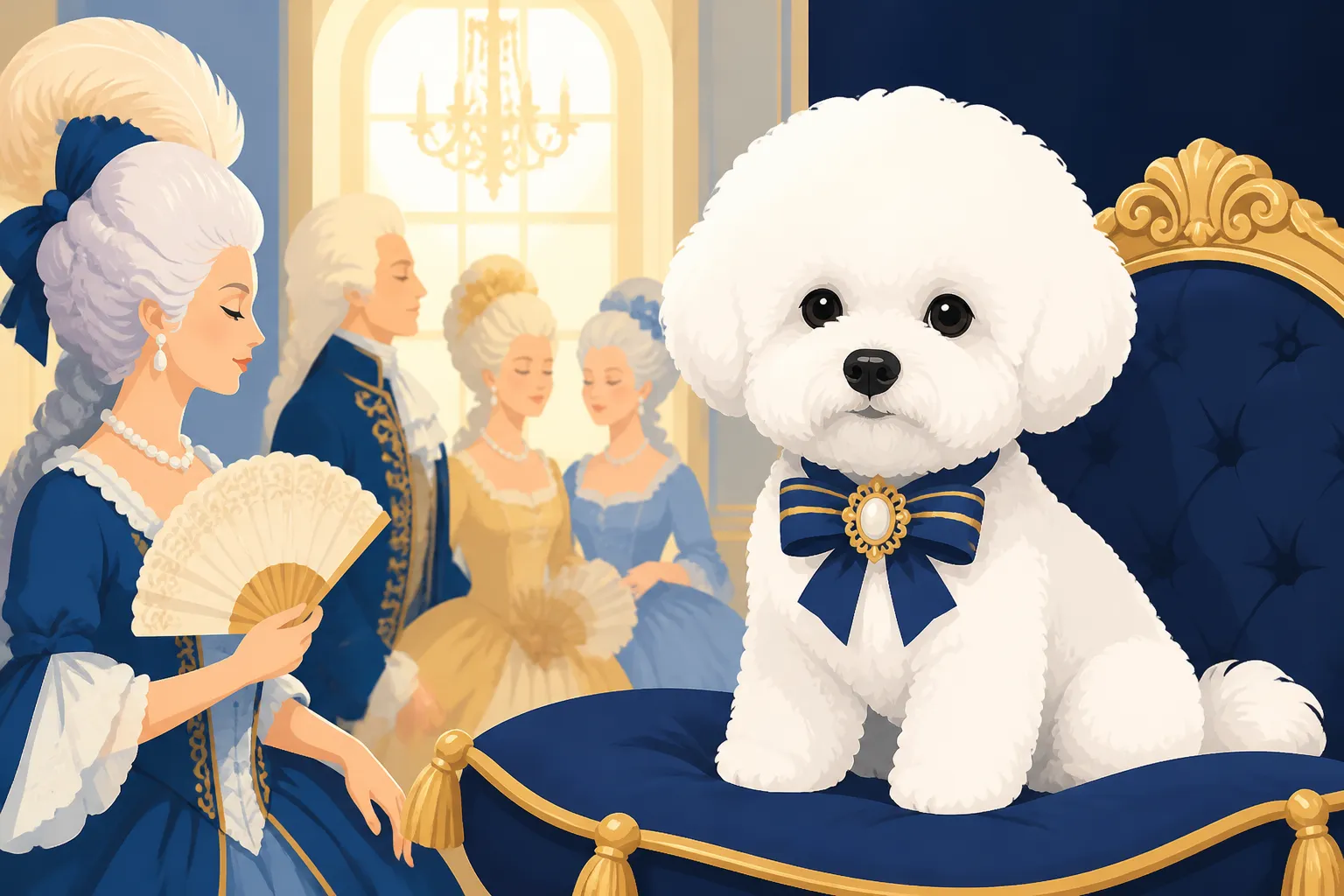
The French Court That Made the Bichon Frise Fashionable
It's easy to look at a fluffy, white Bichon Frise today and imagine them as pampered house pets, but their journey to our laps is far richer and more dramatic than many owners realize. The truth is, these charming little dogs have a history deeply intertwined with European royalty and aristocracy, experiencing both the heights of lavish court life and the lows of revolution, which profoundly shaped the merry, resilient companions we know and love. This guide will take you on a historical tour, unraveling how the French court transformed a modest sailor's dog into a fashionable icon and how those past experiences still echo in your Bichon's personality and needs today.
From Humble Beginnings to Royal Favor
Before they graced the gilded halls of French palaces, the ancestors of the Bichon Frise led a very different life, far from the opulent court scenes. Their story begins on the high seas and along the bustling trading routes of the Mediterranean. It's a journey that speaks volumes about their adaptability and inherent charm, even before they became the darlings of the aristocracy.
The "Tenerife Dog" Era
Imagine a small, bright-eyed dog, lively and robust, scampering across the deck of a sailing ship. This is likely how the early ancestors of the Bichon Frise spent their days. These dogs, often referred to as "Bichon types," are believed to have originated in the Mediterranean region, with specific links to the Canary Islands. They were known as the "Tenerife dog," a name that hints at their deep roots in this island chain. Sailors, traveling across the Mediterranean for trade, found these small, companionable dogs invaluable. They were excellent rodent catchers, keeping ships free of pests, and their cheerful dispositions made them beloved companions during long, arduous voyages. Their size made them easy to transport, and their resilient nature ensured they could adapt to various conditions, from a ship's rocking deck to a busy port city.
The constant movement of these seafaring merchants meant that these delightful little dogs spread rapidly throughout Europe. As they arrived in different ports, they caught the eye of various people, not just sailors. Their bright, intelligent eyes and playful demeanor were universally appealing. While their primary role might have been practical, their true talent lay in companionship. This period laid the groundwork for their eventual ascent, proving they possessed a charm that transcended social barriers, waiting for the right moment to capture the hearts of the elite. The Canary Island the Bichon Frise Is Named After gives more insight into their initial geographical origins.
Italian Nobility and the Early European Influence
It was Italian sailors, it's often believed, who truly introduced these "Tenerife dogs" to the European mainland, particularly to Italy. There, their delightful personalities and compact size quickly captivated the Italian nobility during the 13th and 14th centuries. These were times of flourishing art and culture, and a small, charming companion dog fit perfectly into the lifestyle of the aristocracy. They were seen as symbols of refinement and good taste, often featured in portraits alongside their noble owners, draped in silks and velvet, a stark contrast to their humble seafaring past. The Italian Renaissance courts truly appreciated the aesthetic appeal of these dogs – their soft, curly white coats and lively expressions were a perfect complement to the era's appreciation for beauty and elegance.
The popularity among Italian nobles paved the way for their spread to other European courts. As royal families intermarried and exchanged gifts, these charming dogs traveled across borders, making their way into the homes of Spanish and eventually, French aristocracy. The dog's name itself, "Bichon," is thought to be a diminutive of "Barbichon," a French word referring to a small long-haired dog, which further links them to the region. This early exposure to noble life began to solidify their identity as a dog of leisure and companionship, rather than just a working animal. This transition from ship to palace was a slow but steady process, driven by their undeniable appeal and ability to charm even the most discerning of patrons.
The Reign of the Bichon Frise in French Courts
The Bichon Frise truly found its stride and cemented its place in history within the elaborate and often extravagant courts of France. Here, it transitioned from merely a popular companion to a genuine fashion accessory, a status symbol, and a beloved confidante for some of the most powerful figures in European history. This was the breed's golden age, where their very presence signaled wealth, taste, and a certain joie de vivre.
Specific Monarchs and Their Affection
The peak of the Bichon Frise's aristocratic popularity arguably came during the French Renaissance, particularly under King Henry III (reigned 1574-1589). Legend has it that Henry III was so enamored with his Bichons that he would carry them in a basket slung around his neck wherever he went. This might sound eccentric to us now, but it speaks volumes about the affection these dogs commanded. Imagine a king conducting affairs of state, signing decrees, or holding audiences, all while a fluffy white dog peered out from a silk-lined basket! This royal endorsement quickly elevated the Bichon's status, making it highly desirable among the nobles and ladies of the court. Owning a Bichon Frise became a clear sign of following royal trends and being part of the inner circle. Which French Kings Kept Bichon Frises elaborates further on this fascinating period.
This royal patronage wasn't limited to one monarch. Throughout the 16th, 17th, and 18th centuries, the Bichon Frise remained a favored breed among the French aristocracy. They were seen as ideal companions for ladies of the court, fitting seamlessly into their luxurious lifestyles. Their small size meant they could be easily carried, making them perfect for accompanying their mistresses to social gatherings, musical performances, and even clandestine meetings. They were often depicted in famous paintings of the era by artists like Goya, further solidifying their image as aristocratic pets. Their gentle yet playful nature made them perfect for relieving the stresses of courtly intrigue and providing unconditional affection, a precious commodity in a world driven by political maneuvering.
The Dog's Role as a Companion and Status Symbol
In the French court, a Bichon Frise was far more than just a pet; it was an integral part of its owner's identity and social standing. These dogs were living, breathing accessories, chosen not just for their charming personalities but also for their aesthetic appeal. Their bright white coats contrasted beautifully with the rich, vibrant fabrics worn by the nobility, making them stand out in crowded ballrooms and drawing-rooms. Ladies would spend hours, or have their servants spend hours, grooming their Bichons, ensuring their coats were perfectly coiffed and pristine. This immaculate appearance further emphasized the owner's wealth and leisure time – only someone with ample resources could afford such a high-maintenance companion.
Moreover, the Bichon Frise provided genuine companionship in a world that could often be lonely and constrained by rigid etiquette. For many noblewomen, their Bichon was a confidante, a warm presence during solitary hours, and a playful distraction from the burdens of their position. They offered affection without judgment, a rare gift in the competitive environment of the court. Their playful antics and "merry temperament," as it would later be described in breed standards, brought joy and laughter into often-stuffy environments. They were small enough not to be intrusive but lively enough to be engaging, striking the perfect balance for a courtly companion. This dual role as both a fashionable accessory and a beloved pet made them indispensable.
Impact on the Breed's Name and Image
The time spent within the French courts also profoundly influenced the breed's name and its enduring image. The term "Bichon Frise" itself is French, meaning "curly lap dog" or "curly-haired dog." While "Bichon" might have come from "Barbichon" as a general descriptor for small, fluffy dogs, the "Frise" element specifically points to their distinctive curly coat, which was carefully maintained by their aristocratic owners. This name, given and popularized during their heyday in France, cemented their identity and distinguished them from other small breeds. What Bichon Frise Means in French dives deeper into the linguistic origins.
Beyond the name, the image of the Bichon Frise became synonymous with elegance, charm, and a certain playful sophistication. Portraits from the era consistently depict them as pampered pets, often adorned with ribbons or posed delicately. This iconography created a lasting perception of the breed as inherently aristocratic and refined. Even after their fall from grace, this image lingered, influencing how the breed was later perceived and eventually revived. The very essence of the Bichon Frise – its soft coat, dark expressive eyes, and cheerful disposition – became intertwined with the romance and grandeur of the French court, a legacy that continues to define the breed's appeal to this day. They were, in essence, bred to be beautiful, engaging, and utterly charming, traits that remain central to their character.
Life in the Lap of Luxury: The Bichon Frise Lifestyle
For centuries, a Bichon Frise residing in a French chateau or noble estate experienced a life of unparalleled pampering. Their existence was a far cry from the utilitarian roles of larger working dogs; these were creatures designed for comfort, companionship, and endless adoration. Their care reflected their elevated status, shaping many of the breed's characteristics we still recognize today.
Grooming and Care in a Royal Setting
Imagine the daily routine for a Bichon Frise living in a royal household. It wouldn't have been a simple brush and a walk around the grounds. These dogs were meticulously groomed, a reflection of their owner's status and the breed's signature white coat. Daily brushing, often performed by dedicated servants, was essential to prevent matting in their soft, curly fur. Keeping their pristine white coats clean was a constant endeavor, especially in an era before modern pet shampoos. Special soaps, powders, and even perfumes might have been used to ensure they remained spotless and fragrant, a perfect complement to their aristocratic owners. The Powder Puff Outline the Bichon Frise Standard Describes speaks to the importance of their appearance.
Beyond aesthetics, their comfort was paramount. They likely slept on plush cushions, were fed the choicest scraps from the kitchen – or perhaps even specially prepared meals – and were rarely left wanting. Exercise would have been gentle strolls through manicured gardens or being carried by their owners. The rigorous demands of hunting or guarding were not for them; their purpose was to be beautiful, charming, and ever-present. This intense focus on their appearance and comfort has left an indelible mark on the breed, highlighting their ongoing need for regular grooming and attention. Even today, a Bichon Frise needs consistent grooming to maintain their iconic look, something modern owners can find products for at retailers like Chewy.
Temperament and Suitability for Court Life
The temperament of the Bichon Frise was perfectly suited for its role in court. They were bred for companionship, meaning a gentle, affectionate, and adaptable nature was highly prized. A dog prone to aggression or excessive barking would have quickly fallen out of favor in the refined, often crowded, spaces of a palace. Instead, the Bichon Frise offered a delightful combination of liveliness and good manners. They were playful enough to entertain but not so boisterous as to be disruptive. Their cheerful disposition could lighten the mood, providing a welcome distraction from the often-tense political atmosphere.
Their intelligence also made them easy to train, albeit not for complex tasks. They were quick to pick up tricks and respond to their owners' cues, further endearing them to the nobility. The famous "Bichon Blitz" – those sudden bursts of energetic running and spinning – would have provided amusing spectacles in private chambers, a playful outlet for their innate joy. Their small size made them easy to manage, and their affectionate nature ensured a strong bond with their human companions. This blend of charm, intelligence, and manageable size meant they were ideally suited to be constantly at their owners' side, whether on a royal knee or nestled in a velvet cushion. Their happy-go-lucky attitude, often described as "merry," was truly a hallmark of their courtly existence.
The French Revolution: A Dramatic Turn of Fate
The lavish life of the Bichon Frise took an abrupt and terrifying turn with the advent of the French Revolution. This monumental upheaval didn't just transform the political landscape of France; it drastically altered the fortunes of its most pampered canine companions, sending them from the heights of luxury to the streets, fighting for survival.
The End of the Aristocracy and Its Impact
When the French Revolution exploded in 1789, it wasn't just kings and queens who lost their heads; the entire aristocratic class faced brutal persecution, imprisonment, or flight. For the Bichon Frise, whose very existence was intertwined with this elite segment of society, the consequences were devastating. Suddenly, their owners were either dead, exiled, or destitute, and their beloved pets, once symbols of extravagance, became a liability. The notion of keeping a pampered lapdog was antithetical to the revolutionary ideals of equality and austerity. Many Bichons were abandoned or simply left to fend for themselves on the streets of Paris and other major cities.
This period was a stark contrast to their previous existence. These dogs, accustomed to soft beds, fine food, and constant human attention, now faced hunger, danger, and exposure. Their delicate, flowing coats, once a point of pride, became matted and dirty. Survival became their primary concern, a skill they had never needed to learn in the lap of luxury. This drastic change highlights the breed's inherent resilience and adaptability, as many managed to survive and even thrive in this new, harsh environment. It's a testament to their spirit that they didn't disappear entirely during this tumultuous time. Whether the Bichon Frise Fell Out of Favor details this period of decline.
Survival Through New Roles
Against all odds, the Bichon Frise survived the Revolution by transforming its role from pampered pet to street performer. Their innate intelligence, charming demeanor, and eagerness to please, honed through centuries of companionship, now found a new purpose. They became integral to traveling entertainers – organ grinders, circus performers, and street artists. Their bright eyes, fluffy white coats (even if no longer perfectly groomed), and quick wits made them excellent performers. They learned tricks, danced, and captivated audiences for meager scraps of food and coins.
This shift was a remarkable demonstration of their enduring spirit. Instead of languishing, they adapted, using their natural charisma to earn their keep. They were small enough to travel easily, and their appealing looks and playful nature made them perfect for drawing a crowd. This period forged a deeper layer into the Bichon's personality – a certain independent resourcefulness combined with their inherent desire to interact and entertain. It’s a fascinating pivot from being a symbol of aristocratic excess to a symbol of resilient charm, a dog that could bring joy to the masses rather than just the elite. Whether Bichon Frises Worked With Organ Grinders provides more context on this resourceful period.
Reclaiming Royalty: The Breed's Modern Resurgence
The period of street performance and working alongside organ grinders was a vital bridge for the Bichon Frise, allowing the breed to survive a tumultuous era. However, it wasn't their final destination. The 19th and early 20th centuries saw a slow but steady re-appreciation of these charming dogs, eventually leading to their recognition and standardization as a beloved companion breed once more.
Transition to Street Performers and Circus Life
For decades following the Revolution, the Bichon Frise was predominantly found among performers. They honed their natural intelligence and agility, developing an extensive repertoire of tricks. Picture them: leaping through hoops, walking on their hind legs, or balancing objects on their noses – all done with that characteristic merry sparkle in their eyes. This era not only kept the breed alive but also reinforced their trainability and captivating charm. People who couldn't afford a royal pet could still enjoy the spectacle of a Bichon performance, appreciating their wit and agility. Whether Bichon Frises Performed in Circuses paints a vivid picture of this time.
This life, while certainly not luxurious, offered a unique bond between the dogs and their handlers. They relied on each other, and the Bichon's ability to engage and entertain became paramount. This formative period contributed to the breed's generally outgoing and confident nature, making them less prone to shyness and more eager to be the center of attention. It was a rugged yet defining chapter that proved their versatility, ensuring that their endearing qualities wouldn't be lost to history.
Breed Clubs and Standardization
As the political and social climate stabilized in France and Europe, a renewed interest in purebred dogs began to emerge. Towards the late 19th and early 20th centuries, enthusiasts recognized the unique charm and historical significance of the Bichon Frise. Efforts began to save the breed and standardize its characteristics. French and Belgian breeders, who had kept the bloodlines going even through the lean years, started working together. They focused on preserving the distinct "powder puff" appearance and the cheerful temperament that had made the breed so popular with royalty centuries prior.
The official recognition was a crucial step. In 1933, the breed standard was officially adopted by the Société Centrale Canine (the national kennel club of France). It was then that the name "Bichon à poil frisé" (Bichon with the curly coat) was established, eventually shortened to Bichon Frise. This formalization ensured that the breed's unique traits would be maintained for future generations. It marked their triumphant return from the streets to respected status, not just as pets, but as a recognized and cherished breed. How the Bichon Frise Was Rescued After the Wars explains how dedicated breeders worked to preserve them, and The Year the Bichon Frise Standard Was Written pinpoints this important milestone.
Global Recognition and Popularity
The 20th century saw the Bichon Frise's popularity spread beyond Europe. They arrived in the United States in the mid-20th century, quickly capturing the hearts of American dog lovers. The American Kennel Club (AKC) officially recognized the breed in 1971, allowing them to compete in dog shows and further increasing their visibility and appeal. Their cheerful disposition, compact size, and relatively low-shedding coat (making them popular among allergy sufferers) contributed to their rise as a beloved family pet.
Today, the Bichon Frise is celebrated worldwide, cherished for its historical charm and its consistently happy nature. They are no longer just dogs of kings or street performers; they are beloved companions in homes of all kinds. This global recognition is a testament to their enduring appeal and the hard work of those who preserved the breed through its most challenging times. You can find everything from food to toys for your modern Bichon Frise at retailers like Chewy, a far cry from the courtly kitchens and street corners of their past.
Beyond the Court: The Enduring Legacy of the Bichon Frise
The dramatic history of the Bichon Frise, from noble companion to street performer and back, has left an indelible mark on the breed. While we may focus on their courtly past, understanding their broader lineage and inherent traits gives us a fuller picture of these charming dogs.
Relationship to Other "Bichon" Breeds
The Bichon Frise belongs to a larger family of dogs known as the "Barbichon" or "Bichon type" dogs. These breeds share a common ancestry, believed to have originated in the Mediterranean region. This family includes other well-known and beloved breeds such as the Maltese, Bolognese, Havanese, and Coton de Tulear. All these breeds share certain characteristics: a small size, a fluffy white or light-colored coat, and a generally cheerful and affectionate temperament. This shared lineage speaks to a history of being companion dogs, developed specifically to charm and delight their human counterparts.
While each "Bichon" breed has evolved with its own distinct characteristics and origins in different regions (Maltese from Malta, Bolognese from Bologna, Italy, Havanese from Cuba), they all carry the genetic blueprint of devoted companions. The Bichon Frise, with its particularly curly coat and robust, merry disposition, stands out, but its family ties are unmistakable. Understanding this broader context helps to appreciate the long history of breeding for companionship and the unique traits that make each of these dogs so special. The Barbichon Family the Bichon Frise Belongs To offers a deeper dive into their shared heritage.
Modern Temperament and Characteristics Reflecting Its History
It’s truly remarkable how much of the Bichon Frise's history is reflected in its modern temperament and physical characteristics. That "merry temperament" championed in the French courts is still the hallmark of the breed today. They are typically joyful, outgoing, and eager to please, thriving on human interaction and affection. Their intelligence, honed by years of learning tricks as street performers, makes them highly trainable, albeit sometimes with a stubborn streak that adds to their charm.
Physically, their iconic powder puff coat remains a defining feature. While it requires consistent grooming, it's a direct legacy of their aristocratic past, where their pristine white appearance was a symbol of luxury. Their small, sturdy build, developed through centuries of travel and adaptability, ensures they are not overly fragile despite their dainty appearance. Even their natural curiosity and tendency to observe their surroundings, whether from a royal lap or a street corner, can be seen in their alert and engaging expressions. These aren't just pretty dogs; they are living testaments to a rich and varied past, embodying resilience, charm, and an unwavering capacity for joy.
Comparing with Other Breeds of Similar Type
When considering a Bichon Frise, it's often helpful to compare them to other breeds within the Barbichon family or similar toy breeds. While they share commonalities, each breed has its unique nuances that reflect its distinct history and development.
| Feature | Bichon Frise | Maltese | Havanese | Toy Poodle |
|---|---|---|---|---|
| Coat Type | Double coat, curly, powder-puff texture | Single coat, long, silky | Double coat, wavy, soft | Single coat, dense, curly |
| Primary Color | Always white (minor cream/buff allowed) | Always white | Wide variety of colors and markings | Solid colors (white, black, apricot, etc.) |
| Temperament | Merry, playful, confident, outgoing | Gentle, calm, charming, devoted | Outgoing, intelligent, sociable, clownish | Highly intelligent, active, elegant, eager to please |
| Grooming Needs | High (daily brushing, regular professional grooming for powder puff) | High (daily brushing, professional trims to prevent matting/stains) | Moderate to High (regular brushing, professional trims) | High (regular brushing, professional grooming) |
| Energy Level | Moderate to High | Moderate | Moderate to High | High |
| Historical Role | Court companion, street performer | Ancient lapdog, nobility | Cuban aristocracy, working companion | Water retriever, circus performer, noble |
As you can see, while all are wonderful companion dogs, the Bichon Frise's unique journey through the French courts and then the streets has given it a particular zest for life and a confident, engaging personality. Their need for regular grooming is a direct echo of their pampered aristocratic roots, ensuring their beautiful coat stays in top condition.
Preserving the Legacy: Responsible Ownership Today
Owning a Bichon Frise today means becoming a part of their fascinating ongoing story. Their needs and characteristics are deeply rooted in their historical journey, and responsible ownership involves understanding and respecting this rich heritage. It's about providing the care, attention, and lifestyle that honors their past while ensuring a happy, healthy future.
Maintaining the Iconic Coat
The pristine white, powder-puff coat is perhaps the most recognizable feature of a Bichon Frise, a direct legacy from their days in the French court. Maintaining this iconic look requires dedication. Daily brushing is absolutely essential to prevent mats and tangles, as their non-shedding coat continues to grow and trap loose hairs. Without regular brushing, their soft curls can quickly turn into uncomfortable felt. Beyond daily care, professional grooming every 4-6 weeks is typically necessary to maintain their signature rounded shape and keep them clean.
This high level of grooming isn't just for aesthetics; it's crucial for their health and comfort. Matting can lead to skin irritation, infections, and even restrict movement. Regular baths with appropriate shampoos help keep their white coats bright and address common Bichon issues like tear staining. Many owners invest in high-quality brushes and combs, and even specialized whitening shampoos, which can be found at pet supply stores like Chewy, to help keep their beloved companions looking their best.
Addressing Health Considerations
While generally a healthy breed, Bichon Frises, like many purebreds, are predisposed to certain health conditions. Understanding these can help owners be proactive in their care. Skin allergies are common, often presenting as itching, redness, and recurrent ear infections. This might be a subtle echo of their historical environment, where conditions might not have always been perfectly sterile. Regular veterinary check-ups are key to managing these conditions, sometimes requiring special diets or medications. What Atopic Dermatitis Does to a Bichon Frise offers more information on this.
Another significant concern for Bichons is the predisposition to bladder stones, particularly calcium oxalate stones. This is a condition that can be painful and, if left untreated, life-threatening. The meticulous care of their urinary health, including specific prescription diets and encouraging water intake, becomes paramount for many Bichon owners. The importance of monitoring urine output and annual vet checks is critical to catching potential issues early. Why a Bichon Frise Forms Stones Twenty Times as Often is a vital read for any owner concerned about this.
Embracing Their Temperament and Training Needs
The merry, confident, and intelligent temperament of the Bichon Frise makes them wonderful companions, but it also means they thrive on interaction and mental stimulation. They are not content to be left alone for long periods; their historical role as constant companions means they genuinely crave human company. Early socialization and consistent positive reinforcement training are crucial. Their intelligence, refined during their street performing days, means they pick up commands quickly, but they can also be prone to stubbornness if not motivated.
Housetraining, for example, can sometimes be a challenge, a trait that some believe links back to their pampered courtly past where perhaps accidents were simply cleaned up without much fuss. Patience and a consistent routine are vital for success. Engaging them in play, short training sessions, and providing appropriate toys, easily found on platforms like Chewy, will keep their minds sharp and their spirits high. A well-adjusted Bichon Frise is a testament to an owner who understands and embraces the unique blend of their aristocratic grace and their resilient, playful heart.
Disclaimer
This article is for general informational purposes only and does not constitute professional advice. Laws, prices and regulations vary by location and change over time. Consult a qualified professional for guidance on your specific situation.