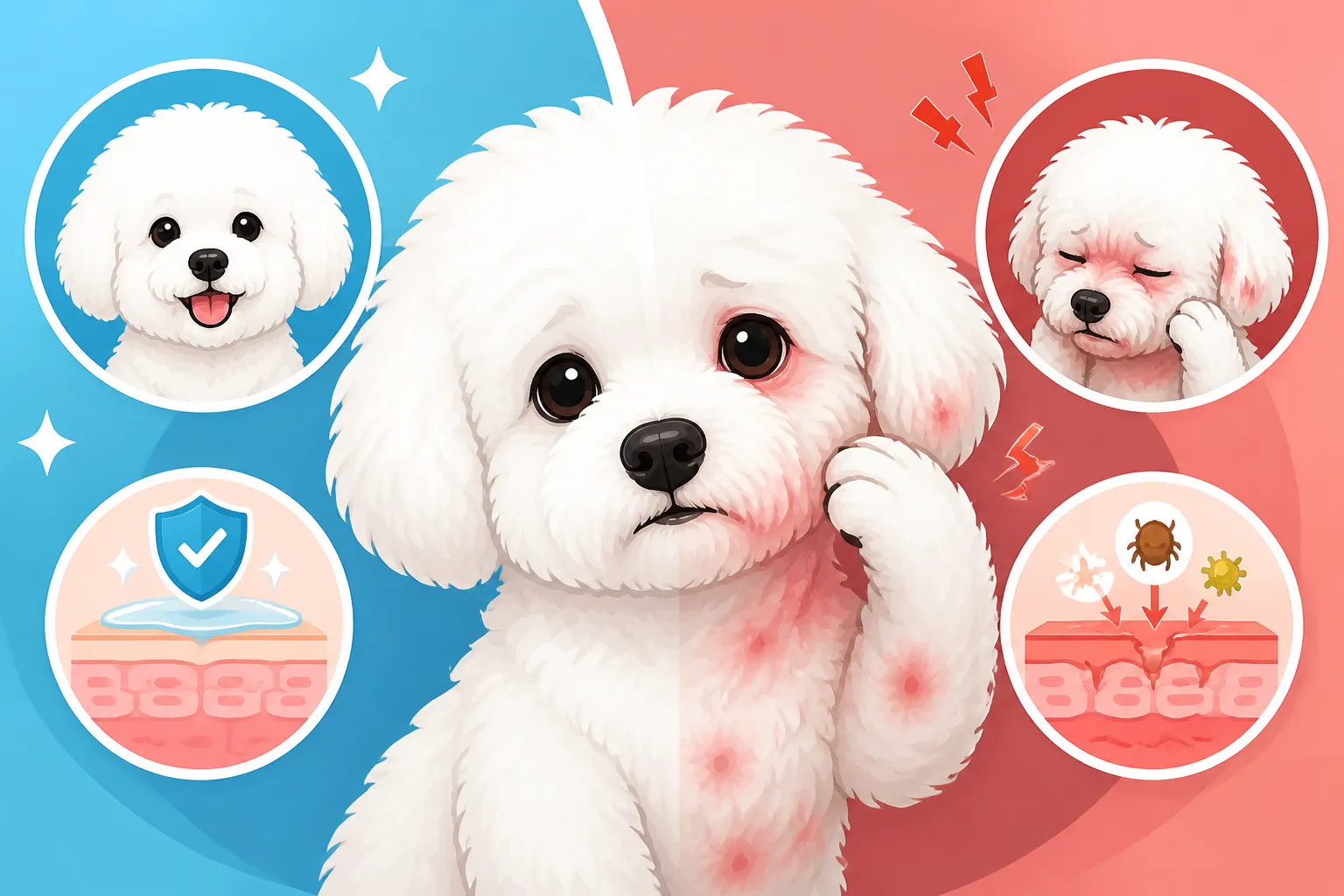
What Atopic Dermatitis Does to a Bichon Frise
It's incredibly frustrating and heartbreaking to watch your fluffy, white Bichon Frise constantly scratching, licking, and gnawing at their skin, turning their once pristine coat into an irritated mess. This persistent itching and discomfort is often a hallmark of atopic dermatitis, a common and chronic allergic skin condition that affects many Bichon Frises, making their lives and yours a constant battle against the itch. This guide aims to shed light on what atopic dermatitis truly means for your beloved companion, detailing its causes, symptoms, and the deep impact it has on their daily well-being.
Understanding Atopic Dermatitis in Bichon Frises
When your Bichon Frise can't stop scratching, it's not just a bad habit; it's often a sign of an underlying issue, and for many, that issue is atopic dermatitis. It's a condition that can be truly perplexing for owners, as it seems to come and go, or sometimes, never truly goes away.
What is Canine Atopy?
Canine atopic dermatitis is essentially an inherited predisposition to develop allergic symptoms following exposure to common, otherwise harmless substances in the environment. Think of it like hay fever or seasonal allergies in people, but instead of runny noses and watery eyes, dogs primarily manifest their allergies through their skin. Their immune system overreacts to things like pollen from trees, grasses, and weeds, dust mites hiding in our homes, or even mold spores. This overreaction triggers an inflammatory response in the skin, leading to that hallmark, relentless itch. It's not something your dog "catches"; it's something they are genetically prone to, meaning they're born with a skin barrier that isn't quite as robust as it should be, making them more susceptible to these environmental invaders. This leaky skin barrier allows allergens to penetrate more easily, setting off that immune cascade. For a more in-depth look at this inherited susceptibility, you might want to explore topics like The Atopic Skin a Bichon Frise Is Born With.
Why Bichon Frises Are Predisposed
While any dog breed can develop environmental allergies, some breeds, including our cheerful Bichon Frises, are disproportionately affected. This isn't just bad luck; it's due to specific genetic factors that make them more prone to developing atopy. Studies have shown that Bichons have a genetic predisposition that makes their immune systems more reactive and their skin barrier function weaker. This means they are higher on the risk list compared to many other breeds. It’s not uncommon for these sensitivities to emerge early in life, sometimes even before their first birthday, making puppyhood a challenging time for both the dog and their owner. This breed-specific vulnerability can be a tough pill to swallow for owners who often feel like they're doing everything right, only to have their pup constantly battling skin issues. Understanding this genetic link is crucial because it helps set realistic expectations for management, knowing that you're dealing with an inherent trait rather than a simple infection that can be cured and forgotten.
The Visible Signs and Symptoms of Atopic Dermatitis
Observing a Bichon Frise suffering from atopic dermatitis can be quite distressing. Their once playful demeanor might be overshadowed by constant scratching and discomfort. The signs aren't always immediately obvious to an untrained eye, but once you know what to look for, they become clear indicators that something is amiss.
The Persistent Itch and Its Location
The absolute cornerstone symptom of atopic dermatitis in a Bichon Frise is intense pruritus, which is just a fancy word for itching. This isn't a casual scratch every now and then; it's often a frenzied, relentless need to relieve discomfort. You'll see your Bichon vigorously scratching with their back legs, particularly at their ears and face. They might rub their face along the carpet, furniture, or even your leg, desperate for relief. Paw licking and chewing are also incredibly common, often turning their white paws a tell-tale reddish-brown from saliva staining. Owners often report seeing their dogs gnaw at their front paws until they're raw and irritated, or spend seemingly endless minutes focused on one paw.
Beyond the face and paws, other common areas affected include the armpits, groin, belly, and around the tail. These are areas where skin folds can trap moisture and allergens, exacerbating the irritation. It's a vicious cycle: the itch leads to scratching, which further damages the skin barrier, allowing more allergens in and intensifying the itch. It can be particularly challenging when you're trying to figure out Whether a Bichon Frise's Itching Is Food or Pollen, as the symptoms can overlap.
Skin Changes You Can See and Feel
Beyond the act of itching itself, atopic dermatitis brings a cascade of visible and palpable changes to your Bichon Frise's skin. Initially, you might just notice redness or erythema in the affected areas – a pinkish or reddish tint where the skin should be its natural pale color. This is the acute stage of inflammation. Over time, with chronic scratching, licking, and rubbing, the skin can undergo more significant transformations. You might start to feel that the skin in these areas is thicker, almost like leather; this is called lichenification, and it's a direct result of the continuous trauma to the skin.
Furthermore, the skin can become hyperpigmented, meaning it darkens, often turning a greyish or blackish color. This is another chronic change, often seen in areas like the belly, armpits, or inner thighs. Because the skin barrier is compromised, secondary infections are incredibly common. You might notice pustules (small pus-filled bumps), crusts, or a greasy feel to the skin. Often, a distinct, yeasty odor accompanies these infections, particularly in the ears or between the paw pads. This happens when the normal bacteria and yeast on the skin, like Malassezia, take advantage of the damaged barrier and proliferate, causing even more itching and discomfort. It's a difficult situation that often requires specific medical intervention beyond just addressing the allergy itself. When you see your Bichon Frise's skin go pink or develop a greasy feel, it’s a clear signal that the condition is worsening and needs attention.
The Impact of Atopic Dermatitis on a Bichon's Quality of Life
Atopic dermatitis isn't just a superficial skin problem; it profoundly impacts every aspect of a Bichon Frise's life, from their physical comfort to their emotional well-being. Owners often feel helpless as they witness their normally joyful companions struggling daily.
Chronic Discomfort and Behavioral Changes
Imagine living with a constant, maddening itch that you can never truly relieve. That's the reality for many Bichon Frises with uncontrolled atopic dermatitis. This chronic discomfort isn't just irritating; it's exhausting. Dogs might become restless, unable to settle down for a nap, constantly shifting, licking, or scratching. Sleep can be severely disrupted, not just for the dog, but for their owners too, who often wake to the sounds of frantic chewing or scratching in the middle of the night.
Beyond the immediate physical signs, you might notice significant behavioral shifts. A normally outgoing and playful Bichon might become withdrawn, irritable, or even snap if touched in a sensitive, itchy area. Their focus becomes entirely consumed by the need to scratch, leading to obsessive licking of paws, rubbing their face against anything nearby, or frantic ear scratching. This obsessive self-grooming can unfortunately lead to self-mutilation, with dogs creating open sores, hot spots, and further infections, which only deepen the cycle of discomfort. It's a heart-wrenching sight, and it makes you realize that their temperament can change when they are in constant pain.
The Cycle of Infection and Treatment
One of the most insidious aspects of atopic dermatitis is how it often leads to recurrent secondary infections. The compromised skin barrier, coupled with the self-trauma from scratching and licking, creates a perfect breeding ground for bacteria (like Staphylococcus) and yeast (like Malassezia). These organisms, normally present on the skin in small numbers, rapidly multiply when the skin is inflamed and damaged. This is when you might notice pus, crusts, a strong unpleasant odor, or even visible lesions. These infections add another layer of intense itching and pain, often making the original allergic condition seem even worse.
Treating these secondary infections requires a trip to the vet, often involving courses of antibiotics or antifungal medications, sometimes for several weeks. While these medications can clear up the infection, they don't address the underlying allergic cause. So, as soon as the treatment stops, if the atopy isn't managed, the skin barrier remains weak, and the cycle often begins anew. This can lead to a never-ending series of vet visits, tests, and medication changes, which can be financially draining and emotionally exhausting for owners. Many pet parents find great comfort in knowing that providers like Healthy Paws pet insurance can help cover the costs of these recurring issues, allowing them to focus on their pet's health rather than the financial strain. For Bichons, managing these flare-ups and infections can become a lifelong commitment, and you might find yourself needing to look into ways of Managing a Bichon Frise's Skin Without Steroids to reduce dependence on certain medications.
Common Triggers and How They Affect Your Bichon
Identifying the specific triggers for your Bichon Frise's atopic dermatitis can feel like a detective mission. It's rarely one single thing, and often a combination of environmental factors and sometimes, food sensitivities. Knowing what sets off their allergies is the first step towards effective management.
Environmental Allergens
Just like people with seasonal allergies, Bichon Frises with atopic dermatitis are often reactive to common environmental allergens. The most frequent culprits include:
- Pollen: This is a big one. Pollen from trees, grasses, and weeds can cause seasonal flare-ups. You might notice your Bichon's itching worsens during spring, summer, or fall, depending on what plants are pollinating in your area. They pick up pollen on their fur and paws during walks, and it can also float into your home. A good example is a Bichon who spends time romping in a grassy park; they might come home with red, itchy paws and a tendency to chew at them incessantly.
- Dust Mites: These microscopic creatures thrive indoors, particularly in bedding, carpets, and upholstered furniture. For Bichons allergic to dust mites, their symptoms might be year-round, or worse during colder months when they spend more time indoors and windows are closed, concentrating allergens. You might find them rubbing their face on carpets more often, or showing signs of itching even when pollen counts are low.
- Molds: Both indoor and outdoor molds can trigger allergic reactions. Damp basements, bathrooms, or even accumulated leaves outdoors can harbor mold spores. If your Bichon's allergies seem worse in humid conditions or after rain, mold could be a factor.
It's not always straightforward to pinpoint a single environmental trigger, as many dogs react to a combination. This makes understanding Whether a Bichon Frise's Itching Is Food or Pollen a complex puzzle, as environmental and dietary factors can both contribute to symptoms.
Food Allergies Versus Atopy
This is where things can get a bit confusing for many Bichon Frise owners. The symptoms of food allergies can look incredibly similar to those of atopic dermatitis: intense itching, skin redness, ear infections, and paw chewing. However, there's a key difference. Food allergies are a reaction to specific protein sources in their diet, whereas atopy is a reaction to environmental allergens. While atopy is far more common, some Bichons can suffer from both, or primarily from a food allergy.
If your Bichon Frise is experiencing year-round itching that doesn't seem to respond well to typical allergy management for environmental allergens, or if they also have gastrointestinal upset like vomiting or diarrhea, a food allergy might be a possibility. The only definitive way to diagnose a food allergy is through an elimination diet trial. This involves feeding your Bichon a novel protein and carbohydrate diet (one they've never eaten before) or a hydrolyzed protein diet for 8-12 weeks, with absolutely no other treats or foods. If symptoms resolve on the special diet and then return when the old food is reintroduced, a food allergy is likely. It's a rigorous process, but it's the gold standard for diagnosis. Without proper differentiation, you might be endlessly chasing environmental triggers when the real culprit is sitting in their food bowl. In such cases, a detailed discussion with your vet is vital to rule out or confirm the role of diet.
Long-Term Outlook and Management Strategies
Coming to terms with a chronic condition like atopic dermatitis can be challenging, but with the right approach and a dedicated commitment, your Bichon Frise can live a comfortable, happy life. There's no magic bullet, but rather a multi-faceted strategy that evolves over time.
Living with a Chronic Condition
One of the hardest realities for owners to accept is that atopic dermatitis, much like human allergies, is a chronic condition. There isn't a "cure" in the sense that you can eliminate it forever. Instead, the goal is to manage the symptoms, reduce the frequency and severity of flare-ups, and ultimately improve your Bichon's quality of life. This means that management is an ongoing journey, not a one-time fix. There will be good days and bad days, and sometimes, despite your best efforts, your Bichon may still experience an itch attack or a secondary infection.
Embracing this reality can actually be empowering, as it shifts the focus from finding an elusive cure to implementing effective, sustainable management strategies. It also means you need to be prepared for continuous care, which can include regular vet visits, ongoing medication, and diligent home care. This ongoing commitment is something to be aware of when considering the overall cost, as things like What Allergy Medication Costs a Bichon Frise Owner can add up over time. Many owners find peace of mind with pet insurance plans, like those from Healthy Paws, which can help mitigate the financial burden of managing a chronic condition over their dog's lifespan, ensuring they can always afford the best care for their beloved pet.
The Importance of a Multi-Modal Approach
Effective management of atopic dermatitis rarely relies on a single solution. Instead, a multi-modal approach, combining several strategies, is typically the most successful. Your veterinarian will work with you to tailor a plan specifically for your Bichon Frise, but it often includes:
- Medication: This is often the cornerstone of controlling the itch and inflammation.
- Anti-itch medications: Drugs like oclacitinib (Apoquel) or lokivetmab (Cytopoint) can quickly and effectively reduce itching, breaking the scratch-itch cycle.
- Corticosteroids: While effective, these are generally reserved for short-term use during severe flare-ups due to potential long-term side effects. Many owners strive for solutions that minimize steroid use.
- Immunosuppressants: Cyclosporine (Atopica) can be used for long-term management to modulate the immune response.
- Antibiotics/Antifungals: Crucial for treating secondary bacterial or yeast infections that commonly occur.
- Environmental Control: Minimizing exposure to known allergens can significantly reduce symptoms. This might mean:
- Regular vacuuming with a HEPA filter, especially if dust mites are a trigger.
- Washing your Bichon's bedding frequently in hot water.
- Using air purifiers in your home.
- Wiping down your Bichon's paws and coat with a damp cloth or pet wipes after outdoor excursions to remove pollen. This is especially important for areas like their paws, and learning Whether a Bichon Frise's Paws Need Rinsing regularly can make a big difference.
- Topical Therapies: These play a huge supportive role.
- Medicated shampoos and conditioners: Formulated with ingredients like chlorhexidine for bacterial infections, miconazole for yeast infections, or soothing oatmeal and ceramides for barrier repair. Finding Which Shampoo Suits an Itchy Bichon Frise is key.
- Wipes and sprays: For quick clean-ups and localized treatment of hot spots or irritated areas.
- Dietary Support:
- While not a primary treatment for environmental atopy, diets rich in omega-3 fatty acids can support skin barrier health and reduce inflammation.
- If a food allergy is suspected, a prescription hydrolyzed or novel protein diet is essential.
- Allergy Testing and Immunotherapy: For dogs with persistent, severe atopy, allergy testing (blood test or intradermal skin test) can identify specific allergens. Based on these results, allergen-specific immunotherapy (ASIT), often given as injections or oral drops, can desensitize your Bichon to their triggers over time, significantly reducing their reliance on other medications. This holistic approach, often managed in close collaboration with your veterinarian and potentially a veterinary dermatologist, is your best bet for giving your Bichon Frise the comfortable life they deserve. Remember that pet insurance can be a fantastic resource here; for instance, a reliable provider like Healthy Paws can cover the ongoing costs associated with a dermatologist referral and the specialized treatments involved in immunotherapy. You might also want to learn about Recurrent Ear Infections in a Bichon Frise as they are frequently linked to atopy.
| Symptom Category | Common Manifestations in Bichon Frises | Primary Locations |
|---|---|---|
| Itching | Persistent scratching, licking, chewing, rubbing | Paws, ears, face, armpits, groin, belly, base of tail |
| Skin Changes | Redness (erythema), inflammation, flaky skin, pustules, crusts | Anywhere, often visible in less haired areas |
| Chronic Skin Changes | Thickened skin (lichenification), darkened skin (hyperpigmentation), hair loss (alopecia) | Armpits, groin, belly, inner thighs, chronically licked paws |
| Infections | Greasy skin, unpleasant "yeasty" odor, recurrent ear infections, hot spots | Ears (inner pinna), paw pads, skin folds |
| Behavioral | Restlessness, anxiety, reduced playfulness, irritability, excessive self-grooming | General demeanor, focus on problem areas |
Disclaimer
The information provided in this guide is intended for educational purposes only and should not be considered a substitute for professional veterinary advice, diagnosis, or treatment. Always consult with a qualified veterinarian regarding any health concerns or before making any decisions about your pet's medical care.