Recurrent Ear Infections in a Bichon Frise
If you're a Bichon Frise parent, you've likely experienced the relentless frustration of recurrent ear infections. It’s a common complaint, marked by constant head shaking, scratching, and that unmistakable yeasty smell that can make you feel like you're fighting a losing battle. This comprehensive guide is here to shed light on why your fluffy companion seems to be caught in this endless cycle, how to recognize the subtle signs, and most importantly, how to work with your vet to finally achieve some peace and lasting comfort for your beloved dog.
The Unending Cycle of Ear Infections in Bichon Frises
It’s disheartening to watch your sweet Bichon constantly bothered by itchy, painful ears. You clean them, you treat them, and yet, a few weeks or months later, the scratching starts all over again. It feels like an uphill battle, and you're not imagining things – Bichon Frises genuinely face unique challenges when it comes to ear health. Understanding these predispositions is the first step toward breaking the cycle.
Why Bichons Are Uniquely Prone
Bichon Frises, with their charming looks and bouncy personalities, often come with a built-in vulnerability to ear problems. Their ear canals are just like any other dog's, but a few breed-specific traits conspire to make them a perfect breeding ground for trouble. Firstly, their floppy, dropped ears cover the ear canal, limiting airflow. This creates a warm, moist, dark environment – an ideal incubator for bacteria and yeast to thrive. It’s a structural issue that no amount of diligent cleaning can entirely overcome on its own, making prevention an ongoing effort rather than a quick fix.
Secondly, and perhaps more significantly for Bichons, is the sheer amount of hair they grow. That beautiful, curly white coat extends right into the ear canal. This dense growth traps debris, moisture, and wax, effectively creating a dam that prevents the ear from naturally cleaning itself. It also makes it incredibly difficult for ear cleaning solutions or medications to penetrate effectively when an infection takes hold. This isn't just a cosmetic problem; it's a significant health hazard that requires consistent, informed management.
Recognizing the Early Warning Signs
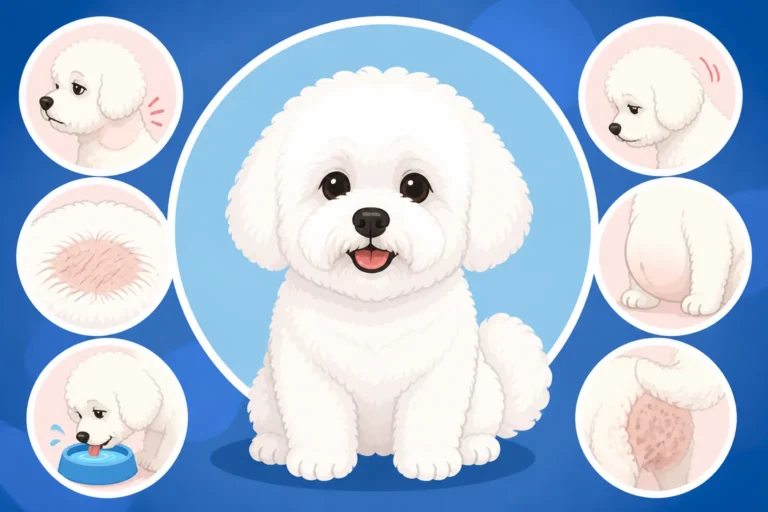
Many owners only notice an ear infection when it's already quite advanced, characterized by obvious scratching, a strong odor, or visible discharge. However, Bichons, being resilient little dogs, can often mask their discomfort until it becomes unbearable. Learning to spot the subtle, early warning signs can make a huge difference in managing these issues before they escalate into something more serious and painful. It's about becoming an expert observer of your own dog's unique behaviors.
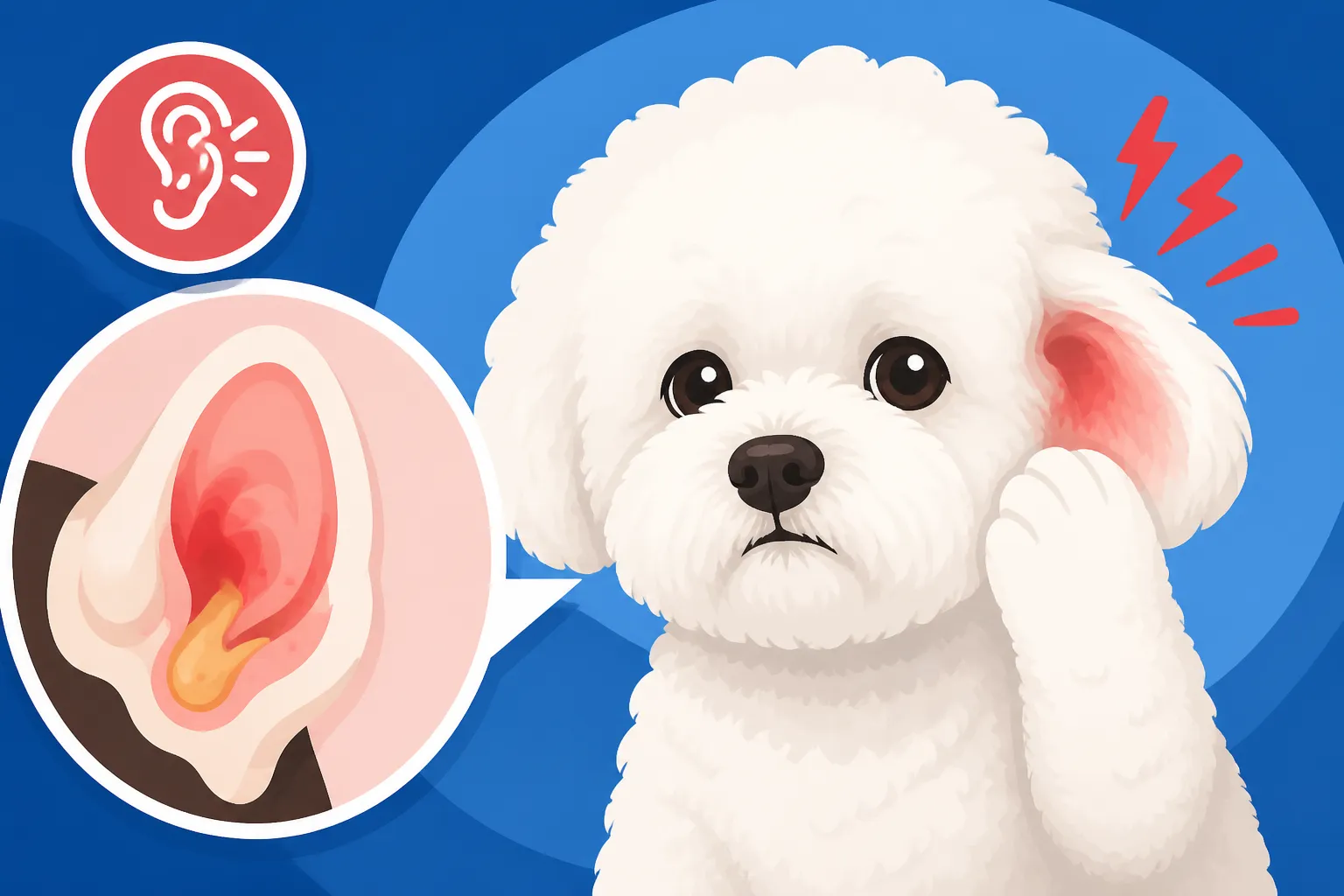
Keep a close eye on behavioral changes. Is your Bichon shaking their head more frequently than usual, even if it's just a subtle flick? Are they rubbing their ear along the carpet or furniture? Do they seem reluctant when you try to pet their head, especially near their ears? Even a slight tilt of the head, or appearing a little "off-balance," can be an indicator. Sometimes, the only sign is a brief, intense scratching session, or a quiet whimper when they accidentally bump their ear. Remember, the earlier you catch it, the easier and less invasive the treatment tends to be.
Visually, you might notice the inside of their ear flap or ear canal appearing redder than usual. There might be some waxy buildup, which can range from dark brown to yellowish, often accompanied by a distinct, sweet, or musty smell – often described as "yeasty." Don't wait for pus or a truly foul odor; by then, the infection is likely well-established and causing significant discomfort. Checking your Bichon's ears routinely, perhaps during your daily grooming session, can help you establish what "normal" looks and smells like for your dog, making any deviation more apparent.
Understanding the Frustration of Recurrence
The cyclical nature of ear infections is incredibly frustrating for dog parents. You follow all the vet's instructions, administer the medication religiously, and see improvement, only for the problem to resurface weeks or months later. This recurrence isn't typically a sign of inadequate treatment or poor hygiene on your part; it often points to an underlying cause that hasn't been fully identified or managed. It's like patching a leaky roof without ever finding the source of the leak – the problem will just keep coming back.
The key to breaking this cycle lies in a thorough investigation of those underlying factors. Without addressing the root cause, whether it's allergies, excessive moisture, or even a foreign body, any treatment will only provide temporary relief. This is where patience and persistence, often in collaboration with your veterinarian, become paramount. It might involve a deeper dive into their health history, dietary changes, or even environmental adjustments to truly get to the bottom of why your Bichon's ears are so susceptible. This journey can feel daunting, and understanding Whether a Bichon Frise's Ears Need Treating Constantly can offer some perspective on the commitment required.
Unmasking the Root Causes of Bichon Ear Trouble
Treating an ear infection is one thing, but preventing its return requires understanding why it happened in the first place. For Bichon Frises, the reasons are often multifactorial, meaning several elements typically contribute to the problem. It's rarely just one isolated issue, and uncovering these layers is crucial for long-term success.
The Overlooked Culprit: Allergies
If your Bichon Frise is experiencing recurrent ear infections, allergies are almost always a primary suspect. Just like people, dogs can suffer from environmental allergies (atopy) or food sensitivities. When a Bichon has an allergic reaction, their immune system goes into overdrive, often manifesting as inflammation in the skin – and the skin lining the ear canal is no exception. This inflammation leads to increased warmth, swelling, and a change in the ear canal's microenvironment, making it ripe for secondary yeast and bacterial infections. It's a chain reaction: allergies lead to inflammation, inflammation leads to infection.
Environmental allergens, such as pollen, dust mites, or mold, are incredibly common. These can cause seasonal flare-ups or year-round irritation, depending on what your Bichon is sensitive to. You might notice other signs of allergies too, like paw licking, skin itching, or rubbing their face. For a deeper understanding of this connection, exploring What Atopic Dermatitis Does to a Bichon Frise can be incredibly insightful. Food allergies or sensitivities, though less common than environmental allergies, can also trigger chronic ear issues. Certain protein sources like chicken, beef, or dairy are frequent culprits. Identifying these can be a long process, often involving an elimination diet with novel proteins or hydrolyzed diets.
Environmental Factors and Lifestyle Habits
Beyond allergies, various everyday factors can contribute to your Bichon’s ear woes. Moisture, for instance, is a huge offender. If your Bichon loves to swim, gets frequent baths, or simply lives in a humid climate, water can easily get trapped in their floppy ears. This creates the perfect breeding ground for bacteria and yeast. Even a simple grooming session that doesn't fully dry the ear canals can be enough to set off an infection. It's not about avoiding water entirely, but about being exceptionally diligent in drying.
Certain lifestyle habits can also unknowingly exacerbate the problem. Over-cleaning or using harsh ear cleaners can irritate the delicate skin of the ear canal, stripping it of its natural protective barriers and making it more susceptible to infection. Conversely, not cleaning enough can allow wax and debris to build up, creating a plug that traps moisture and pathogens. Finding the right balance is key, and it often means working with your vet to determine the appropriate cleaning frequency and product. Your vet might also discuss Whether a Bichon Frise's Itching Is Food or Pollen to help pinpoint specific triggers.
The Role of Anatomy and Ear Hair
As mentioned earlier, the Bichon Frise’s ear anatomy is a significant contributing factor. Their adorable dropped ears, while certainly part of their charm, act like little seals over the ear canal, blocking air circulation. This reduced airflow elevates temperature and humidity within the ear, making it an inviting place for microbes. There’s not much we can do to change the shape of their ears, but understanding this anatomical predisposition underscores the importance of proactive management.
The thick, curly hair that grows within a Bichon’s ear canal compounds this issue. This hair can trap wax, debris, and moisture, preventing it from naturally exiting the ear. It also creates a barrier that makes it difficult for topical medications to reach the site of an infection and for cleaning solutions to work effectively. Many vets and groomers recommend carefully plucking some of this ear hair, though this practice is sometimes debated. It's a delicate balance: while plucking can improve air circulation and allow better penetration of medications, if done incorrectly or too aggressively, it can cause micro-trauma and inflammation, actually increasing the risk of infection. Discussing Whether a Bichon Frise's Ear Hair Should Be Plucked with your veterinarian or a professional groomer experienced with Bichons is crucial to determine the best approach for your individual dog.
Navigating Diagnosis and Effective Treatment
When your Bichon is shaking their head and scratching at their ears, it’s clear something is wrong. But what exactly is going on in there? Self-diagnosing and trying over-the-counter remedies without a veterinary consultation can often make the problem worse or delay proper treatment, leading to chronic issues. A professional diagnosis is paramount to breaking the cycle of recurrence.
What to Expect at the Vet: Beyond a Quick Look
When you bring your Bichon Frise to the vet with ear concerns, a thorough examination is essential. It goes beyond just peering into the ear canal. Your veterinarian will likely start with an otoscopic examination, using a special tool to visualize the ear canal and eardrum. This helps them identify any foreign bodies, tumors, excessive wax, inflammation, or damage to the eardrum. They’ll also check for discharge, its color, consistency, and smell, which can give clues about the type of infection present.
Crucially, your vet will almost certainly perform cytology. This involves taking a swab of the ear discharge, spreading it on a microscope slide, staining it, and examining it under a microscope. This simple yet powerful test allows them to identify whether the infection is caused by bacteria, yeast, or both, and even gives an indication of the specific type of bacteria. This information is vital because different types of infections require different medications. Guessing can lead to ineffective treatment and further resistance. In cases of persistent or severe infections, a culture and sensitivity test might be recommended, especially if initial treatments haven't worked. This test identifies the exact bacteria present and determines which antibiotics will be most effective against them. It’s an investment in getting the right treatment from the start.
Targeting the Infection: Medications and Cleaning Protocols
Once the type of infection is identified, your vet will prescribe specific medications. For yeast infections, anti-fungal ear drops or ointments are typically used. For bacterial infections, antibiotic ear drops or oral antibiotics might be necessary. It’s absolutely critical to follow the medication instructions precisely, completing the full course even if your Bichon's ears seem to be improving. Stopping early is a common reason for recurrence and can lead to antibiotic resistance, making future infections even harder to treat.
Alongside medication, proper ear cleaning is a cornerstone of effective treatment and prevention. Your vet will recommend a specific ear cleaner, usually one that is gentle and non-irritating, and show you the correct technique for cleaning your Bichon’s ears. This generally involves filling the ear canal with the cleaning solution, gently massaging the base of the ear to break up debris, and then allowing your dog to shake their head before wiping away excess solution and debris with a soft cotton ball or gauze. Never use cotton swabs deep in the ear canal, as this can push debris further in and potentially damage the eardrum. Consistent and correct ear cleaning helps remove exudates, reduces microbial load, and allows topical medications to penetrate better.
When Standard Treatments Fall Short
It can be incredibly disheartening when you've followed all the instructions, spent the money on medications, and your Bichon’s ear issues simply don’t resolve, or worse, come back even quicker. If standard treatments aren't working, it’s a clear signal that there’s more to the story. This is when your vet will likely want to re-evaluate, often delving deeper into the diagnostic process or considering other underlying conditions.
They might suggest re-cytology to ensure the infection isn't resistant to the current medication, or as mentioned, perform a culture and sensitivity test. They'll also thoroughly review your Bichon’s entire health history, looking for any other subtle clues that might point to a systemic issue. This could include a detailed discussion about diet, other allergy symptoms, or even checking for foreign bodies that might have been missed in an earlier exam. Sometimes, a persistent infection indicates a need for stronger oral medications or even a referral to a veterinary dermatologist for specialized allergy testing and management. Having pet insurance, like a plan from Healthy Paws, can certainly make these deeper dives and specialist consultations more manageable financially, as the costs associated with chronic issues can add up quickly.
Proactive Strategies for Long-Term Ear Health
Breaking the cycle of recurrent ear infections in your Bichon Frise means shifting from reactive treatment to proactive prevention. This long-term commitment often involves a combination of consistent home care, dietary adjustments, and sometimes, specialized veterinary interventions. It’s about creating an environment where infections struggle to take hold.
Establishing a Consistent Home Care Routine
A regular ear care routine is your first line of defense against recurring infections. This doesn't necessarily mean daily cleaning for every Bichon, but it does mean establishing a schedule that works for your dog's specific needs, often determined in consultation with your vet. For many Bichons prone to issues, a weekly or bi-weekly ear cleaning session with a veterinary-approved solution can be highly effective. The goal is to gently remove wax and debris before it can accumulate and trap moisture, without irritating the delicate skin.
The key to success with home care is consistency and proper technique. Make it a positive experience for your Bichon with plenty of praise and treats. Start slowly, getting them comfortable with their ears being handled. Learning How Often a Bichon Frise's Ears Should Be Cleaned is crucial, as too much or too little can both be detrimental. Always ensure the ear canal is thoroughly dried after cleaning, especially if your Bichon has floppy ears. A soft cotton ball can be used to gently wick away moisture from the outer parts of the canal, but avoid pushing anything deep inside.
The Critical Link Between Diet and Ear Infections
For many Bichon Frises, diet plays a far more significant role in ear health than many owners realize, especially if allergies are the underlying cause. If your vet suspects food sensitivities, they might recommend a strict elimination diet. This involves feeding a novel protein (one your dog has never eaten before, like duck, venison, or rabbit) or a hydrolyzed protein diet for 8-12 weeks. During this time, absolutely no other treats, table scraps, or flavored medications can be given, as even a tiny amount of the offending allergen can invalidate the trial.
If an elimination diet successfully resolves the ear issues, then reintroducing potential allergens one by one can help pinpoint the specific trigger. This process requires immense patience but can be incredibly rewarding, as it identifies a dietary component that can be permanently avoided. For dogs with diagnosed food allergies or sensitivities, a specialized diet becomes a lifelong commitment, as discussed in The Diet a Bichon Frise Stays On for Life. This isn't just about preventing ear infections; it often improves overall skin health and comfort for your Bichon.
Considering Advanced Diagnostics and Specialty Care
Sometimes, despite diligent home care and dietary trials, the ear infections persist. This is often the point where your general practitioner vet might recommend a referral to a veterinary dermatologist. These specialists have advanced training in skin and ear conditions and access to more specialized diagnostic tools and treatments. They can perform intradermal allergy testing (similar to human allergy testing) to identify specific environmental allergens, which can then lead to immunotherapy (allergy shots or oral drops).
Immunotherapy aims to desensitize your Bichon to the allergens over time, rather than just suppressing the symptoms with medication. While it's a long-term commitment and not a quick fix, it can be highly effective in reducing allergic reactions and, consequently, ear inflammation and infections. Other advanced treatments might include video otoscopy to get an even clearer view of the ear canal and eardrum, or even specialized ear flushes under sedation to thoroughly clean deep-seated debris. These specialist interventions, while an investment, can truly transform the quality of life for a Bichon suffering from chronic ear pain.
Living with Chronic Ear Issues: Managing and Preventing Relapses
Dealing with recurrent ear infections in your Bichon Frise isn't just physically taxing for your dog; it can be emotionally and financially draining for you too. It's a journey that requires resilience, ongoing commitment, and a proactive mindset to prevent relapses and manage the long-term health of your furry family member.
Financial Realities and the Value of Pet Insurance
The costs associated with chronic ear infections can add up quickly. Initial vet visits, ear cytology, various ear drops and oral medications, specialized ear cleaners, and potentially follow-up appointments all contribute to the expense. If allergies are involved, you might be looking at hypoallergenic diets, allergy testing, and long-term immunotherapy, or even ongoing anti-itch medications. When a Bichon Frise ends up needing help for severe or persistent ear issues, the bills can become a real burden. Considering What an Ear Infection Costs to Treat on a Bichon Frise will highlight just how significant these can be over time.
This is where pet insurance can be a game-changer. A good pet insurance policy, such as those offered by Healthy Paws, can help cushion the financial blow of repeated vet visits, expensive diagnostics, and ongoing treatments. While insurance typically won't cover pre-existing conditions, if you enroll your Bichon early, it can provide invaluable support for managing chronic issues that develop later in life. It offers peace of mind, allowing you to make medical decisions based on what's best for your dog, rather than solely on what you can afford at that moment. Many owners find that having this safety net allows them to pursue advanced treatments, like a dermatology referral, without hesitation.
| Symptom Category | Mild Infection (Likely Yeast) | Moderate Infection (Yeast/Bacteria) | Severe Infection (Bacterial/Mixed) |
|---|---|---|---|
| Behavioral | Occasional head shake, light pawing | Frequent head shaking, persistent scratching, rubbing ear on surfaces | Constant head tilt, painful to touch, whimpering, lethargy |
| Visual | Mild redness inside ear flap, minimal dark waxy discharge | Moderate redness/swelling, noticeable dark brown or yellowish discharge | Intense redness/swelling, thick pus-like discharge (yellow/green), crusting |
| Olfactory | Mild sweet or yeasty odor | Stronger yeasty or musty odor | Foul, pungent, often cheesy smell |
| Touch | Slightly warm to touch | Warm, slightly swollen, mild pain when touched | Hot, very swollen, intense pain, may avoid head pats |
Preventing Future Flare-Ups Through Vigilance
Once an ear infection is successfully treated, the work isn't over. Preventing future flare-ups requires ongoing vigilance and adherence to your established prevention plan. This includes maintaining a consistent ear cleaning schedule, ensuring thorough drying after baths or swimming, and strictly sticking to any prescribed diet or allergy management protocol. It’s also important to continue regular checks of your Bichon's ears, looking for any subtle changes in smell, color, or behavior that could signal the beginning of a problem.
Even if your Bichon is on an allergy management plan, it’s not always 100% effective, and flare-ups can still occur, especially during peak allergy seasons. Being prepared means having your vet's ear cleaner readily available and knowing the signs that warrant an immediate call to the clinic. Remember, early intervention is always best. Delaying treatment often leads to a more severe infection that requires stronger medications, more extensive cleaning, and prolonged discomfort for your dog. For a comprehensive overview of general care, you might find insight in What Bichon Frises Are Most Often Treated For.
Knowing When to Seek Surgical Solutions
For a small percentage of Bichon Frises with chronic, severe, and unresponsive ear infections, surgical intervention might become a consideration. This is typically reserved for cases where all other medical treatments have failed, the ear canal has become permanently scarred and narrowed, or there are recurrent tumors or polyps deep within the ear. The most common surgical procedure for chronic ear disease is a Total Ear Canal Ablation (TECA) with Bulla Osteotomy.
A TECA involves surgically removing the entire ear canal, leaving only the external ear flap. The bone surrounding the middle ear (bulla) is also opened and cleaned. This procedure eliminates the diseased ear canal, removing the source of chronic infection and pain. While it sounds drastic and does result in permanent hearing loss in the affected ear, for dogs living with excruciating, relentless ear pain, a TECA can dramatically improve their quality of life. It’s a decision that is never taken lightly and is made in close consultation with your veterinarian and potentially a veterinary surgeon, weighing the significant benefits of pain relief against the irreversible nature of the surgery.
Disclaimer
This article is for general informational purposes only and does not constitute professional advice. Laws, prices and regulations vary by location and change over time. Consult a qualified professional for guidance on your specific situation.