Whether a Pot Belly Means Cushing’s in a Bichon Frise
It's incredibly worrying when you notice changes in your beloved Bichon Frise, especially something as distinct as their once taut little tummy starting to develop a "pot belly." This isn't just about aesthetics; it often signals an underlying health issue that needs attention. This guide will walk you through what a pot belly might mean for your Bichon, with a particular focus on understanding if it's a sign of Cushing's disease and how to approach this concern with knowledge and confidence.
Understanding the Bichon Frise "Pot Belly" Concern
That sudden roundness in your Bichon's midsection, often accompanied by other subtle shifts, can be truly alarming. You've probably noticed their usually fluffy, compact body taking on a different silhouette, and it’s natural to feel a knot of worry in your stomach when your furry friend isn't quite themselves. It's not uncommon for owners to first dismiss it as just "getting a little chunky" or bloat, but with Bichons, certain conditions tend to present in specific ways.
What Exactly is a Pot Belly in a Bichon Frise?
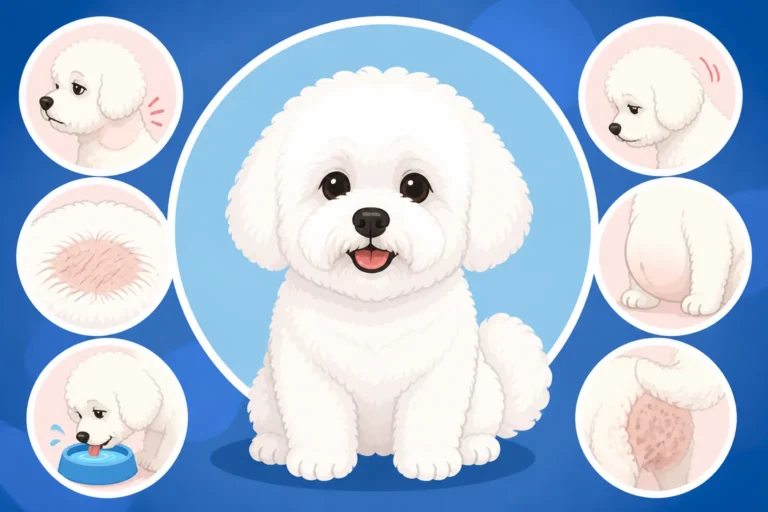
When we talk about a "pot belly" in a Bichon Frise, we're referring to a distinct distension or sagging of the abdomen. It's not just general weight gain where your whole dog gets pudgy. Instead, you might notice that while their belly seems larger and rounder, their legs and sometimes even their topline appear thinner or weaker. It’s almost as if their midsection is ballooning out independently. This can make them look somewhat disproportionate – a fluffy ball of a body with unexpectedly spindly limbs. Owners often observe this change subtly over weeks or months, sometimes accompanied by changes in posture or a reluctance to jump and play as they once did. The concern it raises is immediate because it hints at something more serious than just a few extra treats. This visual cue can be a critical indicator, prompting a closer look at your dog’s overall health.
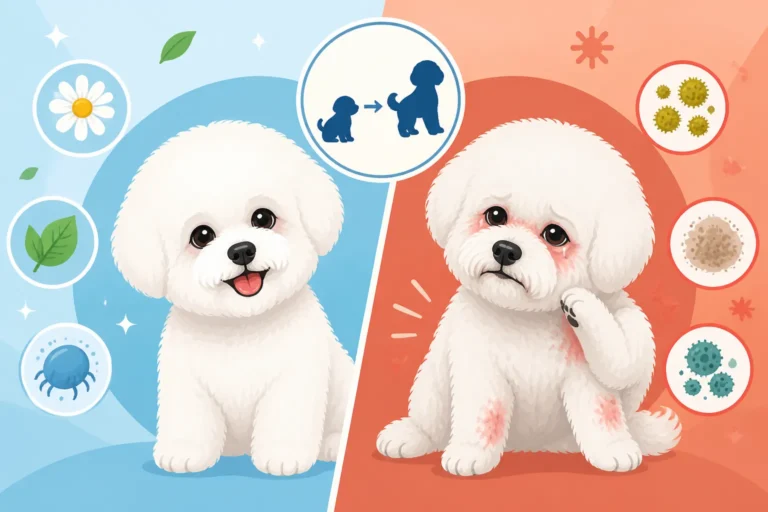
Beyond Cushing's, other things can cause a distended belly. Sometimes it can be parasites, especially in younger dogs or those with a history of not being routinely dewormed. Fluid accumulation in the abdomen, known as ascites, from heart or liver disease, can also make a belly look round and swollen. Even significant organ enlargement, such as an enlarged spleen or liver, could present similarly. However, the combination of a pot belly with other systemic signs often points us in a more specific direction, making a thorough veterinary examination essential.
Why Cushing's Disease Often Presents with Abdominal Distension
Cushing's disease, or hyperadrenocorticism, is essentially a condition where your Bichon Frise's body produces too much cortisol, a stress hormone. When cortisol levels are chronically elevated, it has a cascade of effects throughout the body, and one of the most visible manifestations is that classic pot-bellied appearance.
Here's the science behind it: excess cortisol causes fat to be redistributed, often leading to increased fat deposition within the abdomen. Simultaneously, and perhaps more significantly for the pot-bellied look, cortisol weakens the abdominal muscles. Think of it like a saggy hammock – if the ropes holding it up (the abdominal muscles) become loose and weak, the hammock (the abdominal contents) sags more prominently. On top of this, the liver often becomes enlarged due to fat accumulation and glycogen storage from the high cortisol, further contributing to the distended appearance. This combination of fat redistribution, muscle weakness, and liver enlargement creates that characteristic round, pendulous belly, even while other parts of your Bichon's body, like their legs, might seem to be losing muscle mass and getting thinner.
There are primarily two types of Cushing's: pituitary-dependent hyperadrenocorticism, which accounts for about 80-85% of cases and is caused by a benign tumor on the pituitary gland, and adrenal-dependent hyperadrenocorticism, caused by a tumor on one of the adrenal glands. Both types result in an overproduction of cortisol and can lead to the same physical signs, including the pot belly. Recognizing this specific type of abdominal distension, often accompanied by other symptoms we'll discuss, is crucial for early detection and intervention.
Common Signs and Symptoms Beyond a Pot Belly
While a pot belly is certainly a noticeable red flag, it rarely appears in isolation when Cushing's disease is at play. Your observant eye might pick up on a constellation of other changes in your Bichon Frise that, when pieced together, paint a clearer picture of what's happening internally. These additional symptoms are key to prompting a veterinary visit and guiding diagnostics.
The Tell-Tale Drinking and Urination Changes
One of the most classic and frequently reported signs of Cushing's disease, alongside the pot belly, is a noticeable increase in thirst (polydipsia) and, consequently, an increase in urination (polyuria). It's a common lament among owners: "My Bichon is drinking constantly!"
Imagine your Bichon Frise, who once had a fairly predictable water intake, now draining their bowl multiple times a day. You find yourself refilling it far more frequently than before, perhaps even multiple times a day. This excessive drinking is directly tied to the elevated cortisol levels in their system. Cortisol interferes with the kidneys' ability to concentrate urine, essentially making them less efficient at reabsorbing water. As a result, your dog produces a much larger volume of dilute urine.
This means more frequent trips outside, and if you're not home, it might lead to more accidents indoors, even in a previously perfectly housetrained dog. This can be incredibly frustrating for owners, as it can feel like a regression in training. You might notice them asking to go out more often, pacing by the door, or even having accidents overnight when they usually sleep through. This constant cycle of drinking and urinating can be one of the most disruptive aspects of Cushing's for both dog and owner. For a deeper dive into this specific symptom, check out our article on Whether a Cushing's Bichon Frise Drinks Constantly.
Skin and Coat Issues
The luxurious, fluffy white coat of a Bichon Frise is one of their defining features, so any changes here are usually quite noticeable. With Cushing's disease, high cortisol levels can wreak havoc on skin health and hair follicles, leading to a range of dermatological issues.
You might start to see thinning of the coat, especially on the body, the flanks, and the abdomen. The hair loss often has a distinctive pattern: it tends to spare the head and limbs, leaving a kind of "lion's mane" effect with hair remaining on the extremities but being sparse on the torso. The fur that remains can feel dry, brittle, and dull, losing its characteristic soft, cottony texture. Beyond just hair loss, the skin itself can suffer. It may become thin, fragile, and almost translucent, making your Bichon more prone to bruising or tears. Some owners report seeing "blackheads" or areas of hyperpigmentation (darkening of the skin) on their Bichon's belly or inner thighs.
Because the skin's natural barrier function is compromised by the excess cortisol, Bichons with Cushing's are also highly susceptible to secondary skin infections, particularly yeast (Malassezia) or bacterial infections. These can manifest as redness, itchiness, a greasy feel, or a distinct, sometimes unpleasant, odor. These skin problems add another layer of discomfort to your Bichon's life. Recognizing these skin and coat changes along with other symptoms is crucial, as they are strong indicators of systemic issues like Cushing's. Our detailed guide on The Signs of Cushing's in a Bichon Frise can provide even more insights into these various symptoms.
Behavioral and Energy Shifts
Beyond the physical manifestations, Cushing's disease can also subtly alter your Bichon Frise's demeanor and energy levels. These behavioral changes can sometimes be overlooked or mistakenly attributed to the natural aging process, which is why paying close attention to your dog's typical personality is so important.
One common behavioral shift is a noticeable increase in lethargy or a decrease in overall activity. Your once playful, zippy Bichon might seem more subdued, less interested in games, walks, or even greeting you with their usual enthusiasm. They might sleep more, or simply seem content to lie around rather than engage in their favorite activities. This isn't just a sign of being "lazy"; it's a direct consequence of chronic stress and metabolic disruption caused by high cortisol. On the flip side, some Bichons with Cushing's can develop an increased appetite, leading them to beg more frequently or even try to steal food. This might seem contradictory to lethargy, but the hormonal imbalance can drive persistent hunger cues.
These changes can be particularly distressing because they affect the very essence of your Bichon's joyful personality. If you've noticed your otherwise spirited companion seeming more withdrawn, less playful, or just generally "off," even without other overt symptoms, it's worth discussing with your veterinarian. Combined with a pot belly and increased thirst, these behavioral shifts create a compelling argument for further investigation.
Differentiating a Pot Belly Caused by Cushing's from Other Conditions
It's easy to jump to conclusions when you see a pot belly on your Bichon, but it's important to remember that not every round tummy points to Cushing's. A thorough diagnostic process is crucial to pinpoint the exact cause and ensure your furry friend gets the right treatment. This is where your veterinarian's expertise, combined with specific tests, becomes invaluable.
Ruling Out Simple Weight Gain or Bloat
When you first spot that protruding belly, your mind might immediately go to the most common culprits: too many treats or an expanding waistline due to lack of exercise. And sometimes, you'd be right! However, there are key differences between a "Cushing's pot belly" and simple obesity.
With general obesity, your Bichon Frise typically gains weight uniformly across their body. Their legs, neck, and overall physique will appear chunkier, without the specific muscle wasting often seen with Cushing's. The entire dog looks plump, rather than having a distinct pot belly combined with thin limbs. If your dog is merely overweight, you might feel a layer of fat evenly distributed, whereas with Cushing's, the distension feels more firm and originates internally due to liver enlargement and abdominal fat redistribution. A diet change and increased exercise would likely address simple obesity, which wouldn't resolve a Cushing's pot belly.
Another, far more urgent, condition that can cause abdominal distension is bloat, or Gastric Dilatation and Volvulus (GDV). This is a life-threatening emergency where the stomach fills with gas and can twist, cutting off blood supply. Bloat presents very acutely: your Bichon would suddenly have a severely distended and hard abdomen, often accompanied by retching without vomiting, restlessness, pain, and collapse. This is clearly distinct from the chronic, gradual development of a Cushing's pot belly and requires immediate veterinary attention – usually within minutes or hours, not days or weeks. Knowing the subtle differences between these common and serious conditions can help you communicate effectively with your vet and advocate for your Bichon.
The Importance of Diagnostic Testing
Given that a pot belly alone isn't a definitive diagnosis for Cushing's, your veterinarian will need to perform a series of diagnostic tests. This isn't just about confirming Cushing's; it's also about ruling out other conditions that might mimic its symptoms.
The process usually begins with routine blood work and a urinalysis. In Bichons with Cushing's, blood tests often reveal elevated liver enzymes (especially alkaline phosphatase, or ALP), high cholesterol, and sometimes elevated blood glucose. A urinalysis might show dilute urine, which supports the idea of increased water intake and output, and sometimes even protein in the urine. However, these routine tests are suggestive, not diagnostic.
To definitively diagnose Cushing's, specific endocrine tests are required. The two most common are the ACTH stimulation test and the low-dose dexamethasone suppression test (LDDST). The ACTH stim test measures how well the adrenal glands respond to a synthetic form of ACTH, providing a snapshot of their cortisol production capacity. The LDDST assesses whether the body's natural feedback mechanism for cortisol production is working correctly. Your vet will choose the most appropriate test based on your Bichon's specific symptoms and initial blood work. For a more detailed look into these procedures, you might find our article on How Cushing's Is Diagnosed in a Bichon Frise very helpful.
Beyond blood and urine tests, imaging, such as an abdominal ultrasound, can also be a valuable tool. An ultrasound allows the vet to visualize the adrenal glands and the liver. An enlarged liver is a common finding in Cushing's, and the ultrasound can also help differentiate between pituitary-dependent and adrenal-dependent Cushing's by examining the size and appearance of the adrenal glands. All these tests work together to give your vet a comprehensive picture, ensuring an accurate diagnosis.
Other Health Concerns Mimicking Cushing's Symptoms
One of the trickiest aspects of veterinary medicine is that many different conditions can present with overlapping symptoms, making accurate diagnosis challenging. Cushing's is no exception, and several other health issues can produce signs that might make you think of a pot belly or excessive drinking.
For instance, Diabetes Mellitus in Bichons can cause increased thirst and urination, just like Cushing's. However, with diabetes, the primary issue is the body's inability to properly regulate blood sugar, leading to high glucose levels in the blood and urine. Interestingly, Cushing's disease can sometimes predispose a dog to developing diabetes due to the effects of high cortisol on insulin resistance. If your Bichon is drinking and urinating excessively, your vet will definitely check their blood glucose and urine for sugar. You can learn more about how diabetes affects Bichons in Whether a Diabetic Bichon Frise Goes Blind, which touches on some of the long-term impacts.
Hypothyroidism, a condition where the thyroid gland doesn't produce enough hormones, can also lead to lethargy and coat issues, though typically the hair loss is more generalized and the skin might be thicker rather than thin. Abdominal tumors or fluid accumulation from heart disease (leading to conditions like congestive heart failure and fluid in the abdomen) or liver disease can also cause a distended belly, often accompanied by lethargy and weight loss.
This is why a comprehensive workup is absolutely essential. A good vet won't just test for Cushing's in isolation; they'll consider all possibilities based on your Bichon's age, history, and physical examination findings. Navigating these diagnostic tests can be costly, and this is where having good pet insurance like Healthy Paws can truly make a difference, helping to cover the expenses of specialized blood tests, ultrasounds, and other procedures that lead to a definitive diagnosis. It's a lifesaver when you're trying to get to the bottom of your Bichon's health concerns, especially when monitoring is ongoing. For insight into the costs associated with ongoing care, you can read What Monitoring Cushing's Costs on a Bichon Frise.
Here's a quick comparison of symptoms to help illustrate the differences:
| Symptom | Cushing's Disease | Simple Obesity | Diabetes Mellitus | Abdominal Tumors/Fluid (e.g., from Heart Disease) |
|---|---|---|---|---|
| Pot Belly | Yes (distinctive, often with thin limbs) | General roundness, overall chunky | Variable, sometimes weight loss initially | Yes (often firm or fluctuating, could be painful) |
| Thirst/Urination | Markedly increased | Normal to slightly increased | Markedly increased | Variable, sometimes increased (if kidney/heart affected) |
| Coat/Skin | Thinning, hair loss (body), fragile skin, infections | Normal coat, greasy skin | Variable, sometimes dry skin, infections | Normal |
| Energy | Lethargy, decreased activity | Lethargy, less active due to weight | Lethargy | Lethargy, weakness |
| Appetite | Increased | Increased | Increased | Decreased, picky |
| Onset | Gradual, chronic | Gradual | Gradual, chronic | Variable, can be sudden (fluid) or gradual (tumor) |
Managing and Living with Cushing's Disease in Your Bichon Frise
Receiving a diagnosis of Cushing's disease for your beloved Bichon Frise can feel overwhelming. It's a chronic condition, but it's important to remember that it's manageable. With dedicated care and a close partnership with your veterinarian, many Bichons go on to live comfortable and happy lives. The journey involves a commitment to treatment and ongoing monitoring.
Treatment Options and Goals
Unlike some other diseases, Cushing's disease is rarely "cured" in dogs, especially the more common pituitary-dependent form. Instead, the primary goal of treatment is to manage the symptoms by reducing the excessive production or action of cortisol. This significantly improves your Bichon's quality of life and helps prevent further complications.
The most common medication used for treating Cushing's in dogs is Trilostane (often sold under the brand name Vetoryl). Trilostane works by inhibiting an enzyme involved in cortisol production within the adrenal glands, effectively lowering cortisol levels. It's usually given orally, once or twice daily, depending on your dog's response and your vet's recommendation. The dosage needs to be carefully adjusted over time, as individual responses can vary. Our article on Whether Trilostane Works on a Bichon Frise delves deeper into the efficacy and considerations of this medication.
The goal isn't to eliminate cortisol entirely, as some cortisol is essential for normal bodily functions. Instead, it's about finding the "sweet spot" where cortisol levels are reduced enough to alleviate symptoms like the pot belly, excessive drinking, panting, and skin issues, without causing side effects from being too low. This fine balance requires regular monitoring and communication with your vet. For adrenal-dependent Cushing's, surgical removal of the affected adrenal gland can sometimes be an option if the tumor is benign and hasn't spread, but this is a more involved procedure with higher risks.
Long-Term Outlook and Quality of Life
With proper diagnosis and consistent management, the long-term outlook for a Bichon Frise with Cushing's disease is generally positive. While it's a lifelong condition, many dogs can enjoy several years of good quality of life after starting treatment. The key is strict adherence to the medication regimen and a commitment to ongoing veterinary check-ups.
Life with a Cushing's Bichon means accepting that they will need regular veterinary visits. Initially, monitoring will be more frequent to ensure the medication dosage is optimized and your dog is tolerating it well. This involves follow-up ACTH stimulation tests and blood work every few weeks to months. Once stable, these check-ups might become less frequent, perhaps every three to six months, but they will always be a part of your Bichon's care routine. These appointments allow your vet to adjust medication as needed and catch any potential complications early. You can find more information about the prognosis in Whether a Cushing's Bichon Frise Lives Long.
The main focus is on maintaining comfort and preventing the serious side effects of uncontrolled Cushing's, such as diabetes, pancreatitis, severe skin infections, or even neurological signs in some pituitary tumor cases. While no dog lives forever, effective management can certainly extend your Bichon's comfortable years and allow them to enjoy a good quality of life despite their diagnosis.
Supportive Care at Home
Beyond medication, there's a lot you can do at home to support your Bichon Frise and enhance their comfort while managing Cushing's disease. Your vigilance and daily care play a huge role in their well-being.
- Managing Thirst and Urination: Since excessive drinking and urination are common, ensure your Bichon always has access to fresh, clean water. Be prepared for more frequent potty breaks, especially after drinking and before bed. Consider using absorbent bedding or doggy diapers indoors if accidents become a persistent issue, to protect your floors and maintain hygiene.
- Dietary Considerations: While there's no specific "Cushing's diet," your vet might recommend a diet that is lower in fat and moderate in fiber to help manage potential side effects like pancreatitis, which can be a concern with elevated cortisol. Always discuss any dietary changes with your veterinarian to ensure it's appropriate for your Bichon's overall health needs.
- Skin and Coat Care: Due to their fragile skin and propensity for infections, gentle grooming is essential. Use a soft brush and avoid harsh scrubbing during baths. Your vet might recommend a medicated shampoo for secondary skin infections. Be very careful when handling their skin to avoid tears or bruising.
- Environment and Exercise: Maintain a calm, consistent home environment to minimize stress, as stress can further impact cortisol levels. While lethargy is common, encourage gentle, regular exercise appropriate for their energy levels, avoiding overexertion.
- Monitoring and Observation: Continue to be observant of any changes in your Bichon's symptoms, energy, appetite, or behavior. Keep a log of their water intake and urination frequency if you notice significant shifts. Promptly report any concerns to your veterinarian. Early detection of issues or side effects of medication is crucial for effective management. Remember, pet insurance like Healthy Paws can also help with the ongoing costs of these frequent vet visits and medication refills, making long-term care more accessible and less financially burdensome.
Disclaimer
This article is intended for informational purposes only and does not constitute veterinary advice. Always consult with a qualified veterinarian for any health concerns or before making any decisions about your Bichon Frise's medical care.