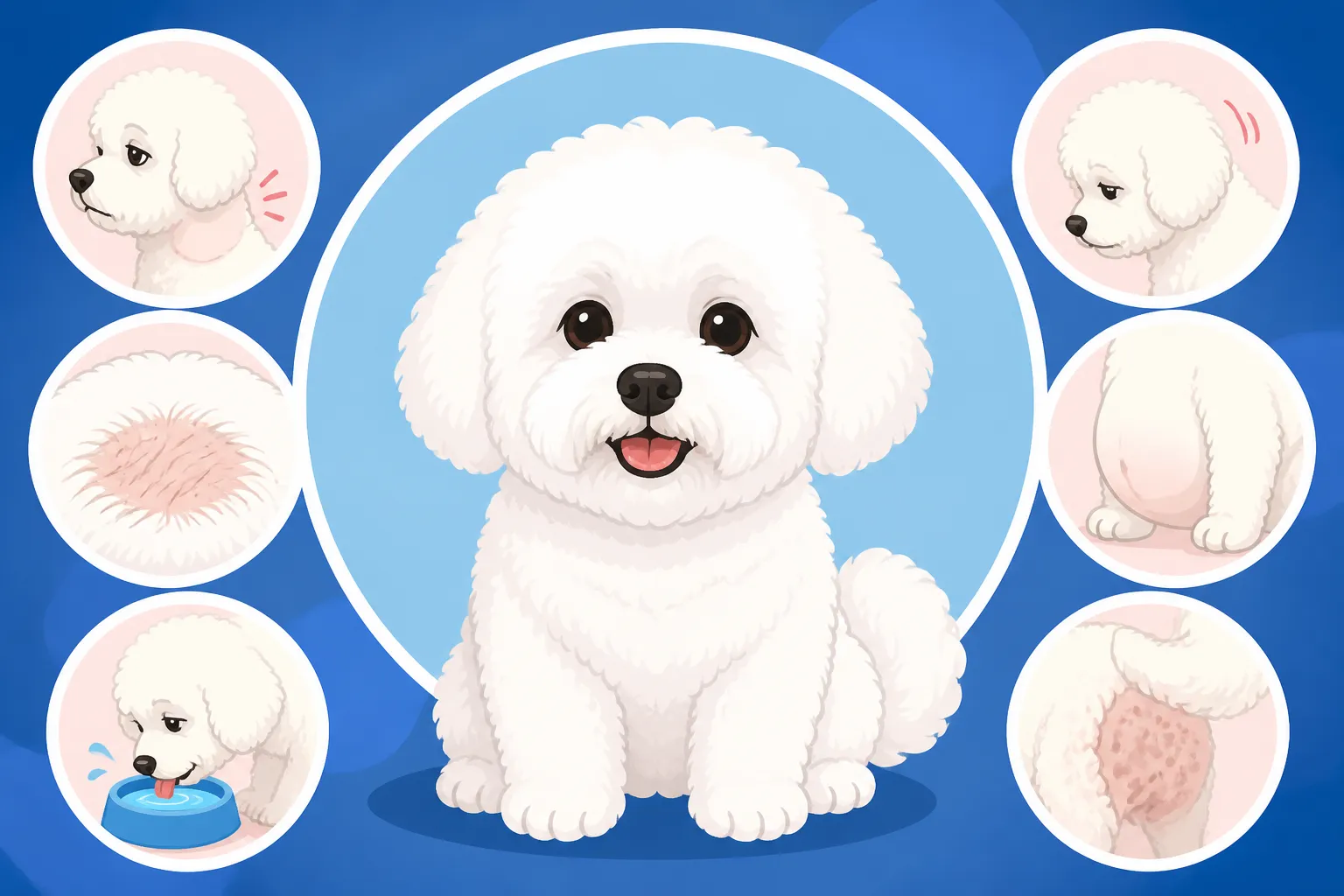
The Signs of Cushing’s in a Bichon Frise
It's incredibly distressing when our beloved Bichon Frise starts showing changes in their older years. You might notice them drinking more, getting a bit of a potbelly, or just not being themselves, and it's easy to dismiss these subtle shifts as simply "getting old." However, these can often be tell-tale signs of Cushing's disease, a common endocrine disorder that can significantly impact their quality of life. This comprehensive guide is here to walk you through the various signs of Cushing's in Bichon Frises, helping you understand what to look for so you can act quickly and give your furry family member the best possible care.
Understanding Cushing's Disease in Bichon Frises
Cushing's disease, or hyperadrenocorticism, is one of those conditions that often creeps up slowly, making it tricky for even the most observant owner to spot in its early stages. It's not a sudden illness, but rather a gradual imbalance within your dog's system that can have far-reaching effects on their health and comfort. For Bichon Frises, understanding this condition is particularly important because they are among the breeds that tend to be more predisposed to it, especially as they enter their senior years.
What Exactly Is Cushing's Disease?
At its heart, Cushing's disease is about an overproduction of cortisol, often referred to as the "stress hormone." Cortisol is naturally produced by the adrenal glands, which are small glands located near the kidneys. This hormone plays many vital roles in the body, from regulating metabolism and blood sugar to helping the body respond to stress and control inflammation. In a healthy dog, cortisol levels are tightly controlled by a feedback loop involving the brain's pituitary gland and the adrenal glands.
With Cushing's, this delicate balance goes awry. Most commonly, a small, benign tumor on the pituitary gland in the brain sends excessive signals to the adrenal glands, telling them to produce too much cortisol. This is known as pituitary-dependent Cushing's, and it accounts for the vast majority of cases in dogs. Less often, the problem originates directly in one of the adrenal glands itself, usually due to a tumor there. Regardless of the source, the result is the same: your Bichon Frise's body is constantly flooded with higher-than-normal levels of cortisol, leading to a cascade of symptoms that can range from mild to severely debilitating. To learn more about this specific type, you might want to read about What Pituitary Cushing's Does to a Bichon Frise.
Why Bichon Frises Are Susceptible
While any dog can potentially develop Cushing's, certain breeds, including our beloved Bichon Frises, seem to have a higher genetic predisposition. This isn't to say every Bichon will get it, but it does mean that as a Bichon Frise owner, you should be particularly vigilant about the signs, especially as your dog ages. Genetics play a significant role in many breed-specific health issues, and Cushing's is no exception. This heightened risk often stems from specific genetic markers that influence their hormonal regulation.
Beyond genetics, the age factor is crucial. While Cushing's can appear at any age, it's far more prevalent in middle-aged to senior dogs. Most Bichon Frises are diagnosed with Cushing's when they are seven years or older. This means that if you have a Bichon who is past seven years old, paying close attention to any changes becomes even more critical. If your Bichon Frise is past this age, you might find more specific information in our article on Cushing's Disease in a Bichon Frise Past Seven. It's a common misconception that all these changes are simply "old age," but recognizing that they could be a treatable condition like Cushing's can make a world of difference for your pet.
The Underlying Hormonal Imbalance
The core issue in Cushing's is the chronic excess of cortisol. Think of cortisol as a powerful, multi-tasking hormone. In small, balanced amounts, it's essential. It helps the body manage stress, maintain blood pressure, reduce inflammation, and even convert fats, proteins, and carbohydrates into energy. However, when there's too much of a good thing, it starts to cause problems. This constant overexposure to cortisol essentially puts the body in a state of chronic stress, even if your dog isn't visibly stressed.
This hormonal overload disrupts various bodily functions. It can suppress the immune system, weaken muscles, affect skin and coat health, and alter metabolism, leading to many of the symptoms we'll discuss. For instance, the constant stimulation of glucose production can sometimes even lead to secondary issues like diabetes, which is why it's so important to address Cushing's promptly. Understanding this underlying mechanism helps you appreciate why Cushing's disease manifests in such a wide array of symptoms, making early detection both challenging and critical.
The Classic, Noticeable Physical Changes
Some of the most recognizable signs of Cushing's disease manifest as physical alterations that can be quite alarming to owners once they realize what they're seeing. These aren't just cosmetic changes; they often indicate significant internal shifts that affect your Bichon Frise's overall well-being. Keeping an eye out for these visual cues is often the first step in getting a diagnosis.
The Pot-Bellied Appearance and Weight Gain
One of the most classic signs of Cushing's in a Bichon Frise is the development of a distended, "pot-bellied" abdomen. This isn't just simple weight gain, although that can also be part of it. The pot-bellied look is primarily due to several factors working in conjunction. First, the excess cortisol causes a redistribution of fat, often accumulating in the abdomen. Second, the hormone also leads to a weakening of the abdominal muscles, making it harder for them to hold in the internal organs, which then sag.
Imagine a balloon slowly inflating within your dog's tummy while the supporting elastic band around it slackens – that's essentially what's happening. This can be particularly noticeable on a smaller breed like a Bichon Frise, whose compact body makes the abdominal distention stand out more prominently. This isn't just about aesthetics; it can make your dog uncomfortable and affect their posture and movement. If you've ever wondered whether a pot belly means Cushing's in a Bichon Frise, the answer is often yes, and it's a symptom that warrants immediate veterinary attention.
Hair Loss and Skin Issues
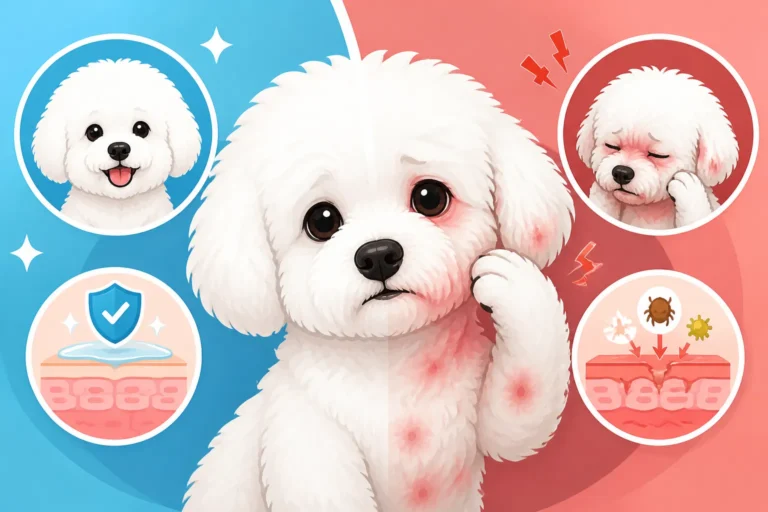
Another very common and often heartbreaking physical sign is the deterioration of the coat and skin. Bichon Frises are known for their beautiful, fluffy white coats, so any significant changes are usually quite obvious. With Cushing's, you'll typically notice symmetrical hair loss, often starting on the flanks and abdomen, but sparing the head and legs. The hair that remains might become thin, dull, and brittle. You might also notice that the coat doesn't grow back as it should after a groom or if they develop a patch of irritation.
Beyond hair loss, the skin itself can undergo dramatic changes. Excess cortisol makes the skin thinner and more fragile, akin to tissue paper, making it prone to bruising and tearing. You might also observe hyperpigmentation, where the skin darkens, often taking on a greyish or blackish hue, particularly in areas of hair loss. Sometimes, small, raised bumps or calcified lesions, known as calcinosis cutis, can appear on the skin, feeling like gritty patches. These skin issues can be incredibly uncomfortable for your Bichon Frise and can make them more susceptible to secondary bacterial or yeast infections, leading to itching and further irritation. If your dog is losing hair, our post on Whether a Cushing's Bichon Frise Loses Its Coat provides more context.
Muscle Weakness and Lethargy
Cushing's disease can also profoundly impact your Bichon Frise's muscle strength and overall energy levels. The high cortisol levels can lead to muscle wasting, particularly in the hindquarters. This means their muscles literally start to shrink and weaken over time. You might notice your dog struggling to jump onto furniture they once easily scaled, having difficulty with stairs, or even just seeming a bit wobbly on their feet. Their gait might change, becoming less confident or coordinated.
Along with muscle weakness often comes a general sense of lethargy and reduced activity. Your once playful Bichon Frise might become less enthusiastic about walks, uninterested in games they used to love, or spend more time sleeping. It's easy to attribute this to normal aging, especially if your dog is older. However, a significant drop in energy and noticeable muscle weakness are important indicators that something more than just age might be at play. They might also seem generally weaker, tire easily, and just not have the same zest for life.
Behavioral and Thirst/Urination Symptoms
Beyond the physical transformations, Cushing's disease also frequently brings about noticeable changes in your Bichon Frise's behavior, particularly concerning their hydration and appetite. These are often some of the first signs owners pick up on, as they directly impact daily routines and interactions.
Excessive Thirst and Frequent Urination (Polydipsia/Polyuria)
This is hands down one of the most consistent and often frustrating signs of Cushing's disease. Your Bichon Frise will develop an insatiable thirst, leading them to drink significantly more water than usual. This excessive drinking, known as polydipsia, naturally leads to an increased need to urinate, or polyuria. You'll find yourself refilling their water bowl constantly, and your dog will be asking to go outside much more frequently, even waking you up during the night for potty breaks.
This can be incredibly disruptive, especially for a housetrained dog who suddenly starts having accidents indoors. It's not a behavioral lapse; it's a physiological imperative. Their body is trying to flush out the excess cortisol and manage the electrolyte imbalances caused by the disease. You might think they're just "being naughty" or have forgotten their training, but it's a clear symptom that needs attention. It’s a tell-tale sign that their body is struggling to cope. If you’re concerned about how much your dog is drinking, our article Whether a Cushing's Bichon Frise Drinks Constantly offers further insights. This constant cycle of drinking and urinating is not only hard on your dog but can also be incredibly frustrating for you as an owner.
Increased Appetite and Food Seeking Behavior
Just as Cushing's affects thirst, it can also significantly ramp up your Bichon Frise's appetite, a symptom known as polyphagia. High cortisol levels can stimulate appetite, making your dog seem constantly hungry, even ravenous. They might start begging for food more intensely than ever before, trying to steal food off counters, or becoming more vocal around meal times. You might even find them rummaging through trash or trying to eat things they usually wouldn't.
This isn't just about being a little bit hungrier; it's a persistent, almost obsessive drive for food. Despite eating more, they might still appear to be losing muscle mass in some areas, while gaining fat around the abdomen, contributing to that pot-bellied look. This increased appetite combined with reduced activity can quickly lead to unhealthy weight gain, exacerbating other health issues. It's a common complaint from owners: "My dog never seems full!"
Changes in Temperament and Activity Levels
The chronic stress of high cortisol levels can take a toll on your Bichon Frise's mental and emotional state, leading to noticeable changes in their temperament and overall behavior. They might become more anxious, restless, or even irritable. Some dogs with Cushing's can appear confused or disoriented at times, especially in unfamiliar situations. You might notice them pacing more, especially at night, or struggling to settle down.
On the flip side, some Bichons might become more withdrawn or lethargic, losing interest in their usual activities and interactions. Their personality might seem to shift, from their typical merry disposition to one that is more subdued or even grumpy. It’s important to remember that these are not intentional behavioral problems but rather manifestations of an underlying medical condition that is impacting their brain chemistry and physical comfort. This shift can be particularly upsetting for owners who cherish their Bichon's cheerful nature.
Less Obvious but Important Signs
While the classic signs like excessive thirst and a potbelly often grab our attention, Cushing's disease can present with other, more subtle symptoms that are equally important to recognize. These can sometimes be mistaken for other conditions or simply "old age," making early diagnosis even more challenging without a keen eye.
Recurrent Infections and Slow Healing
One of the insidious effects of chronically high cortisol is its impact on the immune system. Cortisol is an immunosuppressant, meaning it can weaken the body's ability to fight off infections. For a Bichon Frise with Cushing's, this often translates to a frustrating cycle of recurrent infections. You might find your dog developing urinary tract infections (UTIs) more frequently, or perhaps persistent skin infections that are hard to clear up, even with antibiotics.
Beyond infections, you might also notice that any minor cuts, scrapes, or surgical wounds take an unusually long time to heal. The skin's thinness and poor immune response combine to create an environment where the body struggles to repair itself efficiently. This slow healing can be a significant concern, especially if your Bichon Frise ever needs surgery for another condition, such as dental work or even stone removal. This impaired healing capacity highlights the systemic nature of Cushing's disease and its far-reaching consequences.
Panting and Exercise Intolerance
Many owners report that their Bichon Frise with Cushing's starts panting excessively, even when they haven't been exercising or when the weather isn't particularly warm. This isn't just a sign of being hot; it can be a physiological response to the disease. The pot-bellied abdomen can put pressure on the diaphragm and lungs, making it harder for the dog to breathe deeply and efficiently, leading to shallow, rapid panting.
Additionally, due to muscle weakness and general lethargy, your Bichon Frise might develop a noticeable exercise intolerance. They might tire quickly on walks that they once handled with ease, or simply refuse to go as far. What used to be a joyful romp in the park might become a short, labored stroll. It's easy to brush this off as merely getting older, but persistent or exaggerated panting, especially at rest, combined with a reluctance to exercise, should definitely raise a red flag.
Reproductive Changes in Intact Dogs
While perhaps less commonly observed in spayed and neutered pets, Cushing's disease can also affect the reproductive system in intact Bichon Frises. In females, you might notice irregular heat cycles or even complete cessation of estrus. Males might show testicular atrophy, where their testicles appear smaller. These changes are directly linked to the hormonal imbalances caused by the excess cortisol disrupting the normal functioning of other endocrine glands responsible for reproduction.
For breeders, recognizing these signs is critical, as Cushing's can affect fertility. Even for pet owners with intact dogs, these reproductive changes serve as another, albeit less obvious, indicator that something is amiss internally. It reinforces the idea that Cushing's is a systemic illness, impacting various physiological processes throughout the body.
Differentiating Cushing's from Other Conditions
Detecting Cushing's can feel like solving a puzzle, especially because many of its symptoms can mimic other common health problems in older dogs or simply be attributed to the natural aging process. This is why a thorough veterinary examination and diagnostic testing are absolutely crucial to get an accurate diagnosis.
Cushing's vs. Normal Aging
This is perhaps the biggest challenge for owners. It's incredibly tempting to look at an older Bichon Frise with a bit of a potbelly, thinning hair, and reduced energy, and simply conclude, "Oh, they're just getting old." And certainly, some of these changes can be part of the natural aging process. However, with Cushing's, these symptoms tend to be more pronounced, progress more rapidly, or occur in combination in a way that is less typical for normal aging. For instance, while an older dog might drink a bit more, a Cushing's dog will drink excessively, often to the point of accidents.
The key difference lies in the severity and persistence of the symptoms. While an aging Bichon might slow down, a Cushing's Bichon often experiences significant muscle wasting and weakness that hinders their mobility in a more pronounced way. Recognizing this distinction is vital, because unlike normal aging, Cushing's disease is a treatable condition. If left untreated, it can lead to severe health complications and significantly diminish your dog's quality of life. Understanding when to suspect something more than just age is the first step. The article on The Age Cushing's Appears in a Bichon Frise can help you understand the typical onset age.
Overlap with Diabetes and Hypothyroidism
The symptoms of Cushing's disease can unfortunately overlap with other common endocrine disorders, making a definitive diagnosis challenging without specific tests. For example, increased thirst and urination are classic signs of both Cushing's and diabetes mellitus. In fact, the chronic high cortisol levels from Cushing's can even cause a dog to develop diabetes, a condition known as secondary diabetes. So, if your vet diagnoses diabetes, they might also want to rule out Cushing's as an underlying cause. Our article on Whether a Diabetic Bichon Frise's Diabetes Follows Cushing's provides more details on this connection.
Similarly, hair loss and lethargy can be symptoms of hypothyroidism (underactive thyroid), another common hormonal imbalance in dogs. However, hypothyroidism typically involves weight gain and a lack of appetite, whereas Cushing's often presents with weight redistribution and an increased appetite. This complex interplay of symptoms underscores why blood tests specifically designed to assess adrenal and thyroid function are essential. It's not about guessing; it's about systematically ruling out and confirming conditions to pinpoint the exact problem.
When to Consult Your Veterinarian
If you've noticed any of the signs discussed here – especially a combination of them – it's time to schedule a visit with your veterinarian. Don't wait until the symptoms are severe. Early detection of Cushing's disease can make management much more effective and improve your Bichon Frise's long-term prognosis and quality of life. Be prepared to discuss all the changes you've observed, no matter how minor they seem. Your vet will likely perform a thorough physical examination and recommend several diagnostic tests, which can include blood tests and urine tests.
These tests are crucial for confirming a diagnosis and differentiating Cushing's from other conditions. It's worth noting that diagnosing Cushing's can sometimes require a series of tests, as cortisol levels fluctuate throughout the day. It might take a bit of patience, but getting an accurate diagnosis is the critical first step towards treatment. Knowing How Cushing's Is Diagnosed in a Bichon Frise can help you prepare for the process. While managing a chronic condition like Cushing's can be a financial commitment, having pet insurance like a plan from Healthy Paws can certainly help with the ongoing costs of diagnostics and treatment.
Common Signs of Cushing's Disease in Bichon Frises
To help you quickly reference the most common indicators, here's a table summarizing the signs of Cushing's in Bichon Frises. Remember, a combination of these symptoms is often more indicative than just one in isolation.
| Category | Common Signs | Description |
|---|---|---|
| Physical Appearance | Pot-bellied abdomen | Enlarged, sagging belly due to fat redistribution and weakened abdominal muscles. Often accompanied by weight gain. |
| Symmetrical hair loss | Thinning coat or bald patches, particularly on the body (flanks, abdomen), but often sparing the head and legs. Hair may be dull, brittle, and not regrow easily. | |
| Thin, fragile skin | Skin becomes easily bruised or torn, resembling tissue paper. May show hyperpigmentation (darkening) or calcinosis cutis (gritty, calcified lumps). | |
| Thirst & Urination | Excessive thirst (Polydipsia) | Constantly drinking water, requiring frequent refills of the water bowl. |
| Frequent urination (Polyuria) | Needing to go outside much more often, waking owners at night, and potentially having house accidents despite being housetrained. | |
| Appetite & Energy | Increased appetite (Polyphagia) | Seeming constantly hungry, begging for food more intensely, trying to steal food, or rummaging for scraps. |
| Lethargy and reduced activity | Less enthusiastic about walks, playing, or interactions. Spending more time sleeping or resting. | |
| Muscle weakness, especially hindquarters | Difficulty jumping, climbing stairs, or standing for long periods. May appear wobbly or have a changed gait. | |
| Other Symptoms | Excessive panting | Panting more than usual, even at rest or in cool temperatures, often due to abdominal pressure on the diaphragm. |
| Recurrent infections | Increased susceptibility to urinary tract infections, skin infections, and other ailments due to a suppressed immune system. | |
| Slow wound healing | Minor cuts, scrapes, or surgical incisions take longer than expected to heal. | |
| Behavioral changes | Increased anxiety, restlessness, pacing (especially at night), irritability, or confusion. May become withdrawn or less cheerful. |
Managing a Bichon Frise with Cushing's Disease
Once Cushing's disease is diagnosed, the good news is that it can often be managed with medication, significantly improving your Bichon Frise's quality of life. Treatment typically involves daily oral medication that works to regulate cortisol production or action in the body. While it's a lifelong commitment, the benefits of controlling the disease are immense.
Treatment Options and Expectations
The most common medication used to treat pituitary-dependent Cushing's disease is trilostane, sold under brand names like Vetoryl. This medication works by inhibiting an enzyme necessary for cortisol production in the adrenal glands, thereby reducing the amount of cortisol in your dog's system. It's not a cure, but a management tool. Another option, though less common now, is mitotane, which selectively destroys cortisol-producing cells in the adrenal cortex. Your veterinarian will determine the best course of action based on your dog's specific diagnosis and overall health.
It's important to understand that treatment is typically lifelong and requires regular monitoring. Initially, your Bichon Frise will need frequent veterinary visits for blood tests to ensure the medication dosage is correct and that cortisol levels are within a healthy range. Over time, these check-ups may become less frequent, but they will always be necessary. Many owners see a dramatic improvement in their dog's symptoms within weeks to months of starting treatment. The excessive thirst usually diminishes, the potbelly may recede, and their energy levels often return. If you want to explore this further, you can read Whether Cushing's Can Be Treated in a Bichon Frise.
Living with a Bichon Frise on Cushing's Medication
Living with a Bichon Frise on Cushing's medication requires consistency and a keen eye. You'll need to administer medication daily as prescribed and keep up with those crucial recheck appointments. It's also important to continue monitoring your dog for any return of symptoms or new side effects. While side effects are generally mild, they can include lethargy, vomiting, or diarrhea. Prompt communication with your vet about any concerns is key.
Beyond medication, supportive care plays a role. Maintaining a healthy diet and ensuring regular, moderate exercise (as tolerated) can help manage secondary issues. While the diagnosis can feel overwhelming, many Bichon Frises with Cushing's go on to live full, happy lives with proper management. The commitment to daily medication and regular vet visits is absolutely worth it for the improved comfort and longevity of your beloved companion. Having pet insurance, like a comprehensive plan from Healthy Paws, can be incredibly helpful in covering the ongoing costs of medication, diagnostics, and vet visits associated with managing a chronic condition like Cushing's. The article Whether a Cushing's Bichon Frise Lives Long discusses the long-term prognosis.
The Role of Long-Term Steroid Use
It's a common and valid concern among pet owners: can steroids actually cause Cushing's disease? The answer is yes, prolonged or high-dose use of corticosteroids (like prednisone) can indeed lead to iatrogenic Cushing's disease. This is different from naturally occurring Cushing's, where the body's own glands are overproducing cortisol. In iatrogenic Cushing's, the symptoms are caused by external administration of steroid medications. This is why veterinarians are always careful when prescribing steroids and aim for the lowest effective dose for the shortest duration necessary.
If your Bichon Frise has been on long-term steroids for conditions like allergies or inflammatory issues, and starts showing signs of Cushing's, it's crucial to discuss this with your vet. They can evaluate whether the symptoms are related to the steroid use and determine a plan to safely taper the steroids (if appropriate) or manage the resulting condition. Never stop steroid medication abruptly without veterinary guidance, as this can lead to a potentially life-threatening Addisonian crisis. Our post Whether Long Term Steroids Cause a Bichon Frise's Cushing's dives deeper into this topic.
Disclaimer
This article is intended for informational purposes only and does not constitute medical advice. Always consult with a qualified veterinarian for any health concerns or before making any decisions about your pet's health or treatment.