Whether a Bichon Frise Can Be Returned
It's an incredibly difficult, often heartbreaking, situation when you find yourself wondering if you can or should return a beloved Bichon Frise. Life throws unexpected curveballs, and sometimes, despite all the love and best intentions, keeping your furry family member becomes an insurmountable challenge. This guide aims to gently walk you through the various scenarios where a return might be considered, the practicalities involved, and importantly, the alternatives available to help you make the most informed and compassionate decision for everyone involved.
Understanding the Complex Reasons for Return
When someone considers returning their Bichon Frise, it's rarely a decision made lightly. It's often fraught with guilt, sadness, and a deep sense of failure, even when the circumstances are entirely beyond their control. Life happens, and sometimes, those changes directly impact our ability to care for a pet, especially one with specific needs like a Bichon.
Unforeseen Circumstances
Life can be unpredictable, and what seemed like a perfect fit for a Bichon Frise can drastically change in a moment. Imagine a sudden job loss that impacts your financial stability, making it impossible to cover the costs of food, grooming, and potential vet bills for a breed known for needing regular care. Or perhaps a new job requires extensive travel, or even worse, a relocation to a place where pets aren't allowed, or a climate that simply isn't suitable for a Bichon's needs.
Family dynamics can shift too. A new baby might bring unforeseen allergies to light, or a family member might develop a serious illness requiring intensive care that leaves no time or energy for a playful Bichon. These aren't just minor inconveniences; they are seismic life events that can make providing a loving, stable home for your dog genuinely impossible. It's not about loving your dog less, but about recognizing when you can no longer provide the life they deserve.
Health Concerns and Unexpected Costs
Bichon Frises, like many purebreds, can be prone to certain health issues, and sometimes these emerge unexpectedly and carry significant financial burdens. One of the most common, and perhaps most distressing, is the propensity for bladder stones. It's not just a minor issue; a Bichon Frise can form stones twenty times as often as other breeds, and dealing with it can involve multiple costly surgeries and a lifelong prescription diet. Imagining what one Bichon Frise stone surgery costs and what three cost can be overwhelming for any budget, especially if you didn't anticipate it.
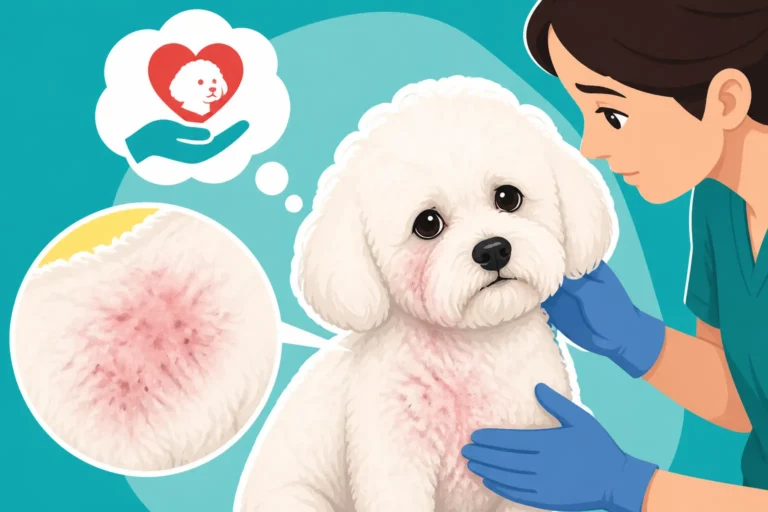
Then there are chronic conditions like allergies or Cushing's Disease in a Bichon Frise past seven. Treating conditions like atopic dermatitis can lead to ongoing costs for special shampoos, medications like Apoquel, or even regular Cytopoint injections. These health challenges can demand continuous veterinary care, specialized diets, and a commitment of time and money that many owners simply aren't prepared for, especially if they adopted their Bichon without understanding the breed's specific health predispositions. It's a huge emotional and financial strain, and it's completely understandable why someone might feel overwhelmed.
Behavioral Challenges
Sometimes, the reasons for considering a return are behavioral, and these can be particularly frustrating because they often feel like a personal failing. Housetraining a Bichon Frise, for example, is famously hard. They are intelligent, but their small bladders and sometimes stubborn nature can make the process agonizingly slow. You might have tried everything, from pads to frequent outdoor trips, but your Bichon Frise is still having accidents indoors, making daily life stressful and impacting your home environment. This is especially true if you are dealing with a regression at six months or if you suspect something deeper, like a urinary infection undoing a Bichon Frise's training.
Then there are issues like incessant barking, particularly the classic window barking a Bichon Frise does, which can lead to neighbor complaints or simply make a peaceful home impossible. While the merry temperament the Bichon Frise standard demands is typically delightful, some Bichons can develop anxiety or reactivity, leading to snapping or aggression, especially if they are in pain from an untreated condition like sore paws or ears. These issues require consistent training, patience, and sometimes professional intervention, all of which demand a significant investment of time and resources that an owner might not be able to provide.
Breeder Contracts and Return Policies
When you acquire a Bichon Frise puppy from a responsible breeder, the topic of returning the dog should ideally be covered in your initial contract. These clauses are designed to protect not only the buyer but, more importantly, the dog, ensuring it always has a safety net.
The Importance of a Written Contract
A written contract with your breeder is more than just a formality; it's a legally binding agreement that outlines the responsibilities of both parties. Reputable breeders invest heavily in their puppies, from health testing both Bichon Frise parents should have, to early socialization, and they care deeply about where their puppies end up. They want to ensure their dogs never end up in a shelter. Therefore, a good contract will almost always include a clause about what happens if you can no longer keep the dog.
This contract provides clarity and peace of mind. Without it, you might find yourself in a very difficult position with no clear path forward. It's crucial to read and understand every single clause before you sign, asking questions about anything that isn't clear, especially regarding returns or rehoming procedures. If a breeder doesn't offer a contract, or their contract doesn't address these possibilities, it's a red flag.
Typical Return Clauses
Most responsible breeders will include a "first right of refusal" clause in their contract. This means that if for any reason you can no longer keep your Bichon Frise, you are contractually obligated to contact the breeder first before attempting to rehome the dog yourself or surrender it to a shelter. The breeder then has the option to take the dog back.
Sometimes, the breeder will take the dog back without question, offering a full or partial refund depending on the contract terms and the dog's age and condition. Other times, they might ask you to keep the dog while they help you find a suitable new home, ensuring a smooth transition. This clause is a testament to their lifelong commitment to the dogs they produce. It's designed to prevent their puppies from ending up in unknown or potentially detrimental situations, leveraging their network and knowledge of the breed to find the best possible outcome.
Understanding Health Guarantees
Another vital part of a breeder contract is the health guarantee. This usually covers specific genetic conditions for a certain period, often the first year or two of the dog's life. For Bichon Frises, this might include guarantees against conditions like slipping kneecaps or inherited eye issues. If a covered condition emerges within the specified timeframe, the breeder might offer a refund, a replacement puppy, or contribute to veterinary expenses.
However, it's important to understand the limits of these guarantees. They typically don't cover common illnesses or accidents, nor do they cover conditions that develop much later in life, like the stone that comes back a year after Bichon Frise surgery. If you're considering returning a dog due to an expensive health issue that isn't covered by the guarantee, the breeder might still be willing to help out of goodwill, especially if their contract includes a general "take back" clause. Always communicate openly and honestly with your breeder about any health concerns.
Returning to a Rescue Organization
If your Bichon Frise came from a rescue, or if returning to a breeder isn't an option, a rescue organization specializing in Bichons is often the next best port of call. These organizations exist specifically to provide a safety net for dogs in need, and they understand that circumstances change.
Rescue Return Policies
Reputable rescue organizations almost always have a clear return policy for dogs they've placed. When you adopt from a rescue, you typically sign an adoption agreement that, much like a breeder contract, requires you to return the dog to them if you can no longer care for it. This is a fundamental part of responsible rescue practices, as it ensures the dog doesn't end up in a municipal shelter or an unsuitable home.
Rescue groups are often run by volunteers who pour their hearts and souls into these dogs. They want to know where their dogs are, and they are committed to finding them appropriate homes for life. Their return policies are usually quite compassionate, recognizing that life events can necessitate difficult decisions. They might not offer a refund of your adoption fee, but they will provide a safe haven and work diligently to re-evaluate and rehome your Bichon Frise.
The Process for Returning a Rescue Bichon Frise
The process for returning a Bichon Frise to a rescue typically starts with contacting them directly. Be prepared to explain your situation honestly and thoroughly. They will likely ask about your dog's current behavior, health status, and any specific needs, as this information is vital for their re-evaluation and future placement. You might be asked to fill out a surrender form and provide all veterinary records, food preferences, and any behavioral notes you have.
Depending on their capacity and foster availability, there might be a waiting period. Rescues often operate with limited resources and rely on foster homes, so immediate intake isn't always possible. During this time, you might be asked to continue caring for your Bichon Frise while they search for an open foster slot or a suitable adoptive family. This interim period can be challenging, but it's crucial for ensuring a smooth transition for the dog.
Ethical Considerations
Choosing to return a Bichon Frise to a rescue, rather than rehoming yourself or abandoning them, is an ethical decision that prioritizes the dog's welfare. While it may feel like a personal failure, it's actually an act of responsibility. Rescue organizations have the resources, experience, and networks to screen potential adopters thoroughly, ensuring the next home is truly forever. They understand the specific needs of Bichons, like their grooming requirements and propensity for conditions like dental disease in a Bichon Frise, and can match them with families prepared for these commitments.
Conversely, attempting to rehome a dog through online classifieds or social media without proper vetting can expose the dog to significant risks. You might inadvertently place your Bichon Frise in a home where they are neglected, abused, or simply not understood. A rescue provides that crucial layer of protection and expertise, making it the most responsible choice when you can no longer keep your pet. Remember, why Bichon Frises reach rescue around eight is often due to circumstances beyond the owner's control, not a lack of love.
Exploring Alternatives to Return
Before making the final decision to return your Bichon Frise, it's worth exploring every possible alternative. Many resources exist to help owners overcome challenges, and sometimes, a little extra support can make all the difference, allowing your beloved pet to stay in their home.
Seeking Professional Help for Behavioral Issues
If behavioral challenges are at the heart of your struggle, professional help can be a game-changer. For issues like stubborn housetraining or excessive barking, a certified professional dog trainer or a veterinary behaviorist can provide invaluable guidance. They can help you understand the root cause of the behavior and develop a tailored training plan that actually works. Sometimes, a urinary infection can undo a Bichon Frise's training, leading to accidents that mimic behavioral issues, so a vet check is always the first step.
Many trainers offer virtual consultations, making it easier to access help from the comfort of your home. They can teach you positive reinforcement techniques and management strategies. For a breed like the Bichon Frise that responds well to gentle, consistent training, these interventions can transform a frustrating situation into a manageable one. Don't feel you have to tackle these problems alone; there's a whole community of experts ready to support you.
Managing Health Expenses and Chronic Conditions
The cost of veterinary care, especially for chronic conditions, can be daunting. But before deciding to return your Bichon Frise due to finances, investigate all your options. Pet insurance, such as policies offered by Healthy Paws, can significantly alleviate the financial burden of unexpected illnesses or accidents, though it's usually best to get it when they are young before pre-existing conditions develop. If you already have a diagnosis, ask your vet about payment plans or consider applying for pet-specific credit cards with deferred interest options. Some animal welfare organizations offer financial aid programs for owners struggling with vet bills.
For dogs on expensive prescription diets for conditions like stones, consider exploring all approved brands or online pharmacies like Chewy that might offer competitive pricing or loyalty programs. Sometimes a different formulation, like a wet food to help get enough water into a Bichon Frise, can also be beneficial and potentially more palatable, reducing waste. Always discuss these options with your veterinarian to ensure your Bichon Frise's health is not compromised.
Rehoming Responsibly
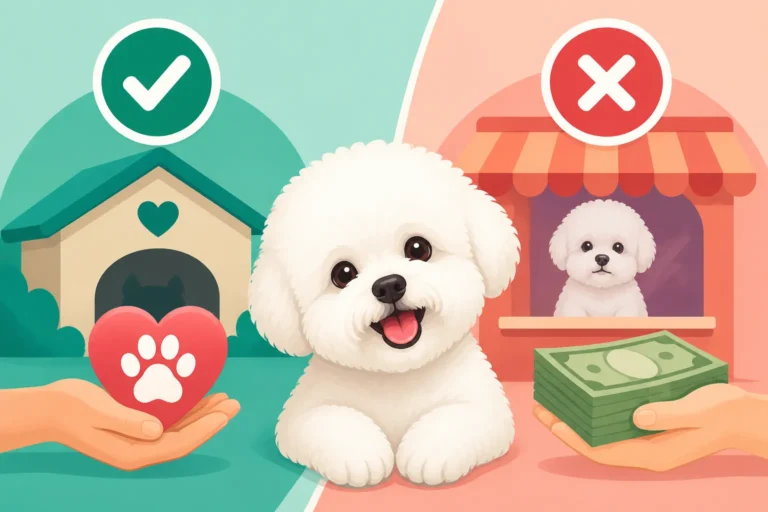
If returning to the breeder or rescue isn't feasible or desired, and you've exhausted all options to keep your Bichon Frise, then responsible rehoming becomes the priority. This means taking the time and effort to find a new, loving home yourself, rather than simply giving the dog away. Start by reaching out to your trusted network of friends, family, and colleagues. Sometimes, the perfect new family is just a few connections away.
When considering potential adopters, conduct thorough interviews, ask for references (including vet references), and arrange for home visits. Be transparent about your Bichon Frise's personality, habits, and any known health issues or needs. Prepare a "Bichon Frise bio" that highlights their wonderful qualities and outlines their daily routine. You might also want to include some of their favorite toys, a blanket with your scent, and a bag of their current food, perhaps sourced from a brand like Ollie, to help them adjust. Rehoming platforms that screen potential adopters can also be a valuable resource, providing a safer alternative to general online ads. The goal is to ensure your Bichon Frise lands in a home where they will be cherished and well-cared for.
Comparing Return and Rehoming Options
Here's a quick overview of the main options you might consider when you can no longer keep your Bichon Frise. Each option has its own set of advantages and challenges.
| Option | Pros | Cons | Key Considerations |
|---|---|---|---|
| Return to Breeder | Breeder knows the lineage, health history, and breed needs. | May not be an option if breeder is no longer active or contact lost. | Requires a clear, signed breeder contract with a return clause. Communication is key. |
| Return to Rescue | Organization specializes in the breed; thorough screening process. | May involve a waiting period due to foster availability. | Often required by adoption contract. May not receive a refund of adoption fee. |
| Self-Rehoming | You have control over selecting the new owner. | Requires significant time, effort, and careful vetting to find a good home. | Be honest about dog's history. Charge a rehoming fee to deter ill-intentioned individuals. |
| Shelter/Pound | Immediate intake (usually). | High stress for the dog; uncertain outcome; often overcrowded. | Should be a last resort. Research local shelters for "no-kill" policies or breed-specific rescue connections. |
Remember, the goal is always to prioritize your Bichon Frise's well-being and find them a stable, loving home for the rest of their life. Every effort to prevent them from ending up in a shelter is a testament to your love for them.
Disclaimer
This article is for general informational purposes only and does not constitute professional advice. Laws, prices and regulations vary by location and change over time. Consult a qualified professional for guidance on your specific situation.