Whether Adopting a Bichon Frise Costs Less
Bringing a new Bichon Frise into your life is an incredibly exciting prospect, full of dreams of cuddles and playful antics. But for many potential pet parents, the question of cost looms large, especially when considering adoption versus buying from a breeder. It's natural to wonder, "Whether Adopting a Bichon Frise Costs Less?" and this guide will walk you through the financial realities so you can make an informed decision without any surprises down the line.
The Initial Financial Savings of Adopting a Bichon Frise
When you first start looking into bringing a Bichon Frise home, one of the most immediate differences you'll notice between adopting from a rescue or shelter and purchasing from a reputable breeder is often the upfront cost. While the ultimate goal is finding your perfect companion, understanding these initial financial disparities can help you budget effectively for this significant life change.
Comparing Adoption Fees to Breeder Prices
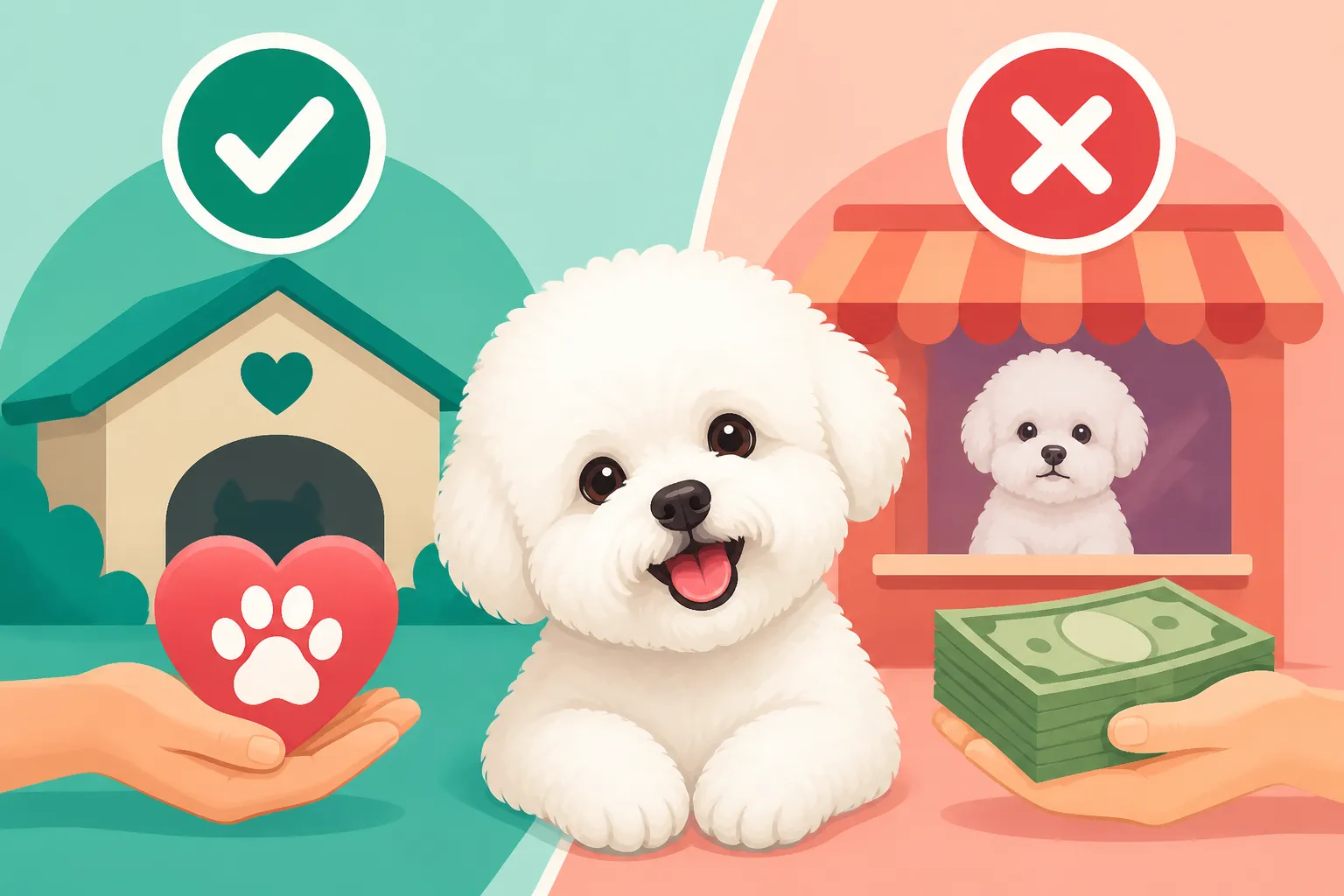
The sticker shock from a responsible breeder can be quite significant, and for good reason. Ethical breeders invest heavily in health testing, quality nutrition, veterinary care for the dam and puppies, early socialization, and often lifelong support for their dogs. This is why What a Bichon Frise Puppy Costs From a Real Breeder can be a substantial sum, often running into four figures. These prices reflect the true cost of breeding healthy, well-adjusted puppies.
In stark contrast, adoption fees from rescues and shelters are typically much lower. These organizations are non-profits, driven by the mission to save lives and rehome animals, not to generate profit. Their fees are designed to partially cover the expenses incurred during a dog's stay, rather than reflecting the market value of the breed. This immediate financial difference is often the primary motivator for people considering adoption, making it seem like a clear cost-saving path right from the start.
What Rescue Organizations Charge for a Bichon Frise
The adoption fee for a Bichon Frise from a rescue organization can vary widely, but it's generally a fraction of what you'd pay a breeder. You might find fees ranging anywhere from a couple of hundred dollars to perhaps five hundred or more, depending on the specific rescue, the dog's age, health status, and even the region. For instance, a young, healthy Bichon Frise might have a slightly higher fee than an older senior dog, simply because the rescue anticipates more competition for younger, seemingly "easier" adoptions.
It's crucial to understand that these fees are not arbitrary. They are carefully calculated to help the rescue continue its vital work. Every dollar contributes to food, shelter, staff, and most importantly, the veterinary care needed for all the animals under their wing. So, while the immediate answer to "Whether Adopting a Bichon Frise Costs Less" in terms of initial outlay is usually yes, remember that you are supporting a cause and helping another dog in need, not just getting a "discount" on a pet.
What's Included in the Adoption Fee
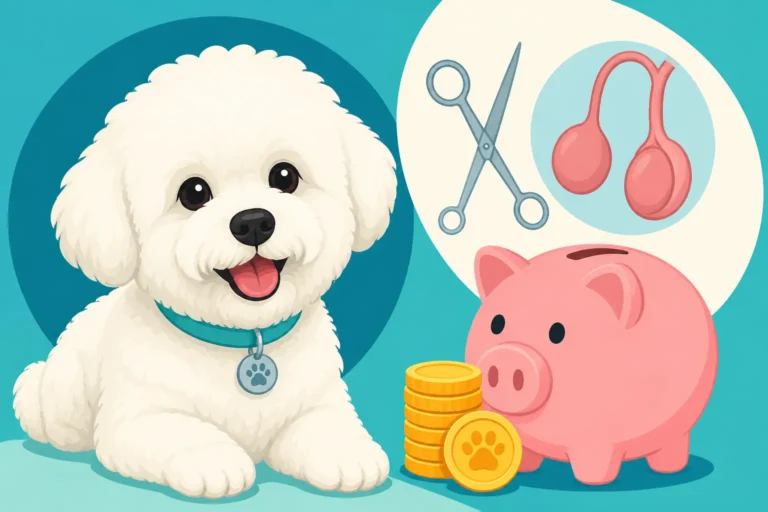
One of the biggest advantages, and often an overlooked financial saving, of adopting a Bichon Frise is the comprehensive care that's typically included in the adoption fee. When you adopt, your new family member will almost always come spayed or neutered, which is a major surgical procedure that can cost several hundred dollars if you were to arrange it yourself. They'll also typically have had their initial vaccinations, deworming treatments, and often a microchip implantation, which is invaluable for identification if they ever get lost.
Many rescues also provide an initial veterinary check-up and may even address minor health issues or provide some basic behavioral assessment or training tips before adoption. For a purebred puppy from a breeder, you'll pay the purchase price, and then generally be responsible for all these costs yourself – the spay/neuter, vaccinations, microchipping, and any initial health checks outside of what the breeder provides immediately. This bundling of essential services in the adoption fee offers a significant, immediate saving that goes beyond just the base fee comparison.
Understanding the Potential Hidden Costs and Health Realities of Adopted Bichons
While the initial adoption fee might be lower, it's vital to enter into adoption with open eyes, especially regarding the potential for ongoing health and behavioral costs. An adopted Bichon Frise's past might be a bit of a mystery, which can sometimes lead to unexpected expenses down the road.
Addressing Pre-Existing Conditions
It's a common and very valid concern among prospective adopters: what if the dog comes with health issues? Unfortunately, some rescue Bichons do arrive with pre-existing conditions, which can range from easily manageable to chronic and costly. Bichon Frises, as a breed, are predisposed to certain health challenges. For instance, bladder stones are a significant concern, and you might find yourself dealing with Whether a Rescue Bichon Frise Has a Stone History, requiring specialized diets or even surgery.
Other issues could include dental disease, which is rampant in small breeds if not properly cared for, or luxating patellas (slipping kneecaps), which can sometimes require surgical correction. Skin allergies, leading to persistent itching and infections, are also very common in the breed, and Whether a Rescue Bichon Frise Has Untreated Skin is a real possibility. While some rescues provide extensive veterinary care before adoption, the full extent of a dog's health history isn't always known, and you might inherit an ongoing situation that requires consistent veterinary attention and financial investment.
Ongoing Veterinary Care for Adopted Seniors or Special Needs Dogs
Adopting an older Bichon Frise or one with a known special need is a truly compassionate act, but it often comes with a higher likelihood of significant ongoing veterinary expenses. An older dog, for example, might already be showing signs of Arthritis in a Bichon Frise at Eleven, requiring pain management, joint supplements, or even physical therapy. Similarly, if you adopt a Bichon Frise diagnosed with Diabetes in a Bichon Frise, you're looking at a commitment to daily insulin injections, regular blood sugar monitoring, and specialized dietary needs, all of which add up over time.
This is where pet insurance can become a real lifesaver, though it's important to understand how it works with pre-existing conditions. Many policies, including those from providers like Healthy Paws, have specific clauses regarding conditions diagnosed before coverage begins. It's worth researching carefully, as Whether Bichon Frise Premiums Climb After Nine is also a factor, making comprehensive coverage for older dogs potentially more expensive or limited. Being prepared for these ongoing medical needs is crucial to providing your adopted Bichon Frise with a high quality of life.
Behavioral Challenges and Training Investment
An adopted Bichon Frise, especially one with an unknown past, might come with behavioral quirks or issues that require patience, time, and often, professional intervention. Housetraining, for example, can be a major hurdle. You might discover that Whether a Rescue Bichon Frise Arrives Clean Indoors isn't a guarantee, and breaking old habits or establishing new ones can take consistent effort. Accidents indoors, especially if related to anxiety or lack of previous training, can be incredibly frustrating.
Separation anxiety is another common issue, particularly in breeds like the Bichon Frise who thrive on companionship. This can manifest as destructive chewing, excessive barking, or inappropriate urination when left alone. Addressing these challenges often requires investment in professional dog trainers, behavioral consultations, or specialized equipment, all of which add to the overall cost of ownership. While love and patience go a long way, sometimes expert guidance is necessary to help your adopted Bichon Frise truly thrive in their new home.
The Unavoidable Ongoing Expenses for Any Bichon Frise
Regardless of whether you adopt or buy from a breeder, certain costs are simply inherent to owning a Bichon Frise. These aren't "hidden" costs, but rather regular, predictable expenses that you need to budget for over the lifespan of your furry friend.
Grooming – A Constant Need for Bichons
Let's be real: that beautiful, fluffy white coat doesn't maintain itself! Bichon Frises have a non-shedding coat that grows continuously, making professional grooming not just a luxury, but a necessity to prevent painful matting and skin issues. The Six Week Bichon Frise Groom That Never Stops is a mantra every Bichon owner quickly learns. Depending on your location and the groomer's rates, What a Full Bichon Frise Groom Costs can be a significant recurring expense, easily reaching a substantial sum every month or two.
Many owners try to save money by learning to groom their Bichons at home, which can reduce the frequency of professional visits. However, this requires an initial investment in quality grooming tools – brushes, combs, clippers, scissors, and a good dryer – and a significant time commitment. Even with home grooming, occasional professional trims are often needed to maintain the breed's signature "powder puff" look and ensure thorough cleaning and dematting.
Nutrition and Dietary Requirements
Feeding your Bichon Frise a high-quality diet is paramount for their health and longevity. Good nutrition supports their immune system, maintains coat health, and can even help prevent certain health issues. The cost of premium dog food, whether it's dry kibble, wet food, or fresh food options, can be a substantial monthly expense. If your Bichon Frise develops specific health conditions, their diet might need to be even more specialized.
For example, a Bichon Frise prone to bladder stones will likely require The Prescription Diet a Bichon Frise Never Comes Off for life, which can be more expensive than regular kibble. Some owners also opt for fresh food delivery services, such as Ollie, which can offer tailored nutrition but typically come at a higher price point than traditional bagged kibble. Investing in good food from the start can sometimes help prevent costlier veterinary bills down the road, making it a wise expense.
Routine Preventative Care and Supplies
Beyond specialized diets and grooming, every Bichon Frise needs regular preventative veterinary care and basic supplies. This includes annual check-ups, booster vaccinations, and consistent parasite prevention for fleas, ticks, and heartworm. These routine veterinary visits are essential for early detection of potential health problems and maintaining overall wellness.
Then there are the everyday essentials: a comfortable bed, food and water bowls, a collar and leash (or harness, which is often recommended for Bichons to protect their delicate tracheas), and a rotating selection of toys. Don't forget treats for training and enrichment! Online retailers like Chewy can be a great resource for competitive pricing and convenient delivery of these ongoing supplies. Furthermore, routine dental care, including professional cleanings, is incredibly important for Bichons; What a Bichon Frise's Dental Costs can be surprising if you're not prepared, and regular brushing at home is key to minimizing these expenses. You'll also need to consider How Often a Bichon Frise's Teeth Need Scaling as they age.
Long-Term Financial Planning for a Bichon Frise Companion
While the initial adoption fee might be lower, it's crucial to look beyond the immediate savings and consider the entire financial picture over your Bichon Frise's life. True cost-effectiveness comes from understanding the long-term commitment.
The True Lifetime Cost of Ownership
It's easy to focus on the initial costs, but the real financial commitment of a Bichon Frise unfolds over many years. When you consider The Fourteen to Fifteen Years a Bichon Frise Lives, all those monthly expenses for food, grooming, routine vet care, and unforeseen medical issues really add up. That "cheaper" adopted dog might require more in ongoing medical care than a carefully bred puppy whose parents had extensive health screenings.
In the end, What Fifteen Years With a Bichon Frise Comes To can be a substantial sum. It's a journey, not a one-time purchase. This isn't meant to deter you from adopting, but rather to encourage a realistic perspective. The love and companionship a Bichon Frise brings are priceless, but their well-being requires a consistent financial commitment that goes far beyond the adoption fee.
Budgeting and Financial Preparedness
To avoid financial stress and ensure your Bichon Frise receives the best possible care, creating a detailed budget is essential. Start by listing all predictable monthly and annual expenses, from food and grooming to preventative medications. Then, factor in a contingency for unexpected veterinary emergencies. This is where options like pet insurance or a dedicated savings fund come into play.
As discussed, pet insurance from companies like Healthy Paws can help buffer the impact of large, unexpected veterinary bills, especially for accidents or new illnesses. Alternatively, consistently Setting Money Aside for a Bichon Frise's Vet Bills in a high-yield savings account can create your own emergency fund. Even small, regular contributions can grow into a significant safety net over time, providing peace of mind when your furry friend inevitably needs medical attention.
The Intangible Rewards vs. The Financial Outlay
Ultimately, while cost is a practical and important consideration, the decision to welcome a Bichon Frise into your home, whether adopted or purchased, is about more than just money. The joy, laughter, unconditional love, and companionship these fluffy little dogs bring are truly immeasurable. Many adopters find immense satisfaction in giving a deserving dog a second chance at a loving home, knowing they've saved a life.
Yes, there will be expenses, sometimes unexpected ones. But the emotional return on your investment in a Bichon Frise is profound. Whether you pay an adoption fee or a breeder price, you're not just buying a pet; you're committing to a family member who will enrich your life in countless ways. By being financially prepared and understanding the full scope of ownership, you can ensure a happy, healthy life for your beloved Bichon Frise, regardless of their origin.
Cost Comparison: Adoption vs. Breeder
Here's a simplified look at how initial and ongoing costs might compare between adopting a Bichon Frise and purchasing from a reputable breeder. This table highlights common expenses, but individual situations will always vary.
| Cost Category | Adoption (Typical Range) | Breeder (Typical Range) | Notes |
|---|---|---|---|
| Initial Costs | |||
| Purchase/Adoption Fee | Lower (e.g., $200 – $600) | Higher (e.g., $1,500 – $3,500+) | Adoption fees help cover rescue expenses; breeder prices reflect health testing, quality care, and ethical breeding practices. |
| Spay/Neuter Surgery | Often included | Not included (additional $300 – $800) | A significant saving with adoption, as this major surgery is usually done before rehoming. |
| Initial Vaccinations | Often included | Usually included (first shots) | Rescues typically provide age-appropriate vaccines; breeders often provide first set. |
| Microchipping | Often included | Additional cost ($30 – $70+) | Most adopted dogs are microchipped for identification. |
| Initial Health Check | Often included | Included by breeder | Rescues provide a health check; breeders will have checked puppies before sale. |
| Potential Early Medical | Varies (pre-existing conditions possible) | Lower (health tested parents) | Adopted dogs may come with unknown or pre-existing conditions requiring early treatment. Ethical breeders screen parents to reduce genetic health risks. |
| Ongoing Annual Costs | |||
| Food & Treats | Consistent ($300 – $700+) | Consistent ($300 – $700+) | Quality food is essential for all Bichons. Specialized diets for health issues can increase this. |
| Professional Grooming | Consistent ($600 – $1200+) | Consistent ($600 – $1200+) | Regular professional grooming is a necessity for the Bichon coat, regardless of origin. Home grooming can reduce this but requires equipment investment. |
| Routine Vet Care | Consistent ($200 – $500+) | Consistent ($200 – $500+) | Annual check-ups, vaccinations, parasite prevention. This applies to all dogs. |
| Pet Insurance | Varies (may exclude pre-existing) | Varies (often cheaper for puppies) | Important for unexpected large bills. Pre-existing conditions in adopted dogs may not be covered immediately. Younger, healthy dogs from breeders may qualify for lower premiums. |
| Supplies (toys, bed, etc.) | Consistent ($100 – $300+) | Consistent ($100 – $300+) | Basic necessities for any dog. |
| Dental Care | Consistent ($300 – $800+) | Consistent ($300 – $800+) | Routine dental cleanings are often needed for Bichons throughout their lives. |
| Total Estimated First Year | Lower-Moderate | Higher | Initial savings from adoption can be significant, but ongoing costs quickly equalize. |
| Total Estimated Lifetime (14-15 years) | High – Very High | High – Very High | The cost of a dog over its lifetime is substantial, regardless of acquisition method, due to ongoing care, food, grooming, and potential medical needs. What Fifteen Years With a Bichon Frise Comes To is a truly significant investment. |
Disclaimer
This article is for general informational purposes only and does not constitute professional advice. Laws, prices and regulations vary by location and change over time. Consult a qualified professional for guidance on your specific situation.