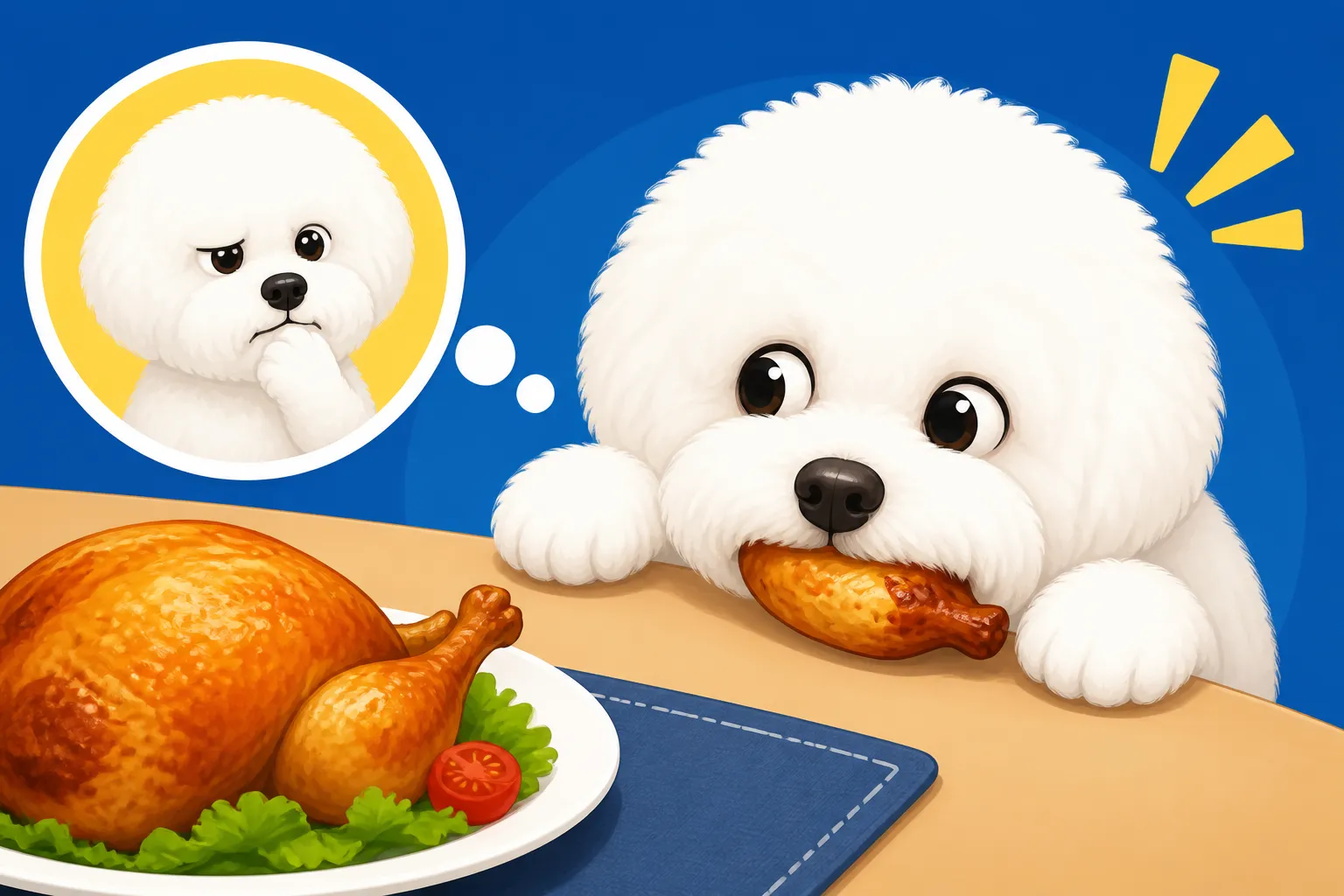
Whether a Bichon Frise Steals Food
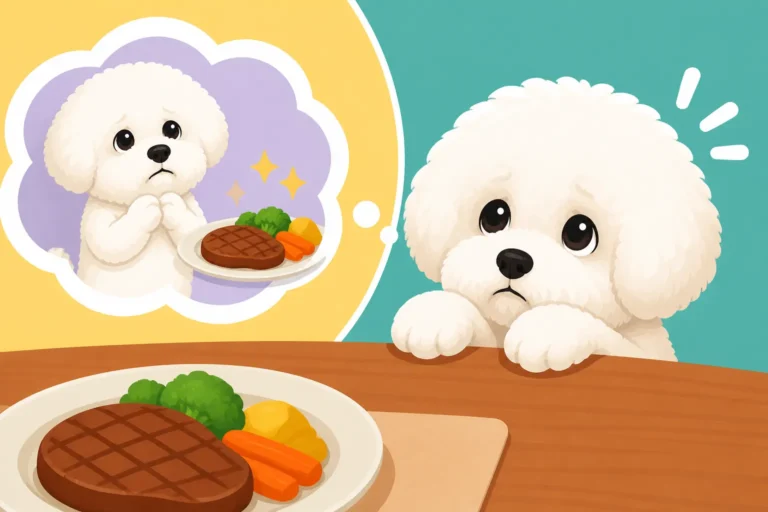
Oh, the infamous "Bichon bandit"! Many of us Bichon Frise parents have walked into a room only to find our fluffy angel with a guilty look, crumbs on their pristine white beard, and a half-eaten snack that definitely wasn't theirs. It's a frustrating, and sometimes dangerous, habit that can turn your kitchen into a constant battleground. This guide will dive deep into why your sweet Bichon might be developing a penchant for pilfering food, explore effective strategies to curb this behavior, and discuss the serious health implications that can arise from their culinary escapades.
The "Innocent" Thief: Understanding Why Your Bichon Frise Steals Food
It’s easy to feel betrayed when your seemingly angelic Bichon Frise snatches a sandwich right off the coffee table. You look at their sweet, fluffy face and wonder how such a tiny dog can be so devious. But for a Bichon, or any dog really, food stealing isn't about malice; it's often a mix of instinct, learning, and sometimes, even boredom. Understanding the roots of this behavior is the first step toward managing it effectively.
Instinctual Drives and Opportunistic Behavior
Let's be real: dogs are natural scavengers. Their ancestors, and even modern-day wild canids, spent a good portion of their lives seeking out food, often from whatever sources were available. This means that a forgotten plate on a low table or an open pantry door is, to your Bichon, not a transgression but an opportunity. They aren't thinking "I shouldn't do this"; they're thinking "Score! Free meal!" Their small size often makes them surprisingly agile counter-surfers or stealthy floor-scavengers. They are incredibly driven by scent, and the aroma of your freshly baked cookies or last night's leftover pizza is simply irresistible. This strong instinct for high-value food means that even if they're well-fed, the allure of something "forbidden" is powerful. It’s akin to how we might eye a dessert when we’re already full – it’s just too tempting to pass up when the chance arises.
Moreover, the Bichon Frise, despite its pampered appearance, retains a strong curiosity and problem-solving drive. They'll quickly learn that certain heights are accessible or that if they whine long enough, a dropped crumb might be "accidentally" kicked their way. This opportunistic nature means they're constantly evaluating their environment for potential food sources. If they successfully snatch a treat even once, that memory can be incredibly strong, reinforcing the behavior for future attempts. It’s not about being "bad"; it's about being a successful little predator in their own domestic jungle.
The Role of Attention and Reinforcement
Sometimes, we inadvertently teach our Bichons that food stealing gets them something they want, even if it's not more food. Imagine your Bichon snatches a sock, and you chase them, yelling, to get it back. To them, that chase might be a fun game, and the yelling, attention. The same can apply to food. If every time they sniff around the kitchen counter, you immediately give them a stern "No!" and push them away, they're getting your attention, which can be a powerful reinforcer for some dogs, especially a breed as people-oriented as the Bichon Frise.
More directly, if your Bichon successfully steals food and eats it, the act itself is highly self-reinforcing. The delicious taste and satisfaction of the stolen morsel is its own reward. The more times they get away with it, the stronger the habit becomes. It's like a slot machine: even if they don't win every time, the occasional jackpot makes them keep trying. This is why consistency is absolutely key. Any slip-up, any time they manage to snag something, strengthens the neural pathway that says, "Yes, this works! Try again!" They're smart, and they learn quickly what pays off. This also connects to why Whether Table Scraps Undo a Bichon Frise's Stone Diet is such a critical consideration, as even small "wins" can derail vital dietary management.
The Impact of Boredom and Underexercise
A bored dog is often a mischievous dog, and a Bichon Frise, despite its small size, needs mental and physical stimulation. If your Bichon isn't getting enough walks, playtime, or engaging activities, they might turn to illicit food adventures to entertain themselves. Imagine being stuck in a house all day with nothing to do – you'd probably start looking for ways to occupy your time, too! Sniffing out forgotten crumbs, trying to reach a tantalizing snack on a shelf, or tearing into a garbage can could be a way for them to relieve pent-up energy and mental stagnation.
This is especially true for energetic breeds. While the "Bichon Blitz" is a common burst of energy, sustained lack of appropriate activity can lead to a dog seeking out less desirable forms of engagement. If your Bichon isn't getting their daily dose of walks, puzzle toys, or training sessions, they have all that mental and physical energy just sitting there, waiting to be channeled. Raiding the kitchen becomes an exciting, stimulating "hunt." Providing ample exercise and mental challenges, perhaps exploring some fun tricks, can dramatically reduce their inclination to find their own, often problematic, forms of entertainment. If your Bichon still has too much energy after their walks, you might want to look into Whether a Bichon Frise Settles After Exercise and consider adding more structured play or training sessions.
Strategies for a Food-Secure Home with a Bichon Frise
Dealing with a food-stealing Bichon requires a multi-pronged approach that combines environmental management, consistent training, and enriching activities. It's about making it impossible for them to steal food, teaching them better manners, and ensuring their needs are met so they're less inclined to be mischievous.
Fortifying Your Home Against Canine Counter-Surfing
The most immediate and often most effective strategy is to remove the opportunity. If your Bichon can't reach it, they can't steal it. This might sound obvious, but it requires diligent habits from every member of the household.
First, keep food out of reach. This means pushing plates further back on counters, never leaving food unattended on coffee tables or low shelves, and ensuring pantry doors are securely closed. Invest in dog-proof garbage cans with secure lids – trust me, your Bichon will view an open trash can as a buffet. If you have children, teach them the importance of not leaving food scraps or plates within your Bichon's reach. A little Bichon can be surprisingly adept at getting to things you think are safe. You might even consider using baby gates to block off kitchen access when you're cooking or eating, especially if you have a particularly persistent pilferer. For securing items, checking out options on Amazon for sturdy pet-proof containers and baby gates can be incredibly helpful.
Second, teach "leave it" and "off" commands. These are absolutely crucial for impulse control. Start by practicing "leave it" with low-value items on the floor, rewarding heavily when your Bichon ignores the item and looks at you. Gradually increase the temptation. "Off" is for getting them down from furniture or counters. Consistency is key here; everyone in the family needs to use the same commands and expectations. This training builds a foundation of respect and understanding, helping your Bichon learn that human food is off-limits unless explicitly offered. This kind of consistent training ties directly into topics like What a Bichon Frise Will Work For – using high-value treats for training can make these commands stick better.
The Importance of Consistent Training and Management
Beyond specific commands, an overall strategy of consistent management is paramount. This means everyone in the household needs to be on the same page, every single time. One slip-up can set your training back significantly because, as we discussed, success is highly reinforcing for a Bichons.
Crate training can be a fantastic management tool, especially during meal times or when you can't actively supervise your Bichon. A comfortable crate isn't a punishment; it's their safe den where they can relax while you eat your dinner without worrying about sneaky paws. This also prevents them from practicing undesirable behaviors. Many Bichon Frises do well with crates, and if you're wondering if it's right for your pup, you might find useful tips in Whether Crate Training Works on a Bichon Frise. Remember to make the crate a positive place with comfy bedding and toys.
Another aspect of management is supervision. When your Bichon is out, they should be supervised. This isn't always practical, but it means actively watching them, especially in areas where food is present. If you catch them eyeing the counter, redirect their attention immediately with a toy or a simple command like "sit" or "down" and reward them for complying. This teaches them that engaging with you in a positive way is more rewarding than attempting to steal food. For those looking for comprehensive training resources, a structured online program, like the one offered by BAXTER & Bella, can provide a step-by-step guide to teaching these crucial skills and building good habits from puppyhood.
Enriching Their Environment to Reduce Temptation
As mentioned earlier, boredom can be a huge driver for food stealing. A mentally and physically satisfied Bichon is much less likely to go "hunting" for forbidden snacks.
Puzzle toys and treat dispensers are brilliant for this. Instead of simply putting their kibble in a bowl, make them work for it! There are countless options available on Amazon, from simple Kongs that can be stuffed with peanut butter or wet food and frozen, to more complex puzzle feeders that require your Bichon to use their brain to get their meal. This taps into their natural foraging instincts in a safe, acceptable way, providing mental stimulation and keeping them occupied.
Regular exercise and playtime are also non-negotiable. Even small dogs like Bichons need their daily walks, and ideally, some off-leash playtime in a secure area if possible. Engaging them in interactive play with toys, such as fetch or tug, helps burn off physical energy. Also, consider teaching them new tricks. Bichons are intelligent and often eager to please, and learning new commands or tricks provides excellent mental exercise. This can be a great way to bond and redirect their energy. For ideas, check out Whether a Bichon Frise Learns Tricks to find some fun challenges for your clever pup. A well-exercised and mentally engaged Bichon is a happy Bichon, and a happy Bichon is less likely to resort to mischief.
When Food Stealing Becomes a Health Risk for Your Bichon Frise
While the annoyance of a stolen cookie is one thing, the true danger of a food-stealing Bichon Frise lies in the potential for them to ingest something that could make them seriously ill, or even prove fatal. Their small size makes them particularly vulnerable to toxic ingredients or foods that can exacerbate existing health conditions.
The Dangers of Inappropriate Foods and Toxic Substances
This is where the cute "Bichon bandit" routine stops being funny and becomes genuinely concerning. Many common human foods are toxic to dogs, and a small breed like a Bichon Frise needs only a tiny amount to suffer severe consequences.
Think about the ubiquitous chocolate. Even a small piece of dark chocolate can cause vomiting, diarrhea, tremors, seizures, and even death in a Bichon. Grapes and raisins, often found in fruit salads or baked goods, can cause acute kidney failure. Xylitol, a common artificial sweetener found in sugar-free gum, candies, and even some peanut butter, is incredibly potent and can cause a rapid, life-threatening drop in blood sugar and liver failure. Onions and garlic, found in many savory dishes, can damage red blood cells. Even fatty foods like bacon or rich gravies, while not immediately toxic, can trigger pancreatitis, a painful and potentially serious inflammation of the pancreas.
It's not just explicitly toxic foods either. Items like cooked bones can splinter and cause internal damage or blockages. Raw dough can expand in their stomach and cause bloat, a life-threatening emergency. Knowing Foods That Are Dangerous to a Bichon Frise is absolutely paramount for any Bichon owner. Being proactive about securing these items is not just about manners; it's about protecting your dog's life.
Managing Existing Health Conditions Like Bladder Stones
Bichon Frises are, unfortunately, predisposed to certain health issues, particularly bladder stones, specifically calcium oxalate stones. If your Bichon is on a special prescription diet to manage or prevent these stones, any deviation from that diet, even a small stolen treat, can have dire consequences.
The specific balance of minerals and pH in a prescription urinary diet is carefully formulated to prevent stone formation. Introducing foods that are high in oxalates (like spinach or sweet potato), or simply changing the overall composition of their intake with human food, can disrupt this delicate balance. What might seem like a harmless crumb to you could be enough to tip the scales and encourage the formation of new stones. This is why discussions around The Diet a Bichon Frise Stays On for Life are so crucial. If your Bichon has a history of stones, or is on a preventative diet, food stealing moves beyond a behavioral nuisance to a serious health management crisis. It can lead to painful blockages, expensive surgeries, and a lot of suffering for your furry friend. Therefore, absolute vigilance is required to ensure their diet is strictly adhered to, protecting them from the agony and danger of stone recurrence.
Seeking Professional Help for Persistent Behavior
If despite your best efforts at management and training, your Bichon Frise continues to be a persistent food thief, it might be time to bring in the big guns. Sometimes, these behaviors are more deeply ingrained or are symptoms of underlying anxiety or compulsive tendencies that go beyond simple opportunism.
A veterinarian should always be your first stop. They can rule out any medical reasons for excessive hunger or unusual behaviors, such as certain endocrine disorders. They can also advise on the specific dangers of certain foods, especially if your Bichon has managed to ingest something concerning. If your Bichon is on a special diet, your vet is the best person to discuss the risks associated with any unauthorized food.
For behavioral issues, your vet might recommend a certified professional dog trainer or a veterinary behaviorist. These experts have specialized knowledge and can assess your Bichon's specific temperament and situation. They can help you develop a tailored training plan, identify triggers, and teach you advanced techniques for impulse control and obedience. They can also address any anxiety or stress that might be contributing to the food-stealing, helping your Bichon feel more secure and less driven to scavenge. Remember, asking for help isn't a sign of failure; it's a sign that you're committed to providing the best possible care for your beloved Bichon Frise.
Common Stolen Foods and Their Risks for Bichon Frises
Here's a quick reference table of common human foods your Bichon Frise might try to steal and why they're dangerous. This is by no means an exhaustive list, so always err on the side of caution!
| Food Item | Why It's Attractive to a Bichon | Potential Dangers for a Bichon Frise |
|---|---|---|
| Chocolate | Sweet, rich smell | Vomiting, diarrhea, tremors, seizures, heart problems, death (toxicity varies by type) |
| Grapes/Raisins | Sweet, often dropped | Acute kidney failure |
| Xylitol (in gum, candy, peanut butter) | Sweet, pleasant aroma | Rapid blood sugar drop, liver failure, seizures, death |
| Onions/Garlic | Pungent, savory | Red blood cell damage (anemia), vomiting, weakness |
| Avocado | Creamy texture | Persin (a toxin) can cause vomiting/diarrhea in large amounts; pit is choking hazard |
| Cooked Bones | Chewy, meaty smell | Splintering, choking, internal punctures, blockages |
| Fatty Scraps (bacon, rich gravy) | Strong, appealing smell | Pancreatitis (painful inflammation of the pancreas), vomiting, diarrhea |
| Caffeine (coffee, tea, soda) | Often sweet/bitter | Heart palpitations, tremors, hyperactivity, seizures |
| Alcohol | Sweet smell often present | Vomiting, diarrhea, disorientation, tremors, coma, death |
| Macadamia Nuts | Crunchy, fatty | Weakness, vomiting, tremors, hyperthermia (though rarely fatal) |
| Raw Dough | Yeasty smell, soft | Expansion in stomach (bloat), alcohol toxicity |
| Salty Snacks (chips, pretzels) | Salty taste | Excessive thirst, sodium ion poisoning (vomiting, diarrhea, tremors, seizures) |
Disclaimer
This article is for general informational purposes only and does not constitute professional advice. Laws, prices and regulations vary by location and change over time. Consult a qualified professional for guidance on your specific situation.