Whether a Bichon Frise Accepts Ear Drops Twice a Day
Many Bichon Frise parents find themselves in a tricky spot when their beloved little fluffball needs ear drops, especially if it's a twice-daily routine. It’s an act that can quickly turn into a wrestling match, leaving both you and your sweet dog stressed and defeated. This guide is here to walk you through the practical, empathetic, and sometimes challenging steps to successfully administer ear drops to your Bichon Frise, making it a less traumatic experience for everyone involved.
Why Your Bichon Frise Might Be Resisting Ear Drops
Let's be honest, getting a small, wiggly dog to stay still for something as invasive as ear drops can feel like an impossible mission. Bichon Frises, despite their cheerful demeanor, can be quite sensitive, and their ears are no exception. Understanding why they resist is the first step toward finding a calmer solution.
Natural Sensitivities and Anxiety
Bichons are generally affectionate and eager to please, but they're also highly attuned to their environment and can be quite sensitive. Their ears are particularly delicate, and any pain, discomfort, or even just the cold sensation of drops can be startling. Imagine a cold, liquid surprise in your ear – it's not pleasant! For many Bichons, the experience quickly becomes associated with fear or pain, leading to a strong aversion. This sensitivity can be amplified if they've had previous painful ear infections or negative experiences at the vet or groomer. Their little brains remember, and they'll start associating the sight of the bottle or even just you approaching with a certain look in your eye with that unpleasant sensation. It's not about them being "naughty"; it's a natural protective instinct.
Past Negative Experiences
If your Bichon has suffered from chronic ear infections, the act of having their ears handled or treated can become deeply ingrained as a source of pain. Even after the infection has cleared, that memory lingers. Perhaps during a particularly bad infection, the ear was very sore, and even gentle cleaning or drops caused significant discomfort. This can create a lasting negative association, making future treatments, even for minor issues, incredibly difficult. It's crucial to acknowledge this history and approach them with extra patience and gentleness. Sometimes, a past rough grooming experience where ears were handled carelessly can also contribute to this reluctance, as the ear area is part of their overall grooming routine.
The Challenge of Regularity and Their Independent Streak
Administering drops twice a day, every day, for an extended period, can feel relentless. Your Bichon, while loving, is still a dog with its own will. Some Bichons have a surprising independent streak, and they quickly learn to anticipate the twice-daily "attack" on their ears. This isn't necessarily stubbornness; it's often a learned behavior to avoid discomfort. They might bolt, hide under furniture, or even nip if they feel cornered. The sheer consistency required makes it challenging because there's little downtime for them to forget the unpleasantness. This constant battle can erode trust between you and your dog, making the process even harder over time.
Preparing for a Smoother Ear Drop Experience
A little preparation goes a long way in making ear drop administration less of a battle. Think of it as setting the stage for success, not just for the immediate task but for building a positive association for future ear care.
Gathering Your Supplies and Setting the Scene
Before you even think about approaching your Bichon, gather everything you'll need. This includes the ear drops (at room temperature, if possible!), some cotton balls or soft wipes, and most importantly, an abundance of their favorite, high-value treats. You might also consider having a clean towel ready, especially if your Bichon tends to shake their head after drops, which can spray medication everywhere. Choose a quiet, calm space where your dog feels safe and comfortable, free from distractions like other pets, loud noises, or tempting toys. A bathroom or a corner of a quiet room can work well. The goal is to minimize stress for both of you. Having everything within arm's reach means you won't have to pause and search, which can cause your dog to become anxious or try to escape.
Acclimating Your Bichon to Touch
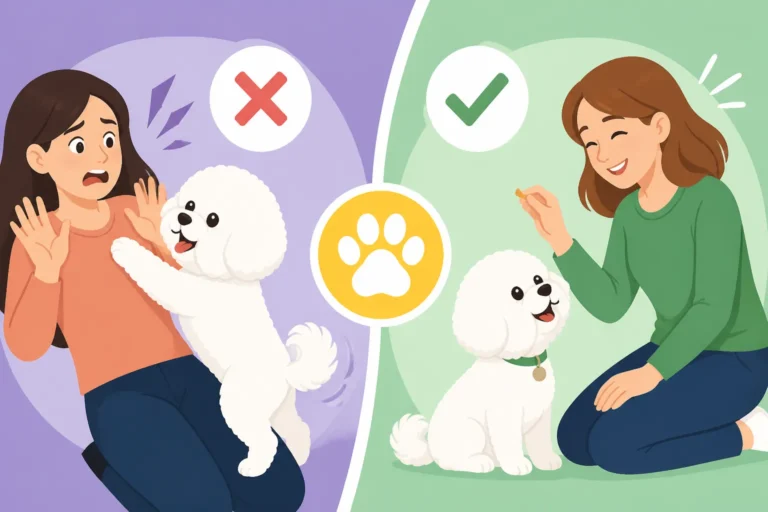
Many Bichons aren't naturally fond of having their ears messed with, especially if they've had past issues. This is where desensitization and counter-conditioning come in. Start small, during calm moments, by gently touching their shoulder, then their neck, slowly working your way up to their head and finally, their ears. Each time you touch, give a tiny, delicious treat and praise them softly. Don't go straight for the ear canal; just a gentle stroke of the outer ear flap. The key is to keep these sessions very short and positive, ending before your dog shows any signs of discomfort. Over days or weeks, gradually increase the duration and intensity of the touch, always pairing it with treats. You want them to associate ear touch with good things happening. This process can significantly reduce resistance when it comes to the actual drop administration.
The Importance of Temperature and Positioning
Cold ear drops can be a shock to a sensitive ear, causing your Bichon to pull away or yelp. Before administering, gently warm the bottle in your hands for a few minutes or place it in a bowl of warm water (ensure no water gets into the bottle itself). Test a drop on your wrist to make sure it's not too hot.
When it comes to positioning, you want a secure but comfortable hold. For smaller Bichons, you can sit on the floor with your dog gently cradled between your legs, facing away from you. This provides a soft "barrier" to prevent them from backing up. Alternatively, you can have them sit on a non-slip surface, like a bathmat on a table, with one arm gently around their body and the other supporting their head. The idea is to prevent sudden movements without being overly restrictive. You can also try wrapping your Bichon in a soft towel, sometimes called a "burrito wrap," leaving just their head exposed. This can provide a sense of security and limit their ability to squirm, but only if your dog tolerates it and doesn't become more stressed by the restraint.
Step-by-Step Guide to Administering Ear Drops
Now for the main event. Remember to stay calm, speak in soothing tones, and move with purpose. Your confidence will help reassure your Bichon.
The Approach: Gentle and Assuring
Approach your Bichon calmly, perhaps calling them to you with a cheerful voice. Avoid sudden movements or snatching them up, which can heighten their anxiety. Once they are with you, spend a moment just petting them, offering a treat, and praising them. This isn't just a distraction; it's about building positive associations before the drops even come out. Let them sniff the ear drop bottle if they're curious, but don't force it. The idea is to make this whole routine as unalarming as possible. Some owners find it helpful to start with a gentle ear massage, using a very small amount of an ear cleaner or solution approved by your vet, like a gentle pet ear wipe available on Amazon, just to get them used to the feeling of something near and in their ear.
Administering the Drops: Technique Matters
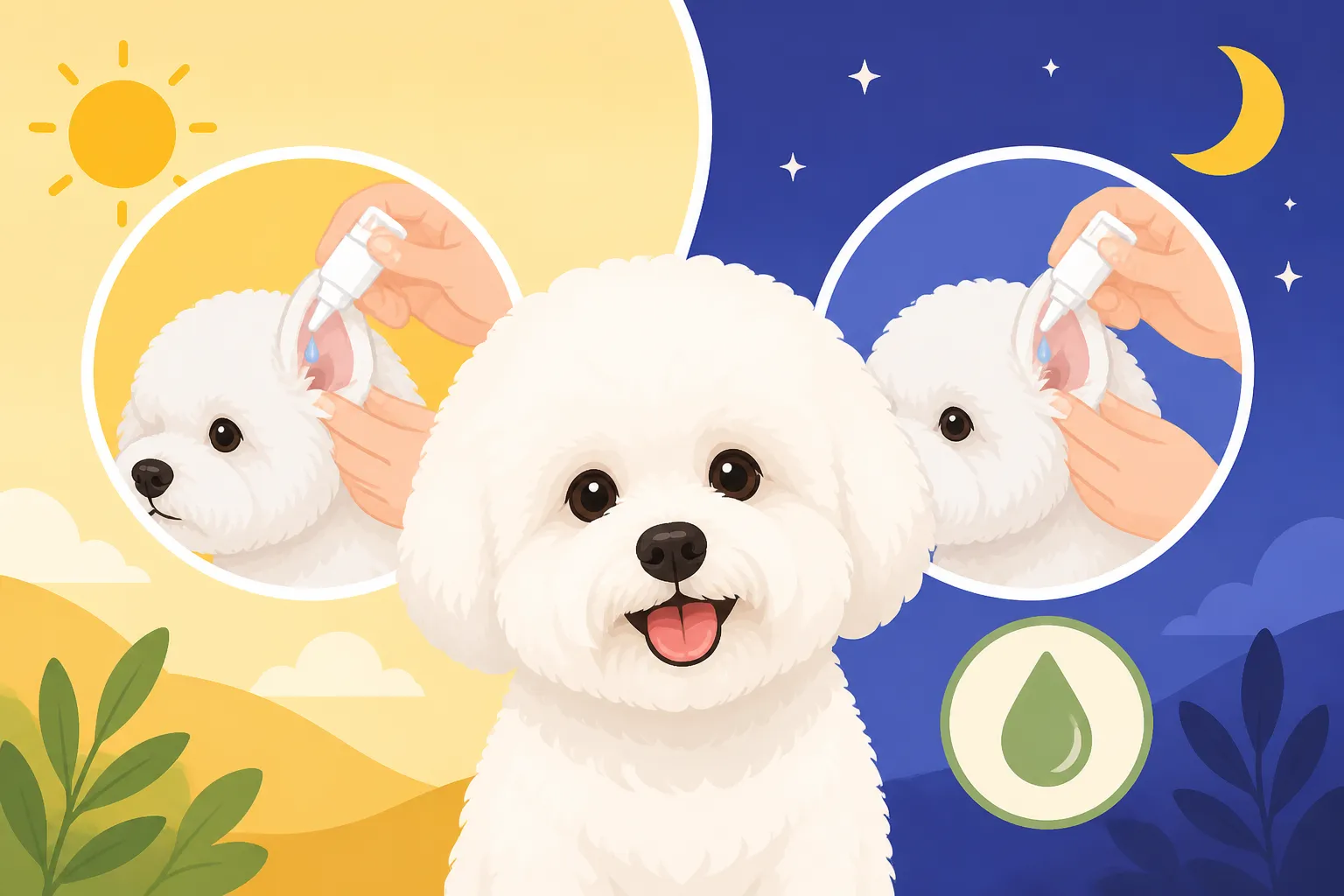
- Secure and Steady: Gently but firmly hold your Bichon. If you're on the floor, use your legs. If on a table, one arm around their body. Your other hand will support their head.
- Lift the Ear Flap: Gently lift the ear flap (pinna) to expose the ear canal. Bichons have floppy ears, so you'll need to pull it up and slightly back to open the canal.
- Insert and Squeeze: Hold the ear drop bottle with the tip pointed into the ear canal. Crucially, do not touch the ear with the tip of the bottle. This prevents contamination. Squeeze the bottle to administer the prescribed number of drops. The goal is to get the drops deep enough to reach the affected area.
- Massage Gently: Once the drops are in, keep the ear flap lifted for a moment to prevent your Bichon from immediately shaking their head. Then, gently massage the base of the ear. You should hear a squishy sound, which indicates the medication is coating the inside of the ear canal. This massage also helps distribute the medicine.
- Clean Up: After massaging, release the ear flap. Your Bichon will likely want to shake their head, which is perfectly normal. Have a cotton ball or soft wipe (again, readily available from Amazon) ready to clean any excess medication from the outer ear and surrounding fur. Don't push anything deep into the ear canal.
The Immediate Aftermath: Praise and Reward
As soon as the drops are in and massaged, immediately flood your Bichon with praise and high-value treats. Make it a celebration! Let them know they did a fantastic job. The goal is to create a strong positive association. If the drops are followed by immediate rewards, they'll learn that while the ear drops might be a bit weird, the payoff is absolutely worth it. This positive reinforcement is key to making the next session easier. Don't rush them away; spend a minute or two petting and reassuring them. Consistency in this reward system is paramount.
Troubleshooting and Long-Term Strategies for Compliance
Even with the best preparation, some Bichons remain resistant. Don't despair! There are always more tricks up your sleeve and strategies for long-term success.
When Your Bichon Refuses: Patience and Breaks
If your Bichon is really struggling and becoming highly distressed, don't force it to the point of breaking their trust or causing injury. Sometimes, a short break is better than continuing a losing battle. Step away for 10-15 minutes, allow them to calm down, and then try again. Re-approach with treats and a calm demeanor. If they still refuse, and it's a critical medication, contact your vet for advice. They might be able to offer alternative medications (like oral antibiotics if appropriate for the infection) or demonstrate different handling techniques. For extremely difficult cases, your vet might even suggest a mild sedative to facilitate the treatment process, but this is usually a last resort for very anxious dogs or very painful ears.
Utilizing Positive Reinforcement and Training Aids
Positive reinforcement is your most powerful tool. Make every ear interaction, even if it's just looking at the ear drop bottle, a chance for a treat. Consider using clicker training if you're familiar with it, to mark the exact moment they tolerate the touch or the drops. Online resources, like those offered by BAXTER & Bella, often provide great insights into positive training methods that can be adapted for sensitive handling tasks. You could even practice with an empty, clean dropper bottle and water as "fake" ear drops, turning it into a game. Reward heavily for even small successes, like letting you lift their ear flap for a second. This gradual desensitization is far more effective than brute force. Teaching a Bichon Frise to Accept Ear Treatment is a process, not a one-off event.
Long-Term Ear Care Routines
Preventative care can reduce the need for drops in the first place. Establish a regular ear cleaning routine as recommended by your vet. This might involve using a gentle ear cleaner and cotton balls a few times a week. The more accustomed your Bichon is to having their ears handled, the easier it will be when medication is required. Consider regular checks for Recurrent Ear Infections in a Bichon Frise and discuss with your vet How Often a Bichon Frise's Ears Should Be Cleaned. Their long, fluffy ears can trap moisture and debris, making them prone to issues. Consistent grooming, including careful plucking of ear hair if your vet recommends it, as discussed in Whether a Bichon Frise's Ear Hair Needs Plucking, can also help maintain ear health and make cleaning easier.
When to Seek Professional Help
If you've tried everything and are still struggling, or if your Bichon is showing signs of increased pain, aggression, or a worsening ear condition, it's time to call your veterinarian. They can:
- Re-evaluate the ear condition: Perhaps the infection is more painful than anticipated, or the medication isn't working.
- Demonstrate techniques: A vet tech can often show you effective, humane ways to hold your dog.
- Prescribe different medication: Sometimes a different formulation, like an ear gel that requires less frequent application, or oral medication, can be an option.
- Offer sedation: For very anxious or aggressive dogs, short-term sedation might be necessary to ensure the medication can be given safely and effectively.
- Refer to a specialist: In some complex cases, a veterinary dermatologist or behaviorist might be able to offer further guidance or specialized treatments.
Remember, you're not alone in this struggle. Many dog owners find ear drop administration challenging. With patience, consistent positive reinforcement, and a willingness to seek professional guidance when needed, you can help your Bichon Frise get the ear care they need while maintaining your special bond.
Comparing Ear Care Methods for a Bichon Frise
Let's take a quick look at how different aspects of ear care compare for our sensitive Bichon Frise friends.
| Aspect | Proactive Routine Cleaning | Reactive Medication (Ear Drops) |
|---|---|---|
| Frequency | Weekly/Bi-weekly (as vet advises) | Typically daily or twice daily for prescribed period |
| Goal | Prevent infections, remove debris, maintain ear health | Treat active infections, reduce inflammation/pain |
| Comfort Level (Initial) | Generally low stress with desensitization | Can be high stress due to existing pain or negative associations |
| Tools | Vet-approved cleaner, cotton balls/wipes, treats | Prescription drops, cotton balls/wipes, high-value treats |
| Bichon Temperament Needed | Tolerant of gentle handling, good with positive reinforcement | Patient, resilient; may require stronger desensitization & restraint |
| Key Benefit | Reduces need for medication, familiarizes dog with handling | Addresses specific health issues, alleviates discomfort quickly |
| Potential Challenges | Inconsistent routine, dog aversion to ear cleaning | Dog resistance due to pain/fear, difficulty with technique, relapse if not consistent |
| Owner Skill Required | Basic grooming, positive reinforcement | Confident handling, empathy, strong positive reinforcement |
Disclaimer
This article is for general informational purposes only and does not constitute professional advice. Laws, prices and regulations vary by location and change over time. Consult a qualified professional for guidance on your specific situation.