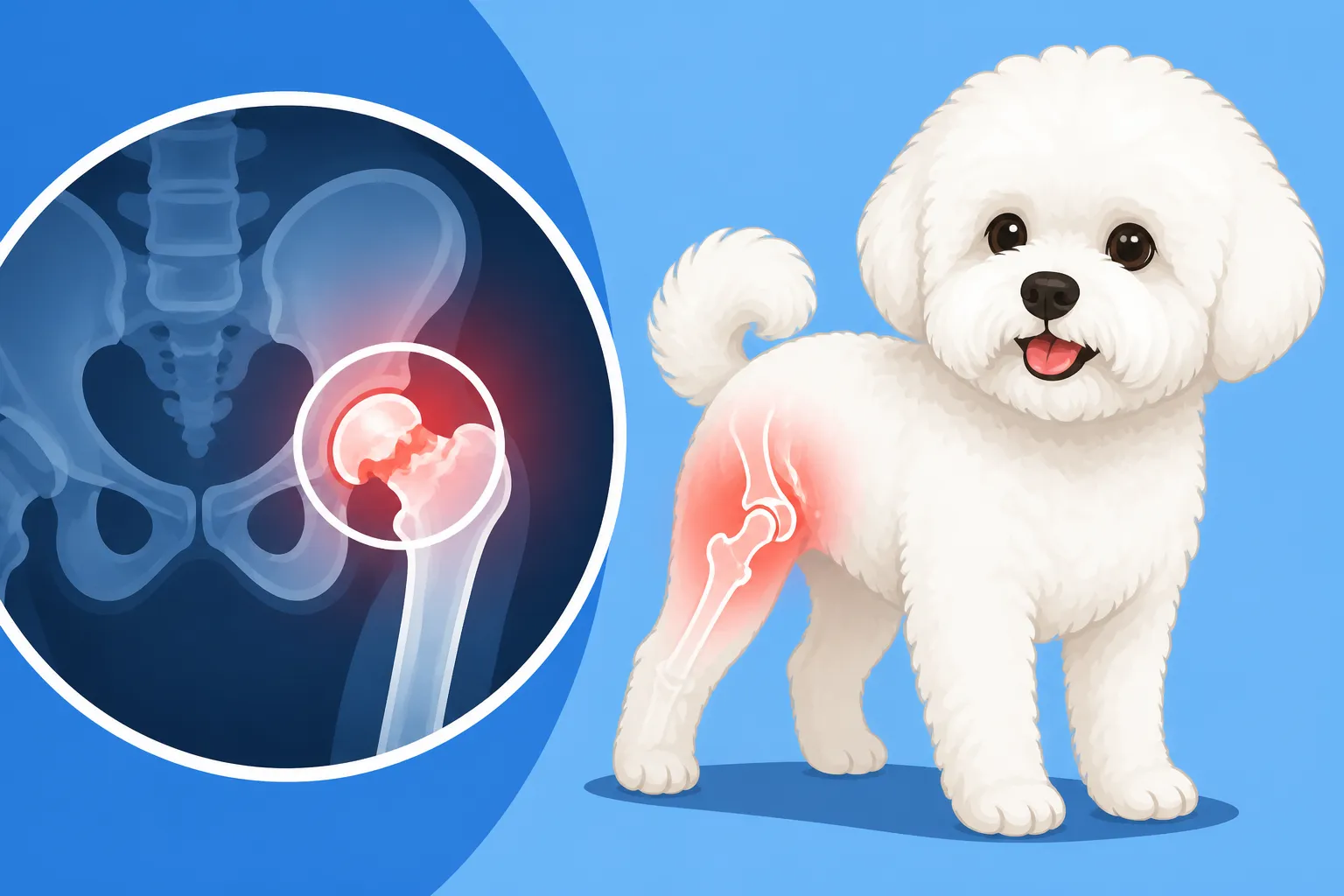
Legg Calve Perthes in a Bichon Frise
It’s truly heartbreaking when your playful, bouncy Bichon Frise suddenly starts limping, holding up a leg, or seems reluctant to jump and play. This sudden onset of pain, particularly in a younger dog, often leaves owners feeling confused and worried, wondering what on earth could be making their beloved companion so uncomfortable. This comprehensive guide is here to shed light on Legg-Calve-Perthes disease (LCPD), a challenging hip condition common in small breeds like our Bichons, helping you understand its causes, symptoms, diagnosis, and the paths to treatment and management, so you can help your furry family member get back to their happy, frolicking self.
Understanding Legg-Calve-Perthes Disease in Bichon Frises
Legg-Calve-Perthes disease, often shortened to LCPD, sounds like a mouthful, but understanding what's going on can really help manage expectations and treatment. In essence, it's a condition where the blood supply to the head of the femur (the big bone in your dog's thigh) temporarily stops. When this happens, the bone tissue starts to die, leading to the collapse and deformation of the femoral head and the surrounding joint cartilage. Imagine a tiny, crucial part of your dog's hip literally crumbling away because it's not getting the nutrients it needs. It's a painful process, and it primarily affects smaller breeds, with Bichon Frises unfortunately being one of the breeds predisposed to it.
The Anatomy of the Hip and What Goes Wrong
To truly grasp LCPD, it helps to visualize the hip joint. It's a classic ball-and-socket joint, much like our own. The "ball" is the head of the femur, which fits snugly into the "socket," called the acetabulum, located in the pelvis. These surfaces are covered in smooth cartilage, allowing for effortless movement. Ligaments hold everything together, and muscles provide power and stability.
In LCPD, the problem begins specifically with the femoral head. For reasons not entirely understood, but often linked to genetics, the tiny blood vessels supplying this area become compromised. Without a steady supply of blood, the bone cells can't survive, and the bone starts to weaken and die. As your Bichon walks, runs, and plays, this weakened bone is subjected to pressure, leading to microfractures and eventually, a complete collapse of the femoral head. The smooth, spherical surface becomes rough, flattened, and irregular, no longer fitting perfectly into the socket. This structural breakdown causes immense pain, inflammation, and restricts the normal range of motion, leading to the tell-tale limp. It's a gradual but insidious process that can leave your dog in significant discomfort.
Why Small Breeds Are More Susceptible
It's a common observation in veterinary medicine that LCPD disproportionately affects small and toy breeds. While the exact genetic mechanisms are still being researched, there are several theories as to why this might be the case. One theory suggests that the anatomy of small breed hips might be more prone to the vascular disruption that triggers LCPD. Another points to specific genetic markers that, when present, increase the likelihood of the condition developing.
For Bichon Frises, like many other breeds such as Miniature Poodles, West Highland White Terriers, and Yorkshire Terriers, there appears to be a genetic predisposition. This means that if LCPD has occurred in a dog's lineage, their offspring may be at a higher risk. It’s not simply bad luck; there's often an underlying inherited factor at play. This is why reputable breeders often screen their breeding dogs, although LCPD can be difficult to predict without specific genetic tests that aren't widely available yet. Knowing your Bichon's breed history, if possible, can sometimes offer clues, but ultimately, any small breed can develop this condition, usually between 4 months and 1 year of age, during a critical period of bone growth.
Spotting the Signs of LCPD in Your Fluffy Friend
Recognizing the early signs of Legg-Calve-Perthes disease is crucial for prompt diagnosis and treatment, which can significantly improve your Bichon's outcome. It’s easy to dismiss a subtle limp as a minor strain, especially in a playful puppy, but with LCPD, the symptoms tend to worsen over time. Keeping a close eye on your Bichon's gait and behavior is key, as they can't tell you in words where it hurts.
The Tell-Tale Limp and Pain Responses
The most common and often the first noticeable symptom of LCPD is a gradual onset of lameness in one of the hind limbs. Initially, it might be intermittent or barely perceptible – maybe your Bichon favors one leg slightly after a long walk, or you notice a subtle "bunny hop" when they run. However, over a few weeks or even months, this limp typically becomes more pronounced and consistent. Your dog might hold the affected leg up completely, refusing to put weight on it.
Beyond just the limp, pain is a significant factor. You might observe your Bichon yelping or flinching if you touch their hip or try to manipulate their hind leg. They may resist being picked up or object to normal petting around their rear end. If your normally happy-go-lucky Bichon suddenly becomes withdrawn, irritable, or less engaged in play, pain could be the underlying reason. This is especially true if you try to stretch or extend their leg, as this movement will put pressure on the damaged joint. This persistent pain can lead to changes in their overall demeanor, making a once "merry" dog seem much more subdued.
Muscle Atrophy and Behavioral Changes
As the pain from LCPD progresses, your Bichon will naturally try to avoid putting weight on the affected leg. This prolonged disuse quickly leads to muscle atrophy, meaning the muscles in the hind leg will start to waste away. You might notice that the thigh on the affected side looks visibly thinner compared to the healthy leg. This can be subtle at first, but over time, it becomes quite apparent, sometimes even making the hip bone itself seem more prominent.
Beyond the physical changes, LCPD can profoundly impact your Bichon's behavior and quality of life. A dog in constant pain won't want to run, jump, or play as they once did. You might find them reluctant to climb stairs, get on and off furniture, or even engage in their usual zoomies, sometimes referred to as the "Bichon Blitz." Their energy levels may drop, and they might spend more time resting or sleeping. They might also become more guarded or even snap if someone accidentally touches their painful hip. These changes are not just inconveniences; they are clear indicators of significant discomfort and a strong signal that it's time to consult your veterinarian to determine if a limping Bichon Frise needs X-rays.
The Diagnostic Journey: Confirming LCPD
When you suspect something is wrong with your Bichon Frise's hip, the diagnostic process begins with a thorough examination by your veterinarian. They'll use a combination of physical assessment and imaging techniques to pinpoint the problem. It’s a bit like detective work, gathering all the clues to ensure an accurate diagnosis, which is paramount for effective treatment.
Physical Examination and Palpation
During the physical examination, your vet will observe your Bichon's gait, paying close attention to how they walk, stand, and bear weight. They’ll also carefully palpate (feel) your dog's hips, legs, and spine. This involves gently moving the hip joint through its range of motion. With LCPD, this manipulation will often elicit a pain response, and the range of motion might be significantly reduced or feel "gritty" due to the damaged joint surfaces. They’ll also compare the muscle mass in both hind legs, looking for any signs of atrophy. Your vet will be looking for specific indicators, such as hip discomfort, reduced mobility, and the characteristic muscle wasting in the affected limb.
It's not uncommon for owners to mistakenly believe their dog has simply pulled a muscle or has a minor sprain. However, a persistent or worsening limp, especially in a young, small breed dog, should always be thoroughly investigated. Your vet might also check for other orthopedic issues, such as patellar luxation (slipping kneecaps in a Bichon Frise), as sometimes these conditions can present with similar symptoms or even coexist. The goal of this initial exam is to narrow down the possibilities and decide on the next diagnostic steps.
X-rays: The Definitive Diagnosis
While a physical exam can strongly suggest LCPD, X-rays are absolutely essential for a definitive diagnosis. Your vet will typically recommend taking radiographs of your Bichon's pelvis and hind legs. For these X-rays, your dog will usually need to be sedated or given a general anesthetic to ensure they lie perfectly still. This is crucial for obtaining clear, diagnostic images without causing them additional pain or stress.
The X-rays will show characteristic changes in the femoral head and neck if LCPD is present. In the early stages, you might see areas of increased bone density, followed by signs of bone collapse and fragmentation. As the disease progresses, the femoral head will appear flattened, irregular, and misshapen, no longer fitting smoothly into the hip socket. There might also be signs of secondary osteoarthritis, where the body attempts to repair the damage by laying down new bone, which further restricts movement and causes pain. These radiographic changes are unmistakable and provide clear evidence of Legg-Calve-Perthes disease, differentiating it from other conditions that might cause lameness.
Other Diagnostic Considerations
While X-rays are the primary diagnostic tool for LCPD, in some cases, your vet might recommend additional diagnostics. For instance, if there's any ambiguity or a need to rule out other complex conditions, especially if the lameness is atypical or involves multiple limbs, they might suggest advanced imaging like an MRI or CT scan. These can provide a more detailed view of the soft tissues and bone structures.
However, for most cases of LCPD, the combination of a thorough physical exam and clear X-ray images is usually sufficient for a confident diagnosis. Blood tests are generally not diagnostic for LCPD itself but may be run as a routine pre-anesthetic screen before sedation for X-rays or surgery. The key is to get an accurate diagnosis early to allow for timely intervention and prevent further irreversible damage to the hip joint.
Navigating Treatment Options for Legg-Calve-Perthes
Once your Bichon Frise has been diagnosed with Legg-Calve-Perthes disease, your vet will discuss the available treatment options. The choice often depends on the severity of the condition, your dog's age, and your family's circumstances. While there are conservative approaches, surgery is frequently the most effective long-term solution for alleviating pain and restoring mobility.
Conservative Management: When and Why it Might Be Considered
For a very small percentage of dogs, particularly those with very early-stage LCPD or minimal clinical signs, conservative management might be attempted. This approach focuses on pain relief and preventing muscle atrophy without surgery. It typically involves:
- Strict Rest: Limiting all physical activity to allow the joint to recover without further trauma. This means no jumping, running, or strenuous play.
- Pain Medication: Non-steroidal anti-inflammatory drugs (NSAIDs) are commonly prescribed to manage pain and reduce inflammation. Your vet might also prescribe other pain relievers to ensure your Bichon is comfortable.
- Physical Therapy: Gentle, controlled exercises to maintain muscle mass and range of motion, often guided by a veterinary physical therapist.
- Weight Management: Keeping your Bichon at a healthy weight to reduce stress on the hip joint.
The reality, however, is that conservative management for LCPD is rarely successful in the long term for most dogs. Because the bone tissue of the femoral head is dying and collapsing, simply resting the leg usually doesn't reverse the underlying structural damage. In many cases, dogs treated conservatively continue to experience chronic pain and lameness, often leading to the eventual need for surgery anyway. It's an option that might be discussed for very specific, mild cases, but generally, it's not the primary recommendation for lasting relief.
Surgical Intervention: Femoral Head Ostectomy (FHO)
For the vast majority of Bichon Frises diagnosed with LCPD, surgical intervention is the recommended course of action. The most common and successful surgery for LCPD in small breeds is a Femoral Head Ostectomy, or FHO. Don't let the technical name intimidate you; it's a well-established procedure designed to eliminate the source of pain.
During an FHO, the surgeon removes the damaged "ball" (the femoral head) from the hip joint. It might sound drastic, but by removing the painful bone-on-bone rubbing that occurs with the collapsed femoral head, the immediate source of discomfort is gone. Over time, the body forms a "false joint" (a fibroarthrosis) made of scar tissue and muscle where the femoral head once was. This allows the leg to move freely without the pain of the damaged bone.
The success of an FHO largely depends on the patient's size and post-operative rehabilitation. For small dogs like Bichon Frises, FHOs typically have excellent outcomes, as their lighter body weight means the false joint can support them quite effectively. While your Bichon won't have a perfectly normal hip joint in a mechanical sense, the goal is a pain-free, functional limb. Insurance providers like Healthy Paws often cover these types of necessary surgeries, which can be a significant financial relief given that knee surgery in a Bichon Frise or hip surgery can be quite costly.
Post-Operative Care and Rehabilitation
Surgery is just the first step; the recovery period is equally vital for a successful outcome after an FHO. Immediately after surgery, your Bichon will need strict rest and pain management. Your vet will provide clear instructions on medication schedules, wound care, and activity restrictions.
Crucially, rehabilitation is essential. This usually involves a structured program of physical therapy that begins gently and gradually increases in intensity. This might include passive range of motion exercises, gentle massage, controlled leash walks, and eventually more active exercises. The goal is to rebuild muscle strength, improve joint flexibility, and encourage the formation of that stable false joint. Consistent rehabilitation efforts, sometimes for several months, are key to maximizing your Bichon's recovery. This commitment to physical therapy is similar to the dedication needed to teach a Bichon Frise to accept ear treatment or other consistent care routines. Without proper rehab, muscle weakness and stiffness can persist, hindering their return to full function.
Life After LCPD: Recovery and Long-Term Care
Once your Bichon Frise has undergone surgery for Legg-Calve-Perthes disease and is recovering, you'll naturally be wondering what their long-term prognosis looks like. The good news is that with appropriate care, most Bichons go on to live full, active, and pain-free lives after an FHO. However, it's important to understand that there's a journey involved, and ongoing management is often necessary to ensure the best possible quality of life.
What to Expect During Recovery
The initial weeks and months after an FHO surgery are critical. Your Bichon will likely experience some discomfort and swelling, which will be managed with pain medication. You'll need to keep them calm and limit activity to very short, controlled leash walks to allow the surgical site to heal and the new false joint to begin forming. This often means no jumping, running, or rough play for several weeks.
Physical therapy, as mentioned, is paramount. Many owners opt for professional canine physical therapy sessions, where specialists guide exercises like hydrotherapy (underwater treadmill) or specific range of motion movements. For those who choose to do more at home, your vet or therapist will provide detailed instructions for at-home exercises. Consistency is key; faithfully following the rehabilitation plan will significantly impact how well your Bichon recovers their mobility and muscle strength. It’s a commitment, but seeing your dog gradually regain their spring in their step is incredibly rewarding.
Long-Term Prognosis and Potential for Arthritis
The long-term prognosis for Bichon Frises after an FHO is generally excellent. Most small dogs recover very well, often regaining near-normal use of the affected leg and living completely pain-free. It's a true testament to the body's ability to adapt and heal. However, it's realistic to understand that while the primary source of pain (the collapsing femoral head) is removed, the hip joint is no longer anatomically perfect. This can mean a slightly altered gait, though often imperceptible to the casual observer.
One long-term consideration is the potential for arthritis. Any joint that has undergone trauma, surgery, or has an altered biomechanical structure, even after a successful FHO, may be more prone to developing osteoarthritis later in life. This is why ongoing joint support is often recommended. This could include daily joint supplements, maintaining a healthy weight, regular low-impact exercise, and sometimes, periodic anti-inflammatory medication as they age. Conditions like arthritis in a Bichon Frise at eleven are common, and having already navigated LCPD, you’ll be well-prepared to manage age-related joint issues.
Supportive Care and Lifestyle Adjustments
Beyond the immediate recovery, maintaining your Bichon's long-term comfort and mobility will involve a few supportive care and lifestyle adjustments.
- Weight Management: Keeping your Bichon at an ideal body weight is one of the single most important things you can do for their joint health. Every extra pound puts additional stress on all joints, including the one that underwent surgery.
- Regular, Moderate Exercise: While strenuous activities might need to be avoided, consistent, moderate exercise like daily walks helps maintain muscle strength and joint flexibility without overstressing the joint.
- Joint Supplements: Many vets recommend joint supplements containing ingredients like glucosamine, chondroitin, and MSM, which can help support cartilage health and reduce inflammation. If you're wondering whether joint supplements help a Bichon Frise, the answer is often yes, especially post-surgery.
- Comfortable Environment: Providing soft bedding, ramps for accessing furniture, and ensuring non-slip surfaces around the home can help protect their joints and make everyday life easier. For senior dogs or those with previous orthopedic issues, caring for a Bichon Frise past eleven often means making these environmental adjustments.
By committing to these aspects of long-term care, you can help ensure your Bichon Frise remains happy, active, and enjoys their life to the fullest, free from the debilitating pain of LCPD.
Considering Genetics and Prevention
Understanding that Legg-Calve-Perthes disease has a strong genetic component can be both enlightening and a little frustrating, as it means individual prevention can be challenging. However, responsible breeding practices and careful selection of a puppy can make a significant difference in reducing the incidence of this painful condition.
The Role of Genetics in LCPD
While the exact mode of inheritance isn't fully understood, LCPD is widely considered a polygenic (involving multiple genes) or recessive inherited trait in many affected breeds, including the Bichon Frise. This means that a dog carrying certain genes, even if they don't develop LCPD themselves, could pass those genes on to their offspring, making the puppies susceptible.
This genetic link is why some families of Bichons might seem more prone to the condition than others. If one of your Bichon's parents or siblings developed LCPD, it increases the likelihood that your dog might carry the genetic predisposition, even if they never show signs of the disease. Unfortunately, there isn't a specific genetic test readily available for LCPD in Bichons that breeders can use to definitively screen their breeding stock, making prevention through genetic testing more complex than for some other inherited diseases.
Responsible Breeding Practices
Given the genetic component, the most effective way to reduce the incidence of LCPD is through responsible breeding practices. Reputable Bichon Frise breeders understand the health challenges common in the breed and strive to minimize the risk of passing on genetic conditions. While a direct LCPD gene test isn't available, responsible breeders will:
- Avoid breeding affected dogs: Any dog that has developed LCPD should not be used for breeding, as they clearly carry the genes for the condition.
- Consider family history: Breeders should be transparent about the health history of their breeding lines. If LCPD has appeared in a dog's close relatives, that dog should ideally not be bred, or at least, should be bred very carefully with a mate from a line known to be free of LCPD.
- Prioritize overall health: Good breeders prioritize the overall health and temperament of their dogs, often engaging in various health screenings for other common Bichon ailments, such as eye conditions, patellar luxation, and heart murmurs.
Choosing a puppy from a breeder who can demonstrate a commitment to these practices, and who is open about the health history of their dogs, is one of the best ways you can reduce the risk of bringing home a puppy prone to LCPD. Always ask about the health guarantees and what measures they take to prevent inherited diseases.
What Can You Do as an Owner?
As an owner, once you have your Bichon Frise, preventing LCPD is largely beyond your direct control if the genetic predisposition is already there. However, you can still take steps to support overall joint health and ensure early detection:
- Proper Nutrition: Feed a high-quality, balanced diet appropriate for your puppy's age and breed size. Avoid overfeeding, as excessive growth rates or obesity can put undue stress on developing joints.
- Controlled Exercise: While exercise is important, avoid excessive high-impact activities during puppyhood when bones and joints are still developing. Allow for natural play but don't force strenuous exercise. This is especially true if you are concerned about your Bichon's developing joints.
- Monitor for Symptoms: Be vigilant for any signs of lameness or discomfort, especially during the peak age range for LCPD (4 months to 1 year). If you notice a persistent limp or any behavioral changes related to pain, seek veterinary attention promptly. Early diagnosis can prevent prolonged suffering and often leads to better surgical outcomes.
- Consider Pet Insurance: Given the potential costs of diagnosis and surgery for conditions like LCPD, pet insurance can be a lifesaver. Companies like Healthy Paws offer comprehensive coverage for accidents and illnesses, which can significantly ease the financial burden of unexpected veterinary bills. Having insurance in place before any symptoms appear means that conditions like LCPD, if diagnosed, would likely be covered. Knowing what a Bichon Frise's yearly vet bill looks like, this kind of protection is invaluable.
While LCPD can be a scary diagnosis, being informed and proactive allows you to navigate the challenge effectively and ensure your beloved Bichon Frise gets the care they need for a happy, healthy life.
Disclaimer
This article is for general informational purposes only and does not constitute professional advice. Laws, prices and regulations vary by location and change over time. Consult a qualified professional for guidance on your specific situation.