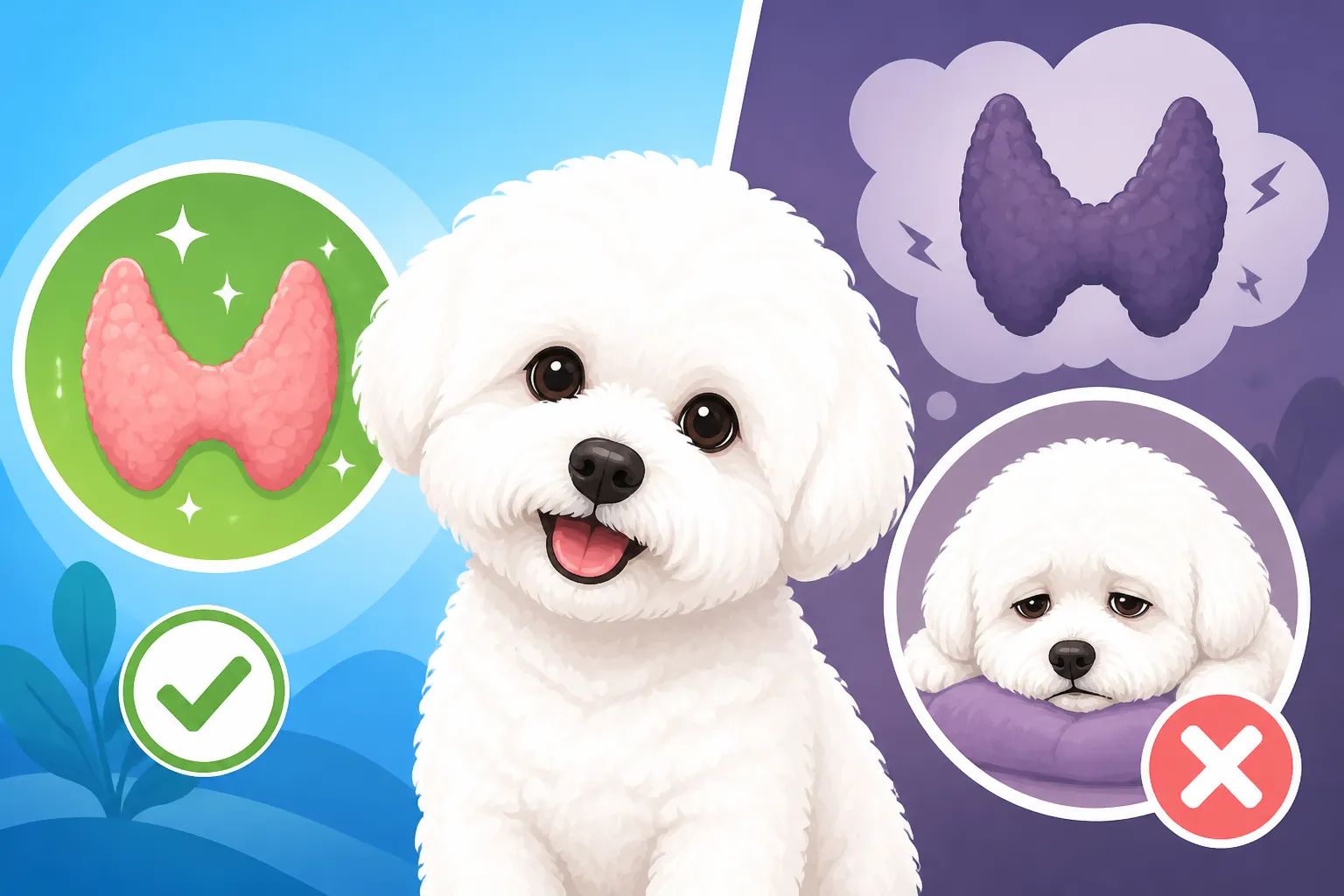
Whether a Bichon Frise Gets Hypothyroidism
It's incredibly worrying when your beloved Bichon Frise starts showing changes in their behavior or appearance, and it's natural to wonder if a serious health issue is behind it. Among the many potential concerns, endocrine disorders like hypothyroidism often come up, leaving owners questioning if their fluffy companion is susceptible. This guide is here to shed light on whether a Bichon Frise can indeed develop hypothyroidism, what signs to look for, and how this condition is typically managed to help your furry friend live their best life.
Understanding Hypothyroidism in Dogs
When we talk about hypothyroidism in dogs, we're discussing a condition where their thyroid gland isn't pulling its weight. This tiny, butterfly-shaped gland, located in the neck, plays a huge role in regulating metabolism and energy throughout the entire body. When it underperforms, a cascade of issues can follow, often leaving owners scratching their heads about what's going on.
What Exactly Is Hypothyroidism?
At its core, hypothyroidism means your dog's body isn't producing enough thyroid hormones, specifically thyroxine (T4) and triiodothyronine (T3). These hormones are like the conductors of an orchestra, ensuring that cells all over the body perform their functions at the right tempo. When they're in short supply, everything slows down. Think of it like a car running out of gas; it can't keep going at its normal pace. This slowdown affects everything from your dog's skin and coat to their energy levels, weight, and even their mental alertness. Most commonly, canine hypothyroidism is caused by autoimmune thyroiditis, where the dog's own immune system mistakenly attacks and destroys the thyroid gland, or by idiopathic atrophy, which is essentially the thyroid gland shrinking for no clear reason.
Common Symptoms You Might See
The frustrating thing about hypothyroidism is that its symptoms can be quite subtle at first and often mimic other conditions. You might notice your once-energetic Bichon starting to slow down, becoming more lethargic, and generally less interested in playtime or walks. This isn't just a simple case of them being lazy; their entire metabolic rate is depressed. You might see unexplained weight gain, even if their diet and exercise haven't changed – a real head-scratcher when you’re trying so hard to keep them healthy.
Beyond energy and weight, the coat and skin are often major indicators. You might observe a dull, dry, or brittle coat that seems to shed more than usual, or perhaps even significant hair loss, especially on the flanks, tail (leading to a "rat tail" appearance), and on the bridge of the nose. Their skin might become thickened, flaky, or develop dark patches (hyperpigmentation), and they might be more prone to skin infections because their immune system isn't functioning optimally. Some dogs also become unusually sensitive to cold, seeking out warm spots more often. Mentally, they might seem a bit duller, less responsive, or even slightly depressed. It can be easy to dismiss these changes as "just getting older," especially in a senior Bichon Frise, but it's always worth a vet visit to rule out underlying conditions.
Is the Bichon Frise Prone to Hypothyroidism?
When considering breed predispositions, it’s understandable to worry about specific conditions that seem to target certain dogs. For Bichon Frises, we often hear a lot about things like Why a Bichon Frise Forms Stones Twenty Times as Often or the struggles with The Atopic Skin a Bichon Frise Is Born With. But where does hypothyroidism fit into their typical health profile?
Breed Predisposition and Genetics
While Bichon Frises can absolutely develop hypothyroidism, they aren't generally listed among the breeds with the highest genetic predisposition, unlike some larger breeds such as Golden Retrievers, Doberman Pinschers, Airedale Terriers, and Irish Setters. These breeds often have a higher incidence of autoimmune thyroiditis. This doesn't mean your charming Bichon is immune, of course. Any dog, regardless of breed, can potentially develop a thyroid issue. It simply means that it might not be the first condition a vet thinks of when a Bichon presents with general symptoms, but it should certainly be on the diagnostic list.
The genetic component for hypothyroidism is complex and not fully understood in all breeds. In breeds where it's prevalent, breeders often screen for it. For Bichon Frises, concerns usually revolve around things like patellar luxation or bladder stones. However, the underlying genetic factors for hypothyroidism can be sporadic, meaning it can crop up even in lines without a strong history. It's always a good idea to know the health history of your dog's parents if possible, but even then, new cases can appear without a clear lineage.
Age of Onset and Other Risk Factors
Hypothyroidism typically manifests in middle-aged to older dogs, usually between two and eight years of age, though it can sometimes be seen in younger animals. It’s uncommon in puppies. For a Bichon Frise, who can live The Fourteen to Fifteen Years a Bichon Frise Lives, this means it could develop during their prime or as they transition into their senior years. The onset is usually gradual, which is why those subtle changes in weight or energy can often go unnoticed or be attributed to other factors for quite some time.
There isn't a strong consensus on sex-related risk factors for hypothyroidism, though some studies suggest females might have a slightly higher incidence. Environmental factors or diet are generally not considered primary causes, unlike in some other conditions such as Whether Allergy Steroids Give a Bichon Frise Cushing's or managing specific dietary needs for stone prevention in a Bichon Frise. If your Bichon is older and starts exhibiting several of the symptoms mentioned earlier, it’s crucial not to dismiss them as simply "old age" but to investigate further.
Diagnosing Hypothyroidism in Your Bichon Frise
So, you've noticed some changes in your Bichon and you're suspecting hypothyroidism. The next step is a trip to your trusted veterinarian. Diagnosing this condition isn't always a straightforward "yes" or "no" answer, and it requires a methodical approach to rule out other possibilities and confirm the thyroid's role.
Initial Suspicions and Veterinary Examination
When you bring your Bichon Frise to the vet with symptoms like lethargy, weight gain, or coat changes, your vet will perform a thorough physical examination. They'll check your dog's weight, body condition, and skin and coat health. They might notice things like dry, flaky skin, poor coat quality, or areas of hair loss that don't seem to be associated with itching or infection. They'll also check your Bichon's heart rate, which can sometimes be slower in hypothyroid dogs. They'll observe your dog's demeanor – are they bright and alert, or do they seem dull and sluggish?
During this initial visit, it’s really helpful to provide a detailed history. When did you first notice the changes? Have there been any other symptoms, even seemingly unrelated ones? Has their appetite changed? Are they seeking warmth more often? The more information you can give, the clearer the picture for your vet. This comprehensive history, combined with the physical exam, helps your vet decide if further diagnostic testing for hypothyroidism is warranted.
The Diagnostic Tests
To definitively diagnose hypothyroidism, blood tests are essential. The primary tests involve measuring the levels of thyroid hormones and thyroid-stimulating hormone (TSH).
- Total T4 (TT4): This is often the first test run. It measures the total amount of thyroxine in the blood. A low TT4 can indicate hypothyroidism, but it can also be influenced by other illnesses, certain medications (like steroids or sulfa antibiotics), or even stress (a phenomenon known as "euthyroid sick syndrome" or non-thyroidal illness).
- Free T4 (FT4): This measures the unbound, biologically active form of T4. It's often considered a more accurate indicator than TT4 because it's less affected by non-thyroidal factors. A low FT4, especially in conjunction with a low TT4, is highly suggestive of hypothyroidism.
- TSH (Thyroid-Stimulating Hormone): TSH is produced by the pituitary gland in the brain. Its job is to tell the thyroid gland to produce more T4. In a healthy dog, if T4 levels drop, TSH levels should rise to compensate. Therefore, a low TT4/FT4 combined with a high TSH is the classic diagnostic pattern for primary hypothyroidism. If TSH is also low, it might suggest a rarer secondary hypothyroidism (a problem with the pituitary gland itself).
Sometimes, your vet might also recommend an autoantibody test (TgAA) to look for antibodies against the thyroid gland, which would support a diagnosis of autoimmune thyroiditis. Because these blood tests can sometimes be tricky to interpret, especially if your dog has other health issues or is on certain medications, your vet might recommend repeating the tests or consulting with a veterinary internal medicine specialist.
Differentiating from Other Conditions
One of the challenges in diagnosing hypothyroidism is that its symptoms can overlap significantly with other common health problems. For instance, lethargy and weight gain could be due to an inappropriate diet, lack of exercise, or even other endocrine issues like Cushing's Disease in a Bichon Frise Past Seven. Coat and skin changes, such as hair loss, dryness, or recurrent infections, are very common in Bichon Frises who suffer from allergies, which can lead to What Atopic Dermatitis Does to a Bichon Frise or Recurrent Ear Infections in a Bichon Frise.
It’s also possible for a Bichon to just be Signs a Bichon Frise Is Carrying Too Much Weight due to overfeeding and under-exercising, which doesn't necessarily mean they're hypothyroid. This is why your vet won't just jump to a conclusion. They'll consider the full clinical picture, conduct the appropriate blood tests, and potentially rule out other conditions to ensure an accurate diagnosis. Misdiagnosing hypothyroidism can lead to unnecessary medication, while missing it can mean your Bichon continues to suffer from treatable symptoms.
Managing Hypothyroidism in a Bichon Frise
Once your Bichon Frise has been definitively diagnosed with hypothyroidism, the good news is that it’s a very manageable condition. Treatment is generally straightforward and, with proper care, your dog can go on to live a full and happy life. It does, however, require a lifelong commitment to medication and regular monitoring.
Treatment Protocol
The cornerstone of treating canine hypothyroidism is hormone replacement therapy. Your vet will prescribe a synthetic thyroid hormone called levothyroxine (often referred to by brand names like Soloxine, Thyro-Tabs, or Synthroid for human use). This medication is given orally, typically once or twice a day, and it works by supplementing the hormones your Bichon's body isn't producing enough of. It's usually a small tablet that can be given with food, making it relatively easy to administer.
The dosage will be carefully calculated by your veterinarian based on your dog's weight and the severity of their condition. It's absolutely crucial to follow the dosage instructions precisely and not to skip doses. Consistency is key to regulating your Bichon's metabolism. You should never adjust the dose yourself or stop the medication without consulting your vet, even if your dog seems to be doing much better. The goal is to get their thyroid hormone levels back into a normal, healthy range, and this takes precise titration.
Monitoring and Prognosis
After starting medication, you should begin to see improvements in your Bichon Frise within a few weeks to months. Often, the first changes owners notice are an increase in energy and a brighter demeanor. Weight loss, if appropriate, will follow, and skin and coat conditions will gradually improve, though this can take several months for new, healthy hair to grow in.
To ensure the medication is working effectively and at the correct dose, your vet will schedule follow-up blood tests, typically about 4-8 weeks after starting treatment and after any dose adjustments. These tests check the T4 levels again, sometimes TSH, to make sure they are within the therapeutic range. Once a stable dose is found, these blood tests will usually be performed once or twice a year for the rest of your Bichon's life. This ongoing monitoring is essential because a dog's needs can change over time.
The prognosis for a hypothyroid Bichon Frise is excellent with consistent treatment. They can live a normal lifespan and enjoy a great quality of life. The condition itself is not life-threatening if managed, and the medication rarely has side effects at the correct dose. It's truly a condition where the diligent owner makes all the difference.
Importance of Regular Vet Care and Insurance
Living with a chronic condition like hypothyroidism means building a strong partnership with your veterinarian. Regular check-ups and adherence to medication schedules are non-negotiable for keeping your Bichon Frise healthy and happy. These ongoing vet visits, blood tests, and the cost of daily medication can certainly add up over time. It's a significant financial commitment for What a Bichon Frise Costs a Year to Keep, let alone over What Fifteen Years With a Bichon Frise Comes To.
Many pet owners find peace of mind and financial support through pet insurance. A good pet insurance plan, like those offered by Healthy Paws, can help cover a significant portion of the costs associated with chronic conditions like hypothyroidism, including the regular medication and monitoring tests. If you have a Healthy Paws policy, it can turn what might otherwise be a stressful financial burden into a manageable part of your pet's routine care. It’s always best to get insurance early, ideally when your Bichon is a puppy, before any conditions are diagnosed and potentially deemed pre-existing. This way, you're prepared for whatever health challenges might arise throughout their lifetime, ensuring you can always provide the best possible care without undue financial strain.
Hypothyroidism Symptoms and Diagnostics Overview
Here’s a quick overview of the most common signs of hypothyroidism and the tests used to diagnose it in your Bichon Frise:
| Category | Common Symptoms | Diagnostic Tests |
|---|---|---|
| General | Lethargy, decreased activity, mental dullness | Veterinary examination, comprehensive history |
| Weight | Unexplained weight gain despite no change in diet/exercise | Physical examination (body condition score) |
| Skin & Coat | Dull, dry, brittle coat; hair loss (especially flanks, tail); thickened/darkened skin; recurrent skin infections | Physical examination, possibly skin scrapings to rule out other causes |
| Metabolic | Cold intolerance, seeking warmth | Physical examination (body temperature, pulse rate) |
| Blood Tests | Total T4 (TT4), Free T4 (FT4), Thyroid-Stimulating Hormone (TSH) | |
| Confirmatory | Thyroid autoantibody test (TgAA) for autoimmune thyroiditis |
While this table offers a snapshot, remember that a proper diagnosis always requires a professional veterinary assessment.
Disclaimer
The information provided in this guide is intended for general knowledge and informational purposes only, and does not constitute medical advice. Always consult with a qualified veterinarian for any health concerns or before making any decisions about your pet's health or treatment.