Whether Bichon Frises Led Blind Beggars
It's a common and rather intriguing question that pops up when we delve into the rich history of the Bichon Frise: did these charming, fluffy white dogs ever lead blind beggars? It's a vivid image, almost Dickensian in its appeal, hinting at a past where these little companions played a very different role than the pampered lapdogs we know today. This guide will take a deep dive into the historical records, separate fact from charming folklore, and explore the true, often surprising, street-performing past of the Bichon Frise.
The Myth and the Reality: Did Bichon Frises Really Lead the Blind?
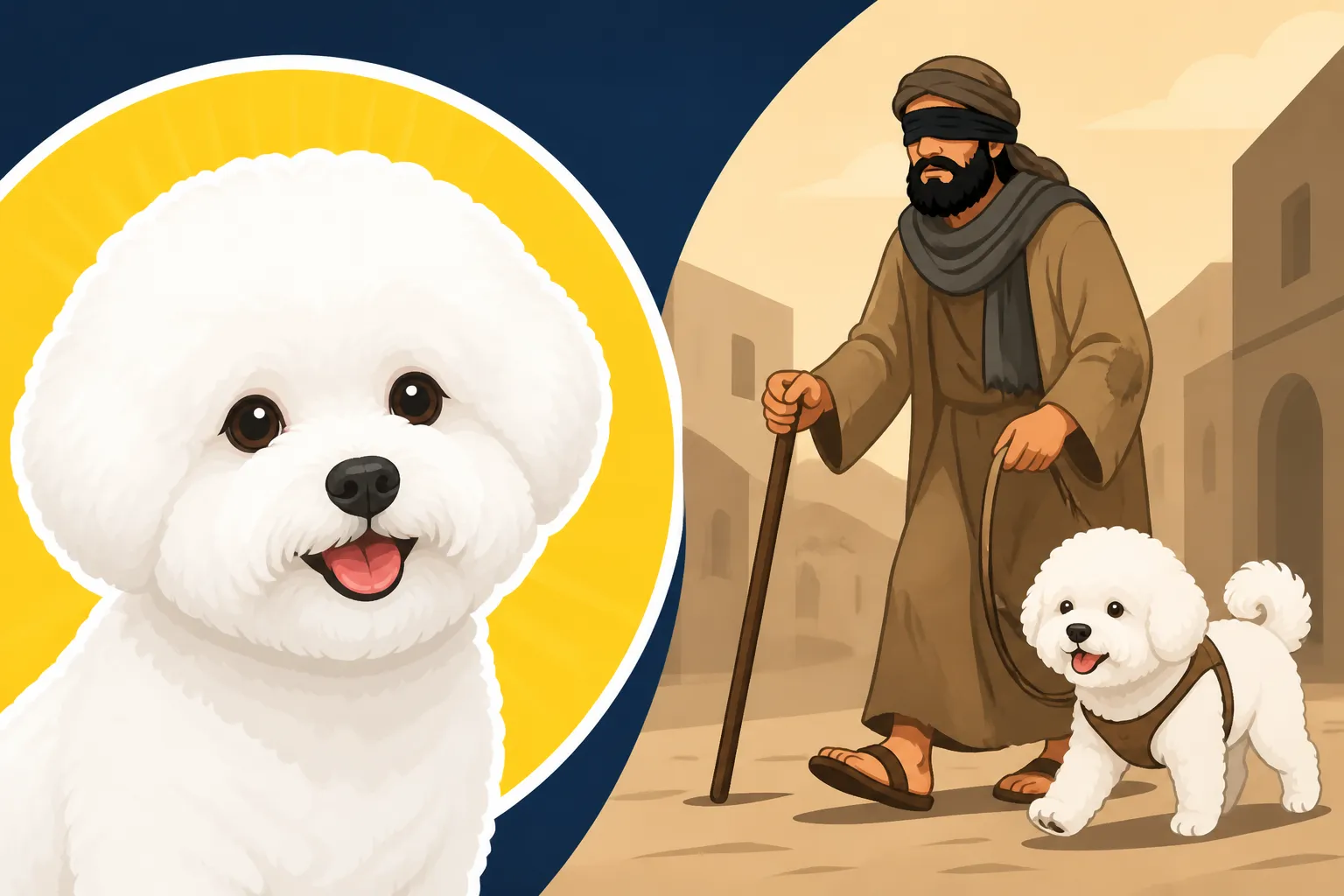
The short, straightforward answer is no, not in the way we understand a guide dog today. While the idea is romantic and fits a certain image of historical street life, there's no historical evidence to suggest that Bichon Frises were specifically trained to lead blind individuals. Their involvement in street performances was much more about entertainment than assistance in the functional sense.
Unpacking the Historical Perception
The notion of a small dog leading a blind person often conjures images of sympathy and hardship, traits common in the post-Revolutionary French streets where the Bichon Frise found itself after falling out of favor with the nobility. These dogs were undeniably part of the street scene, accompanying their owners, who were often performers, musicians, or indeed, beggars. The visual of a small, white, bright-eyed dog trotting alongside a person who was visually impaired could easily lead to the assumption that the dog was providing guidance. However, their primary "job" in these situations was likely to draw attention, charm passersby, and contribute to the overall appeal of a street act or to simply offer companionship, much like any other pet would. The idea of them actively navigating complex urban environments for a blind owner, as modern guide dogs do, is a stretch beyond their historical training or capability during that era.
Distinguishing Performance from Assistance
It's crucial to understand the difference between a performing animal and a service animal. In the centuries past, dogs were often used in various forms of entertainment, especially after the French Revolution when the Bichon's fortunes shifted dramatically from aristocratic salons to the bustling, often gritty, public squares. These dogs performed tricks, mimicked human actions, and captivated audiences with their intelligence and playful nature. This was their "work." A blind beggar with a talented, attention-grabbing dog might certainly collect more coins than one without, but the dog's role was to perform and entice, not to guide them safely across a busy thoroughfare. The skills required for a guide dog – advanced navigation, obstacle avoidance, intelligent disobedience – are highly specialized and developed through rigorous modern training methods that simply didn't exist, nor were they applied to dogs like the Bichon Frise, in those historical contexts. The truth is, many dogs accompanied street performers or beggars, and the Bichon Frise, being charming and trainable, was simply one of the more popular choices. The Bichon Frise Street Performing Years After the Revolution delves deeper into their life on the streets.
A Brief History of the Bichon Frise's Street Life
The journey of the Bichon Frise from the laps of royalty to the street corners of Europe is a fascinating one, painting a picture of resilience and adaptability. It's this period that often fuels the myths about their diverse roles.
From Noble Laps to Street Acts
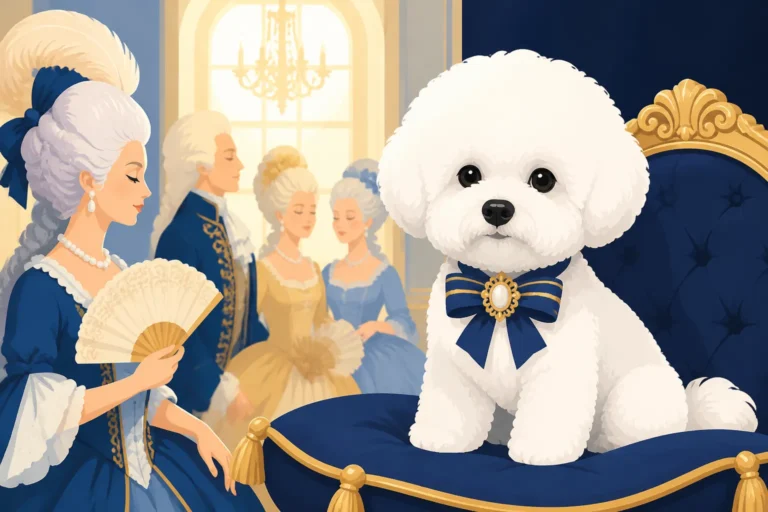
Before their street-performing days, the Bichon Frise, or "Tenerife dog" as it was sometimes called, enjoyed immense popularity among European nobility. They were cherished companions, often depicted in portraits alongside kings and queens. The French Court That Made the Bichon Frise Fashionable describes this glamorous era. However, with political upheavals like the French Revolution, many aristocratic families lost their fortunes, and their beloved dogs often faced an uncertain future. These once-pampered pups, along with their masters, found themselves on the streets. It was here that their natural intelligence, cheerful disposition, and desire to please proved invaluable.
Street performers quickly realized the potential of these small, charismatic dogs. Bichons were bright, agile, and eager to learn tricks. They could walk on their hind legs, "dance," play dead, and perform a variety of entertaining stunts that drew crowds and earned their owners a meager living. Their fluffy white coats, though harder to keep pristine on the streets, made them stand out, adding to their allure as performers. This was a far cry from guiding, but it was a testament to their inherent charm and trainability.
The Art of the Street Performer
The life of a street performer, or "organ grinder's dog," was tough but showcased the Bichon's incredible spirit. They learned quickly and seemed to relish the attention. Imagine a small Bichon, perhaps wearing a tiny hat or ruffled collar, performing tricks to the tune of a hurdy-gurdy or a banjo. This was their stage, and they were naturals. Whether Bichon Frises Performed in Circuses also touches on their talents in the big top.
Their ability to learn and perform made them popular additions to street acts, enhancing the spectacle and drawing larger audiences. This period of their history solidified their reputation as intelligent, engaging, and adaptable dogs. While they were not "leading" in the sense of a guide dog, they were certainly leading the way in captivating hearts and opening wallets, albeit in a different context. This association with street life, and the visual of them being alongside people in need, is likely where the idea of them leading blind beggars originated – a misunderstanding of their true, albeit impressive, historical contribution to street entertainment.
What Modern Service Dogs Do (and Why Bichons Aren't Typically Guide Dogs)
Understanding the distinction between historical street performances and modern service dog roles helps clarify why the Bichon Frise, despite its intelligence and charm, isn't typically found assisting the visually impaired today.
Specialized Training and Breed Traits
Modern guide dogs undergo incredibly intensive and specialized training, often starting from puppyhood, for two years or more. This training focuses on skills like intelligent disobedience (refusing a command if it puts their human in danger), navigating obstacles, finding specific destinations, and safely guiding their handler through complex environments like busy city streets or crowded public transport. Breeds typically chosen for this demanding work, such as Labrador Retrievers, Golden Retrievers, and German Shepherds, possess specific temperamental and physical traits that make them ideal. These include:
- Size and Strength: They need to be large and strong enough to be a stable anchor and guide for an adult human.
- Temperament: Calm, focused, unflappable, and highly biddable (eager to please and responsive to commands) are crucial. They must not be easily distracted by novel sights, sounds, or smells.
- Intelligence and Problem-Solving: The ability to make complex decisions independently and "think" for their handler is paramount.
- Stamina: Guide dogs work long hours and need the physical endurance to match.
The Bichon Frise, while highly intelligent and trainable in its own right, does not typically possess the physical stature or the specific temperament required for the rigorous demands of guide dog work. Their cheerful, playful, and sometimes easily distracted nature, combined with their small size, simply isn't suited for this highly specialized, life-saving role.
The Demands of a Guide Dog Role
The daily life of a guide dog is far more than just walking beside someone. It involves constant vigilance, intricate decision-making, and immense responsibility. A guide dog is a partner, a navigator, and often, the eyes of their handler. They learn to interpret traffic signals, avoid overhead obstacles, find empty seats on public transport, and ignore tempting smells or other dogs, all while remaining calm and focused. This is a far cry from performing a trick for a coin.
Here's a comparison of historical Bichon "work" versus modern guide dog work:
| Feature | Historical Bichon Frise (Street Performer) | Modern Guide Dog (e.g., Labrador) |
|---|---|---|
| Primary Role | Entertainment, attention-grabbing, companionship | Navigation, safety, assistance for visually impaired |
| Key Skills | Tricks, obedience, charm, engaging crowds | Intelligent disobedience, obstacle avoidance, focus |
| Size/Build | Small, lightweight, agile | Medium to large, sturdy, strong |
| Temperament | Merry, playful, eager to please, spirited | Calm, focused, stable, biddable, resilient |
| Training | Basic tricks, repetition | 1.5-2+ years intensive, specialized program |
| Distractions | Used to draw attention, interaction encouraged | Must ignore distractions, high focus maintained |
| Independent Thought | Limited to performance cues | Critical for safety, makes complex decisions |
While a Bichon Frise can absolutely be trained for obedience and even Whether a Bichon Frise Makes a Therapy Dog, demonstrating their gentle nature and ability to comfort, the specific, high-stakes requirements of guiding a visually impaired person are outside their typical breed characteristics and historical purpose. The demands of a guide dog are so profound that only a small percentage of even the traditionally chosen breeds make it through the full training program.
The Enduring Spirit of the Bichon Frise
So, if they weren't leading the blind, what were Bichons doing, and what makes them such beloved companions today? Their history, far from diminishing their appeal, highlights their remarkable adaptability and unwavering cheerful spirit.
Their Role as Companions Today
Today, the Bichon Frise is celebrated for its primary role: a delightful companion dog. Their cheerful demeanor, often described as "merry" in the breed standard, makes them wonderful family pets. They thrive on human interaction and are known for their playful "Bichon Blitz" or "zoomies," where they explode with joyful energy around the house. They are excellent lap dogs, eager to cuddle, and bring endless laughter to their households. Their non-shedding, hypoallergenic coat also makes them a popular choice for allergy sufferers. The Household a Bichon Frise Was Bred For was always companionship, from nobility to modern families.
They are known for being affectionate, intelligent, and generally good with children and other pets, provided they are properly socialized. This is the true legacy of the Bichon Frise: not as a guide dog, but as a loyal, loving, and entertaining friend who brightens every day. Their history of performing only further underscores their charming ability to engage and delight.
Intelligence and Trainability Beyond Service Work
The intelligence that allowed Bichons to learn complex street tricks is still very much a part of the breed. They are highly trainable and excel in various canine activities, from obedience and rally to agility, albeit at a smaller scale. Their eagerness to please and keen minds make them relatively easy to teach, whether it's basic manners or advanced tricks. What Merry Means in the Bichon Frise Standard perfectly captures their enthusiastic approach to life and learning.
They thrive on mental stimulation and enjoy puzzles and learning new things, which also contributes to their wonderful temperament as pets. This inherent trainability, combined with their affectionate nature, means that while they might not be guiding the visually impaired, they are certainly guiding countless owners towards a happier, more joyful life filled with canine companionship. Their history of charming audiences on the streets has simply evolved into charming families in their homes, a role they perform with unparalleled dedication and joy.
Disclaimer
This article is for general informational purposes only and does not constitute professional advice. Laws, prices and regulations vary by location and change over time. Consult a qualified professional for guidance on your specific situation.