Why the Bichon Frise Tops the Stone Risk List
It’s truly disheartening and often incredibly frustrating when your sweet Bichon Frise seems to be constantly battling bladder stones. Many owners feel like they're caught in a revolving door of vet visits, surgeries, and specialized diets, wondering why their beloved companion is so uniquely susceptible to this painful condition. This guide will delve deep into the multifaceted reasons why Bichons are particularly prone to these recurring and often debilitating stones, offering a comprehensive understanding of the genetic, physiological, and environmental factors at play, so you can better protect your furry friend and navigate this challenging health concern.
Understanding Calcium Oxalate Stones in Bichon Frises
When we talk about bladder stones in Bichon Frises, we're almost always referring to calcium oxalate stones. These aren't just minor irritations; they can be incredibly painful, lead to urinary blockages, and require serious medical intervention. It's a heavy burden on our little fluff balls, and as owners, it leaves us constantly worried.
What Exactly are These Stones?
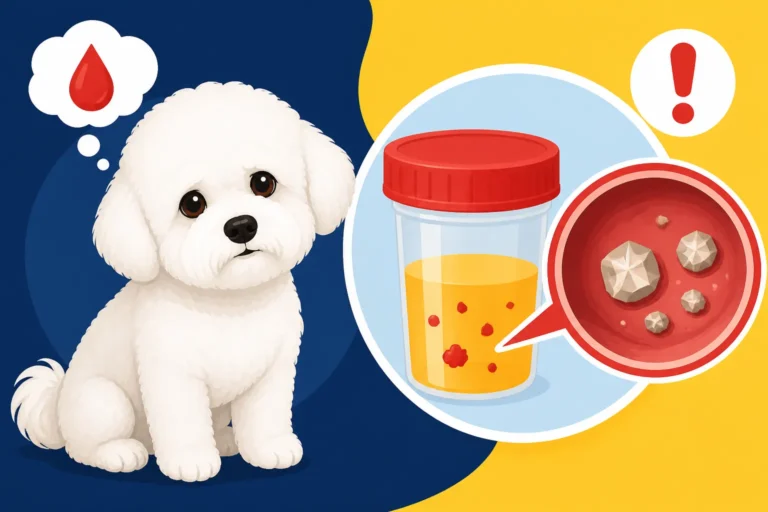
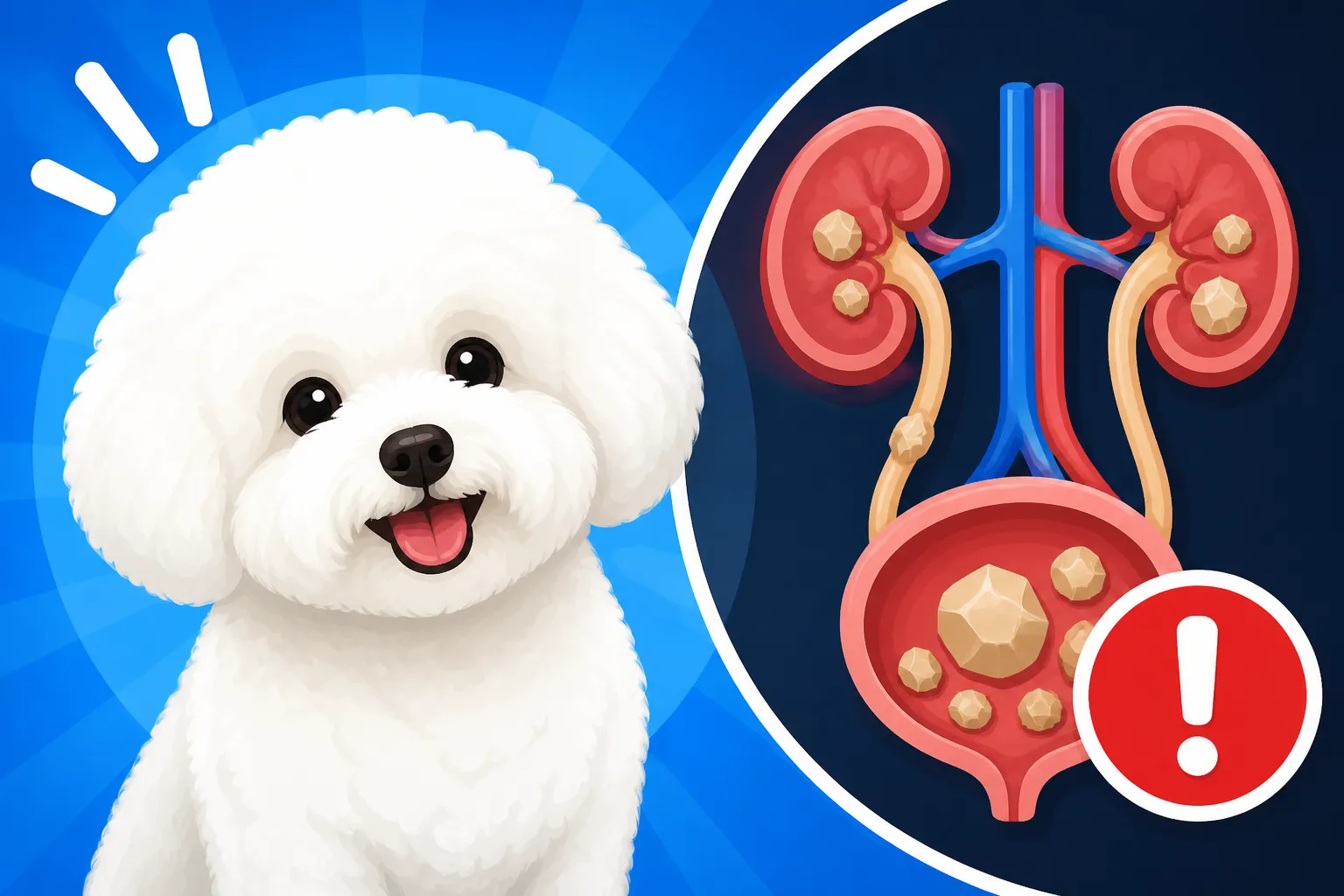
Imagine tiny, jagged pebbles forming inside your dog's bladder, sometimes even in their kidneys. That’s essentially what a calcium oxalate stone is. Unlike some other types of stones, like struvite, these stones don't typically form due to bacterial infections, though an infection can certainly complicate matters. Instead, they arise when certain minerals in the urine, primarily calcium and oxalate, become too concentrated and crystallize. Think of it like a saturated solution where the solids start precipitating out. Over time, these tiny crystals clump together, growing larger and larger, eventually forming the painful stones that cause so much trouble.
For a deeper dive into the specifics, you can learn more about What a Calcium Oxalate Stone Is in a Bichon Frise. These stones have a very specific crystalline structure, which is why they tend to be sharp and can cause significant irritation and bleeding within the urinary tract. The discomfort can be severe, leading to frequent urination, straining, and even blood in the urine, all signs that no pet parent ever wants to see.
Why Bichons are Genetically Predisposed
This isn't just bad luck; there's a strong genetic component at play that makes our Bichon Frises particularly susceptible. It's believed that Bichons, along with a few other small breeds, have inherited metabolic pathways that process calcium and oxalate differently than other dogs. This genetic predisposition means their bodies might excrete higher levels of calcium or oxalate into their urine, or they might have an issue with the inhibitors that normally prevent crystal formation. It’s like their internal chemistry is slightly off-kilter, making them fertile ground for stone development.
This inherited risk is a major reason why the Bichon Frise tops the stone risk list. If your Bichon has had stones, there's a higher chance that their littermates or parents also carry this predisposition. Understanding Whether a Bichon Frise's Stone Risk Is Inherited can help you make informed decisions, especially if you’re considering breeding or adding another Bichon to your family. It's not just about what they eat; it's deeply rooted in their DNA, making prevention a lifelong commitment rather than a temporary fix.
The Role of Urine Chemistry
Ultimately, stone formation boils down to the delicate balance of your Bichon's urine chemistry. Several factors play into this, including pH, concentration, and the presence of crystal-forming substances. Calcium oxalate stones tend to form in acidic urine, which is a common finding in many Bichons. When the urine is consistently acidic and highly concentrated, and there's an abundance of calcium and oxalate, the conditions are ripe for crystal precipitation.
Beyond pH and concentration, natural inhibitors in the urine usually help prevent crystals from clumping. If a Bichon is genetically predisposed, it's possible they have lower levels of these natural inhibitors, making them even more vulnerable. This complex interplay of factors is why simply changing one aspect of their care often isn't enough; a holistic approach is needed to manage their risk effectively. Your vet might recommend regular urine testing to monitor pH and specific gravity, giving you early warning signs of an imbalance.
The Genetic Blueprint: Why Bichons Are Uniquely Vulnerable
It's a tough pill to swallow, but the truth is, much of a Bichon Frise's vulnerability to bladder stones is hardwired into their genetics. It's not a reflection of your care, but rather an unfortunate part of their breed's predisposition that we, as responsible owners, need to understand and manage proactively.
Inherited Metabolic Pathways
Imagine a tiny assembly line inside your Bichon's body, responsible for processing waste products and filtering them into urine. For some Bichons, this assembly line has a slight glitch in the way it handles calcium and oxalate. Their bodies might absorb more calcium from their diet than necessary, or they might not break down oxalate efficiently, leading to higher concentrations of these substances in their urine. This isn't just a dietary issue; it's a fundamental difference in how their metabolism functions compared to other breeds.
This means that even with a seemingly perfect diet, some Bichons will still produce urine that's exceptionally prone to forming calcium oxalate crystals. It's an internal battle, a constant uphill climb against their own biological makeup. This predisposition can manifest at a surprisingly young age, with some Bichons forming their first stones when they are quite young, not just in their senior years. This is why it's so important to be aware of The Age a Bichon Frise Forms Its First Stone and start preventative measures early.
Specific Genetic Markers Identified
While research is ongoing, specific genetic markers have been identified that are strongly associated with an increased risk of calcium oxalate stone formation in certain breeds, including the Bichon Frise. These markers act like signposts, indicating a higher likelihood for an individual dog to develop stones. This scientific understanding helps veterinarians and breeders identify at-risk dogs, although widespread genetic testing for this specific condition is still evolving.
Knowing about these markers underscores the importance of choosing a reputable breeder who prioritizes health screening. A good breeder will be transparent about the health history of their breeding lines, including any incidence of bladder stones. This proactive approach helps reduce the prevalence of these issues over generations, even if it's not a perfect guarantee for any individual puppy.
Breeding Considerations and Risk Mitigation
Given the strong genetic link, responsible breeding practices are absolutely crucial for mitigating the risk of bladder stones in Bichon Frises. Breeders who are dedicated to the health of the breed should be meticulously tracking the incidence of stones in their dogs and their ancestors. Ideally, dogs with a history of recurrent calcium oxalate stones should not be bred.
While it's impossible to completely eliminate the risk overnight, thoughtful breeding can significantly reduce the likelihood of passing on these problematic genes. As a potential puppy owner, don't hesitate to ask breeders about their health screening protocols and their strategy for addressing breed-specific health concerns like stone formation. It's one of the best ways to ensure you're bringing home a puppy with the healthiest possible start.
Dietary and Hydration Factors: More Than Just What They Eat
While genetics lay the groundwork, what your Bichon eats and, crucially, how much they drink, plays a monumental role in whether those genetic predispositions translate into actual stones. It's not just about avoiding certain ingredients; it's about creating an internal environment that discourages stone formation.
The Impact of Diet on Stone Formation
Diet is perhaps the most actionable area where owners can make a significant difference in managing stone risk. For Bichons prone to calcium oxalate stones, a very specific type of diet is usually recommended—a prescription urinary diet designed to prevent these stones. These diets are meticulously formulated to be low in calcium and oxalate, have controlled protein levels, and often contain ingredients that help alkalinize the urine, which makes it less hospitable for calcium oxalate crystals to form.
It's important to understand that not just any "low mineral" or "urinary health" food will do. These prescription diets, like those from Royal Canin Urinary SO, Hill's Prescription Diet c/d Multicare, or Purina Pro Plan Veterinary Diets UR Urinary St/Ox, are scientifically proven to alter urine chemistry in a way that actively prevents stone recurrence. You can explore The Diet a Bichon Frise Stays On for Life for more detailed information. Deviating from this diet, even with small treats or table scraps, can throw off the delicate balance and increase the risk of stone formation, which is a frustration many owners face when trying to keep their picky eaters happy.
The Critical Role of Water Intake
If diet is the foundation, then water intake is the cement that holds everything together. Dilute urine is absolutely paramount in preventing crystal formation. When urine is dilute, the concentration of stone-forming minerals is lowered, making it much harder for crystals to precipitate out and clump together. Think of it like a river versus a stagnant puddle; the river keeps things moving and diluted, while the puddle allows solids to settle.
Encouraging your Bichon to drink more water is often one of the most effective, yet sometimes challenging, preventative measures. You might need to experiment with water fountains, adding water to their food, or even offering low-sodium broths. Many owners find themselves constantly monitoring water bowls and celebrating every sip! The question of Whether Water Intake Changes a Bichon Frise's Risk is a resounding yes – it's a huge factor. The more dilute the urine, the lower the risk.
Common Dietary Pitfalls to Avoid
Beyond the specific prescription diet, there are common dietary pitfalls that can inadvertently increase a Bichon's risk of calcium oxalate stones. High-oxalate foods, for instance, should be avoided or severely limited. These include things like spinach, sweet potatoes, beet greens, and some nuts. While these foods might be healthy for other dogs, for a Bichon prone to oxalate stones, they can be problematic.
Another area to be mindful of is treats. Many commercial dog treats are not formulated with urinary health in mind and can be high in minerals or other ingredients that counteract the benefits of a prescription diet. Always choose treats specifically approved by your veterinarian for urinary stone prevention, or opt for very low-oxalate, bland options. Even things like certain vitamin supplements can contain ingredients that alter urine chemistry. Always consult with your vet before introducing any new food, treat, or supplement to a Bichon with a stone history.
Lifestyle and Environmental Influences on Stone Risk
It's not just genetics and food; the daily routine and environment can also play a role in a Bichon Frise's susceptibility to bladder stones. Understanding these influences can help you fine-tune your care and further reduce their risk.
Urination Habits and Frequency
Frequent urination is a natural defense mechanism against stone formation. When a dog urinates often, their bladder is flushed regularly, preventing minerals from accumulating and crystals from having enough time to grow into stones. This means holding urine for long periods can actually increase the risk. For many Bichon owners, this creates a challenge, as these little dogs have small bladders and often need to go out more frequently anyway.
Ensuring your Bichon has ample opportunities to relieve themselves throughout the day is critical. This might mean more frequent potty breaks, or perhaps even a designated indoor potty area for emergencies. For those working long hours, a dog walker or doggy daycare might be a necessary consideration. You might be surprised to learn Whether Frequent Urination Protects a Bichon Frise, but it truly does. This is especially important if your Bichon has previously had stones, as the goal is to keep their urinary system constantly flushed.
Impact of Infections and Inflammation
While calcium oxalate stones are not directly caused by infection, a urinary tract infection (UTI) can certainly complicate things and even promote crystal formation. The inflammation caused by a UTI can change the pH of the urine and create a favorable environment for crystals to adhere and grow. Plus, a UTI on top of existing stones is incredibly painful and can worsen symptoms dramatically.
Therefore, prompt and effective treatment of any urinary tract infection is vital. Regular urine testing, especially for Bichons with a history of stones, can help catch infections early. Your vet might recommend Whether a Bichon Frise Should Be Urine Tested Yearly as a routine preventative measure, which can also help monitor for subclinical infections or changes in urine chemistry before they lead to larger problems.
Recognizing Early Warning Signs
As a Bichon owner, becoming attuned to the subtle signs of urinary discomfort is incredibly important. Early detection can mean the difference between minor intervention and a major emergency. Watch for changes in urination habits: Is your dog straining to urinate? Are they going more frequently, or having accidents in the house when they're usually perfectly house-trained? Is there blood in their urine, or does it appear cloudy or unusually dark?
Other signs might include excessive licking of the genital area, crying or whining during urination, or even just seeming generally uncomfortable or lethargic. Any of these symptoms warrant a prompt visit to your veterinarian. Ignoring them can lead to a blocked urethra, especially in male Bichons, which is a life-threatening emergency. Knowing the warning signs can help you act quickly and get your furry friend the help they need.
The Frustration of Recurrence: A Continuous Battle
One of the most disheartening aspects of managing bladder stones in Bichon Frises is the high rate of recurrence. Many owners go through the emotional and financial stress of surgery, only to find themselves facing the same problem again months or years down the line. It feels like an endless battle, and it's completely understandable to feel frustrated and overwhelmed.
Why Stones Return Even After Surgery
It's a common, heartbreaking scenario: your Bichon has surgery to remove their bladder stones, you bring them home, they seem to recover beautifully, and then, a year or two later, the symptoms return. The primary reason stones recur is that surgery removes the existing stones, but it doesn't eliminate the underlying genetic or metabolic predisposition that caused them in the first place. Without stringent, lifelong preventative measures, the factors that led to the initial stone formation are still present, and new crystals will inevitably begin to form.
Sometimes, microscopic crystals or fragments are left behind after surgery, acting as "seeds" for new stones. Even with the best surgical techniques, it's incredibly difficult to remove every single microscopic particle. These tiny remnants, combined with the dog's inherent urinary chemistry, can quickly grow into full-fledged stones. This is why strict adherence to a prescription diet, increased water intake, and regular monitoring are not just recommendations, but absolute necessities. You might be interested in learning How Often a Bichon Frise's Stones Return for a clearer picture of what to expect.
Long-Term Management Strategies
Managing calcium oxalate stones in a Bichon Frise is truly a lifelong commitment. The cornerstone of this management is almost always a prescription urinary diet. This diet needs to be fed exclusively, meaning no cheating with unauthorized treats, table scraps, or other foods. Every little deviation can disrupt the careful balance the diet creates in the urine. Beyond diet, maximizing water intake is crucial; consider water fountains, wet food, or adding broth to meals.
Regular follow-up with your veterinarian is also non-negotiable. This typically involves routine urine tests to monitor pH and specific gravity, and often diagnostic imaging, such as X-rays or ultrasound, to check for new stone formation. These check-ups might be recommended every 6-12 months, even if your dog seems perfectly fine. The goal is to catch any new crystals or tiny stones before they grow large enough to cause problems or require another invasive procedure. It can be a demanding routine, but it's essential for keeping your Bichon healthy and comfortable.
The Emotional and Financial Toll on Owners
Let's be real, dealing with recurrent bladder stones takes a significant toll on pet owners. There's the emotional stress of seeing your beloved dog in pain, the worry of potential blockages, and the guilt that can sometimes creep in if you feel you haven't done enough. Then there's the financial burden. As you might imagine, What One Bichon Frise Stone Surgery Costs and What Three Cost can be astronomical, and that doesn't even include the cost of specialized food, ongoing medications, and regular veterinary check-ups.
This is where having good pet insurance can truly be a lifesaver. Companies like Healthy Paws offer coverage that can help offset these substantial costs, providing immense peace of mind. While initial stone episodes might be covered, it's critical to understand that future occurrences could be deemed pre-existing conditions if not managed correctly, or if there's a lapse in coverage. Always check your policy details regarding chronic conditions and recurring issues. Pet insurance, especially for a breed prone to conditions like bladder stones, isn't just a luxury; it's a vital part of responsible pet ownership that helps you provide the best possible care without breaking the bank. The worry about Whether a Bichon Frise Can Have Repeat Surgeries is valid, and insurance can ease some of that burden.
Proactive Prevention: Taking Control of Your Bichon's Health
Given the predisposition of Bichon Frises to calcium oxalate stones, being proactive is the best defense. It's about understanding the risks and implementing consistent strategies to keep your furry friend as healthy and stone-free as possible.
Early Screening and Regular Monitoring
The best offense is a good defense, and for Bichons, this means getting ahead of potential stone formation. Even if your Bichon hasn't shown any symptoms, your vet might recommend regular screenings, especially if there's a family history of stones. This typically involves routine urinalysis to check urine pH, specific gravity (to assess dilution), and to look for any crystals or signs of infection.
Beyond urine tests, periodic diagnostic imaging, such as an ultrasound or X-rays, can detect stones when they are very small, often long before your dog shows any clinical signs of discomfort. Catching stones early means they might be managed with less invasive procedures or even dietary adjustments before they grow into a painful, surgical problem. This proactive monitoring is key to staying on top of their unique health needs.
Hydration Hacks for Reluctant Drinkers
Some Bichons aren't exactly champion drinkers, which can make consistent hydration a challenge. But given how critical water intake is for stone prevention, it’s worth trying a few "hydration hacks" to encourage more sips. Consider investing in a pet water fountain; the circulating, aerated water can be more appealing than a stagnant bowl. Ensure there are multiple water bowls placed strategically around the house, kept sparkling clean and filled with fresh water daily.
Adding water to their kibble or feeding a wet prescription diet can also significantly boost their daily fluid intake. You can even try offering low-sodium chicken or beef broth (check ingredients carefully to avoid problematic additives) as an occasional treat. For an extra incentive, some Bichons enjoy chasing ice cubes around a bowl. Getting enough fluid into your Bichon isn't just a suggestion; it’s a crucial component of preventing stones.
Working Closely with Your Veterinarian
Ultimately, navigating the complexities of bladder stone prevention and management in a Bichon Frise requires a strong partnership with your veterinarian. They are your best resource for tailored advice, diagnostic testing, and treatment plans. Don't hesitate to ask questions, voice your concerns, and discuss the long-term implications of this condition.
Your vet will help you select the most appropriate prescription diet, guide you on monitoring, and advise on when further diagnostic steps are needed. They can also help you understand how best to integrate treatments or preventative measures with other health needs your Bichon might have. Regular, open communication with your veterinary team is essential for ensuring your Bichon Frise lives the happiest, healthiest, and most stone-free life possible.
Table: Key Factors Contributing to Calcium Oxalate Stone Risk in Bichon Frises
| Factor | Description | Management Strategy |
|---|---|---|
| Genetic Predisposition | Inherited metabolic pathways that lead to higher calcium and oxalate excretion or reduced natural inhibitors in urine. | Choose reputable breeders. Lifelong management through diet and hydration. |
| Urine pH | Calcium oxalate stones typically form in acidic urine, which is common in Bichons. | Prescription urinary diet formulated to alkalinize urine. Regular urine testing to monitor pH. |
| Urine Concentration | Highly concentrated urine (low water intake) increases the saturation of stone-forming minerals. | Maximize water intake (fountains, wet food, water in kibble). Ensure frequent urination. |
| Dietary Oxalate & Calcium | Certain foods high in oxalate or excessive calcium can contribute to crystal formation. | Strict adherence to prescription urinary diet. Avoid high-oxalate treats/foods. Vet-approved treats only. |
| Urination Frequency | Infrequent urination allows minerals to sit in the bladder longer, promoting crystal growth. | Provide frequent potty breaks. Avoid prolonged holding of urine. Consider indoor potty options if needed. |
| Urinary Tract Infections (UTIs) | While not a primary cause, UTIs can cause inflammation and alter urine chemistry, encouraging stone formation or exacerbating symptoms. | Prompt diagnosis and treatment of UTIs. Regular urine screenings. |
Disclaimer
The information provided in this guide is for educational purposes only and is not a substitute for professional veterinary advice. Always consult with a qualified veterinarian regarding any health concerns or before making any decisions about your Bichon Frise's medical care, diet, or treatment plan. Individual needs can vary greatly, and only a veterinarian can provide personalized recommendations.