Whether a Bichon Frise Should Be Urine Tested Yearly
It’s a common worry for Bichon Frise parents: are we doing everything we can to protect our beloved fluffball from health issues, especially those sneaky ones that don't show obvious signs? When it comes to urinary health, a particular concern for this breed, the answer often lies in proactive monitoring. This comprehensive guide will walk you through why annual urine testing isn't just a good idea, but a crucial part of your Bichon Frise's preventive care, helping you catch potential problems early and ensure they live their happiest, healthiest life.
The Unique Urinary Challenges of Bichon Frises
Let’s be honest, living with a Bichon Frise is pure joy, but it also comes with a unique set of responsibilities, especially when it comes to their health. One area where Bichons tend to be particularly vulnerable is their urinary tract. It’s not just bad luck; there are genuine physiological and genetic reasons why this breed seems to face more bladder and kidney issues than many others. Understanding these predispositions is the first step in appreciating why a simple yearly urine test can be a lifesaver.
Why Bichons Are Prone to Bladder Stones
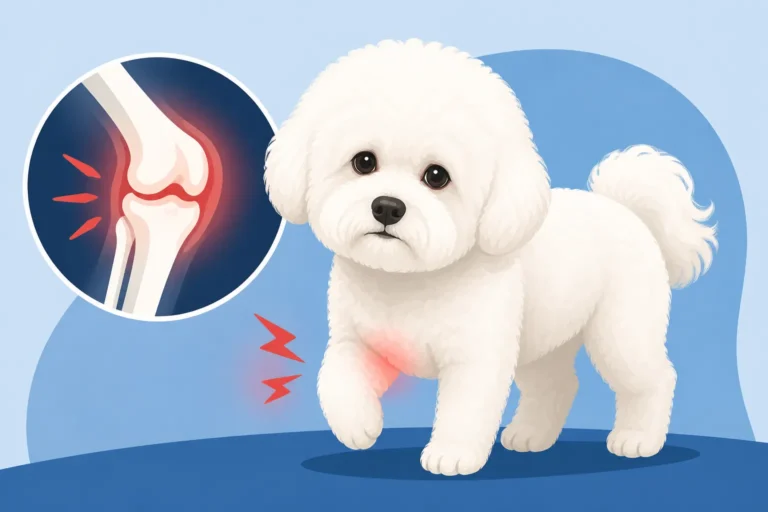
If you've spent any time researching Bichon Frise health, you've probably come across the dreaded term "bladder stones." It's a sad reality that Bichons are disproportionately affected by these painful formations. Specifically, they have a genetic predisposition to forming calcium oxalate stones. This isn't just a random occurrence; it's often tied to how their bodies metabolize certain compounds and the delicate balance of their urine chemistry. Their metabolic makeup can lead to urine that's more concentrated or has a higher concentration of calcium and oxalate, creating the perfect storm for crystal formation which then can aggregate into stones. It's a complex interplay of diet, genetics, and even water intake. This is why discussions like Why a Bichon Frise Forms Stones Twenty Times as Often are so prevalent in our community. Without regular checks, these stones can grow quite large before you even notice a problem.
What makes calcium oxalate stones particularly challenging is that, unlike some other types of stones, they typically cannot be dissolved with diet alone. Once they form, surgical removal is often the only option. This makes prevention and early detection paramount. Imagine the frustration and heartache of discovering your precious pup needs surgery when a simple, routine test could have alerted you to the early signs of crystal formation. Knowing What a Calcium Oxalate Stone Is in a Bichon Frise really puts the risk into perspective.
The Silent Threat of Urinary Issues
One of the most insidious aspects of urinary tract problems in Bichons is their tendency to be "silent" in their early stages. Our dogs are incredibly stoic creatures, often masking discomfort until a condition is quite advanced. This means that by the time you notice symptoms like straining to urinate, frequent urination, blood in the urine, or accidents in the house, the problem might be significant. A tiny crystal can take weeks or months to grow into a stone large enough to cause visible discomfort or, worse, a blockage.
This silent progression is why waiting for symptoms can be a dangerous game. A urinary tract infection, for example, might start subtly, with only mild inflammation, but left untreated, it can ascend to the kidneys, leading to more severe health crises. Similarly, the early stages of kidney disease often present with no outward signs, yet a urine test can reveal subtle changes in kidney function long before your Bichon starts acting unwell. This early window of detection is invaluable, allowing for interventions that can slow progression, manage symptoms, and ultimately extend their quality of life.
What a Yearly Urine Test Involves
Okay, so we know why it's important, but what does a yearly urine test actually entail? For many pet parents, the thought of collecting a urine sample or understanding the technical terms on a lab report can feel overwhelming. Let me break it down for you. It's really not as daunting as it sounds, and your vet team is there to guide you through every step.
Collecting a Urine Sample
There are a few ways to get a urine sample from your Bichon Frise, each with its own benefits regarding accuracy and ease.
- Free Catch: This is probably the method most familiar to pet owners. You simply try to catch your Bichon's urine mid-stream in a clean container as they go to the bathroom. It sounds simple, but let's be real, trying to get a cup under a squatting Bichon without them getting suspicious or stopping can be quite the Olympic sport! While convenient, a free catch sample can sometimes be contaminated by bacteria, debris, or cells from the surrounding environment (like skin or fur), which might lead to less accurate results. However, it's often a good starting point for a routine screening.
- Cystocentesis: This fancy word simply means your veterinarian collects the urine directly from the bladder using a sterile needle and syringe, often guided by ultrasound. While it might sound a bit intimidating, it's a very quick, generally pain-free procedure that provides the cleanest, most sterile sample possible. This method is crucial if your vet suspects a urinary tract infection, as it ensures the results aren't skewed by external contamination. It gives the most reliable picture of what's actually happening inside the bladder. Your vet might recommend this if previous free-catch samples showed ambiguous results or if there's a strong clinical suspicion of infection or stones.
- Catheterization: Less common for routine screening, but sometimes used, especially for male dogs where cystocentesis might be difficult. A sterile catheter is passed up the urethra into the bladder. This method also provides a sterile sample, though it is more invasive than a cystocentesis.
No matter the method, ensuring the sample is fresh and quickly transported to the vet is key. Stale urine can alter results, making them less accurate.
The Urinalysis
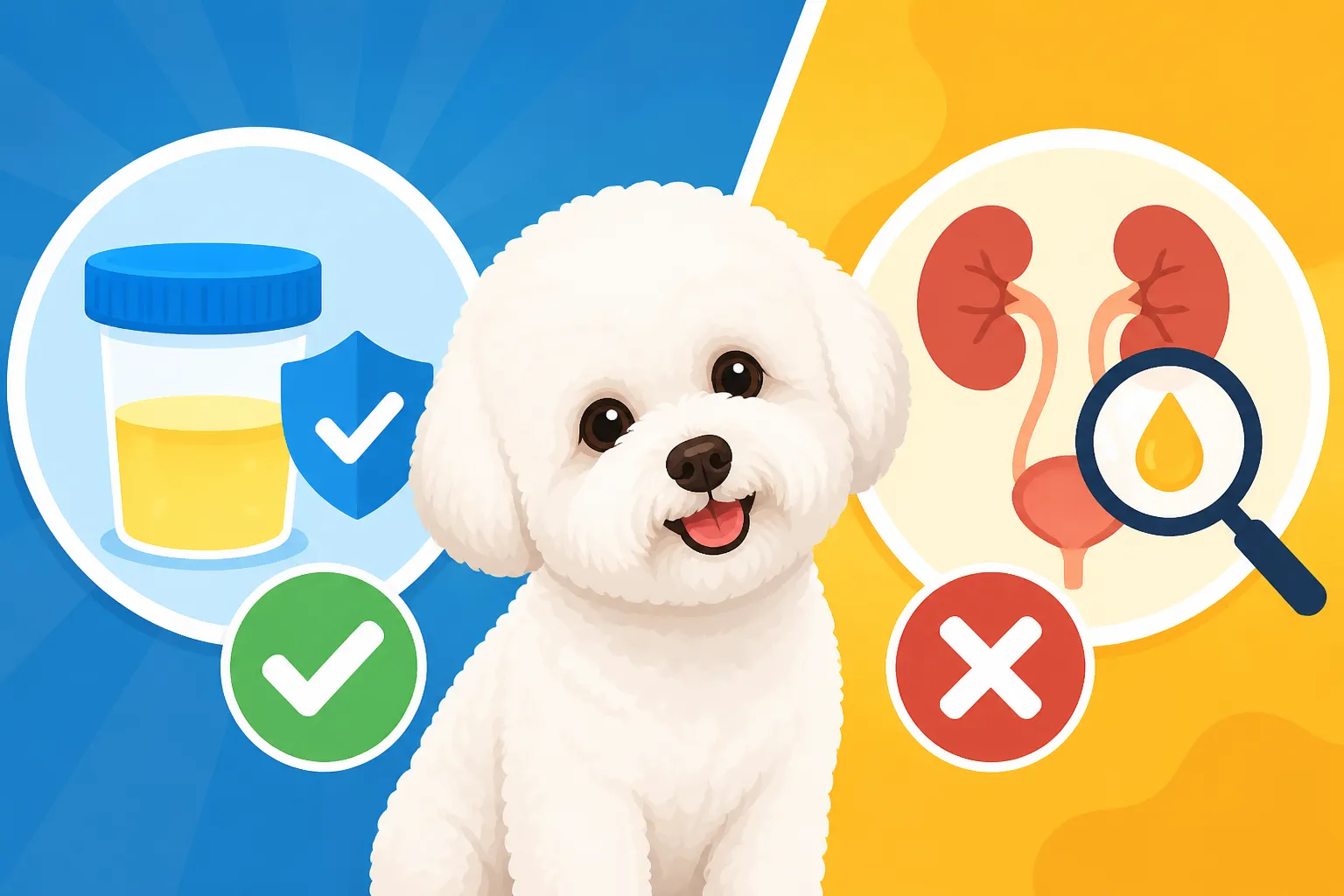
Once the sample is collected, it undergoes a urinalysis. This is a comprehensive evaluation that looks at several important aspects of your Bichon's urine, giving your vet a wealth of information about kidney function, hydration, and the presence of infection or stones.
- Physical Properties: The vet first looks at the urine's color, clarity, and specific gravity.
- Color and Clarity: Normal urine is typically clear and yellow. Cloudiness can suggest the presence of crystals, cells, or bacteria. Unusual colors might indicate bleeding or other issues.
- Specific Gravity: This measures how concentrated your Bichon's urine is. A very dilute sample might indicate your dog is drinking excessive amounts of water, or it could point to kidney issues or even conditions like diabetes or Cushing's Disease in a Bichon Frise Past Seven. A highly concentrated sample could suggest dehydration or a predisposition to stone formation if certain crystals are also present.
- Chemical Analysis (Dipstick Test): A small test strip is dipped into the urine, which changes color in response to various chemicals. This helps detect:
- pH: The acidity or alkalinity of the urine. Certain stone types thrive in specific pH ranges. For instance, calcium oxalate stones often form in acidic urine, while struvite stones (less common in Bichons but still a possibility) prefer alkaline urine.
- Protein: The presence of protein can indicate inflammation, infection, or more serious kidney disease.
- Glucose: Sugar in the urine is a strong indicator of diabetes. Whether a Bichon Frise Gets Diabetes is a valid concern, and urine testing is a first-line diagnostic.
- Ketones, Bilirubin, Blood: These can signal other metabolic problems, liver issues, or bleeding within the urinary tract. Even microscopic blood that isn't visible to the naked eye can be detected.
- Sediment Examination: This is where things get really interesting for Bichon Frise owners. A small amount of urine is spun in a centrifuge, and the solid material at the bottom (the sediment) is examined under a microscope. This allows the vet to identify:
- Crystals: Crucially, this can detect the presence of calcium oxalate crystals, even before they clump together to form full-blown stones. This is the earliest warning sign for many Bichons.
- Red Blood Cells: Indicates bleeding, which could be due to stones, infection, or trauma.
- White Blood Cells: A strong indicator of inflammation or infection.
- Bacteria: Suggests a urinary tract infection.
- Epithelial Cells: Cells lining the urinary tract can sometimes be shed and indicate inflammation or irritation.
Urine Culture and Sensitivity
If the urinalysis suggests an infection (e.g., presence of white blood cells or bacteria), your vet will often recommend a urine culture and sensitivity test. This takes the sample and attempts to grow any bacteria present in a lab. Once the bacteria are identified, a "sensitivity" test determines which antibiotics will be most effective at killing that specific strain of bacteria. This precision medicine approach ensures your Bichon gets the right antibiotic, preventing the development of antibiotic resistance and clearing the infection efficiently. Without it, vets might have to guess, leading to prolonged treatment or ineffective therapy.
Why Annual Urine Testing is a Game Changer for Bichons
You might be thinking, "My Bichon looks great, why put them through all this every year?" The truth is, for a breed with specific health predispositions like the Bichon Frise, annual urine testing isn't just a precautionary measure; it's a fundamental pillar of preventative care. It’s about being proactive rather than reactive, offering huge advantages for their long-term health and your peace of mind.
Catching Stones and Infections Early
Let's circle back to bladder stones. We know Bichons are highly susceptible to calcium oxalate stones, which don't dissolve. The beauty of annual urine testing is its ability to detect the crystals that precede stone formation. Imagine getting a heads-up that your Bichon is starting to form these microscopic precursors! This early warning allows your vet to intervene with dietary changes or increased water intake, potentially preventing the crystals from coalescing into painful, problematic stones. This could mean avoiding a future emergency trip to the vet because your Bichon is Spotting a Blocked Bichon Frise in Time – a truly terrifying situation that can be life-threatening.
Similarly, urinary tract infections (UTIs) can flare up in Bichons, sometimes triggered by the presence of crystals or simply due to their anatomy. UTIs can cause discomfort, frequent urination, and even lead to more serious kidney infections if left untreated. A yearly urine test can flag these infections even before your Bichon shows obvious signs, allowing for prompt treatment and preventing further complications. Early detection often means a less severe infection, a shorter course of medication, and a quicker return to comfort for your furry friend. It's truly a game-changer for preventing discomfort and serious health crises.
Monitoring Overall Kidney Health
Beyond stones and infections, urine tests provide invaluable insights into the overall health of your Bichon's kidneys. The kidneys are vital organs, responsible for filtering waste products from the blood and maintaining fluid and electrolyte balance. As Bichons age, like all dogs, their kidneys can become less efficient. A yearly urinalysis monitors parameters such as urine specific gravity, protein levels, and the presence of certain cells, all of which can be early indicators of kidney disease.
Catching kidney changes in their nascent stages is critical because kidney disease is often progressive. While it cannot always be cured, early detection allows for management strategies – special diets, fluid therapy, and medications – that can significantly slow its progression and enhance your Bichon's quality of life for longer. For an older Bichon, keeping tabs on their kidney function is an essential part of Caring for a Bichon Frise Past Eleven, ensuring they remain as comfortable and healthy as possible in their golden years. This proactive approach can literally add years to their life and improve the quality of those years.
Tailoring Preventive Strategies
The results of a yearly urine test are not just diagnostic; they are prescriptive. They provide your veterinarian with specific data to tailor preventive strategies unique to your Bichon. If, for instance, the test reveals calcium oxalate crystals, your vet might recommend a prescription urinary diet formulated to manage the urinary environment and reduce the risk of stone formation. These diets, like those from Royal Canin or Hill's Prescription Diet, are scientifically designed to alter urine pH, reduce stone-forming components, and encourage increased water intake. Discussing The Diet a Bichon Frise Stays On for Life often begins with these urinalysis findings.
Similarly, if your Bichon's urine is consistently too concentrated, a conversation about increasing their water intake becomes paramount. Simple changes, such as adding water to their kibble, offering wet food, or providing a pet water fountain, can make a significant difference. Understanding Whether Water Intake Changes a Bichon Frise's Risk of stone formation highlights just how crucial these test-guided adjustments can be. Without that yearly pee test, you'd be flying blind, missing opportunities to proactively safeguard your Bichon's health.
Understanding the Cost and Logistics
I get it. Every vet visit adds up, and you might be wondering about the practicalities of yet another yearly test. Is it worth the expense? How complicated is it to arrange? Let's talk realistically about the cost and logistics, because often, the preventive measure is far less costly and stressful than dealing with a full-blown medical crisis.
The Price of Peace of Mind
The cost of a yearly urinalysis for your Bichon Frise can vary depending on your location and veterinary clinic, but generally, it's a fraction of what emergency care or surgery would cost. A basic urinalysis might range from $40 to $80. If a urine culture and sensitivity are needed, that could add another $80 to $150. These figures, while not insignificant, pale in comparison to the thousands of dollars you might face if your Bichon develops a severe bladder stone blockage requiring emergency surgery, which can often run into the multiple thousands, especially if overnight hospitalization is required.
Many pet insurance providers, such as Healthy Paws, recognize the value of preventative care and often cover diagnostic tests like urinalysis as part of their wellness plans or accident/illness policies. It's always a good idea to check with your insurance provider to understand your coverage, but generally, they encourage these routine screenings because they lead to healthier pets and fewer major claims down the line. You can explore What Urine Testing Costs a Bichon Frise Owner Yearly and compare it to the cost of inaction. Investing a little now can save you a lot of financial and emotional stress later.
Making It a Routine Part of Wellness
Integrating a yearly urine test into your Bichon's routine is remarkably simple. The easiest way is to combine it with their annual wellness exam and vaccinations. When you book that yearly check-up, ask your vet if you can bring a fresh urine sample with you, or discuss the option of having a cystocentesis performed during the appointment.
Your vet clinic can provide you with a sterile collection cup and clear instructions for a free-catch sample. Many owners find it easiest to try and collect the sample first thing in the morning when the urine is most concentrated and their Bichon is due for their first potty break. If you're concerned about getting a clean sample, don't hesitate to ask your vet about the cystocentesis option – they do it all the time, and it's a quick procedure that yields the best results. By making it a regular part of their annual health check, it becomes just another small step in ensuring your Bichon enjoys a long, healthy life by your side. Remember that prevention is always better than cure, and this routine test truly embodies that principle.
Common Misconceptions and FAQs
Despite the clear benefits, there are still some common questions and misunderstandings surrounding annual urine testing for Bichon Frises. Let's clear up some of these points to ensure you feel fully informed and confident in this important aspect of your pup's health care.
"My Bichon Seems Fine, Do They Still Need It?"
This is perhaps the most common question, and it stems from a natural human tendency to only seek medical attention when there are obvious signs of illness. However, as we've discussed, Bichon Frises are prone to certain urinary conditions that can be "silent" for extended periods. A dog acting perfectly normal can still have microscopic crystals forming in their urine, or a low-grade urinary tract infection brewing. By the time visible symptoms appear, the problem might be more advanced and require more intensive intervention.
Think of it like this: you don't wait for your car's engine to seize before you get an oil change, right? Preventative maintenance, even when things seem fine, is key to preventing major breakdowns. For your Bichon, an annual urine test acts as that early warning system, detecting subtle shifts in their urinary health before they escalate into painful stones or serious infections. It allows for proactive management that can prevent suffering and significantly reduce future vet bills. Ignoring the recommendation because your Bichon "seems fine" is like burying your head in the sand, potentially missing crucial opportunities to intervene early.
The Difference Between Urinalysis and Other Tests
Sometimes owners get confused about how a urinalysis fits into the bigger picture of diagnostic tests. It's not a standalone test that tells you everything, but it provides unique information that other common tests, like blood work or X-rays, don't.
- Urinalysis vs. Blood Work: Blood tests (like a complete blood count or a chemistry panel) give your vet a snapshot of organ function and overall health from the blood's perspective. They can show if the kidneys are in trouble by looking at waste products that accumulate in the blood, but often these changes only become apparent when kidney function has significantly declined (around 70-75% loss). A urinalysis, on the other hand, can show subtle changes in urine concentration, protein levels, or the presence of crystals and bacteria much earlier, providing a more sensitive early warning for urinary and kidney issues. Both are important and complementary, offering different pieces of the diagnostic puzzle.
- Urinalysis vs. Imaging (X-rays, Ultrasound): Imaging techniques like X-rays or ultrasound are fantastic for visualizing the urinary tract. They can clearly show the presence and size of bladder stones, kidney stones, or structural abnormalities. Your vet might recommend Whether a Bichon Frise Should Be X Rayed Yearly if there's a history of stones. However, imaging doesn't tell you about the composition of the urine itself. An X-ray won't show you microscopic crystals, and it won't diagnose a bacterial infection. The urinalysis provides the chemical and cellular details that guide decisions on diet, medication, and further investigation. For example, if a urinalysis shows crystals, an X-ray might be the next step to confirm if those crystals have formed stones. They work together, providing a complete picture.
| Urinalysis Parameter | What it Tells Your Vet | Potential Significance for Bichons |
|---|---|---|
| Specific Gravity | Urine concentration; kidney's ability to concentrate/dilute urine. | Very dilute urine could indicate kidney disease or excessive thirst (diabetes/Cushing's). |
| pH | Acidity or alkalinity of urine. | Abnormal pH can promote specific stone formation (e.g., acidic for calcium oxalate). |
| Protein | Presence of protein in urine. | Can indicate inflammation, infection, or early kidney disease. |
| Glucose | Presence of sugar in urine. | Strong indicator of diabetes. |
| Red Blood Cells | Presence of blood, even microscopic. | Indicates bleeding due to stones, infection, or inflammation. |
| White Blood Cells | Presence of inflammatory/immune cells. | Strong indicator of urinary tract infection or inflammation. |
| Crystals | Presence and type of microscopic crystals. | Crucial early warning for bladder stone formation (e.g., calcium oxalate crystals). |
| Bacteria | Presence of bacteria. | Confirms urinary tract infection. |
Ultimately, annual urine testing for your Bichon Frise is an investment in their long-term health and comfort. Given their predisposition to urinary issues, it's a small, proactive step that can yield huge rewards, helping them live their full, joyful, and wonderfully fluffy lives by your side.
Disclaimer
The information provided in this article is for general informational purposes only and is not intended as a substitute for professional veterinary advice. Always consult with a qualified veterinarian regarding any medical concerns or before making any decisions about your Bichon Frise's health care.