Whether Frequent Urination Protects a Bichon Frise
It's incredibly worrying when your sweet Bichon Frise starts showing any signs of discomfort, especially when it involves something as fundamental as their potty habits. Many of us Bichon parents find ourselves constantly monitoring their bathroom breaks, wondering if we're doing enough to keep them healthy. This guide dives deep into whether frequent urination truly offers a protective shield against those notoriously stubborn bladder stones that so often plague our fluffy companions.
Understanding the Bichon Frise's Unique Bladder Stone Predisposition
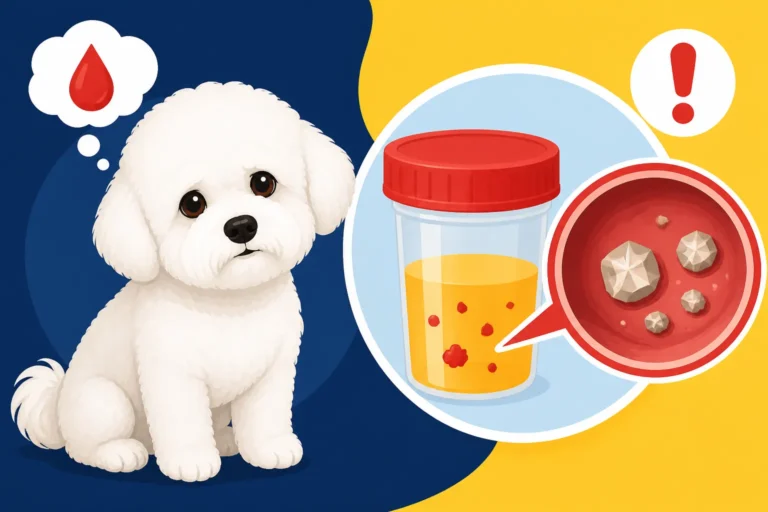
Let's be honest, discovering your Bichon Frise has bladder stones is a heartbreaking and often expensive ordeal. It feels like you've done everything right, and yet, there they are. The truth is, Bichon Frises are unfortunately genetically predisposed to forming certain types of bladder stones, primarily calcium oxalate stones, more often than many other breeds. It’s not just bad luck; it’s a specific metabolic quirk that makes them produce urine with higher concentrations of calcium and oxalate, setting the stage for these tiny, painful crystals to form and then grow into full-blown stones.
Why Bichons Are Prone to Calcium Oxalate Stones
It’s a cruel irony that such a delightful, cheerful breed like the Bichon Frise can be so susceptible to a condition that causes so much distress. Their genetics play a huge role, making them one of the top breeds for developing these stones. We often hear about them forming stones twenty times as often as other breeds, and while that number might sound extreme, it highlights the very real challenge we face as Bichon owners. These stones don't dissolve with medication; they usually require surgical removal, making prevention absolutely critical. Understanding this predisposition is the first step in protecting your furry friend.
The Problem with Concentrated Urine
Think of it like making rock candy: the more sugar you dissolve in water, and the more slowly that water evaporates, the bigger your crystals will grow. The same principle applies to bladder stones. When a Bichon Frise’s urine is highly concentrated, meaning there's less water and more dissolved minerals and waste products, these stone-forming compounds like calcium and oxalate are more likely to clump together. It's like a microscopic soup where the ingredients are just begging to crystallize. Dilute urine, on the other hand, makes it much harder for these crystals to form and accumulate, essentially "washing" them out before they can become a problem. This is why increasing water intake changes a Bichon Frise's risk so significantly.
The Protective Role of Frequent Urination
So, does frequent urination actually protect your Bichon Frise? The short answer is yes, absolutely! It’s one of the most effective, natural defenses against bladder stone formation. When your dog urinates more often, their bladder empties regularly. This means that any microscopic crystals or sediments that have started to form don't get a chance to settle and grow into larger stones. It's like flushing a pipe before a blockage can truly take hold. This constant flow keeps the urinary tract clear, reducing the time these stone-forming elements spend in contact with the bladder wall and each other.
How Frequent Urination Prevents Stone Buildup
Imagine a tiny grain of sand in a rapidly flowing river versus a still pond. In the river, that sand is quickly carried away. In the pond, it settles to the bottom and can become part of a larger sediment pile. That's essentially what frequent urination does for your Bichon's bladder. Each time they urinate, they're not just expelling waste; they're also flushing out any microscopic calcium oxalate crystals that might be attempting to aggregate. This significantly reduces the opportunity for these crystals to bind together and form larger, problematic stones that could eventually require surgery. This proactive flushing is a cornerstone of any good prevention plan.
Connecting Hydration and Urination Frequency
It almost goes without saying, but you can't have frequent urination without adequate hydration. These two go hand-in-hand. The more your Bichon drinks, the more dilute their urine becomes, and consequently, the more often they’ll need to empty their bladder. It’s a beautiful, natural cycle. Many Bichon Frises don't naturally drink enough water, especially if they're on a dry kibble diet. Encouraging them to drink more isn’t just about keeping them hydrated; it’s a direct strategy to dilute their urine and increase urination frequency, which, in turn, helps to wash away those stone-forming precursors. This is a topic often discussed when considering the diet a Bichon Frise stays on for life.
Practical Strategies to Encourage Frequent Urination and Hydration
Knowing that frequent urination is beneficial is one thing, but actually implementing strategies to make it happen is another challenge entirely. Bichons can be notoriously picky, or simply not big drinkers, so we need to get creative. The goal is to make drinking water and going outside as appealing and accessible as possible.
Boosting Water Intake
One of the easiest ways to get your Bichon to pee more often is to get them to drink more water. It sounds simple, but for some dogs, it's a real struggle. Start by offering multiple water bowls around the house – not just one, but several, in different locations. Sometimes a change in bowl material can make a difference; some dogs prefer ceramic or stainless steel over plastic. Another great trick is adding a splash of low-sodium chicken or beef broth to their water bowl a few times a day to make it more enticing. You can also offer ice cubes as treats, especially during warmer months, which is a sneaky way to increase their water consumption. For Bichons on prescription diets, like Royal Canin or Hill's urinary care formulas, ensure the wet food varieties are always an option, as they naturally contain higher moisture content.
| Strategy | Benefit | How to Implement |
|---|---|---|
| Multiple Water Bowls | Increased Accessibility | Place bowls in living areas, bedroom, kitchen, outside. |
| Water Fountains | Running Water Appeal | Invest in a pet fountain; many dogs prefer moving water. |
| Wet Food Incorporation | Hidden Hydration | Mix wet food into dry kibble, or feed wet food exclusively. |
| Broth/Flavoring | Increased Palatability | Add small amounts of low-sodium broth to water. |
| Ice Cubes | Fun Hydration | Offer as treats, especially in warm weather. |
| Frequent Potty Breaks | Reinforces Urination | Take them out every 2-3 hours, especially after waking/eating. |
Establishing a Consistent Potty Schedule
Consistency is key, especially with a breed that can be notoriously hard to housetrain. Beyond just increasing water intake, establishing a very regular potty schedule is crucial for encouraging frequent urination. Take your Bichon out first thing in the morning, immediately after meals, after naps, and right before bedtime. Aim for a trip outside every 2-3 hours during the day, even if they don't seem to be asking to go. This proactive approach prevents their bladder from becoming overly full and gives them ample opportunity to empty it, washing away any nascent crystals. Make sure to praise them enthusiastically when they do go outside, reinforcing the positive behavior. This frequent opportunity to relieve themselves is critical, especially since the first signs a Bichon Frise has stones often mimic common urinary tract infection symptoms, like increased urgency or frequency.
The Role of Diet in Hydration and Urine Dilution
Diet plays an incredibly significant role, not just in providing proper nutrition, but directly in managing urinary health. For Bichon Frises prone to calcium oxalate stones, a prescription urinary diet is often recommended by veterinarians. These diets are specifically formulated to create an environment in the bladder that discourages stone formation. They typically have controlled levels of minerals like calcium, phosphorus, and magnesium, and often work to maintain a urine pH that is less conducive to crystal formation. More importantly, many of these prescription diets, like those from Royal Canin Urinary SO or Hill's Prescription Diet c/d Multicare, come in wet food formulations. Wet food has a much higher moisture content than dry kibble, directly contributing to increased water intake and more dilute urine. This is a game-changer for many Bichons, making it easier to get enough fluid into them without them even realizing it. The importance of wet food cannot be overstated when it comes to keeping that urine dilute and flowing.
Broader Prevention Strategies Beyond Urination Frequency
While frequent urination is a vital piece of the puzzle, it's part of a larger, multifaceted approach to preventing bladder stones in Bichon Frises. We can't rely on just one strategy; a comprehensive plan offers the best protection for our beloved companions.
Specialized Urinary Diets
As mentioned, a prescription urinary diet is often the cornerstone of preventing calcium oxalate stones. These diets are not just about protein or fat content; they are carefully balanced to affect urine chemistry. They typically aim to increase urine volume, dilute key stone-forming components, and often adjust the urine's pH to make it less hospitable for crystal growth. For calcium oxalate stones, the goal is often to maintain a neutral to slightly alkaline urine pH. Your veterinarian might recommend brands like Hill's Prescription Diet c/d Multicare or Royal Canin Urinary SO. It’s crucial that your Bichon Frise stays on this diet for life, and this includes all treats and table scraps. Even a single treat that isn't compatible with the diet can potentially undo weeks or months of diligent management. It’s a commitment, but one that can spare your dog significant pain and costly surgeries. This goes hand-in-hand with understanding whether a low oxalate diet is enough for a Bichon Frise.
Regular Veterinary Check-ups and Urine Monitoring
You can't manage what you don't measure, and this is especially true for bladder stone prevention. Regular vet check-ups, ideally every 6-12 months, are absolutely non-negotiable for a Bichon Frise with a history of stones or a strong predisposition. These visits should include a complete urinalysis. Your vet will check for urine specific gravity (which indicates dilution), pH, and the presence of any crystals, bacteria, or blood. Early detection of crystals can prompt adjustments to diet or water intake before they grow into full stones. Some vets might also recommend periodic imaging, like X-rays or ultrasounds, to literally look for any developing stones. This is why whether a Bichon Frise should be urine tested yearly is such an important question for owners. Staying on top of these preventative health measures can save you a world of heartache and expense down the line. It's also why having pet insurance, such as a policy from Healthy Paws, can be incredibly beneficial for managing ongoing monitoring and potential future treatments, providing peace of mind.
Avoiding Certain Supplements and High-Oxalate Foods
Sometimes, what we don't give our Bichons is just as important as what we do. Certain supplements and foods can actually increase the risk of calcium oxalate stone formation. For example, some owners unknowingly give their dogs vitamin C supplements, believing it's good for overall health. However, in some dogs, excess vitamin C can be metabolized into oxalate, potentially increasing stone risk. Always consult your vet before adding any supplements to your Bichon's diet.
Similarly, certain human foods are naturally high in oxalates and should be avoided or given in very limited quantities if your Bichon is prone to stones. These include:
- Spinach
- Rhubarb
- Sweet potatoes (in large amounts)
- Beets
- Nuts
- Some berries (like raspberries)
While a tiny piece of carrot here and there might be fine, making a habit of feeding high-oxalate human foods can counteract the benefits of a prescription diet. Always double-check with your vet about safe treats and supplements. This diligent approach is part of caring for a Bichon Frise past eleven, where health management becomes even more critical.
The Lifelong Commitment to Prevention
Preventing bladder stones in a Bichon Frise isn't a temporary fix; it's a lifelong commitment. Once a Bichon has formed calcium oxalate stones, the likelihood of recurrence is unfortunately very high. This means the dietary changes, increased hydration efforts, frequent urination encouragement, and regular vet check-ups need to become a permanent part of their routine. It can feel overwhelming at times, especially when you're diligently managing their diet and thinking about every potty break. However, with consistency and dedication, you can significantly reduce the risk of future stone formation, keeping your Bichon healthier and happier for years to come. Many owners find that setting aside a specific budget or having a robust pet insurance plan, like those offered by Healthy Paws, helps cover the costs of ongoing preventative care and monitoring, which can otherwise add up quickly. It's all about proactive management to avoid the stress and expense of emergency situations or repeat surgeries. Regular check-ups and adherence to these strategies are key to avoiding needing to know what a Bichon Frise's emergency blockage costs.
Disclaimer
Please remember that the information provided in this guide is for educational purposes only and should not replace professional veterinary advice. Always consult with your veterinarian regarding your Bichon Frise's specific health needs and treatment plans, especially concerning bladder stones and dietary management.