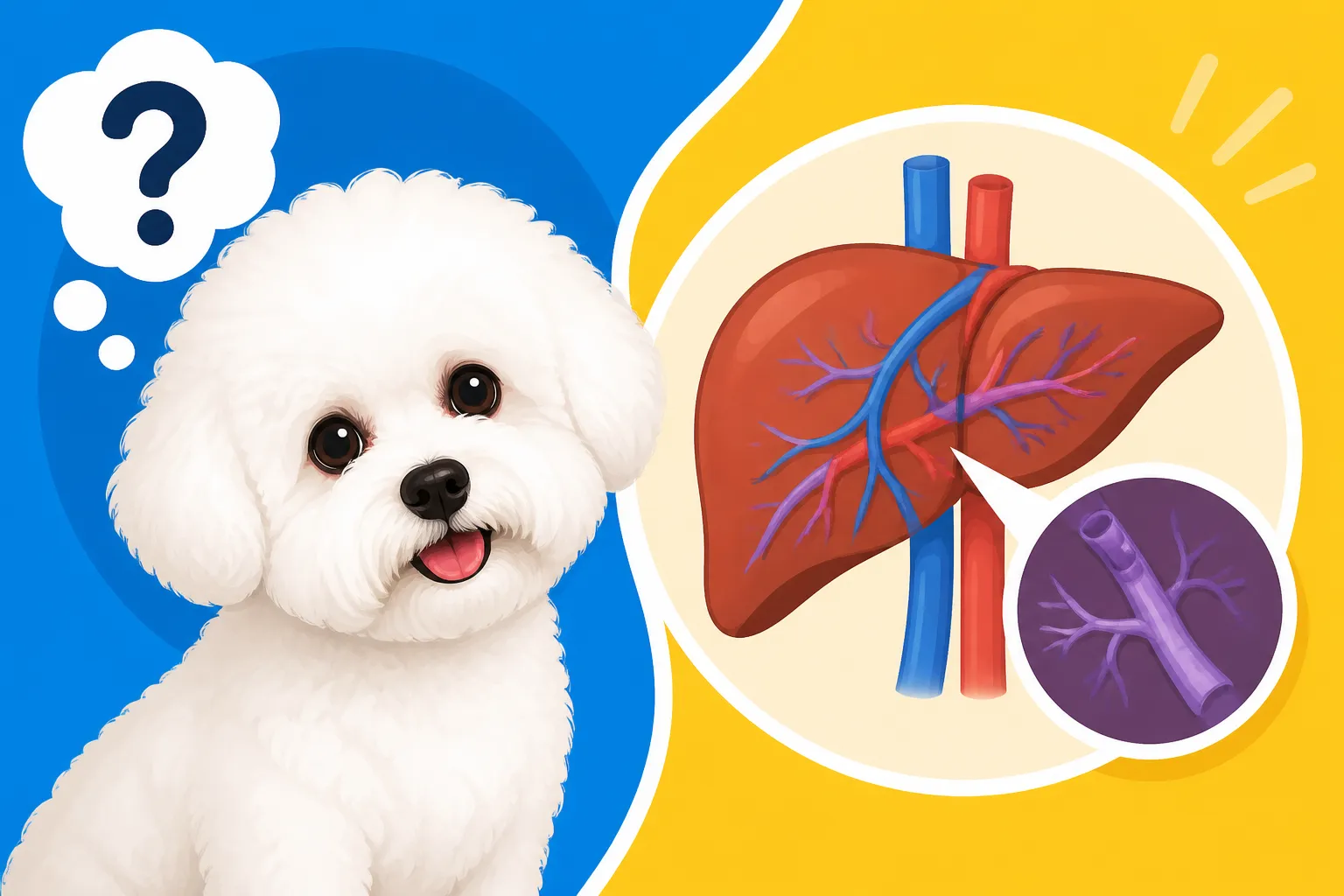
Whether a Bichon Frise Gets a Liver Shunt
It’s truly unsettling when your cheerful little Bichon Frise starts acting a bit off, showing signs that just don't fit their vibrant personality. You might notice them seem a little dull, perhaps not eating with their usual gusto, or even behaving strangely after meals. These subtle shifts can trigger a wave of worry, making you wonder what could possibly be going on with your beloved companion. This guide aims to shed light on a serious, yet sometimes misunderstood, condition: liver shunts, and to explore if this is something Bichon Frise owners need to be particularly aware of.
Understanding Liver Shunts in Dogs
When we talk about liver shunts, we're delving into a condition that fundamentally affects how your dog's body processes nutrients and eliminates toxins. It's a complex medical issue, but understanding the basics can help you recognize the signs and advocate for your pet's health. For many Bichon Frise owners, the very idea of a liver problem can feel overwhelming, especially with such a vital organ at stake.
What Exactly is a Portosystemic Shunt (PSS)?
Imagine your dog’s digestive system as a complex factory, absorbing all the good stuff from food. After absorption, this nutrient-rich blood is supposed to travel directly to the liver via the portal vein. The liver acts as a critical filtration system and processing plant, neutralizing toxins, metabolizing nutrients, and sending purified blood back to the heart to circulate throughout the body. It’s a beautifully efficient system, most of the time.
A portosystemic shunt (PSS), or more commonly, a liver shunt, occurs when there’s an abnormal connection, a "shunt," that allows blood from the digestive organs to bypass the liver entirely and go straight into the general circulation. Think of it like a detour that skips the crucial purification stage. This means that toxins, instead of being filtered by the liver, are directly pumped into the bloodstream, where they can reach the brain and other organs, causing a myriad of problems. Additionally, the liver, deprived of the necessary blood flow and nutrients it needs to develop and function properly, often remains underdeveloped and inefficient.
Congenital vs. Acquired Shunts
Liver shunts aren't a single, uniform condition; they typically fall into two main categories: congenital and acquired. The distinction is crucial, as it often dictates the breed predisposition, onset of symptoms, and even the approach to treatment. It’s natural to feel a pang of fear when you hear terms like "congenital," implying something your precious puppy might have been born with.
Congenital shunts are present from birth, meaning your puppy was born with this abnormal vessel. These are often single, large shunts and are the type more commonly associated with specific breeds. They can be intrahepatic (meaning the shunt is located within the liver itself) or extrahepatic (the shunt is outside the liver). Extrahepatic shunts tend to be more common in smaller breeds, while intrahepatic shunts are more often seen in larger breeds. This is a key point to remember when considering breeds like the Bichon Frise.
Acquired shunts, on the other hand, develop later in life. These are typically multiple, smaller shunts that form as a consequence of severe, chronic liver disease, often when the liver itself becomes so damaged that blood flow through it is severely restricted. The body, in an attempt to find an alternate route for blood to bypass the struggling liver, creates these new, abnormal vessels. Acquired shunts are less about genetics and more about a failing liver that’s been battling other significant health challenges, such as chronic inflammation, severe infection, or long-term toxin exposure. They represent a late-stage complication of serious liver dysfunction.
Why Liver Health is So Crucial for Your Bichon Frise
The liver is truly a workhorse, performing hundreds of vital functions every single day. For a small breed like a Bichon Frise, every organ needs to be functioning optimally to maintain their overall health and vitality. When the liver isn't doing its job, the domino effect across the entire body can be devastating. Owners often don't realize just how central the liver is until something goes wrong, and then the sheer scope of its responsibilities becomes starkly clear.
Beyond filtering toxins and metabolizing drugs, the liver produces crucial proteins for blood clotting, stores vitamins and minerals, regulates blood sugar, and plays a significant role in digestion by producing bile. It’s involved in immune function and even hormone regulation. When a liver shunt prevents the liver from performing these tasks, your Bichon Frise can suffer from a buildup of toxins (especially ammonia), nutrient deficiencies, poor drug metabolism, and impaired overall body function. Their ability to fight infection, digest food, or even think clearly can be severely compromised.
This organ's health is therefore paramount to your Bichon Frise's quality of life and longevity. Any condition that impairs liver function, like a shunt, requires immediate attention and comprehensive management to prevent severe and often irreversible damage to other body systems. It’s not just about managing symptoms; it’s about supporting a core system that impacts everything else.
Are Bichon Frises Prone to Liver Shunts?
It's a question many Bichon Frise owners ask, especially as they research potential health concerns for their beloved breed. The internet can be a confusing place, full of conflicting information, making it hard to discern fact from anecdotal worry. It's completely normal to feel concerned about breed-specific ailments, as being informed is the first step in proactive care.
Breed Predisposition and Genetic Factors
When it comes to congenital liver shunts, breed predisposition is a very real factor. While any dog can theoretically be born with a liver shunt, certain breeds have a significantly higher incidence. Unfortunately, the Bichon Frise is indeed among those breeds. This doesn't mean every Bichon will develop a shunt, but it does mean they are genetically more likely to inherit the condition compared to many other breeds.
Other small breeds frequently on this list include the Yorkshire Terrier, Maltese, Havanese, Shih Tzu, and Cairn Terrier. Larger breeds like the Irish Wolfhound and Australian Shepherd can also be affected, though often with intrahepatic shunts. For small breeds like the Bichon Frise, extrahepatic shunts are the more common form of congenital PSS. This genetic susceptibility is why diligent breeders often screen their breeding dogs, a topic we'll discuss more in a moment. Knowing this predisposition helps owners and veterinarians stay vigilant, particularly when a young Bichon Frise puppy isn't thriving as expected.
Inheritance and Breeder Responsibility
The genetic component of congenital liver shunts in Bichon Frises means that responsible breeding practices are incredibly important. It's believed that the condition can be inherited, though the exact mode of inheritance can be complex, involving multiple genes. This isn't usually a simple dominant or recessive trait that can be easily screened for with a single test, which makes it even more challenging for breeders.
A reputable Bichon Frise breeder will be acutely aware of this breed predisposition and will take steps to minimize the risk in their lines. This often involves thorough health testing of parent dogs, carefully reviewing pedigrees for any history of PSS, and being transparent with potential puppy buyers about any known instances in the lineage. They might perform bile acid stimulation tests on puppies before they go to new homes, or at least advise new owners to do so. While there isn't a definitive genetic test to completely eliminate the risk yet, avoiding breeding affected dogs or those with a close history of PSS is a crucial ethical responsibility. When considering a puppy, asking about the health history of the parents and any siblings, specifically regarding liver shunts, is a wise step.
Early Warning Signs in a Bichon Frise Puppy
Spotting the signs of a liver shunt can be particularly challenging in a young puppy because their symptoms can be quite subtle and easily mistaken for other common puppy ailments. However, recognizing these early indicators is paramount for a better prognosis. Your cheerful little fluffball might not seem quite as energetic or as robust as their littermates, which is often the first clue.
One of the most common early signs is failure to thrive. This means your Bichon Frise puppy might be noticeably smaller than their littermates, even if they eat well. They may have a dull coat, poor muscle development, and just generally look scrawny or underdeveloped. They might also exhibit neurological signs, which can be particularly alarming. These can include disorientation, lethargy, head pressing (pushing their head against a wall or furniture), blindness, or even seizures, especially after eating a high-protein meal. This is because the unfiltered toxins, particularly ammonia, directly affect the brain. Gastrointestinal issues like vomiting, diarrhea, and a poor appetite are also common. Owners might also notice increased thirst and urination, and sometimes, even signs of bladder stones, which are a common complication. Recognizing these nuanced behaviors and seeking veterinary advice promptly is critical.
Recognizing the Symptoms of a Liver Shunt
The symptoms of a liver shunt can be incredibly varied and might wax and wane, making diagnosis tricky. This unpredictability can be incredibly frustrating for owners who know something is wrong but can't quite pinpoint it. Your Bichon Frise might be perfectly fine one moment and then display concerning behaviors the next, leaving you feeling helpless.
Neurological Signs You Might Observe
Neurological symptoms are often the most striking and alarming indicators of a liver shunt, occurring when toxins bypass the liver and accumulate in the brain. For a breed known for its intelligence and alertness, these changes can be particularly distressing to witness. They often worsen after meals, especially those high in protein, as the digestive process produces more ammonia, which then floods the brain.
You might observe your Bichon Frise acting disoriented, perhaps staring blankly into space or appearing confused about their surroundings. They might seem lethargic, sleeping more than usual, or conversely, be restless and agitated. One classic sign is head pressing, where the dog stands with their head pushed firmly against a wall, corner, or piece of furniture. This behavior is thought to be an attempt to alleviate a headache or discomfort caused by brain swelling or toxin buildup. In more severe cases, your Bichon Frise could experience tremors, incoordination, or even full-blown seizures. They might also appear temporarily blind, bumping into objects that they would normally navigate with ease. These signs are collectively known as hepatic encephalopathy and demand immediate veterinary attention.
Gastrointestinal and Urinary Manifestations
Beyond the neurological issues, liver shunts can cause a range of problems with your Bichon Frise's digestive and urinary systems. These symptoms can often be mistaken for other, less serious conditions, delaying a correct diagnosis. The subtle nature of these signs can add to an owner's mounting anxiety, wondering if they're missing something crucial.
Many dogs with liver shunts experience chronic or intermittent gastrointestinal upset. This can manifest as a persistently poor appetite, leading to weight loss or failure to gain weight properly in puppies. You might notice frequent vomiting or episodes of diarrhea. Sometimes, they might have specific food intolerances that worsen their symptoms. Because the liver plays a role in nutrient absorption and processing, dogs with shunts often struggle to get adequate nutrition. Furthermore, the altered metabolism associated with a shunt can lead to problems in the urinary tract. The excess ammonia and other waste products in the bloodstream are eventually excreted by the kidneys, often leading to increased thirst and urination (polydipsia and polyuria). This altered urine chemistry can also predispose your Bichon Frise to developing bladder stones, particularly ammonium urate stones. If your Bichon Frise forms stones twenty times as often, it might not just be a simple bladder issue but a clue pointing to an underlying metabolic problem like a liver shunt.
Growth and Development Concerns
In young Bichon Frise puppies, one of the most consistent and telling signs of a congenital liver shunt is a noticeable failure to thrive or stunted growth. This isn't just about being a little smaller than littermates; it's a profound lack of proper development that can impact their entire physical presentation. This can be heartbreaking to witness when you expect your puppy to be robust and growing steadily.
Affected puppies often remain smaller and lighter than their peers, failing to reach their expected adult size. They may have a persistently dull, often coarse, coat that lacks the characteristic fluffy softness of a healthy Bichon Frise. Their muscle mass can be poor, giving them a thin, frail appearance, even if they're eating what seems like a normal amount of food. This lack of proper development is a direct consequence of the liver’s inability to process nutrients efficiently and detoxify waste products. The body simply isn't getting the building blocks it needs, nor is it able to eliminate the substances that hinder growth and vitality. If your puppy seems perpetually underweight or isn't developing normally, a liver shunt should definitely be on the diagnostic radar.
Diagnosing a Liver Shunt in Your Bichon Frise
If you suspect your Bichon Frise might have a liver shunt, getting an accurate diagnosis is the most important next step. This can be a multi-stage process, involving various tests, and it can feel like a marathon of appointments and waiting for results. It’s a challenging time, and the uncertainty can weigh heavily on any pet parent. Rest assured, your vet is working to uncover the truth and find the best path forward.
Initial Veterinary Examination and Blood Tests
The diagnostic journey usually begins with a thorough physical examination by your veterinarian. They’ll observe your Bichon Frise’s overall condition, check for any signs of neurological abnormalities, assess their growth, and listen to their heart and lungs. This initial assessment helps them gather clues and determine which specific tests might be most revealing.
Standard blood tests, such as a complete blood count (CBC) and a biochemistry panel, are often the first diagnostic tools employed. While these tests don't directly diagnose a shunt, they can provide strong indicators. For example, a dog with a liver shunt might have a low blood urea nitrogen (BUN) level, as the liver isn’t processing ammonia into urea effectively. They might also have low albumin (a protein produced by the liver), low cholesterol, and sometimes abnormal liver enzyme levels, although these can be variable. Red blood cell abnormalities, such as microcytosis (abnormally small red blood cells), can also be a subtle clue. These initial blood tests, while not conclusive on their own, often paint a suspicious picture that prompts further, more specialized investigations.
Advanced Imaging Techniques
Once initial blood tests raise suspicion, your veterinarian will likely recommend advanced imaging to visualize the liver and blood vessels. This is where modern veterinary medicine truly shines, offering detailed views of what’s happening internally. The prospect of advanced imaging can sound intimidating, but it's a vital step to confirm the presence and location of a shunt.
An abdominal ultrasound is often the first imaging modality used. A skilled sonographer can sometimes identify the abnormal vessel, assess the size and appearance of the liver (which is often smaller than normal, or microhepatic, in shunt cases), and look for any concurrent issues like bladder stones. While an ultrasound is excellent for initial screening, it can sometimes miss smaller or more complex shunts, especially intrahepatic ones. For a definitive diagnosis and precise mapping of the shunt, especially if surgery is being considered, a CT (Computed Tomography) angiogram is often recommended. This involves injecting a contrast dye into the bloodstream and taking a series of detailed X-ray images, creating a 3D map of the blood vessels. This precise imaging allows surgeons to visualize the shunt's exact location and size, which is critical for surgical planning.
Specialized Liver Function Tests
Beyond general blood work and imaging, specific liver function tests are often crucial for diagnosing a liver shunt and assessing the degree of liver impairment. These tests focus on how well the liver is performing its detoxification duties.
The most common and highly sensitive test is the bile acid stimulation test. This involves taking two blood samples: one after a 12-hour fast, and another two hours after a small meal. In a healthy dog, bile acids are released from the gallbladder after eating, processed by the liver, and then reabsorbed. With a shunt, bile acids bypass the liver, leading to significantly elevated levels in the bloodstream after the meal. Another important test is measuring blood ammonia levels. Ammonia is a toxic byproduct of protein digestion that the liver normally converts into urea. In a dog with a shunt, ammonia levels will be elevated because the liver isn't filtering it out, which directly contributes to the neurological symptoms observed. Combining the results of these specialized function tests with imaging and clinical signs usually provides a definitive diagnosis.
Treatment Options and Prognosis
Discovering your Bichon Frise has a liver shunt is undoubtedly a difficult moment, but it's important to remember that there are treatment options available. The path forward will depend on the type of shunt, its location, and the severity of your dog's symptoms. It’s a journey that requires commitment, but with proper care, many dogs can go on to live a much-improved life. Veterinary insurance, like a policy from Healthy Paws, can be incredibly helpful in covering the significant costs associated with diagnosing and treating such a complex condition.
Medical Management for Stabilization
Before any surgical intervention, or as a long-term solution for shunts that cannot be surgically corrected, medical management is crucial. The goal of medical therapy is to stabilize your Bichon Frise, reduce the circulating toxins, and minimize clinical signs. This provides symptomatic relief and can sometimes buy time for puppies to grow stronger before surgery.
A specially formulated prescription diet is often the cornerstone of medical management. These diets are typically restricted in protein, but the protein they do contain is highly digestible and sourced from specific ingredients (like soy or dairy) that produce fewer toxins. The aim is to reduce the amount of ammonia and other byproducts of protein digestion that the compromised liver can’t filter. Additionally, antibiotics are often prescribed to reduce the number of ammonia-producing bacteria in the gut. Common choices include metronidazole or neomycin. Another vital component is lactulose, a synthetic sugar that works in two ways: it acts as a mild laxative, speeding up the transit time of food and reducing the absorption of toxins, and it helps convert ammonia into a form that is less readily absorbed into the bloodstream and more easily excreted. These medications and dietary changes work synergistically to alleviate the burden on the liver and improve neurological symptoms.
Surgical Correction of a Liver Shunt
For many dogs with congenital liver shunts, surgical correction offers the best long-term prognosis and often a chance at a normal life. The idea of your small Bichon Frise undergoing surgery can be terrifying, but skilled veterinary surgeons have a high success rate with these procedures. Pet insurance providers like Healthy Paws understand the critical nature of these surgeries and often provide coverage for them, offering peace of mind during a stressful time.
The primary goal of surgery is to close or significantly constrict the abnormal shunting vessel, forcing blood to flow through the liver as it should. There are a couple of main surgical techniques. One involves ligation, where the surgeon ties off the shunt vessel directly. However, completely tying off the vessel too quickly can lead to severe and potentially fatal portal hypertension, as the underdeveloped liver may not be able to handle the sudden increase in blood flow. Therefore, a gradual occlusion is often preferred. This is achieved using an ameroid constrictor or cellophane banding. An ameroid constrictor is a small, ring-like device placed around the shunt vessel. It contains a casein material that slowly absorbs fluid over several weeks, gradually swelling and constricting the vessel until it’s fully closed. Cellophane banding works similarly, causing a slow inflammatory response that constricts the shunt. These gradual closure methods allow the liver time to adapt and grow, minimizing the risk of complications.
Post-Operative Care and Long-Term Outlook
The period immediately following liver shunt surgery is critical for your Bichon Frise's recovery and long-term well-being. This isn't a "fix it and forget it" situation; diligent post-operative care and ongoing monitoring are essential. You'll likely bring home a dog who has been through a major procedure, and their comfort and recovery will be your top priority.
After surgery, your Bichon Frise will need pain management, restricted activity, and continued medical management (such as antibiotics and lactulose) for a period. Follow-up appointments with your vet will be crucial, including repeated bile acid stimulation tests to confirm the shunt has closed successfully and that liver function is improving. Over time, as the liver takes over its functions, medications can often be tapered off, and some dogs may eventually return to a normal diet. The long-term outlook for dogs who undergo successful surgical correction of a congenital extrahepatic shunt is generally good, with many going on to live full, healthy lives. However, some dogs may still require lifelong dietary management or occasional medication. For those with intrahepatic shunts or multiple acquired shunts, surgery can be more complex or not feasible, and long-term medical management becomes the primary approach. Regular monitoring helps ensure that any potential complications or recurrence of symptoms are caught early.
Living with a Bichon Frise After a Liver Shunt Diagnosis
Receiving a diagnosis of a liver shunt for your Bichon Frise can be a life-altering event. The initial shock gives way to a commitment to provide the best possible care for your furry family member. Managing this condition requires dedication, attention to detail, and a close partnership with your veterinarian. It’s about adapting your daily routines to ensure your Bichon can live a comfortable and happy life.
Dietary Considerations and Nutritional Support
Diet plays an absolutely pivotal role in managing a liver shunt, whether your Bichon Frise undergoes surgery or is managed medically. It's not just about what they eat, but how that food impacts their liver and overall toxin levels. For many owners, figuring out the right diet feels like navigating a minefield, as the wrong treat or food could set back progress.
The primary goal of dietary modification is to reduce the production of toxins, particularly ammonia, that the liver struggles to process. This usually means a prescription diet specifically formulated for liver support. These diets are carefully balanced with moderate, high-quality, easily digestible protein sources to minimize ammonia production, while still providing adequate nutrition for muscle maintenance. They are often supplemented with vitamins (especially B vitamins and Vitamin K) and antioxidants to support liver cell regeneration and function. Fats are typically highly digestible, and carbohydrates are usually complex and easily metabolized. You might wonder if The diet a Bichon Frise stays on for life will always be a prescription one. For many dogs post-surgery, they might eventually transition to a less restrictive diet, but for those managed medically, it's often a lifelong commitment. Always consult your vet before making any changes to ensure the diet supports their unique needs.
The Importance of Regular Monitoring
Living with a Bichon Frise who has been diagnosed with a liver shunt, or who has undergone surgery for one, means embracing a routine of vigilant monitoring. This isn't just about symptom watch; it involves regular veterinary check-ups and diagnostic tests to ensure the management plan is effective and to catch any potential issues early. This can feel like a lot, but it’s a necessary part of ensuring your dog's long-term health.
Your veterinarian will likely recommend periodic blood tests, including bile acid stimulation tests and blood ammonia levels, to assess liver function and ensure toxin levels remain under control. These tests help determine if dietary changes or medication dosages need adjustment. If your Bichon Frise has a history of bladder stones due to the shunt, then regular urine tests are also crucial. You might even wonder whether a Bichon Frise should be urine tested yearly to monitor for crystal formation or signs of infection. Beyond lab work, you, as the owner, are the most important monitor. Pay close attention to your Bichon Frise’s behavior, appetite, thirst, urination, and energy levels. Any return of neurological signs, increased lethargy, or gastrointestinal upset should prompt an immediate call to your vet. Maintaining detailed records of their symptoms and progress can be incredibly helpful for your veterinary team.
The Emotional Toll on Owners and How to Cope
Beyond the medical and financial aspects, dealing with a chronic and complex condition like a liver shunt in your beloved Bichon Frise can take a significant emotional toll on owners. The constant worry, the meticulous care required, and the fear of relapse can be exhausting. It’s absolutely okay to acknowledge these feelings and seek support.
Watching your vibrant, fluffy companion struggle with neurological symptoms or a failure to thrive can be heartbreaking. The guilt, the stress of making difficult medical decisions, and the financial strain can create immense pressure. Remember that you are doing your best for your dog, and your dedication is truly admirable. Don't hesitate to reach out to your veterinary team with any questions or concerns; they are there to support both you and your pet. Connecting with other Bichon Frise owners or support groups online who have navigated similar health challenges can also provide invaluable emotional support and practical advice. Lean on your support system, prioritize self-care where you can, and always celebrate the good days with your resilient little companion.
Understanding Liver Shunts: Congenital vs. Acquired
| Feature | Congenital Liver Shunt | Acquired Liver Shunt |
|---|---|---|
| Origin | Present from birth, genetic predisposition. | Develops later in life, consequence of severe liver disease. |
| Vessel Type | Usually a single, large vessel (intra- or extrahepatic). | Multiple, smaller vessels. |
| Primary Cause | Failure of fetal blood vessel (ductus venosus) to close, or malformation. | Severe chronic liver disease (e.g., cirrhosis, chronic hepatitis) causing portal hypertension. |
| Typical Onset | Puppyhood (often before 2 years of age). | Later in adulthood, usually older dogs. |
| Affected Breeds | More common in small breeds (e.g., Bichon Frise, Yorkshire Terrier, Maltese) and some large breeds (e.g., Irish Wolfhound). | Can affect any breed, secondary to primary liver pathology. |
| Prognosis | Generally good with surgical correction, fair with lifelong medical management. | Poor prognosis, often indicates advanced, irreversible liver disease. |
| Treatment | Surgical ligation/constriction (preferred), or lifelong medical management. | Primarily lifelong medical management to control symptoms; surgery generally not an option. |
Disclaimer
Please remember that the information provided in this guide is for informational purposes only and is not a substitute for professional veterinary advice. If you suspect your Bichon Frise has a liver shunt or any other health concern, please consult with your veterinarian immediately for an accurate diagnosis and personalized treatment plan.