What Pituitary Cushing’s Does to a Bichon Frise
It's absolutely heartbreaking when you notice changes in your beloved Bichon Frise, especially when those changes hint at something serious like Cushing's disease. The thought of your lively, fluffy companion becoming lethargic, drinking constantly, or developing that tell-tale pot belly can be incredibly worrying. This guide is here to walk you through understanding pituitary Cushing's disease in Bichon Frises, helping you recognize the signs, understand the diagnosis process, and explore the treatment options so you can navigate this challenging condition with confidence.
What Exactly is Pituitary-Dependent Cushing's?
When we talk about Cushing's disease in Bichon Frises, we're usually referring to a condition where your dog's body produces too much of a hormone called cortisol. This isn't just a simple imbalance; it's a complex cascade of events, and for most Bichons, the root cause lies in a tiny but mighty gland in their brain: the pituitary gland. Understanding this helps immensely in knowing what's going on with your furry friend.
The Role of the Pituitary Gland in Cushing's
The pituitary gland is often called the "master gland" because it controls many other hormone glands in the body, including the adrenal glands. In a healthy dog, the pituitary gland produces a hormone called ACTH (Adrenocorticotropic Hormone). This ACTH then signals the adrenal glands, which sit near the kidneys, to produce cortisol. Cortisol is vital; it helps manage stress, regulate metabolism, reduce inflammation, and even influences blood sugar. It's a key player in the "fight or flight" response, among countless other bodily functions.
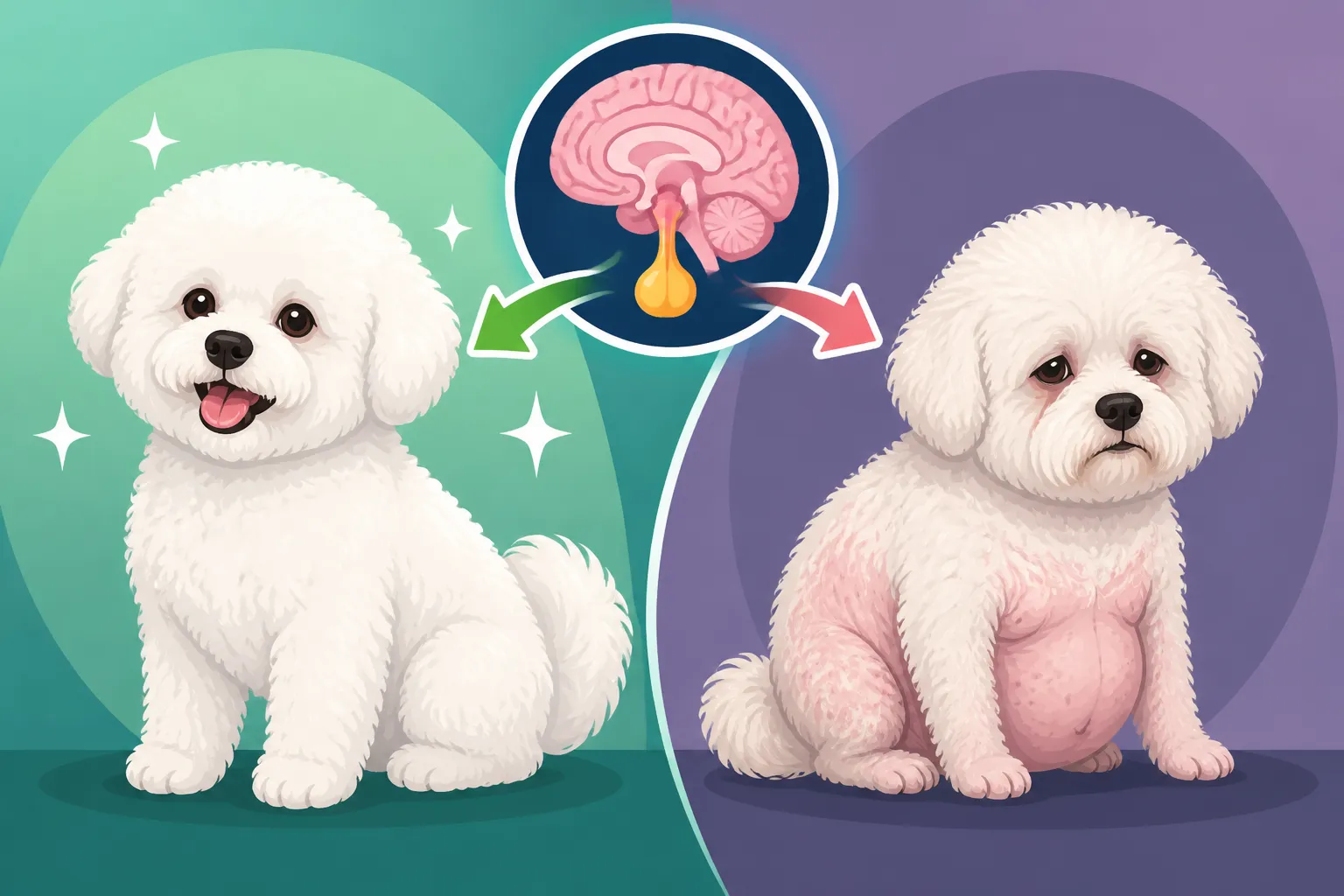
However, in pituitary-dependent hyperadrenocorticism (the fancy medical term for this type of Cushing's), a benign tumor, often very small, develops on the pituitary gland. This tumor causes the pituitary to overproduce ACTH. Think of it like a broken thermostat that's constantly cranked up too high, telling the furnace (adrenal glands) to pump out heat (cortisol) far beyond what's needed. Because the pituitary is overstimulating the adrenals, they respond by creating an excess of cortisol, leading to all the problems associated with Cushing's disease. This is by far the most common form of Cushing's in dogs, accounting for about 80-85% of cases.
How Cortisol Overproduction Affects Your Bichon
The chronic excess of cortisol coursing through your Bichon Frise's system can wreak havoc on nearly every organ and bodily function. It's not just one or two symptoms; it's a systemic problem. Imagine constantly being in a state of stress, even when you're relaxed. That's a bit like what happens internally. The excessive cortisol suppresses the immune system, making your Bichon more susceptible to infections, especially skin and urinary tract issues.
It also interferes with glucose metabolism, which can lead to a state similar to diabetes, sometimes even progressing to full-blown diabetes in a Bichon Frise. Cortisol also impacts muscle tissue, often leading to muscle weakness and atrophy, which contributes to the characteristic "pot-bellied" appearance as abdominal muscles weaken. Skin becomes thin, fragile, and often develops hair loss, especially on the body and flanks. Over time, it can affect bone density, increase blood pressure, and cause cognitive changes. It's a relentless assault on their body, which is why early detection and management are so crucial for maintaining their quality of life.
Why Bichons Are Prone to Pituitary Cushing's
While Cushing's disease can affect any dog breed, certain breeds, including the Bichon Frise, seem to have a higher predisposition. We often see Cushing's Disease in a Bichon Frise Past Seven, with most diagnoses occurring in middle-aged to senior dogs. While the exact genetic reasons for this breed-specific vulnerability aren't fully understood, it's believed there might be an inherited component that makes some Bichons more likely to develop these pituitary microadenomas (small tumors).
Their small size and overall delicate systems might also make the symptoms more noticeable or debilitating earlier. It's another reminder that as loving Bichon owners, we need to be vigilant about any changes in our dogs as they age. This predisposition means that if you own a Bichon, especially one entering its senior years, keeping an eye out for any of the subtle or obvious signs of Cushing's becomes even more important.
Recognizing the Early Signs of Cushing's in Your Bichon Frise
Identifying Cushing's can be tricky because many of its symptoms can mimic other age-related conditions. However, paying close attention to a combination of changes, rather than just one isolated symptom, can alert you to the possibility. Remember, your Bichon can't tell you what's wrong, so you are their first line of defense! These are some of the key indicators to watch out for.
Classic Symptoms: Increased Thirst and Urination
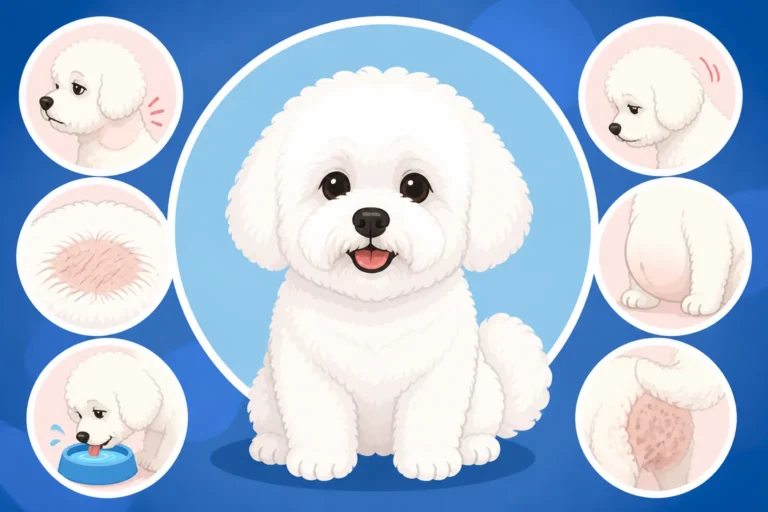
One of the most common and often earliest signs that owners notice is a significant increase in thirst (polydipsia) and, consequently, increased urination (polyuria). Your Bichon Frise might suddenly seem insatiably thirsty, draining their water bowl much faster than usual. This leads to more frequent trips outside, and you might even find them having accidents indoors, even if they've been perfectly housetrained for years. It can be incredibly frustrating to deal with a previously clean dog now having accidents, but it's crucial to understand this isn't a behavioral issue; it's a medical one.
This constant drinking and peeing is a direct result of the excessive cortisol affecting the kidneys' ability to concentrate urine. They simply can't hold onto water as effectively, leading to a vicious cycle of drinking more and urinating more. If your Whether a Cushing's Bichon Frise Drinks Constantly, it's a huge red flag that warrants a vet visit. It's not just a minor inconvenience; it can lead to dehydration if water isn't readily available, and it's a primary indicator of metabolic disruption.
Changes in Appetite, Weight, and Coat Condition
Another set of common symptoms revolves around your Bichon's body. You might notice a sudden ravenous appetite, where your dog acts constantly hungry, begging for food even after just eating. This increased appetite, combined with the metabolic changes caused by cortisol, often leads to weight gain, particularly around the abdomen, giving them that classic "pot-bellied" appearance. This isn't just cosmetic; it's due to weakened abdominal muscles and a redistribution of fat. If you're wondering Whether a Pot Belly Means Cushing's in a Bichon Frise, the answer is often yes.
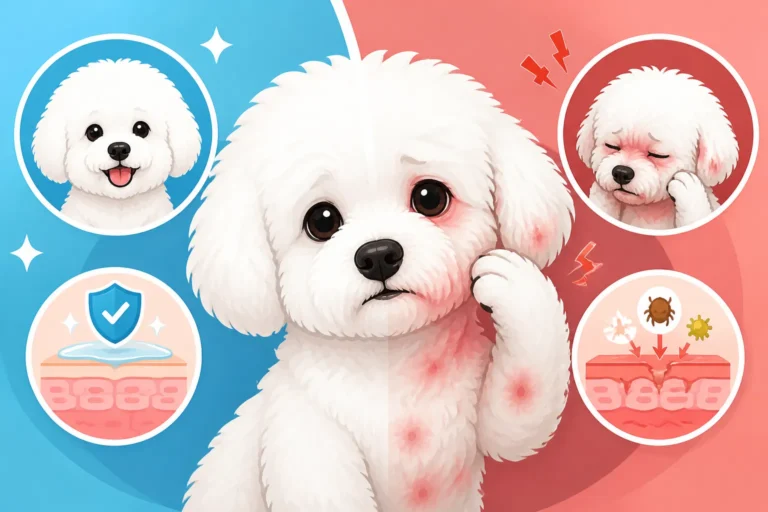
Beyond the belly, their coat condition can dramatically change. You might observe hair loss, especially on the flanks, back, and tail, while the head and legs remain relatively normal. The remaining hair might become dull, dry, and brittle, and regrowth after grooming can be slow or sparse. The skin itself often becomes thinner, more fragile, and can develop dark spots (hyperpigmentation) or even become prone to infections. It can be disheartening to see your fluffy Bichon losing their signature coat, and it's a clear sign their body is under stress. If your Whether a Cushing's Bichon Frise Loses Its Coat, it's time to investigate.
Subtler Behavioral and Physical Cues
While increased thirst, urination, pot belly, and hair loss are the most recognized signs, Cushing's can also manifest in more subtle ways that are easy to dismiss. You might notice your Bichon becoming less active, more lethargic, or showing a general decrease in stamina. Walks they once enjoyed might now tire them out quickly. They might seem less interested in playtime or have difficulty climbing stairs or jumping onto furniture due to muscle weakness.
Some Bichons might also experience panting, even when at rest or in cool environments, due to changes in their respiratory system and metabolic rate. Recurrent skin infections, urinary tract infections, or delayed wound healing are also common because cortisol suppresses the immune system. You might also notice bruising more easily. Keep an eye out for these less obvious changes, as they can collectively paint a clearer picture of what's happening internally. Any persistent change in your Bichon's normal behavior or physical state warrants a conversation with your veterinarian.
Diagnosing Pituitary Cushing's in Bichons
Getting a definitive diagnosis for Cushing's disease in your Bichon Frise can sometimes feel like a long, winding road. There's no single "yes or no" test, and the process often involves a series of steps to confirm the condition and then differentiate between pituitary and adrenal causes. It requires patience, multiple vet visits, and a willingness to follow through with the recommended protocol.
Initial Screening Tests: Bloodwork and Urinalysis
When your vet first suspects Cushing's based on the clinical signs, they'll typically start with some general health screenings. A comprehensive blood panel will look for common abnormalities associated with the disease, such as elevated liver enzymes (especially alkaline phosphatase, or ALP), high cholesterol, and sometimes elevated blood glucose. These findings aren't diagnostic on their own, as other conditions can cause them, but they can certainly point towards Cushing's.
A urinalysis is also crucial. Dogs with Cushing's often have dilute urine, meaning it's not well concentrated, which correlates with their increased water intake. They may also have protein in their urine or show signs of a urinary tract infection (UTI), which is common in Cushingoid dogs due to their suppressed immune systems. A urine cortisol to creatinine ratio test can also be used as a screening tool. A normal result usually rules out Cushing's, but a high result simply means further testing is needed, as stress or other conditions can also elevate cortisol. This initial step helps your vet decide if more advanced and specific testing is warranted.
Confirmatory Tests: ACTH Stimulation and Low-Dose Dexamethasone Suppression
Once initial screenings suggest Cushing's, your vet will move on to more specific diagnostic tests to confirm the hyperadrenocorticism. The two most common are the ACTH stimulation test and the low-dose dexamethasone suppression test (LDDST).
The ACTH stimulation test involves taking a baseline blood sample, then administering a synthetic ACTH injection, and taking another blood sample an hour or two later. This test measures the adrenal glands' response to stimulation. Dogs with Cushing's often have an exaggerated response, producing a significantly higher amount of cortisol after the injection. While good for confirming Cushing's, it's not always the best at differentiating between pituitary and adrenal forms.
The low-dose dexamethasone suppression test (LDDST) is often considered the gold standard for diagnosing Cushing's. In this test, a baseline blood sample is taken, followed by an injection of a small dose of dexamethasone (a synthetic corticosteroid). Blood samples are then taken again at 4 and 8 hours post-injection. In a healthy dog, the dexamethasone should suppress the pituitary's release of ACTH, which in turn reduces cortisol production by the adrenals. In a dog with Cushing's, the cortisol levels remain high, indicating the body isn't responding to the suppression signal. This test can also sometimes help differentiate pituitary from adrenal tumors; most pituitary-dependent cases will show some suppression at the 4-hour mark, but still have high cortisol at 8 hours, while adrenal tumors typically show no suppression at all. If you're wondering How Cushing's Is Diagnosed in a Bichon Frise, these are the key tests.
Distinguishing Pituitary from Adrenal Cushing's
Once Cushing's is confirmed, the next crucial step is to determine if it's pituitary-dependent or if it's caused by a tumor on one of the adrenal glands. This distinction is vital because the treatment approach differs significantly.
One common way to differentiate is by looking at the results of the LDDST, as mentioned above. Another test that can help is the high-dose dexamethasone suppression test (HDDST). This test uses a higher dose of dexamethasone. Pituitary tumors, even though they're overactive, can often still be partially suppressed by a high dose of dexamethasone, meaning cortisol levels will drop. Adrenal tumors, on the other hand, are typically autonomous and will not be suppressed by any dose of dexamethasone.
Beyond blood tests, advanced imaging like an abdominal ultrasound is often recommended. This allows your vet to visualize the adrenal glands. If one adrenal gland is significantly enlarged and the other is small (atrophied), it strongly suggests an adrenal tumor. If both adrenal glands appear normal or only mildly enlarged, it points towards a pituitary issue. In some cases, a veterinary specialist might recommend an MRI or CT scan of the brain to directly visualize the pituitary gland, though this is less common for initial diagnosis and often reserved for specific treatment planning. It's a journey, but getting the correct diagnosis is paramount for effective treatment.
Managing Pituitary Cushing's: Treatment Options
Once your Bichon Frise has been definitively diagnosed with pituitary Cushing's, the good news is that it can often be managed effectively, allowing your dog to live a good quality of life for many years. It's important to understand that while we manage the symptoms and cortisol levels, we're not curing the underlying pituitary tumor. Treatment typically involves medication, but there are other considerations too. Whether Cushing's Can Be Treated in a Bichon Frise is a common question, and thankfully, the answer is often yes.
Medical Management with Trilostane
For pituitary-dependent Cushing's, the most common and effective treatment is oral medication, specifically Trilostane. This medication works by inhibiting an enzyme in the adrenal glands responsible for cortisol production, thereby reducing the amount of cortisol released into the bloodstream. It doesn't affect the pituitary tumor itself but manages its downstream effects.
Trilostane is typically given once or twice daily, depending on your dog's response and your vet's recommendation. The starting dose is usually low and then gradually adjusted based on regular monitoring. It's not a one-size-fits-all drug; finding the optimal dose for your Bichon is a delicate balancing act to reduce cortisol levels enough to alleviate symptoms without dropping them too low, which can lead to Addisonian crisis (too little cortisol), a serious condition. Many owners find that once their Bichon is on the right dose, their energy levels improve, thirst and urination normalize, and their coat and skin condition gradually get better. Remember, consistency in giving the medication is key to its success.
Ongoing Monitoring and Dose Adjustments
Treating Cushing's with Trilostane isn't a "set it and forget it" situation. It requires consistent and vigilant monitoring, especially in the initial stages. Your vet will schedule regular check-ups, typically involving blood tests to assess cortisol levels. The primary test for monitoring Trilostane efficacy is another ACTH stimulation test. This is usually done shortly after starting medication (e.g., 10-14 days), and then again at 1 month, 3 months, and every 3-6 months thereafter, or whenever symptoms change.
During these rechecks, your vet will evaluate your Bichon's clinical signs (are they still drinking excessively? Is their energy improving?) in conjunction with their bloodwork results. Based on these findings, the Trilostane dose may be adjusted up or down. It can be a bit of a dance, as individual responses vary widely. It’s important to communicate any changes you observe at home, positive or negative, with your vet. This diligent monitoring is critical to ensure the medication is effective and safe. Be prepared for the ongoing financial commitment, as What Monitoring Cushing's Costs on a Bichon Frise can add up over time, which is where having a good pet insurance plan like Healthy Paws can truly be a lifesaver.
Surgical Options: When Are They Considered?
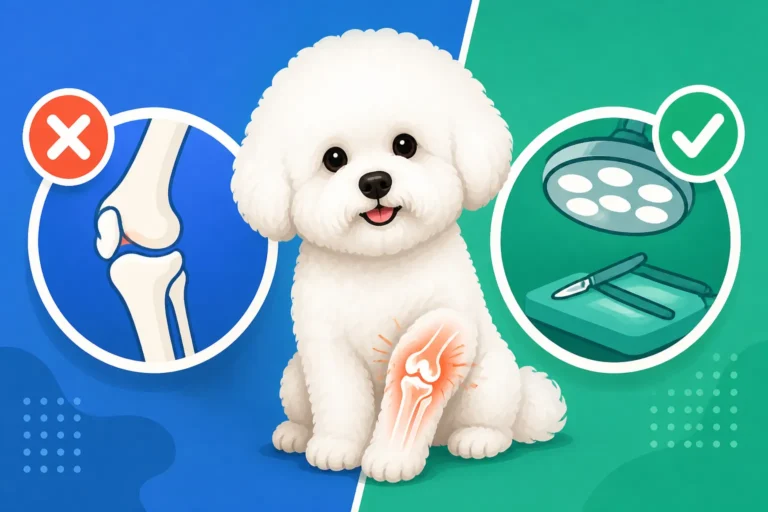
While medical management with Trilostane is the go-to for pituitary-dependent Cushing's, surgical options are occasionally considered, though they are far less common. One such option is a bilateral adrenalectomy, which involves removing both adrenal glands. This surgery is highly invasive, carries significant risks, and requires lifelong hormone replacement therapy. It's typically reserved for very specific, severe cases where medical management has failed or if an adrenal tumor is identified and removed, though this is for adrenal-dependent Cushing's rather than pituitary.
For pituitary-dependent cases, direct removal of the pituitary tumor (hypophysectomy) is a highly specialized and technically challenging surgery performed by only a few veterinary neurosurgeons worldwide. It’s very expensive and carries substantial risks. Therefore, it's rarely recommended for routine pituitary Cushing's cases in general practice, and usually only considered for young dogs with very large, aggressive pituitary tumors that are causing neurological signs (like seizures or blindness) that medical management cannot control. For the vast majority of Bichon Frises with pituitary Cushing's, medical management remains the safest and most effective long-term strategy.
Living with a Bichon Frise with Pituitary Cushing's
Receiving a Cushing's diagnosis for your Bichon can feel overwhelming, but it's important to remember that it's a manageable condition. With proper care and commitment, many Bichons live happy, comfortable lives for years after diagnosis. It becomes a journey of understanding their needs, staying vigilant, and working closely with your veterinary team.
Quality of Life and Long-Term Prognosis
The good news is that with effective treatment, the prognosis for Bichon Frises with pituitary Cushing's is generally favorable. While it's a chronic condition that requires lifelong management, it's not typically a death sentence. Many dogs experience a significant improvement in their quality of life once their cortisol levels are regulated. You'll likely see their energy levels return, their excessive thirst and urination decrease, their pot belly reduce, and their coat gradually improve.
The aim of treatment isn't to achieve "normal" cortisol levels according to laboratory reference ranges, but rather to alleviate the clinical signs and improve your Bichon's comfort. We want them to feel like themselves again, or as close to it as possible. The average lifespan for a Bichon with treated Cushing's can vary, but many continue to thrive for several years, sometimes up to The Fourteen to Fifteen Years a Bichon Frise Lives, after diagnosis. However, complications can arise, such as diabetes mellitus or recurrent infections, which may require further intervention. Regular vet check-ups are vital for monitoring for these potential issues.
Support and Care for Your Cushing's Bichon
Living with a Bichon Frise with Cushing's means becoming an even more attentive pet parent. Beyond consistent medication and vet visits, you'll want to focus on supportive care at home. This includes ensuring they always have fresh water available, even if their thirst has normalized, and maintaining a consistent outdoor potty schedule. Due to their weakened immune systems, it's particularly important to keep an eye out for any signs of infection, such as skin lesions, excessive licking, or changes in urination.
A balanced, high-quality diet is also essential, often a therapeutic diet formulated for senior dogs or those with metabolic issues, as recommended by your vet. While specific "Cushing's diets" aren't generally prescribed like for kidney disease, a diet that supports overall health and helps manage weight can be beneficial. Gentle exercise is important to maintain muscle tone, but avoid overexertion, especially if they are panting excessively. Most importantly, continue to provide love, comfort, and a stable routine. Dogs with chronic conditions often benefit from a predictable environment.
Financial Considerations and Pet Insurance
One of the undeniable realities of managing a chronic condition like Cushing's is the financial commitment. From the initial diagnostic tests, which can include multiple blood panels and specialized hormonal assays, to the ongoing cost of daily medication (like Trilostane), frequent monitoring ACTH stimulation tests, and potential specialist consultations or additional imaging, the expenses can add up quickly. This can be a significant source of stress for many pet owners.
This is where having pet insurance can truly make a difference. Many owners find that a comprehensive pet insurance policy, especially one initiated when their Bichon was young and healthy, can help offset a substantial portion of these recurring veterinary costs. Policies from providers like Healthy Paws, for example, can cover accidents and illnesses, including chronic conditions like Cushing's, provided it wasn't a pre-existing condition before enrollment. It's always wise to research and understand what your policy covers and what the exclusions are. Being prepared for the financial aspects allows you to focus more on your Bichon's health and less on the worry of expensive bills.
Here's a quick look at typical diagnostic steps for Cushing's in Bichons:
| Diagnostic Step | Purpose | Key Findings (Cushing's) |
|---|---|---|
| Comprehensive Blood Panel | General health screen, liver, kidney, glucose, electrolytes | Elevated ALP, high cholesterol, high glucose, low BUN/creatinine |
| Urinalysis | Assess kidney function, check for infection | Dilute urine, proteinuria, possible UTI |
| Urine Cortisol:Creatinine Ratio | Initial screening for elevated cortisol | High ratio (requires further testing) |
| ACTH Stimulation Test | Confirms hyperadrenocorticism, assesses adrenal reserve | Exaggerated cortisol response post-ACTH |
| Low-Dose Dexamethasone Suppression | Gold standard for diagnosis, aids in differentiation | Cortisol levels remain high (no suppression) |
| High-Dose Dexamethasone Suppression | Differentiates pituitary from adrenal forms | Pituitary: some suppression; Adrenal: no suppression |
| Abdominal Ultrasound | Visualize adrenal glands, check for tumors | Pituitary: normal to mildly enlarged adrenals; Adrenal: one large, one small adrenal |
| Brain MRI/CT (Specialist Referral) | Directly visualize pituitary tumor (rarely for initial diagnosis) | Pituitary mass (if large enough to be seen) |
Disclaimer
This article is for general informational purposes only and does not constitute professional advice. Laws, prices and regulations vary by location and change over time. Consult a qualified professional for guidance on your specific situation.