Dental Disease in a Bichon Frise
It’s a heart-wrenching moment for any Bichon Frise owner when you lean in for a cuddle, and instead of that sweet puppy breath, you're met with a truly unpleasant odor. This isn't just a sign of "dog breath"; it's often the tell-tale symptom of dental disease, a widespread and often painful issue that plagues our beloved fluffy companions. This guide will walk you through why Bichons are particularly susceptible, how to spot the early warning signs, and the comprehensive steps you can take to protect their precious smiles and overall well-being.
Why Bichon Frises Are So Prone to Dental Disease
It can feel unfair, can't it? You do everything right, and yet your little Bichon seems to be battling dental issues from a surprisingly young age. The truth is, it's not always about what you're doing wrong; often, it's a combination of their unique physiology, genetic predispositions, and even their eating habits that puts them at a higher risk.
Understanding Their Unique Oral Anatomy
One of the biggest factors contributing to dental problems in Bichons is simply their mouth size. These adorable pups have relatively small mouths, but they still pack in the same number of teeth as much larger breeds. Imagine trying to fit a full set of adult human teeth into a child's mouth – that’s pretty much what’s happening in a Bichon’s tiny jaw. This crowding means there's less space between teeth, creating tight nooks and crannies where food particles, bacteria, and plaque can easily accumulate. It's a perfect storm for tartar to build up, especially along the gum line, where it can rapidly harden.
Because of this compact arrangement, brushing can also be a real challenge, even for the most dedicated owner. Reaching all those tight spots with a toothbrush is difficult, and even the smallest bristles can feel too large. This anatomical reality means that even with diligent home care, some areas might be missed, allowing problems to fester quietly.
The Role of Diet and Chewing Habits
What and how your Bichon eats plays a significant role in their dental health. Many commercial kibbles, while formulated to be nutritionally complete, don't offer much in the way of abrasive action to help clean teeth. Soft, moist foods, while sometimes necessary for picky eaters or those with other health concerns, are even worse for dental hygiene as they tend to stick to the teeth more readily, providing a feast for plaque-forming bacteria.
Beyond the food itself, a Bichon’s chewing habits also come into play. Some Bichons are enthusiastic chewers, which can be beneficial if they're given appropriate dental chews that help scrape away plaque. However, many small breeds, including Bichons, can be a bit more finicky or have less powerful chewing muscles compared to their larger counterparts. If they're not engaging in regular, effective chewing, their teeth simply aren't getting that natural mechanical cleaning that bigger, more vigorous chewers might experience. It’s a bit of a vicious cycle: if their teeth are already sore from early plaque buildup, they might avoid chewing on harder items, further exacerbating the issue.
Genetic Predisposition and Early Onset
It's a tough pill to swallow, but sometimes, dental disease is just part of the package. Bichon Frises are among several small breeds, like Maltese, Yorkshire Terriers, and Poodles, that are genetically predisposed to developing dental issues, particularly periodontal disease, at a younger age. This isn't a fault of breeding practices necessarily, but rather a characteristic often linked to their breed genetics that impacts jaw structure and salivary composition.
You might hear a vet mention that some Bichons show signs of gingivitis – inflammation of the gums – as early as two or three years old. This is much earlier than you'd typically see in a large breed dog. This early onset means that prevention needs to start practically from puppyhood. It also emphasizes the importance of routine veterinary check-ups; sometimes, without even noticing significant symptoms at home, your vet might spot early signs that require intervention. For more insight into genetic health concerns, you might find it helpful to read about whether a Bichon Frise's stone risk is inherited, as some breeds have multiple inherited predispositions.
Recognizing the Early Signs of Dental Trouble
One of the hardest parts about dental disease in dogs is that they are masters at hiding pain. It's a survival instinct. By the time they're showing obvious signs of discomfort, the problem is often quite advanced. This is why being vigilant and knowing what to look for, even subtle changes, is absolutely critical.
Bad Breath and Its Implications
Let's be frank: no dog has breath that smells like roses, but there's a distinct difference between normal "dog breath" and the truly foul odor often described as rotten or putrid, which vets call halitosis. If your Bichon's breath could knock a buzzard off a outhouse, it's not normal. This offensive smell is usually caused by an overgrowth of bacteria in the mouth, feeding on food particles and plaque. As these bacteria proliferate, they release volatile sulfur compounds that smell terrible.
This bad breath is often the very first sign an owner notices. It's not just a superficial issue; it's a red flag indicating bacterial activity that's actively damaging gums and teeth. If you start noticing this persistent, strong odor, it's a clear signal that it's time for a vet visit to investigate the underlying cause. Don't dismiss it as just "old dog smell" or something that comes with age; it's almost always indicative of infection and inflammation.
Visible Changes in Teeth and Gums
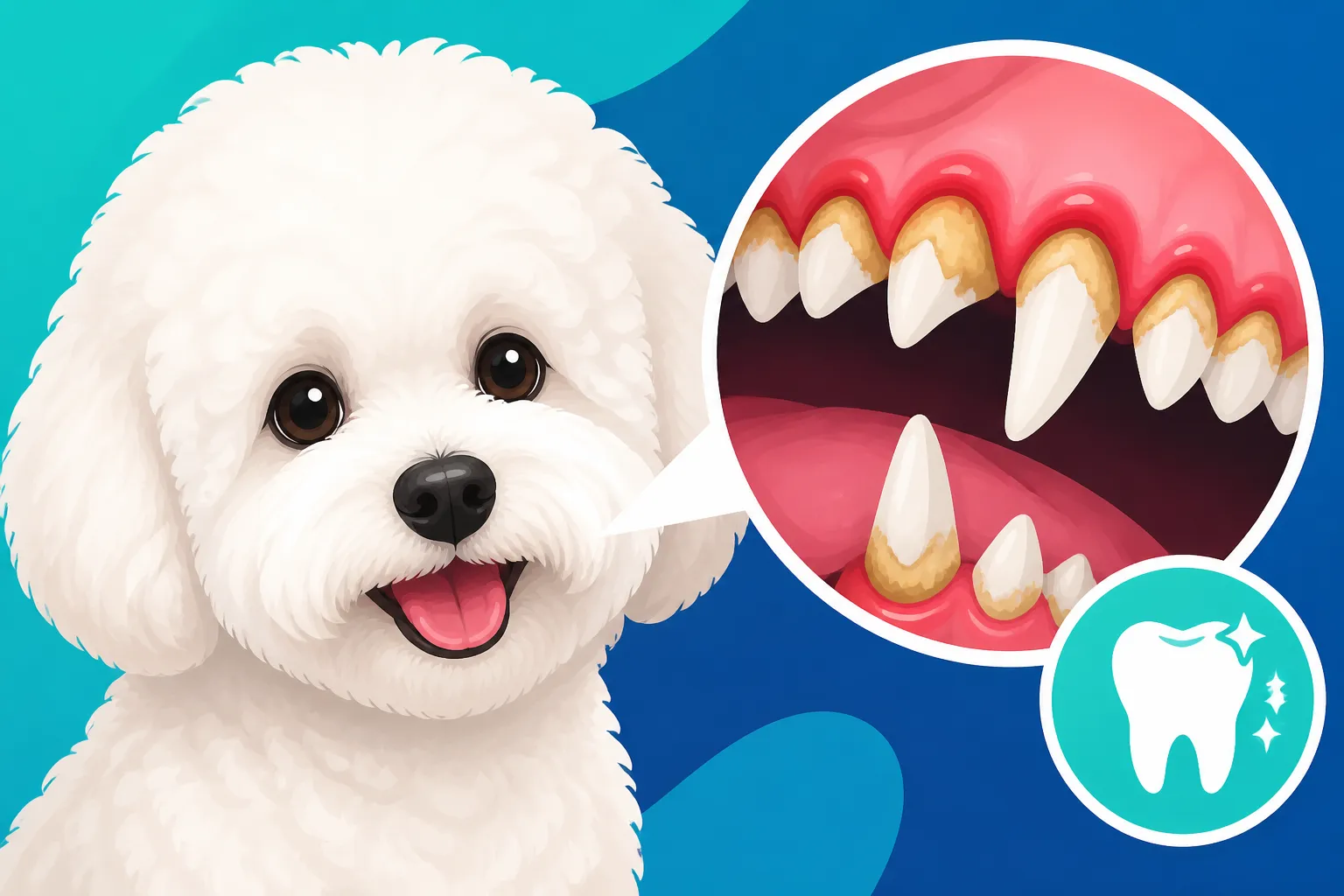
While bad breath is usually the first clue, a closer look at your Bichon's mouth can reveal even more. If your dog will tolerate it, gently lift their lips and examine their gums and teeth. Healthy gums should be a nice, uniform pink color, not red or swollen. You might notice a dark red line along the gum line, which is a classic sign of gingivitis. If the gums are bleeding when you touch them or brush, that's another serious indicator of inflammation and potential infection.
Look at the teeth themselves. Do you see a yellowish-brown crust accumulating, especially on the back teeth or near the gum line? That's tartar, hardened plaque that can't be brushed away by conventional means. In more advanced stages, you might even see teeth that look discolored, chipped, or loose. Sometimes, an owner might spot a small lump on the gums or a draining tract, which could indicate an abscess. These visible changes are tangible proof that dental disease is already at play, and they warrant immediate professional attention.
Behavioral Clues Your Bichon Is in Pain
As mentioned, dogs are stoic, but even the smallest shifts in behavior can speak volumes. If your Bichon is suddenly more hesitant to eat their kibble, or drops food frequently while eating, it could be due to mouth pain. They might start favoring softer foods, or even refuse to eat altogether in severe cases. You might notice them chewing on one side of their mouth, or simply gulping their food down with less enthusiasm.
Beyond eating, look for changes in their grooming habits or general demeanor. An uncomfortable Bichon might start pawing at their mouth or rubbing their face against furniture or the carpet. They might become less playful, more withdrawn, or even a bit irritable when you try to touch their head. Some dogs will drool excessively, or you might find blood tinges in their saliva or on their toys. These subtle behavioral cues are often a dog's silent cry for help, indicating that the discomfort has become too much to ignore. If your Bichon is typically a very social and engaged companion but suddenly seems a little off, it's always worth considering dental pain as a possible culprit.
The Progression and Serious Health Risks of Untreated Dental Disease
It's easy to think of dental disease as "just a mouth problem," but the reality is far more serious. Left untreated, those initial signs of bad breath and inflamed gums can escalate into systemic health issues that compromise your Bichon Frise's overall well-being and even shorten their lifespan.
From Tartar to Periodontal Disease
The journey often starts with plaque, a sticky film of bacteria, food particles, and saliva that constantly forms on teeth. If this isn't removed daily through brushing or chewing, it mineralizes into tartar (also known as calculus). Tartar is hard and rough, providing an ideal surface for more bacteria to adhere.
This accumulation leads to gingivitis, the inflammation of the gums. At this stage, the gums might be red, swollen, and bleed easily. The good news is that gingivitis is reversible with professional cleaning and improved home care. However, if left unchecked, the inflammation progresses below the gum line. Bacteria begin to attack the supporting structures of the teeth – the ligaments, bone, and gum tissue that hold the teeth in place. This is full-blown periodontal disease. Pockets form between the gums and teeth, collecting even more bacteria, pus, and debris. As the disease advances, the bone supporting the teeth is destroyed, leading to loose teeth, painful abscesses, and eventually, tooth loss. It's a relentless and painful process. For more information on prevention, consider reading about How Often a Bichon Frise's Teeth Need Scaling as early intervention is key.
Systemic Health Concerns Beyond the Mouth
Here’s where it gets truly concerning: the mouth is not an isolated system. The bacteria thriving in an infected mouth don't stay put. They can enter the bloodstream through the inflamed gum tissue and travel to other organs in the body. This is a significant pathway for systemic infection and inflammation.
Commonly affected organs include the heart, kidneys, and liver. The bacteria can cause infections in heart valves, leading to conditions like endocarditis. In the kidneys and liver, the constant barrage of bacteria and inflammatory toxins can cause damage over time, potentially leading to organ dysfunction or failure. Imagine your body constantly fighting a low-grade infection – it takes a toll. For a small breed like a Bichon Frise, whose systems are already working hard, this added stress can significantly impact their long-term health. It’s a sobering thought that something seemingly confined to the mouth can have such far-reaching, detrimental effects. If your Bichon has other health issues like a heart murmur, addressing dental disease becomes even more critical due to the potential complications.
Why Ignoring It Is Not an Option
Simply put, ignoring dental disease isn't just about bad breath or a few lost teeth; it's about prolonged pain and suffering for your beloved pet, and a higher risk of serious, life-threatening complications. Dogs with severe dental pain are miserable; they can't eat properly, they might be lethargic, and their overall quality of life diminishes significantly.
Moreover, the financial cost of treating advanced dental disease, including multiple extractions and managing secondary organ damage, far outweighs the cost of preventative care and routine professional cleanings. Many pet insurance plans, like those offered by Healthy Paws, recognize the importance of regular care and will cover unexpected dental issues, but proactive steps are always the best defense. It truly is a case where an ounce of prevention is worth a pound of cure, not just for your wallet, but more importantly, for your Bichon's comfort and longevity. When considering the full picture of owning these wonderful dogs, it’s clear why understanding What a Bichon Frise Costs a Year to Keep should include budgeting for routine dental care.
Comprehensive Dental Care at Home and with Your Vet
Feeling overwhelmed by all this dental talk? Don't worry! While Bichons are prone to dental issues, there's a lot you can do to keep their pearly whites healthy. A multi-faceted approach involving consistent home care and regular veterinary intervention is your best bet.
Establishing an Effective Home Dental Routine
This is where you, the devoted Bichon parent, come in! Daily home care is the single most impactful thing you can do to slow down plaque and tartar accumulation.
- Brushing: Ideally, you should brush your Bichon’s teeth daily, or at least every other day. Use a soft-bristled toothbrush designed for dogs (or a finger brush) and dog-specific toothpaste. Never use human toothpaste, as it contains fluoride and xylitol which are toxic to dogs. Start slow, make it a positive experience with praise and treats, and focus on the outer surfaces of the teeth, especially along the gum line. It might seem daunting at first, but with patience, most Bichons can learn to tolerate it.
- Dental Wipes and Sprays: If brushing proves impossible, dental wipes can help reduce plaque on the tooth surface, and veterinary-approved dental sprays can help reduce bacteria. While not as effective as brushing, they're better than nothing!
- Oral Rinses/Water Additives: Some vets recommend water additives or oral rinses that contain ingredients to help reduce bacteria in the mouth. Always choose products specifically designed for pets and discuss them with your vet first.
Remember, consistency is key. Even a few minutes a day can make a huge difference in slowing down the progression of dental disease. Consider these daily tasks as part of What a Bichon Frise Needs Every Day to ensure comprehensive care.
The Importance of Professional Dental Cleanings
No amount of home brushing can remove hardened tartar below the gum line. This is where professional veterinary dental cleanings become absolutely essential. During a professional dental cleaning, which is performed under general anesthesia, your veterinarian can:
- Thoroughly examine the entire oral cavity: This includes checking for loose teeth, fractures, oral masses (some of which might be Lumps Worth Checking on a Bichon Frise), and signs of periodontal disease that might not be visible at home.
- Scale and polish teeth: Using specialized ultrasonic scalers, they will meticulously remove plaque and tartar from above and below the gum line. Each tooth surface is then polished to create a smooth surface, which makes it harder for plaque to adhere.
- Perform dental X-rays: This is crucial for evaluating the health of the tooth roots and the bone supporting the teeth, as much of the disease happens below the gum line where it's invisible to the naked eye.
- Extract diseased teeth: If teeth are severely diseased, fractured, or loose, extraction may be necessary to relieve pain and prevent further infection. This might involve removing baby teeth that haven't fallen out, which is common in small breeds. You might want to learn more about Whether a Bichon Frise's Baby Teeth Need Pulling.
The thought of anesthesia can be scary for any pet owner, especially for small breeds like Bichons. However, modern veterinary anesthesia protocols are very safe. Your vet will perform pre-anesthetic blood work and often an ECG to assess your dog's organ function and heart health beforehand. This is a topic often discussed when considering Whether Anesthesia Is Riskier on a Small Bichon Frise. The benefits of a thorough cleaning far outweigh the minimal risks of anesthesia when performed by a skilled veterinary team. Pet insurance like Healthy Paws can often help cover the costs of these necessary procedures, making it less of a financial burden.
Nutritional Support and Dental Chews
Beyond direct cleaning, certain dietary choices can support dental health.
- Dental-Specific Diets: There are prescription and over-the-counter kibbles specifically formulated with larger, textured kibble that helps to scrape teeth as the dog chews. These diets often contain ingredients that inhibit plaque and tartar formation. Your vet can recommend the best option for your Bichon.
- Dental Chews: High-quality dental chews can be a great addition, but choose wisely. Look for chews that are Veterinary Oral Health Council (VOHC) approved. This designation means they have been scientifically proven to reduce plaque and/or tartar. Avoid hard bones, antlers, or hooves, as these can easily fracture teeth, leading to more problems.
- Water intake: Encouraging your Bichon to drink more water helps to rinse their mouth naturally and maintain good hydration, which is beneficial for overall oral health.
While diet and chews can certainly help, they are not a substitute for brushing or professional cleanings. They are excellent supplementary tools to incorporate into a comprehensive dental care plan. For Bichons that are Whether a Bichon Frise Is a Fussy Eater, finding appealing dental chews can be a challenge, so persistence and trying different VOHC-approved options might be necessary.
Here’s a quick overview of home dental care options:
| Dental Care Method | Frequency (Ideal) | Effectiveness | Notes |
|---|---|---|---|
| Tooth Brushing | Daily | High | Gold standard. Requires patience and consistency. Use dog-specific toothpaste. |
| Dental Wipes | Daily | Medium | Good alternative if brushing is impossible. Focus on surface plaque. |
| Dental Sprays | Daily | Medium | Helps reduce oral bacteria. Easy to apply. |
| Water Additives | Daily | Low-Medium | Easy to use, but results vary. Not a substitute for physical cleaning. |
| VOHC Dental Chews | Daily/Few times weekly | Low-Medium | Provides abrasive action. Choose appropriate size and texture to avoid injury. |
| Dental Diets | Ongoing | Low-Medium | Formulated kibble texture or ingredients to help reduce plaque/tartar buildup. |
Managing Advanced Dental Disease and Post-Procedure Care
Sometimes, despite our best efforts, or if a Bichon comes into our lives with existing issues, we face advanced dental disease. In these cases, treatment often involves surgical intervention, and knowing what to expect can help ease your worries.
What to Expect During and After Dental Surgery
If your vet has recommended a professional dental cleaning and potential extractions, it's a significant step towards restoring your Bichon's health. The process typically begins with pre-anesthetic blood tests to ensure your dog is healthy enough for anesthesia. Once under anesthesia, the veterinary team will perform a thorough oral exam, dental X-rays, scaling, polishing, and any necessary extractions.
After surgery, your Bichon will be monitored closely as they recover from anesthesia. They’ll likely go home the same day, or sometimes the next if the procedure was extensive. You might notice some grogginess, mild swelling, or a little blood in their saliva for the first 24 hours. They will typically be sent home with pain medication and possibly antibiotics, which are crucial to their comfortable and speedy recovery. Follow your vet's instructions precisely regarding medication dosage and timing. They’ll also advise on diet changes; often, soft food is recommended for several days or weeks to allow the surgical sites to heal.
Pain Management and Recovery Strategies
Post-dental surgery, proper pain management is paramount. Your vet will prescribe non-steroidal anti-inflammatory drugs (NSAIDs) or other pain relievers to keep your Bichon comfortable. It’s vital to administer these exactly as directed, even if your dog seems fine, as managing pain proactively helps prevent it from becoming severe.
During the recovery period, encourage rest and quiet time. Avoid hard chews or toys that could disrupt healing. Offer soft, palatable food and ensure they have easy access to fresh water. If multiple extractions were performed, your vet might recommend a recheck appointment to ensure the healing is progressing well. It’s a period of gentle care, much like when they are recovering from What Stone Surgery Involves on a Bichon Frise. Remember that this recovery phase is crucial for ensuring a full return to comfort and health.
Preventing Recurrence After Treatment
Having gone through the cost and stress of treating dental disease, the last thing you want is for it to come back. Unfortunately, dental disease is a chronic condition, and without ongoing maintenance, it absolutely will recur.
This means rededicating yourself to a rigorous home dental care routine – daily brushing, dental chews, and possibly water additives. Regular follow-up with your veterinarian is also non-negotiable. Your vet may recommend routine oral exams every 6-12 months, and professional cleanings typically every 1-2 years, or more frequently depending on your Bichon’s individual needs and how quickly they accumulate tartar.
Investing in pet insurance, like a comprehensive plan from Healthy Paws, can also provide peace of mind for future dental care. While typically covering unexpected illnesses and accidents, many plans can include coverage for dental cleanings or extractions, helping you maintain this crucial preventative care without breaking the bank. Think of it as an ongoing commitment to their health, similar to how owners of senior Bichons commit to Caring for a Bichon Frise Past Eleven, where managing age-related health issues, including dental health, becomes a routine part of their care. Your proactive efforts now will help ensure your Bichon enjoys a healthy, happy, and pain-free life with a bright smile.
Disclaimer
Please remember that the information provided in this article is for general guidance only and should not replace professional veterinary advice. Always consult with your veterinarian for any health concerns or before making any decisions about your Bichon Frise's care, especially regarding dental health.