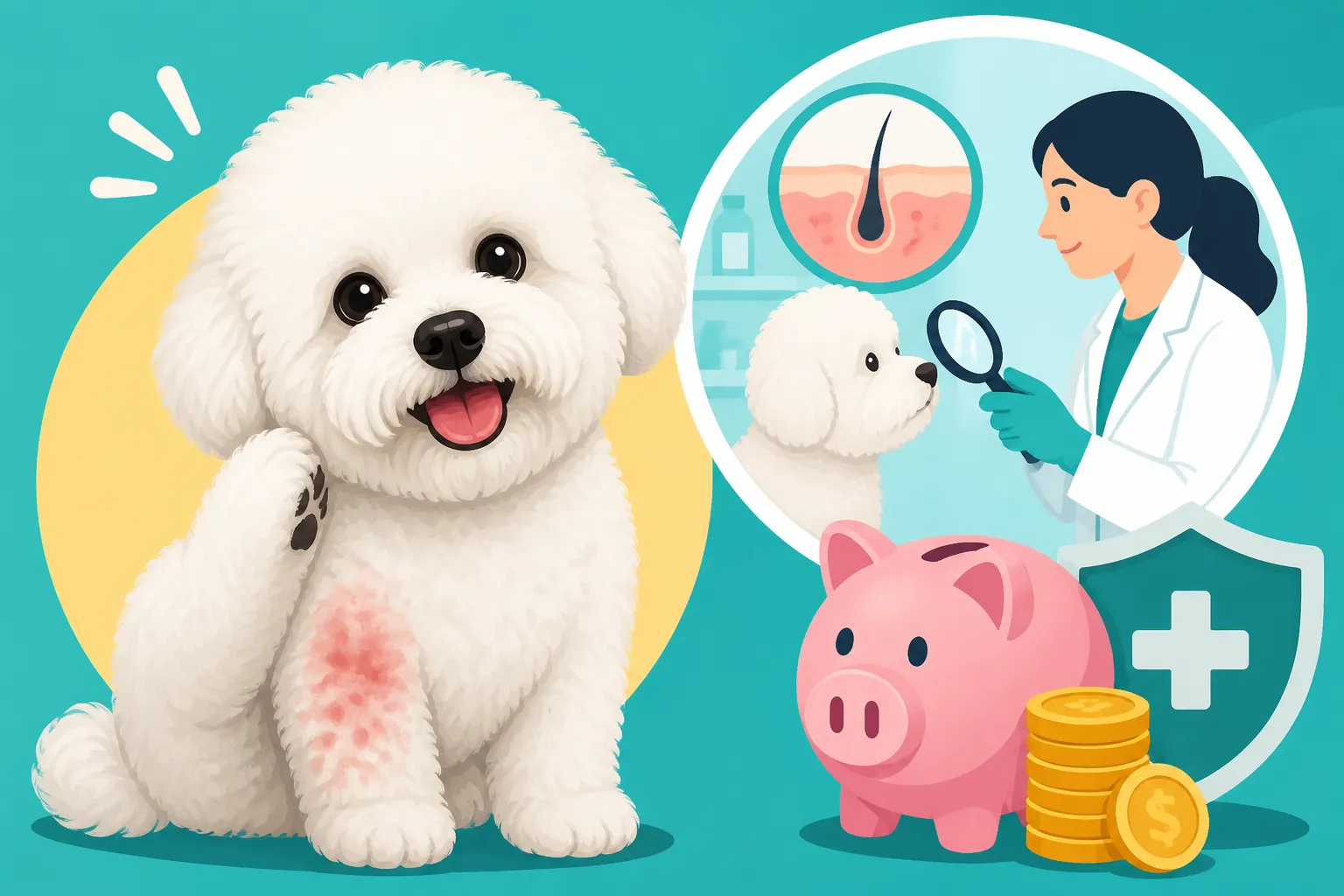
What a Dermatology Referral Costs for a Bichon Frise
If you've got a Bichon Frise, chances are you've already experienced the heartbreak and sheer frustration of dealing with persistent itching, redness, or ear infections that just won't clear up. It's truly disheartening to watch your fluffy companion suffer, and when your regular vet has tried everything in their arsenal, the idea of a specialist referral often comes with a new layer of worry: the cost. This guide is here to walk you through what a dermatology referral typically entails financially for your Bichon Frise, helping you understand the process and prepare for the potential expenses involved.
When a Dermatology Referral Becomes Your Bichon Frise's Best Bet
It’s a scenario many Bichon Frise owners know all too well: countless vet visits, different shampoos, antibiotics, steroids, and dietary changes, yet your sweet dog is still scratching, licking, and generally miserable. When you’ve exhausted the usual avenues with your primary care veterinarian, a referral to a veterinary dermatologist isn't just an option; it often becomes the crucial next step to finally getting answers and effective treatment. These specialists dedicate their entire practice to skin, ear, and coat conditions, possessing a depth of knowledge and diagnostic tools that simply aren't available in a general practice setting.
The Limits of General Practice for Stubborn Skin Issues
Your regular vet is a jack-of-all-trades, a true hero who handles everything from vaccinations to broken bones. But just like in human medicine, some conditions require a narrower, deeper focus. When it comes to chronic or recurrent skin problems in a breed notoriously prone to them, like the Bichon Frise, a general practitioner might reach a point where they've done all they can with standard protocols. They might suspect a complex underlying allergy, an unusual infection, or an autoimmune condition that requires more advanced testing and treatment. This isn't a failure on their part; it's a recognition that your Bichon needs a specialist's expertise. For example, if your Bichon has persistent ear infections that keep coming back even after rounds of ear drops, or if their skin is constantly inflamed, red, and itchy despite steroid courses, it's a clear signal that something more nuanced is at play. You might want to read more about Recurrent Ear Infections in a Bichon Frise.
A common frustration is the cycle of temporary relief followed by a relapse. You get hopes up, your Bichon feels better for a bit, and then bam, the itching is back with a vengeance. This rollercoaster is not only tough on your dog but incredibly draining for you, both emotionally and financially. A dermatologist can help break this cycle by performing more specific tests to pinpoint the exact cause, rather than just treating the symptoms. They can often tell you whether the problem is genuinely Whether a Bichon Frise's Itching Is Food or Pollen or something else entirely.
What a Dermatology Specialist Brings to the Table
A veterinary dermatologist offers a level of expertise and equipment that can make all the difference. They have specialized training in the intricate pathology of skin diseases, ear anatomy, and allergies. This means they can perform advanced diagnostic procedures like intradermal allergy testing, deep skin biopsies that are interpreted by veterinary dermatopathologists, and specific cultures for unusual bacterial or fungal infections. They are also adept at managing complex immune-mediated skin diseases.
Think of it this way: your family doctor can handle a rash, but if you have a rare, severe skin condition, you’d seek out a human dermatologist, right? It's the same principle for your Bichon. The dermatologist will take a meticulous history, often asking questions your general vet may not have, looking for subtle clues in your dog's lifestyle, diet, and environment. They understand breed-specific predispositions, like The Atopic Skin a Bichon Frise Is Born With that many Bichons inherit, which means they can tailor treatments that are more likely to succeed long-term. They also have access to a wider range of medications and therapies, including advanced immunomodulators or specific immunotherapy protocols, which can offer relief without relying solely on steroids.
Unpacking the Financial Side of a Veterinary Dermatology Referral
Let’s be honest: contemplating a specialist vet visit always brings up financial anxiety. You love your Bichon and want the best for them, but these costs can add up quickly. Understanding what you're likely to pay for can help you mentally and financially prepare for the journey ahead. A dermatology referral isn't a single flat fee; it's a series of consultations, diagnostics, and ongoing treatments.
Initial Consultation and Diagnostic Procedures
The first visit to a veterinary dermatologist will involve a comprehensive consultation. This isn't a quick in-and-out appointment. The specialist will spend considerable time reviewing your Bichon's entire medical history, performing a thorough physical exam, and discussing all symptoms, past treatments, and your observations. This initial consultation fee can vary widely depending on the clinic's location and reputation, but it's typically a significant cost in itself, often comparable to a complex emergency room visit in general practice.
Once the initial assessment is done, the real diagnostic work begins. This is where costs can really accumulate because skin issues often require a multi-pronged approach to uncover the root cause. Common diagnostic tests include:
- Skin Scrapes and Trichograms: Looking for mites or fungal elements directly under a microscope. These are relatively inexpensive but crucial first steps.
- Cytology: Examining cells from skin lesions, ear canals, or paw pads to identify bacteria, yeast, or inflammatory cells. This is very common for diagnosing infections.
- Fungal Cultures: To definitively diagnose ringworm or other fungal infections.
- Bacterial Cultures and Sensitivity Testing: If a bacterial infection is present, this helps identify the specific bacteria and determines which antibiotics will be most effective. This is vital to avoid antibiotic resistance.
- Allergy Testing: This is a big one for Bichons. It can be either intradermal allergy testing (injecting tiny amounts of allergens into the skin and observing reactions, typically done under sedation) or blood allergy testing (measuring antibodies to various environmental or food allergens). Both have different cost structures. You may want to check out Whether a Bichon Frise Needs Allergy Testing.
- Skin Biopsies: Taking small tissue samples for histopathology (microscopic examination by a specialized pathologist). This is crucial for diagnosing autoimmune diseases, certain cancers, or unusual inflammatory conditions. This often requires sedation or general anesthesia.
- Ear Flushes and Myringotomy: For chronic ear infections, a deep ear cleaning under sedation might be needed, sometimes involving puncturing the eardrum (myringotomy) to collect samples from the middle ear.
Here's a simplified table illustrating potential cost components, keeping in mind that specific figures will vary greatly:
| Service Category | Common Procedures | Cost Implication |
|---|---|---|
| Initial Consultation | Comprehensive history, physical exam | High |
| Basic Diagnostics | Skin scrape, cytology, fungal culture | Moderate |
| Advanced Diagnostics | Allergy testing (intradermal/blood), skin biopsy, ear flush | High to Very High |
| Follow-up Visits | Re-evaluation, progress checks, medication adjustments | Moderate |
| Medication Trials | Specialty antibiotics, anti-fungals, immune modulators | Varies |
Ongoing Treatment and Follow-up Expenses
Once a diagnosis is reached, the treatment plan can also incur significant ongoing costs. Many dermatological conditions, especially allergies, are chronic and require lifelong management. This could include:
- Prescription Medications: Specialty antibiotics, anti-fungals, antiparasitics, or immune-suppressing drugs, which can be more expensive than general medications.
- Allergy Immunotherapy (Allergy Shots/Drops): If allergy testing leads to this, the initial production of the serum and ongoing injections or oral drops represent a recurring cost, though it can save money on other treatments in the long run. Learn more about Whether Immunotherapy Shots Work on a Bichon Frise.
- Medicated Shampoos and Conditioners: These specialized products are often necessary for managing skin infections or inflammation and can be pricier than regular dog shampoos. For example, brands like Douxo S3 or Malaseb are often recommended. You can often find these at your vet's office or through online pharmacies like Chewy after getting authorization from your dermatologist. What Medicated Shampoo Costs a Bichon Frise Owner Yearly
- Dietary Changes: If a food allergy is suspected or diagnosed, a strict prescription hydrolyzed protein or novel protein diet might be recommended. These foods are generally more expensive than over-the-counter kibble. Some owners even explore fresh food options, but always in consultation with their vet to ensure nutritional completeness and suitability for the specific allergy.
- Immunomodulating Drugs (e.g., Apoquel, Cytopoint): These are common for allergic Bichons and can significantly improve quality of life, but they come with their own recurring costs. Many owners find these invaluable, but it's another line item on the monthly budget. You can explore What Cytopoint Injections Cost for a Bichon Frise and What Allergy Medication Costs a Bichon Frise Owner.
- Regular Follow-up Appointments: The dermatologist will need to see your Bichon periodically to monitor progress, adjust medications, and ensure the treatment plan is working effectively. These visits are essential but add to the overall expense.
Smart Strategies for Managing Your Bichon Frise's Skin Health Costs
Dealing with chronic skin issues in your Bichon Frise can feel like a bottomless pit of expenses, especially after a dermatology referral. It's completely understandable to feel overwhelmed by the financial strain on top of the emotional stress of seeing your beloved pet uncomfortable. However, there are proactive steps you can take to manage these costs effectively without compromising your Bichon's health.
Investing in Pet Insurance Early On
One of the most impactful ways to cushion the blow of specialist veterinary care is to have pet insurance. If your Bichon Frise develops chronic skin issues before you enroll them in a policy, those conditions might be considered "pre-existing" and therefore excluded from coverage. This is why getting a policy when your Bichon is young and healthy is crucial. A good pet insurance plan, like those offered by Healthy Paws, can reimburse a significant portion of eligible veterinary bills, including specialist consultations, diagnostic tests, medications, and even ongoing treatments for chronic conditions once a deductible is met.
It’s important to research different providers and understand what their plans cover, what the reimbursement percentage is, and what deductibles you'll need to pay. While insurance premiums are a monthly cost, they can provide immense peace of mind when facing large, unexpected bills from a dermatologist. Many policies consider the underlying cause, not just the symptom. So if the dermatologist diagnoses a new condition, it's often covered. This can make a huge difference in your ability to pursue the best course of action for your Bichon. Remember that even with insurance, there may be out-of-pocket expenses, but they will likely be much more manageable. You can also explore What Insuring a Bichon Frise Runs Monthly.
Budgeting and Financial Planning for Ongoing Care
Even with pet insurance, or if you don't have it, careful budgeting is essential for managing chronic conditions. Consider setting up a dedicated savings account specifically for your Bichon's veterinary care. Calculate the estimated monthly costs for prescription foods, medications, medicated shampoos, and regular check-ups. Knowing What Treating a Bichon Frise's Skin Costs Every Year can help you plan.
Many veterinary clinics understand the financial burden and offer payment plans or work with third-party financing options. Don't be afraid to discuss your financial concerns openly with the clinic staff. Sometimes, they can help prioritize treatments or suggest more cost-effective alternatives for certain aspects of care, such as sourcing prescription foods or medications from online retailers like Chewy (with a valid veterinary prescription, of course) where they might be more affordable than directly from the clinic. Chewy also offers a wide range of dermatology-specific products, from shampoos to supplements, making it a convenient option for recurring purchases.
Proactive Management and Communication with Your Specialist
The best way to control long-term costs is to diligently follow your dermatologist's treatment plan and maintain open communication. Skipping doses of medication, using non-approved treats (especially if a food allergy is diagnosed), or missing follow-up appointments can lead to flare-ups, which in turn require more intensive and expensive interventions.
Regular communication with your specialist means you can report any changes in your Bichon's condition promptly, allowing for adjustments before issues escalate. For instance, if you're struggling to administer a particular medication, or if your Bichon is reacting poorly to a new food, tell them. They might suggest alternatives like Whether an Elimination Diet Helps a Bichon Frise or different forms of medication. Consistency is key, and adhering to the prescribed regimen can minimize the need for emergency visits or expensive crisis management.
Always try to provide a clean environment and maintain a regular grooming schedule, using the recommended products. Even seemingly small steps like routinely cleaning your Bichon’s ears (if advised by the dermatologist) can prevent serious infections. Proactive care is truly your best defense against spiraling costs and, more importantly, keeps your Bichon Frise comfortable and happy.
Disclaimer
This article is for general informational purposes only and does not constitute professional advice. Laws, prices and regulations vary by location and change over time. Consult a qualified professional for guidance on your specific situation.