Whether Immunotherapy Shots Work on a Bichon Frise
It’s heartbreaking to watch your beloved Bichon Frise constantly scratching, licking their paws until they’re raw, or rubbing their face against the furniture in a desperate attempt to relieve an invisible itch. Many owners feel trapped in a cycle of temporary fixes, cycling through different medications that offer relief but don't quite get to the bottom of the problem. This guide is here to shed light on immunotherapy, a targeted approach that aims to re-train your Bichon's immune system to stop overreacting to everyday allergens, offering a more lasting solution to their frustrating allergies.
Understanding Bichon Frise Allergies: A Common Frustration
If you own a Bichon Frise, chances are you've already experienced the agony of dealing with their sensitive skin. These fluffy bundles of joy, for all their charm, are unfortunately prone to certain health issues, and allergies – particularly environmental ones – are high on that list. It’s not just a minor inconvenience; it can severely impact their quality of life and your peace of mind.
The Root Cause of That Persistent Itch
The primary culprit behind many Bichon Frise allergies is something called atopic dermatitis, often just referred to as atopy. This isn't just a simple irritation; it's a genetically predisposed inflammatory skin disease caused by an overreaction to common environmental allergens. Think about how some people get hay fever; it's a similar principle, but for our furry friends, it manifests as intense itching and skin inflammation. Your sweet little Bichon is born with this predisposition, often referred to as The Atopic Skin a Bichon Frise Is Born With.
These allergens aren't usually things they eat (though food allergies can exist separately); they're microscopic particles floating in the air or lingering in your home. Common culprits include various pollens from trees, grasses, and weeds, dust mites that live in carpets and bedding, and even molds. Your Bichon breathes them in, or they land on their skin, and their immune system goes into overdrive, treating these harmless substances as dangerous invaders. This immune response leads to the relentless itching, redness, skin infections, and sometimes even chronic ear issues that drive both you and your dog crazy. The constant discomfort means many Bichon Frises will excessively Whether a Bichon Frise Licks Its Paws Raw or rub their faces.
It’s incredibly frustrating to witness. You try everything: special shampoos, diet changes, rigorous cleaning, but the itching persists. This isn't just a habit; it's a deep-seated physical response. The chronic nature of these allergies means that without addressing the underlying cause, you’re often fighting a losing battle, and the symptoms, like What Atopic Dermatitis Does to a Bichon Frise, can escalate, leading to secondary bacterial or yeast infections that complicate matters even further.
The Limitations of Symptomatic Treatment
For a long time, and still commonly today, the go-to approach for managing canine allergies has been symptomatic relief. This means treating the symptoms – the itching, the inflammation, the secondary infections – rather than the immune system's overreaction itself. Medications like corticosteroids (e.g., prednisone) are very effective at rapidly reducing inflammation and itching, providing much-needed immediate relief. However, they come with a laundry list of potential side effects, especially with long-term use, including increased thirst and urination, weight gain, panting, and even more serious conditions like Whether Allergy Steroids Give a Bichon Frise Cushing's. It’s a tough trade-off for many owners.
More modern medications, such as Apoquel (oclacitinib) and Cytopoint (lokivetmab), have revolutionized allergy management by offering targeted relief with fewer systemic side effects than steroids. Apoquel is an oral medication that blocks specific itch pathways, while Cytopoint is an injectable antibody that neutralizes a key protein involved in triggering itch. These treatments are fantastic for many dogs and can significantly improve their comfort. You might already be familiar with questions like Whether a Bichon Frise Can Take Apoquel Instead or the costs associated with What Cytopoint Injections Cost for a Bichon Frise.
However, while effective, these medications are still primarily symptomatic. They manage the itch and inflammation, but they don't change how your Bichon's immune system reacts to allergens. This means that once the medication wears off or is stopped, the itching usually returns. For dogs with severe or year-round allergies, this can mean a lifelong dependency on these drugs, which can become costly over time (What Allergy Medication Costs a Bichon Frise Owner) and, for some owners, raises concerns about continuous medication for their pet. This is where the appeal of immunotherapy truly shines, offering an alternative path to actually modify the immune response.
What Immunotherapy Is and How It Works for Bichon Frises
When you're dealing with a chronic issue like allergies, especially in a breed like the Bichon Frise where it's so prevalent, simply managing symptoms can feel like a never-ending battle. This is where immunotherapy steps in, aiming to address the root cause of the allergic reaction rather than just patching up the symptoms. It's a completely different philosophy of treatment, focusing on long-term immune system modulation.
The Science Behind Allergy Shots
At its heart, immunotherapy, often called desensitization or allergy shots, is about retraining your Bichon's immune system. Instead of constantly reacting negatively to environmental triggers like pollen or dust mites, the goal is to teach the immune system to tolerate them. How does it work? First, a specific diagnosis is crucial. This involves identifying precisely what your Bichon is allergic to. This is done through allergy testing, either via intradermal skin testing (where tiny amounts of allergens are injected into the skin and reactions observed) or through blood tests that measure allergen-specific antibodies. Getting answers to Whether a Bichon Frise Needs Allergy Testing is the first major step.
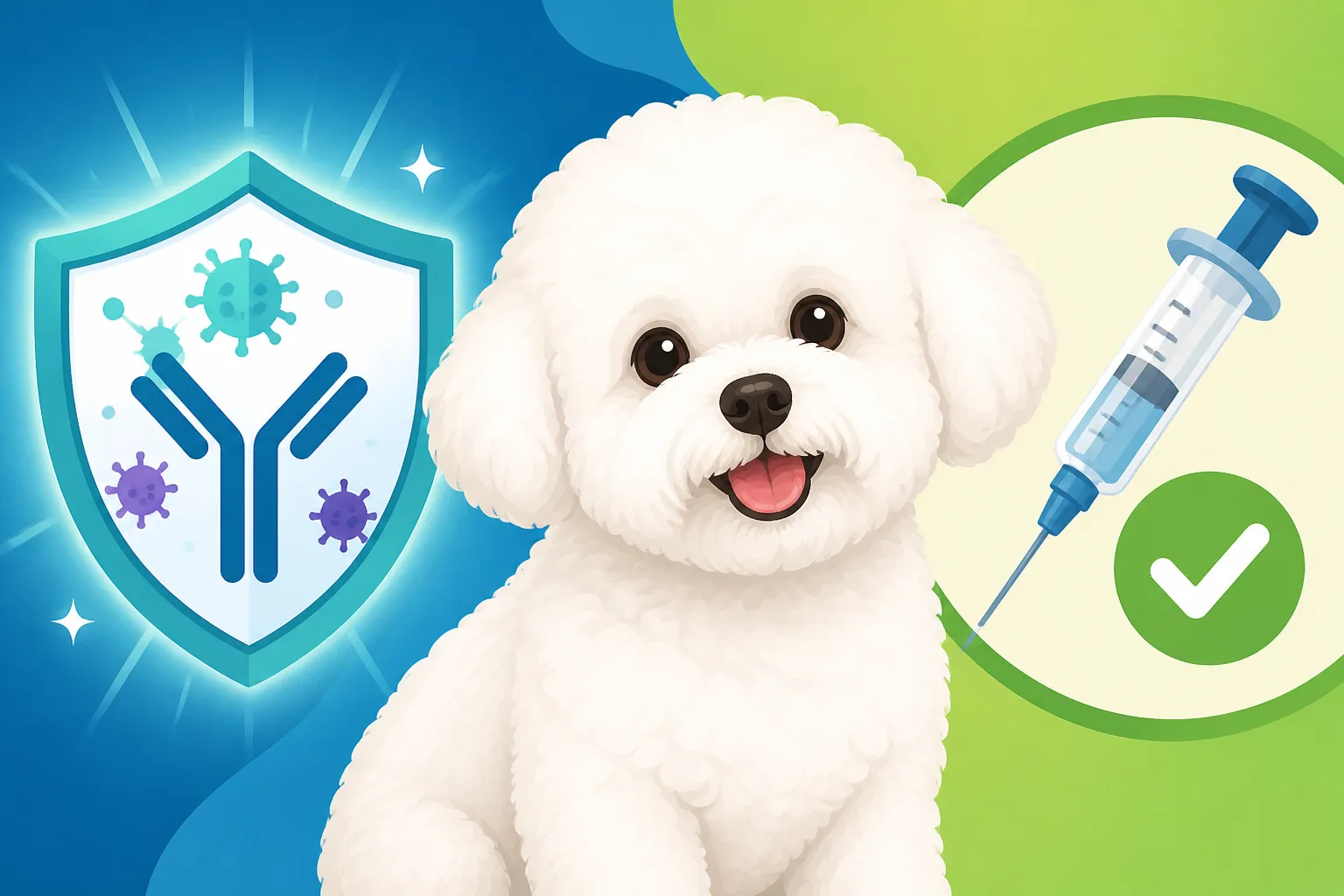
Once the specific allergens are identified, a customized serum is formulated. This serum contains minute, gradually increasing amounts of those very allergens your Bichon reacts to. Over time, your dog receives these tiny doses, typically through injections or oral drops. The idea is that by repeatedly exposing the immune system to these allergens in a controlled manner, it slowly learns that they aren't actually a threat. This process encourages the immune system to produce blocking antibodies and regulatory T-cells, which in turn reduce the production of inflammatory chemicals responsible for the itching and discomfort. It's like building up a tolerance, little by little, until the immune system no longer overreacts. This can lead to a significant reduction in allergic symptoms and a decrease in the need for other medications, offering genuine relief for issues like Recurrent Ear Infections in a Bichon Frise which are often allergy-related.
This approach is unique because it's the only treatment that specifically alters the allergic disease process. Rather than just suppressing the inflammation or the itch, it's attempting to change the underlying immune response. While it requires patience and commitment, the long-term benefits of potentially reducing or eliminating the need for symptomatic medications are highly appealing to many Bichon Frise owners who are tired of the constant battle with their pet's discomfort.
The Delivery Methods: Injections vs. Oral Drops
When considering immunotherapy for your Bichon Frise, you’ll typically be presented with two main delivery methods: subcutaneous injections (often referred to as allergy shots) or sublingual immunotherapy (SLIT), which involves administering drops orally. Both methods aim to achieve the same goal of desensitization, but they differ in convenience, administration, and sometimes, efficacy for individual dogs.
Subcutaneous immunotherapy (SCIT) involves injecting the allergen serum under your dog's skin. Initially, these injections are often given at your veterinarian's office, especially during the initial "induction" phase where the dose is very gradually increased. Once your Bichon is stable on a maintenance dose, many owners are trained to give the shots themselves at home, typically on a weekly or bi-weekly schedule. This can be a huge advantage for dogs who are comfortable with injections and owners who are confident administering them. The main benefits are a longer track record of success and the ability to finely tune the dosage. On the flip side, some dogs might not tolerate injections well, and owners might be uncomfortable giving them.
Sublingual immunotherapy (SLIT) involves giving the allergen serum as drops directly into your Bichon's mouth, usually twice a day. This method is often favored by owners who are needle-shy or have dogs who get stressed by injections. The serum is absorbed through the mucous membranes under the tongue. While potentially more convenient for daily administration, the consistency of delivery is paramount. Missing doses can hinder progress, and some dogs might resist the drops. Research suggests SLIT can be as effective as SCIT for many dogs, though some dermatologists might have a preference based on their experience. Both methods demand dedication, but the flexibility in administration allows owners to choose what best fits their lifestyle and their Bichon's temperament.
Regardless of the method chosen, consistency is key. Immunotherapy isn't a quick fix; it's a long-term commitment that slowly re-educates the immune system. The decision between shots and drops often comes down to a discussion with your vet or a veterinary dermatologist, taking into account your dog's specific needs, your comfort level, and the recommendations based on the allergy test results. Many veterinary dermatologists recommend exploring a What a Dermatology Referral Costs for a Bichon Frise to get the most tailored advice.
The Efficacy of Immunotherapy in Bichon Frises
When you’re considering a long-term treatment like immunotherapy for your Bichon Frise's allergies, one of the first questions that comes to mind is, "Will it actually work?" It’s a valid concern, especially given the investment of time, effort, and money. The good news is that for many Bichons, immunotherapy can be a game-changer, but it's important to approach it with realistic expectations.
Realistic Expectations and Success Rates
Immunotherapy is generally considered to be effective in improving clinical signs for a significant percentage of dogs with atopic dermatitis, including Bichon Frises. Studies and veterinary dermatologists often report success rates ranging from 60% to 80%. What does "success" mean in this context? It usually means a noticeable reduction in itching, scratching, skin inflammation, and secondary infections, leading to a much-improved quality of life for your pet. In many successful cases, dogs can either significantly reduce their reliance on symptomatic medications like steroids, Apoquel, or Cytopoint, or even come off them entirely.
However, it's crucial to understand that immunotherapy is not an overnight miracle cure. It works by gradually re-training the immune system, and this process takes time. You might not see significant improvement for several months, often 6 to 12 months, and in some cases, even longer. This requires patience and consistent administration of the treatment. During this initial period, your Bichon may still require some symptomatic medications to keep them comfortable, especially during peak allergy seasons. The goal isn't necessarily to achieve a "cure" where all symptoms vanish forever, but rather to achieve a state of significant control where your Bichon is comfortable, happy, and less dependent on daily or monthly suppressive drugs. It's a journey, not a sprint, and Managing a Bichon Frise's Skin Without Steroids is often the ultimate aim.
Another important aspect of managing expectations is understanding that "success" can look different for every dog. For some, it might mean being completely free of symptoms, while for others, it might mean their symptoms are drastically reduced and easily managed with minimal, occasional medication. Even a reduction in the frequency or severity of flare-ups can be a huge win for both the dog and the owner, drastically improving daily life and reducing stress.
Factors Influencing Outcomes
Several factors can influence how well immunotherapy works for your individual Bichon Frise. One key element is the age of onset of allergies and how long the condition has been present. Generally, starting immunotherapy earlier in a dog's life, before chronic skin changes or secondary infections become deeply entrenched, can lead to better outcomes. This isn't to say older dogs won't benefit, but the road might be a bit longer or the degree of improvement might be slightly less dramatic.
The severity of the allergies also plays a role. Dogs with milder allergies might respond more quickly and completely, while those with severe, multi-allergen sensitivities might require more intensive or prolonged treatment, and might still need occasional adjunct therapies during peak seasons. Owner compliance is paramount – consistency in administering the injections or drops as prescribed is critical for the immune system to build tolerance. Missed doses can set back progress and prolong the time it takes to see results.
Furthermore, environmental management remains important, even with immunotherapy. While the goal is desensitization, reducing exposure to known allergens (e.g., frequent vacuuming for dust mites, avoiding walks during peak pollen times) can complement the treatment and help lessen the immune system's overall burden. Just as some dogs benefit from an Whether an Elimination Diet Helps a Bichon Frise for food allergies, environmental controls are beneficial for atopy. Finally, the nature of allergies means that treatment is typically lifelong. While the serum might be adjusted over time, once a successful maintenance protocol is established, it's usually continued indefinitely to maintain the desensitized state. Stopping treatment prematurely often leads to a return of symptoms.
The Commitment and Costs Involved with Immunotherapy
Deciding to pursue immunotherapy for your Bichon Frise's allergies is a significant step, and it comes with real commitments – both in terms of your time and your finances. It's not a decision to be taken lightly, but understanding what's involved upfront can help you prepare and make the best choice for your furry companion.
Time and Effort for Consistent Treatment
One of the biggest considerations for Bichon Frise owners thinking about immunotherapy is the time commitment required for consistent administration. Unlike a daily pill or a monthly injection at the vet, immunotherapy often involves a more hands-on approach, especially in the initial stages.
If you opt for subcutaneous injections (SCIT), you'll typically start with a very gradual dose increase administered by your vet, sometimes over several weeks. Once your Bichon tolerates the treatment well and reaches a maintenance dose, you'll likely be trained to give the injections at home. This usually means a shot every 7 to 14 days, for the rest of your dog's life. It might sound daunting at first, but many owners quickly become adept at giving these small injections, and their pets usually get used to the routine. However, it does require diligence and remembering those regular dates.
For sublingual immunotherapy (SLIT), the time commitment is different but no less important. This method requires administering drops into your Bichon's mouth, typically twice a day, every single day. Again, consistency is absolutely vital for the treatment to be effective. Missing doses frequently can mean the immune system doesn't get the regular exposure it needs to build tolerance, potentially rendering the treatment less successful or prolonging the time before you see results. It’s about building a new routine into your daily life – a commitment that truly demonstrates your love for your Bichon.
Understanding the Financial Investment
Beyond the time commitment, the financial investment in immunotherapy is another crucial aspect. While specific costs can vary widely based on your location, your veterinarian's fees, and the specific type of immunotherapy chosen, it's generally an upfront and ongoing expense.
The first significant cost is the diagnostic phase: the allergy testing itself. Whether it's intradermal skin testing or a comprehensive blood panel, these tests are necessary to identify the specific allergens for your Bichon's customized serum. These initial costs can range from a few hundred to over a thousand dollars. Following diagnosis, the immunotherapy serum itself is an ongoing expense. It's custom-formulated and typically needs to be refilled every few months. The cost for the serum can be anywhere from $100 to $300 or more per refill, depending on the number of allergens included and the concentration. This is an expense you'll likely incur for the life of your Bichon.
While the initial outlay for testing and the ongoing cost of the serum might seem higher than simply buying a monthly prescription like Apoquel, many owners find that over the long term, immunotherapy can actually be more cost-effective. If successful, it reduces or eliminates the need for other allergy medications, frequent vet visits for flare-ups, antibiotics for secondary infections, and specialized shampoos. Some pet insurance providers, like Healthy Paws, may offer coverage for allergy diagnostics and immunotherapy, particularly if the policy was in place before the allergies were diagnosed (as pre-existing conditions are usually excluded). It's always a good idea to check with your provider about their specific coverage for conditions like atopic dermatitis and its treatments. It can provide significant peace of mind if your policy helps offset some of these predictable, long-term costs.
Is Immunotherapy the Right Choice for Your Bichon Frise?
Deciding whether to pursue immunotherapy for your Bichon Frise's allergies is a highly personal decision that involves weighing various factors. There's no single "right" answer for every dog or every owner, but understanding the pros and cons can help you make an informed choice alongside your veterinarian.
Weighing the Pros and Cons
Let's break down the key advantages and disadvantages of immunotherapy for your Bichon:
Pros:
- Addresses the Root Cause: This is the biggest draw. Unlike symptomatic treatments that just manage the itch, immunotherapy aims to re-train your Bichon's immune system to stop overreacting to allergens. It's a disease-modifying therapy.
- Reduced Reliance on Other Medications: If successful, your Bichon may need less, or even no, daily or monthly symptomatic drugs like steroids, Apoquel, or Cytopoint. This can be a huge relief for owners worried about long-term medication side effects or costs.
- Fewer Side Effects: Immunotherapy is generally very safe. The most common side effects are mild, localized reactions at the injection site (like a small bump or redness) or a temporary increase in itching. Serious systemic reactions are rare.
- Long-Term Solution: Once tolerance is built, immunotherapy provides ongoing relief, often for the life of your dog, preventing recurrent flare-ups rather than just treating them as they happen.
- Improved Quality of Life: For Bichons suffering from chronic, severe allergies, successful immunotherapy can dramatically improve their comfort, happiness, and overall well-being. Imagine your dog not constantly scratching or chewing their paws!
Cons:
- Time-Consuming: Whether it's weekly injections or twice-daily oral drops, immunotherapy requires consistent, long-term commitment from the owner. This can be challenging for busy households.
- Not 100% Effective: While success rates are good (60-80%), it doesn't work for every dog. Some Bichons may see only partial improvement, and a small percentage may not respond at all.
- Slow Onset of Action: It takes time, often 6 to 12 months, to see the full benefits. This means you might still need to use symptomatic medications during the initial phase.
- Initial Cost: The allergy testing and the first few batches of serum can represent a significant upfront financial investment compared to starting symptomatic medication immediately.
- Requires Owner Commitment: If you're not diligent with the schedule, the treatment won't be as effective, potentially wasting your time and money.
Considering these points, for a Bichon Frise with persistent, severe, or year-round allergies that are poorly controlled by symptomatic treatments, or for owners who wish to minimize long-term medication, immunotherapy presents a very strong, proactive solution.
Consulting with Your Veterinarian and a Specialist
The decision to embark on immunotherapy for your Bichon Frise should always be made in close consultation with your veterinarian, and ideally, with a board-certified veterinary dermatologist. These specialists have advanced training and experience in diagnosing and managing complex skin conditions, and they can provide the most accurate assessment of whether immunotherapy is a suitable option for your particular dog.
Your regular vet can initiate the conversation and often perform the initial work-up. However, a referral to a veterinary dermatologist is often recommended for allergy testing (especially intradermal skin testing, which requires specialized expertise) and for crafting the most effective long-term management plan. They can discuss the nuances of your Bichon's specific case, including the types of allergens identified, the severity of their symptoms, and any other underlying health conditions that might influence treatment choices. They can also provide hands-on training for administering injections at home if that's the chosen route.
Furthermore, a specialist can help manage expectations, explaining the timeline for potential improvement and discussing any potential side effects or adjunctive therapies that might be needed, especially in the early stages of treatment. They can also advise on how to coordinate care with your regular vet, ensuring a seamless approach to your Bichon's ongoing health. Remember, a comprehensive approach often yields the best results, and having a team of dedicated professionals supporting you and your Bichon Frise can make all the difference in achieving long-lasting comfort and relief.
Treatment Comparison: Allergy Management Options for Bichon Frises
| Feature | Symptomatic Treatments (Apoquel, Cytopoint, Steroids) | Immunotherapy (Allergy Shots/Drops) |
|---|---|---|
| Mechanism | Suppresses inflammation/itch pathways | Re-trains immune system to tolerate allergens |
| Onset of Effect | Rapid (hours to days) | Slow (weeks to months, full effect 6-12 months) |
| Side Effects | Varies; steroids have many, Apoquel/Cytopoint fewer but possible | Generally minimal; local reactions at injection site, temporary itch increase |
| Long-Term Goal | Continuous management of symptoms | Modify disease, reduce need for symptomatic meds |
| Administration | Daily oral pill (Apoquel), monthly/quarterly injection (Cytopoint), oral steroid pills | Weekly/bi-weekly injections OR daily oral drops |
| Cost | Ongoing monthly/quarterly for medication | Initial diagnostic cost + ongoing monthly/quarterly for serum |
| Addresses Root Cause | No | Yes |
| Requires Owner | Compliance with medication schedule | High commitment to consistent, long-term administration |
Disclaimer
The information provided in this article is for general educational purposes only and is not a substitute for professional veterinary advice. Always consult with your veterinarian or a board-certified veterinary dermatologist for any health concerns or before making any decisions about your Bichon Frise's medical care.