What an ACTH Stimulation Test Costs on a Bichon Frise
When your beloved Bichon Frise starts showing signs that just aren't quite right – maybe they're drinking constantly, developing a pot belly, or losing some of that glorious white coat – it can be incredibly worrying. You know something's off, and your vet suspects Cushing's disease, but confirming it often requires specific and sometimes costly diagnostic tests. This guide will walk you through what an ACTH stimulation test involves for your Bichon Frise and what you can realistically expect in terms of expense.
Understanding the ACTH Stimulation Test for Your Bichon Frise
The suspicion of Cushing's disease, or hyperadrenocorticism, in a Bichon Frise is a common concern for many owners. These fluffy bundles of joy are, unfortunately, predisposed to certain health conditions, and Cushing's is definitely one that can creep up, particularly as they get a little older. When your vet suggests an ACTH stimulation test, it's because they're looking for a definitive answer to a complex set of symptoms.
Why the ACTH Test is Crucial for Cushing's Diagnosis
Cushing's disease isn't always obvious. It can present with a whole array of subtle and not-so-subtle changes that often mimic other age-related issues. Your Bichon might be drinking a gallon of water a day, having accidents indoors, losing hair in patches, developing thin skin, or just generally seeming less energetic. These aren't just quirks of old age; they can be critical indicators that something is seriously amiss with their endocrine system. The problem is, many of these signs – excessive thirst, increased urination, even a slight pot belly – could also point to conditions like diabetes or kidney disease. The ACTH (Adrenocorticotropic Hormone) stimulation test is considered one of the gold standards for diagnosing Cushing's because it directly measures how your Bichon's adrenal glands respond to a specific hormone. It helps to differentiate true Cushing's from other conditions that might cause similar clinical signs, making it an indispensable tool for an accurate diagnosis. Without this precise measurement, you might be treating the wrong problem, which is frustrating and can delay proper care. How Cushing's Is Diagnosed in a Bichon Frise goes into more detail about the full diagnostic journey.
What Happens During the Test Procedure
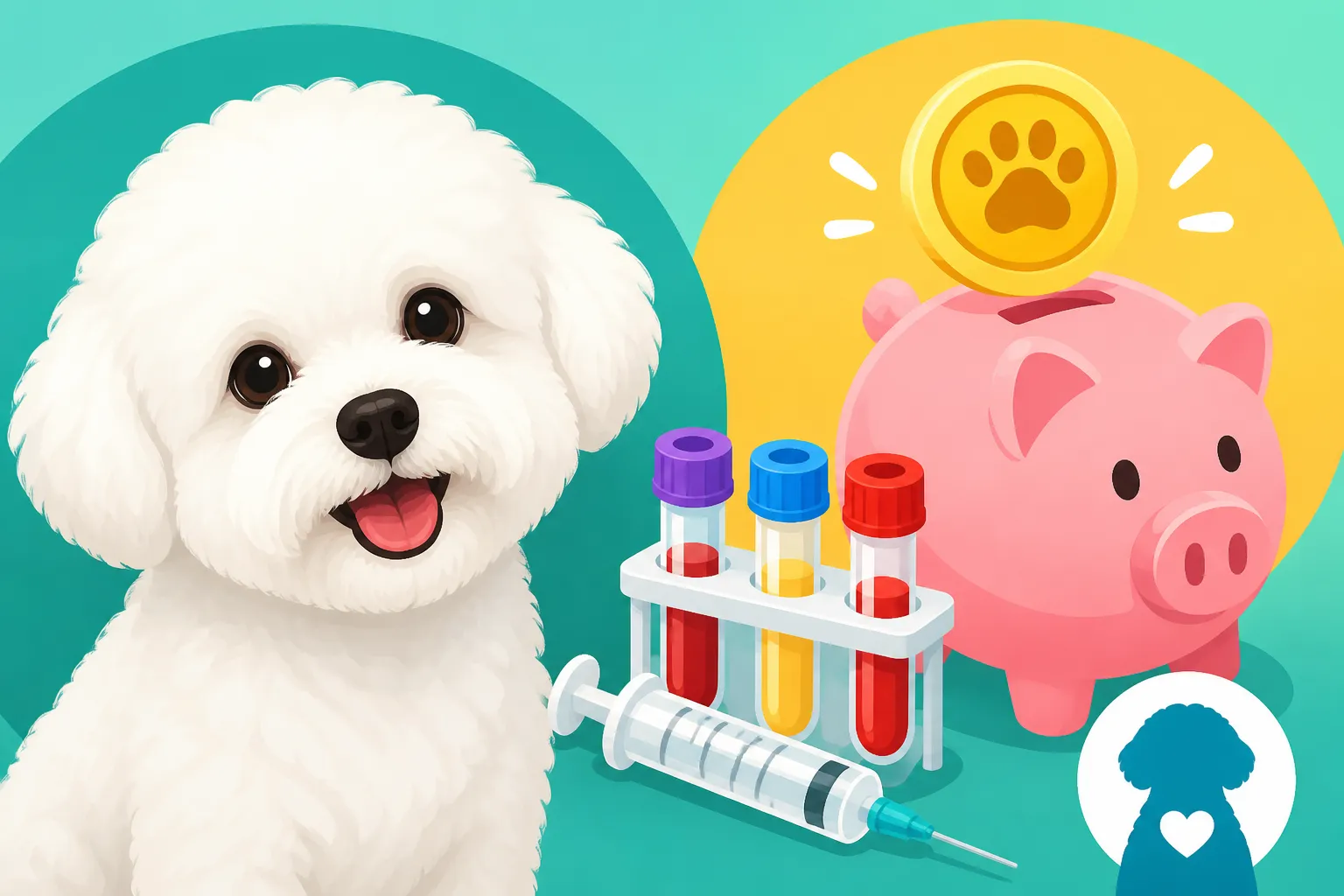
The ACTH stimulation test isn't a single quick poke; it's a process that usually takes a couple of hours at the vet's office. It typically begins with your Bichon Frise arriving at the clinic, often after a period of fasting. The veterinary team will first take a baseline blood sample from your dog. This initial sample measures the cortisol levels in their blood before any stimulation. Cortisol is the stress hormone that is overproduced in dogs with Cushing's.
Once the baseline sample is collected, your Bichon will receive an injection of synthetic ACTH. This is the hormone that normally tells the adrenal glands to produce cortisol. In a dog with Cushing's, these glands are often overactive, and the ACTH injection will cause an exaggerated response, meaning they'll pump out even more cortisol.
Approximately one to two hours after the injection, a second blood sample is drawn. Both the baseline and the post-stimulation samples are then sent to a specialized laboratory for analysis. The lab will compare the cortisol levels in both samples. A significantly elevated cortisol level in the second sample compared to the first, particularly above a certain threshold, is indicative of Cushing's disease. The waiting period for results can be nerve-wracking, but it's essential for getting that clear picture of what's happening internally.
Differentiating Cushing's Types with the Test
One of the nuances of Cushing's disease is that it comes in a couple of forms: pituitary-dependent (PDH) and adrenal-dependent (ADH). While the ACTH stimulation test confirms the presence of Cushing's, it doesn't always tell you which type it is. However, it can sometimes offer clues. In most cases, pituitary-dependent Cushing's (which accounts for the vast majority of cases in dogs) will show a strong, exaggerated response to the ACTH. Adrenal tumors, on the other hand, might show a weaker or more erratic response, or no response at all, because the adrenal gland itself is already independently overproducing cortisol, rather than responding to brain signals.
Knowing the type of Cushing's can influence the next steps in diagnostics and potential treatment plans. For instance, if the ACTH test is strongly positive, your vet might then recommend further imaging, like an abdominal ultrasound, to look for adrenal masses or to assess the size of the adrenal glands, especially if they suspect an adrenal tumor. This differentiation is important because the treatments for each type can vary significantly.
Factors Influencing the Cost of an ACTH Stimulation Test
It's natural to feel a knot in your stomach when you hear about specialist tests, especially when your Bichon Frise isn't feeling well. The cost of an ACTH stimulation test isn't a fixed price tag you'll find uniformly across every veterinary clinic. Several factors play into the final bill, and understanding these can help you better prepare and have informed conversations with your vet.
Veterinary Clinic Location and Type
Just like human healthcare, veterinary costs can vary significantly based on where you live and the type of practice you visit. A test performed in a bustling metropolitan area, say a specialty referral hospital in Los Angeles or New York, will almost certainly cost more than the same test at a smaller, rural general practice clinic in a less expensive region. Specialty veterinary hospitals, particularly those with internal medicine specialists, tend to have higher overheads, advanced equipment, and specialized staff, which translates to higher costs for their services. A general practice vet might perform the test, but if your case is complex or requires specialist interpretation, a referral might be necessary, adding to the overall diagnostic journey and its associated expenses. Don't be shy about asking for an estimate before committing to any procedures, regardless of the clinic's location or type.
Included Services and Associated Fees
When you receive a quote for an ACTH stimulation test, it's crucial to understand what exactly that price includes. Typically, the cost covers a few key components:
- The ACTH hormone itself: This is a synthetic pharmaceutical and can be quite costly.
- Two blood draws: One for the baseline and one post-stimulation.
- Laboratory analysis: The actual processing and interpretation of the blood samples by an external lab.
However, sometimes the quoted price might not include the initial consultation fee with the veterinarian, which is necessary to discuss symptoms and recommend the test. It might also not include any additional diagnostics that are often run simultaneously to rule out other conditions or get a more comprehensive picture of your Bichon's overall health. For instance, a complete blood count (CBC) and a biochemistry panel are often performed alongside the ACTH test to check kidney function, liver enzymes, and blood sugar, which can all be affected by Cushing's or mimic its symptoms. If your Bichon is particularly anxious about blood draws or being handled, mild sedation might be recommended, which would be an additional charge. Always ask for an itemized estimate to avoid surprises.
Additional Diagnostic Tests Often Performed Concurrently
As mentioned, an ACTH stimulation test is rarely a standalone procedure when diagnosing Cushing's. Your veterinarian will likely want a more holistic view of your Bichon Frise's health to confirm the diagnosis and assess the impact of the disease on other organ systems. This often means running a battery of tests alongside or immediately following a positive ACTH result.
These additional tests might include:
- Complete Blood Count (CBC) and Biochemistry Panel: These provide vital information about red and white blood cells, organ function (especially liver and kidneys), and electrolyte balance. Many Cushingoid dogs have elevated liver enzymes and sometimes changes in their blood cell counts.
- Urinalysis and Urine Culture: Cushing's dogs often have dilute urine and are more prone to urinary tract infections due to the immunosuppressive effects of excess cortisol. A urine test helps rule out UTIs, which can also cause increased urination and accidents. Whether a Cushing's Bichon Frise Drinks Constantly covers one of the key symptoms that these tests can help clarify.
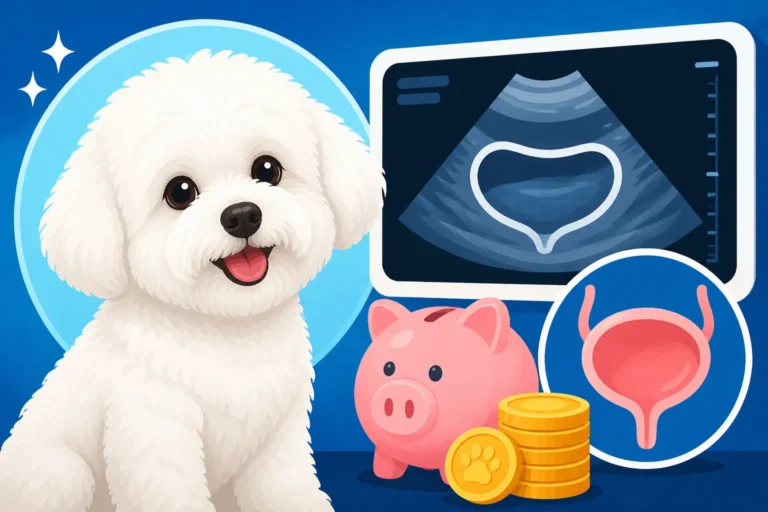
- Abdominal Ultrasound: If the ACTH test points strongly to Cushing's, an ultrasound might be recommended to visualize the adrenal glands. This helps differentiate between pituitary-dependent Cushing's (where adrenal glands are often enlarged but symmetrical) and adrenal tumor-dependent Cushing's (where one adrenal gland might be significantly larger due to a tumor).
- Low-Dose Dexamethasone Suppression Test (LDDS): Sometimes, especially in cases where the ACTH test result is ambiguous or further confirmation is needed, an LDDS test might be performed. This test measures the body's response to an artificial steroid, offering another angle on adrenal function.
Each of these additional tests comes with its own cost, which can quickly add up. While it might seem like a lot, remember that your vet is trying to build a complete picture to ensure an accurate diagnosis and the most effective treatment plan for your furry family member.
A Realistic Look at the Cost of an ACTH Stimulation Test
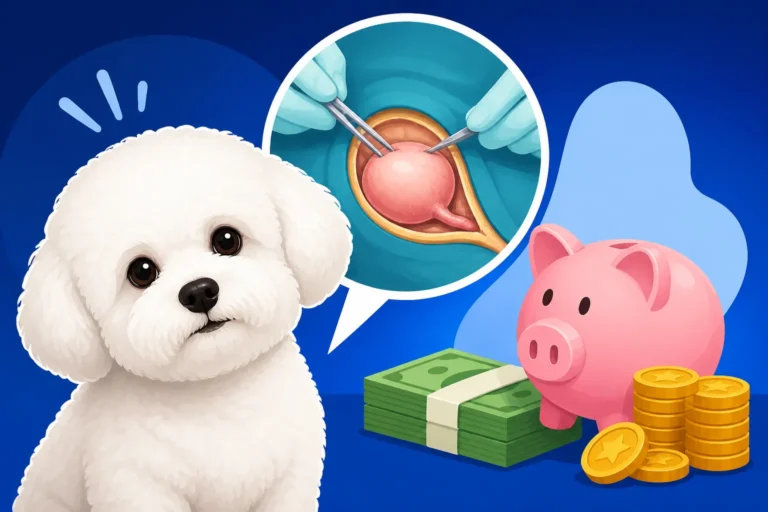
Let's get down to the numbers, keeping in mind these are general ranges and not fixed prices. It's tough to discuss specific costs because they fluctuate so much based on location, clinic, and what exactly is bundled into the service. But I can give you a transparent idea of what factors contribute to the overall bill for an ACTH stimulation test for your Bichon Frise.
Breakdown of Typical Expenses
When you're looking at the bill for an ACTH stimulation test, you're usually paying for the sum of several parts. This isn't just for a single injection, but a comprehensive diagnostic procedure.
Here’s a typical breakdown of the components that make up the cost:
- Veterinary Consultation/Exam Fee: Your initial visit to discuss your Bichon's symptoms and for the vet to determine if an ACTH test is appropriate. This can be a separate charge from the test itself.
- The ACTH Synthetic Hormone Vial: This drug is a specialized pharmaceutical, and its cost is a significant part of the overall expense. Vets purchase it, and the cost is passed on to the client.
- Blood Draws: There are at least two blood draws required for the test (baseline and post-stimulation), and sometimes a third if a different protocol is followed or a sample needs re-running. Each draw incurs a fee for the technician's time and supplies.
- Laboratory Analysis: The blood samples must be sent to an external diagnostic laboratory that specializes in endocrine testing. The lab charges for processing the samples and providing the cortisol level readings. This is often a significant portion of the total.
- Interpretation of Results: Your vet's time to analyze the lab results, interpret them in conjunction with your Bichon's clinical signs, and discuss the findings and next steps with you.
For example, you might see the hormone itself priced separately, then fees for each blood draw, plus the lab fee. Or, a clinic might offer a "package price" that bundles most of these. It's always a good idea to ask for an itemized estimate, so you know exactly what you're paying for.
The Long-Term Financial Impact of a Cushing's Diagnosis
While understanding the cost of the ACTH test is crucial, it's equally important to consider that this diagnostic step is often just the beginning of a longer financial journey if your Bichon Frise is diagnosed with Cushing's disease. Cushing's is a chronic condition, and it typically requires lifelong management.
After diagnosis, your Bichon will likely be started on medication, such as trilostane, which aims to regulate their cortisol production. This medication is given daily, and it is not inexpensive. The cost can fluctuate based on the dosage your dog needs, which is determined by their weight and response to treatment. What Cushing's Medication Costs a Bichon Frise Owner Monthly goes into specific details about these ongoing expenses.
Beyond medication, there's the cost of regular monitoring. Once treatment begins, your vet will need to perform follow-up ACTH stimulation tests or other blood panels periodically (often every few weeks initially, then every 3-6 months) to ensure the medication is working effectively and that your Bichon isn't being over- or under-treated. Each of these monitoring tests will incur charges similar to, though perhaps slightly less than, the initial diagnostic test since you might not need the full consultation every time, but the blood draws and lab work remain. Over the years, these costs can truly add up, making Cushing's a significant long-term financial commitment for any pet owner.
How Pet Insurance Can Help with Diagnostic Costs
Facing potentially significant vet bills, especially for something as complex as a Cushing's diagnosis, can be incredibly stressful. This is where pet insurance can be a real lifeline. If you've been proactive and enrolled your Bichon Frise in a comprehensive pet insurance plan before any symptoms of Cushing's appeared, then the diagnostic costs, including the ACTH stimulation test, are generally covered. Most good plans, like those offered by Healthy Paws, are designed to help with unexpected illnesses and accidents.
However, there's a crucial caveat: pre-existing conditions. If your Bichon already showed signs suggestive of Cushing's or received a diagnosis before you got insurance, or during the waiting period of your policy, the condition and its associated costs (including future tests and medication) would likely be excluded. This is why many experienced pet owners advocate for insuring their pets when they are young and healthy. While you still pay a monthly premium, having insurance can drastically reduce your out-of-pocket expenses when a serious condition like Cushing's arises, allowing you to focus on your Bichon's health rather than the strain on your wallet. Whether Cushing's Is Covered on a Bichon Frise Policy provides more in-depth information on insurance specifics.
Managing and Preparing for the Expense
It's completely normal to feel a mix of emotions when facing a potential Cushing's diagnosis and the costs associated with it. Worrying about your Bichon Frise's health is paramount, but the financial implications are a very real concern for most families. The good news is there are ways to approach these expenses proactively and ensure your furry friend gets the care they need without completely breaking the bank.
Discussing Costs Transparently with Your Veterinarian
This is perhaps the most important step. Never be afraid to have an open and honest conversation with your veterinarian about costs. When they recommend the ACTH stimulation test, ask for a detailed, itemized estimate before they perform the procedure. This estimate should break down the cost of the hormone, each blood draw, and the lab fees. Don't hesitate to ask:
- "What exactly is included in this estimate?"
- "Are there any additional tests you anticipate needing, and what would those cost?"
- "Are there alternative diagnostic approaches, and what are their pros and cons (and costs)?"
- "Do you offer any payment plans or accept third-party veterinary financing options?"
A good veterinary practice understands that finances are a factor, and they should be willing to discuss all options with you. Knowing the expected costs upfront eliminates surprises and allows you to make informed decisions without added stress.
Exploring Payment Options and Financial Aid
If the costs seem daunting, remember you have options beyond simply paying the full amount upfront. Many veterinary clinics are empathetic to the financial burden of complex medical cases and offer solutions:
- Payment Plans: Some clinics offer internal payment plans, allowing you to pay the bill in installments. This is often reserved for established clients with a good payment history.
- Third-Party Financing: Services like CareCredit or Scratchpay are specifically designed for veterinary and medical expenses. They offer various financing options, including interest-free periods if paid in full within a certain timeframe. It's like a credit card specifically for healthcare costs.
- Veterinary Assistance Programs: There are numerous non-profit organizations that offer financial aid for pet owners facing expensive treatments. Resources vary by location, but a quick online search for "veterinary financial assistance" along with your city or state might yield some options. Your vet might also be aware of local programs.
- Emergency Funds/Savings: This is why many experts recommend setting aside a dedicated emergency fund for your pet, or at least incorporating potential vet bills into your overall savings plan. While it might be too late for this diagnosis, it's a valuable lesson for future needs.
Don't let financial worry prevent you from exploring every avenue for your Bichon Frise's care.
Considering the Value of an Accurate Diagnosis
It's easy to get bogged down by the numbers, but it’s vital to remember the ultimate goal: an accurate diagnosis leads directly to effective treatment. While the ACTH stimulation test has a cost, the information it provides is invaluable. Without a definitive diagnosis of Cushing's, you could be left guessing, potentially treating symptoms incorrectly, or missing a critical window for intervention.
An accurate diagnosis allows your veterinarian to prescribe the correct medication at the right dosage, significantly improving your Bichon Frise's quality of life. Left untreated, Cushing's can lead to more severe health problems, including diabetes, recurrent infections, blood clots, and neurological issues, which would ultimately lead to even higher veterinary bills and more suffering for your dog. Investing in a precise diagnosis now means you're investing in your Bichon's comfort, longevity, and overall well-being. It provides clarity and a path forward, transforming a confusing array of symptoms into a manageable condition.
Here's a quick overview of the cost components:
| Cost Component | Description | Typical Inclusions |
|---|---|---|
| Veterinary Consultation/Exam | Initial visit to assess symptoms and recommend testing. | Vet's time, physical exam, discussion of health history. |
| ACTH Hormone Vial | The synthetic hormone injected during the test. | Cost of the pharmaceutical. |
| Blood Draws (2-3) | Collecting blood samples before and after hormone injection. | Technician's time, sterile supplies, sample collection. |
| Laboratory Analysis | Processing and interpreting blood samples for cortisol levels. | External lab fees, specialized equipment, result reporting. |
| Results Interpretation/Follow-up | Vet's time to review results and discuss diagnosis/treatment. | Communication with owner, treatment plan formulation. |
| Additional Diagnostics (Optional) | Tests to rule out other conditions or confirm Cushing's type. | CBC, chemistry panel, urinalysis, ultrasound, other blood tests. |
This article is for general informational purposes only and does not constitute professional advice. Laws, prices and regulations vary by location and change over time. Consult a qualified professional for guidance on your specific situation.