Whether a Groomer Charges Extra for a Matted Bichon Frise
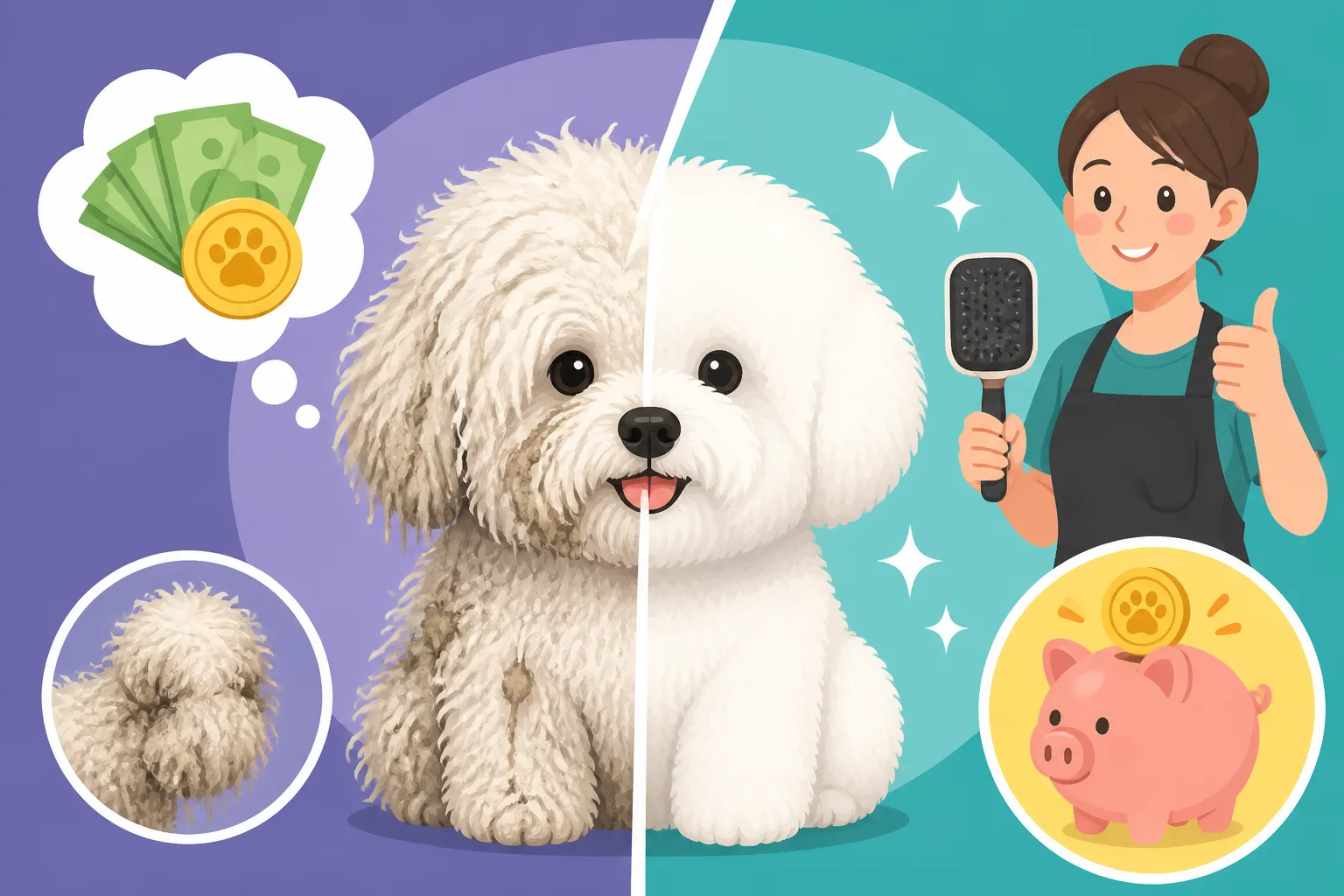
It's a disheartening moment when you look at your beloved Bichon Frise and realize their soft, fluffy coat has become a tangled, matted mess. Many Bichon owners face this challenge, often wondering if their groomer will charge extra for the significant work involved. This guide will gently walk you through why groomers do charge more for matted coats, the reasons behind these fees, and most importantly, how to prevent your precious pup from ever getting to that uncomfortable stage again.
The Unavoidable Truth: Why Matting Means Extra Charges
When your Bichon Frise arrives at the grooming salon with mats, it's not just a matter of a little extra brushing. Mats are compacted tangles of hair that can pull tightly on the skin, causing discomfort and potentially leading to serious health issues. Removing them safely and effectively requires a lot more than a standard groom, and that extra effort translates directly into additional costs.
Time is Money: The Labor-Intensive Nature of Dematting
Imagine trying to untangle a ball of yarn that's been knotted repeatedly and then felted together. That's essentially what a groomer faces with a matted Bichon Frise, but with a living, breathing creature attached. It’s a meticulous, painstaking process that simply takes a lot of time – far more than a routine brush-out of a well-maintained coat.
For a groomer, time is their most valuable commodity. A regular Bichon Frise groom might take an hour and a half to two hours, including bath, drying, and styling. But a severely matted dog can easily double or even triple that time, often requiring specialized techniques and immense patience. Each mat has to be carefully separated, loosened, and worked out, often strand by strand. If the matting is extensive, it's not uncommon for a groomer to spend an additional hour or more just on the dematting process before they even get to the bath and styling. This isn't just a quick comb-through; it's a careful, deliberate process to minimize pain and irritation for your dog.
Health and Safety Risks for Both Dog and Groomer
Beyond the time investment, working with a matted Bichon Frise introduces significant health and safety concerns that groomers must account for. This isn't just about their convenience; it's about protecting your dog and themselves.
Firstly, for your Bichon, mats are incredibly uncomfortable. They pull on the skin, restricting movement and causing pain, especially around joints or behind the ears. Underneath severe matting, the skin can't breathe properly, leading to a host of problems. We're talking about skin infections, hot spots, yeast overgrowth, and even parasites like fleas and ticks that can hide unseen in the dense fur. In extreme cases, tight mats can restrict blood flow, causing swelling or even tissue damage. When a groomer shaves under these mats, they are often navigating an angry, irritated, or broken skin surface, which dramatically increases the risk of accidental nicks, cuts, or razor burn. The priority shifts from aesthetics to urgent care and relief for the animal. What Atopic Dermatitis Does to a Bichon Frise can often lead to excessive licking or scratching, which quickly turns healthy fur into matted patches.
Secondly, for the groomer, there's a heightened risk of injury. A dog in pain or discomfort is naturally more agitated, anxious, and prone to snapping or biting, even if they are usually sweet-tempered. The groomer needs to work slowly and cautiously, often with an assistant, to keep the dog calm and secure. This mental and physical strain, coupled with the increased risk of bites or scratches, means they are undertaking a more dangerous task. It's a testament to their dedication that they take on these challenges, but it's only fair that this increased risk and effort are compensated. Many groomers prioritize safety above all else, and a matted dog can make a routine procedure into a high-stress situation for everyone involved.
Understanding the Groomer's Perspective and Pricing Structure
It's natural to feel a pang when you hear about extra charges, but understanding the groomer's perspective can help. They are professionals with specialized skills, tools, and a responsibility to prioritize your dog's well-being.
Hourly Rates and "Dematting Fees"
Most grooming salons have a standard price for a Bichon Frise, which assumes a regularly maintained coat. When a dog comes in matted, the groomer often has two primary ways they might apply extra charges:
- Hourly Dematting Fee: Many groomers will add an hourly rate for the time spent actively working on mats. This could be anywhere from a fraction of their standard hourly rate to a premium rate, reflecting the difficulty and risk. So, if a standard groom is, say, $70 for two hours, and your dog requires an extra hour of dematting, you might be looking at a significant increase.
- Flat "Matting Fee": Some salons might have a tiered matting fee based on the severity. For example, a small amount of matting might incur a minor flat fee, while extensive matting could trigger a much higher one, sometimes nearing the cost of the original groom itself.
It's always a good idea to discuss this upfront when you book your appointment, or at least be prepared for the conversation when you drop off your Bichon. Transparency is key, and a good groomer will explain their pricing structure clearly. They want you to understand that these aren't arbitrary charges but reflect the extra work and care required.
The "Shave-Down" vs. "Save-the-Coat" Dilemma
This is often the most heartbreaking part for many Bichon Frise owners. You love that fluffy, The Powder Puff Outline the Bichon Frise Standard Describes, and the idea of shaving it off can be tough. However, when matting is severe, a complete shave-down is often the only humane option.
Groomers operate under a principle called "humane dematting." This means they will not subject a dog to prolonged pain and stress by attempting to brush out mats that are too tight, too extensive, or too close to the skin. Brushing out severe mats can feel like torture to the dog, causing significant pain, tearing skin, and leading to a traumatic grooming experience. A dog that has endured a painful dematting session might develop a lifelong fear of grooming, making future sessions incredibly difficult, and possibly even requiring sedation if the issue is severe enough for a future groomer to say Whether a Groomer Refuses a Difficult Bichon Frise.
In these cases, a full shave-down (clipping the coat very short underneath the mats) is the kindest and safest solution. It quickly removes the painful mats, allowing the skin to breathe and heal. While your Bichon might look a bit different for a few weeks, their comfort and health are paramount. The groomer will carefully clip underneath the matted areas, which can still be a tricky process due to the proximity of the skin to the mat, but it’s far less painful than trying to pull the mats apart. The coat will grow back, usually softer and healthier, especially if you commit to a regular grooming schedule afterward. This decision is made with your dog's welfare at heart, even if it's a difficult conversation for you as an owner. What a Full Bichon Frise Groom Costs will likely include this shave-down, plus the additional time needed.
Preventing Matting: A Proactive Approach to Grooming Your Bichon Frise
The best way to avoid extra charges and, more importantly, to keep your Bichon Frise comfortable and healthy, is through proactive and consistent grooming. It might seem like a lot of work, but an ounce of prevention is truly worth a pound of cure when it comes to a Bichon's coat.
The Daily Brushing Routine and Essential Tools
A Bichon's luxurious double coat is non-shedding, which is wonderful for allergy sufferers, but it also means that loose hairs get trapped within the coat, leading to mats if not regularly removed. This is why daily brushing is not just recommended, it's essential.
Here's what you need and how to do it:
- Slicker Brush: This brush has fine, wire bristles that are slightly bent. It's excellent for getting through the outer layers and reaching the undercoat, helping to remove loose hair and minor tangles. Brush gently to avoid scratching the skin.
- Metal Comb: After using the slicker, follow up with a metal comb, ideally one with both wide and fine teeth. This is your detector for mats. If the comb can't pass easily through the coat all the way to the skin, you've got a tangle brewing.
- Detangling Spray: A good quality detangling spray or conditioning spray can make brushing much easier, especially for those stubborn tangles or dry patches. Spray lightly before you begin.
- Line Brushing: This technique is crucial for Bichons. You don't just brush the top layer. Part the hair horizontally, hold the top section up, and brush the hair underneath, working in small sections from the skin out. Then drop a little more hair and repeat, working your way down the dog's body. This ensures you're getting all the way to the skin where mats often start.
- Frequency: Aim for 10-15 minutes of thorough brushing every single day. Even a quick 5-minute session is better than nothing, but a full line brush daily will save you immense heartache. How Long Brushing a Bichon Frise Takes might seem like a lot, but it's truly the cornerstone of good coat care. You can find excellent grooming tools and detangling sprays from retailers like Chewy, making it easy to keep your supply cabinet stocked.
Regular Professional Grooming and In-Between Care
Even with diligent home brushing, a Bichon Frise needs regular professional grooming to maintain their signature look and prevent serious matting.
- Professional Schedule: Most Bichons thrive on a professional grooming schedule of every 4 to 6 weeks. This ensures their coat is properly bathed, dried, trimmed, and tidied. A professional groomer has the tools and expertise to handle intricate areas and achieve that perfect "powder puff" shape. How Often a Bichon Frise Needs a Full Groom is a non-negotiable part of Bichon ownership.
- Bathing at Home: If you bathe your Bichon between professional grooms, ensure you brush them before the bath to remove any tangles. Water makes mats tighter and harder to remove. After bathing, it is absolutely critical to dry your Bichon thoroughly with a high-velocity dryer and brush simultaneously. Air-drying a Bichon's coat is a recipe for disaster and will almost certainly result in severe matting.
- Spot Trimming: Learn to trim the hair around your Bichon's eyes, paws, and sanitary areas at home between professional visits. This prevents smaller mats from forming in these high-friction zones and helps with cleanliness. Remember that Keeping a White Bichon Frise Actually White is a continuous effort, especially around the face and feet.
- Addressing Underlying Issues: Sometimes, excessive licking or scratching due to allergies or skin irritations can lead to localized matting. If you notice your Bichon constantly scratching or licking a particular area, it's time for a vet visit. Early intervention can prevent serious skin issues that contribute to matting. Pet insurance from providers like Healthy Paws can be a lifesaver for unexpected vet bills related to skin conditions or other health issues that might impact coat health. You might even need to consider Which Shampoo Suits an Itchy Bichon Frise if skin issues are common.
When to Consider a Shorter Style
If you're finding it consistently difficult to keep your Bichon Frise mat-free between grooms, or if the daily brushing routine is just not feasible with your lifestyle, don't feel guilty about asking your groomer for a shorter, more manageable "pet trim." While it might not be the show-ring standard, a shorter clip can significantly reduce the risk of matting and make home care much easier, allowing your Bichon to be more comfortable and happier in the long run. It's about finding a balance that works for both you and your furry companion. Regular grooming every How Many Weeks Between Bichon Frise Grooms is key, regardless of the style chosen.
What to Do If Your Bichon Frise is Already Matted
So, you've found yourself in that challenging spot where your Bichon is matted. Don't panic, but do act quickly and thoughtfully.
Assessing the Severity and Preparing for the Groomer
First and foremost, do not try to cut out large, tight mats with scissors at home. This is incredibly dangerous. The skin underneath mats can be pulled up very close to the surface, and it's shockingly easy to accidentally cut your dog. Leave the major mat removal to the professionals.
You can gently try to work out very small, loose tangles with your fingers and a detangling spray, but if you encounter any resistance or if your dog shows signs of discomfort, stop immediately. Your goal is not to demat them yourself, but to make their professional grooming experience as stress-free as possible.
When you contact your groomer, be honest and upfront about the matting. Describe its extent and location. This allows them to allocate enough time for the appointment and prepare for the necessary work. Showing up with a severely matted dog for a standard appointment without prior notice can put the groomer in a difficult position regarding scheduling and workload.
Discussing Options and Managing Expectations
When you arrive at the salon, the groomer will do their own assessment. They'll show you the areas of concern and discuss the best course of action. This is where you might need to prepare yourself for the shave-down conversation.
- Prioritize Comfort: Remember, the groomer's primary concern will be your Bichon's comfort and safety. If the mats are too tight or extensive to brush out humanely, a shave-down will be recommended. Accept this as the kindest choice for your pet. It might not be the look you envisioned, but a comfortable, healthy dog is far more important than a perfect haircut.
- Ask for Advice: Use this opportunity to ask your groomer for specific advice on preventing future matting. They can often provide personalized tips based on your Bichon's coat type and lifestyle. Ask them to demonstrate the proper brushing technique, or recommend specific brushes or sprays.
- Follow Post-Groom Care: After a shave-down, your Bichon's skin might be sensitive. Follow any post-groom instructions from your groomer, such as specific shampoos or skin treatments. And remember, the work starts now to ensure the new coat grows in healthy and mat-free.
Here’s a quick overview of what to expect when a matted Bichon Frise needs professional grooming:
| Feature | Unmatted Bichon Frise | Matted Bichon Frise |
|---|---|---|
| Grooming Time | Standard (e.g., 1.5 – 2 hours) | Significantly longer (e.g., 2.5 – 4+ hours) |
| Cost | Standard price for a full groom | Standard price + additional dematting fees or hourly rate |
| Dog's Comfort | Relaxed, enjoyable experience | Painful, stressful, may require breaks or sedation |
| Groomer's Effort | Routine brushing, bathing, drying, styling | Meticulous mat separation, careful shaving, skin checks |
| Risk of Injury | Minimal (groomer or dog) | Higher (nicks, cuts on dog; bites/scratches for groomer) |
| Coat Appearance | Desired style, fluffy, soft | May require a very short "shave-down" to remove mats |
| Skin Health Post-Groom | Healthy, clean | May have irritation, hot spots, or need healing |
| Future Grooming | Continues with regular schedule | Essential to establish consistent home care and schedule |
While an extra charge for a matted Bichon Frise might sting a little, it's a necessary reflection of the increased time, skill, and care required to restore your dog's comfort and health. Understanding why these charges exist, and committing to a consistent preventive grooming routine, will ensure your furry friend always looks and feels their absolute best.
Disclaimer
This article is for general informational purposes only and does not constitute professional advice. Laws, prices and regulations vary by location and change over time. Consult a qualified professional for guidance on your specific situation.