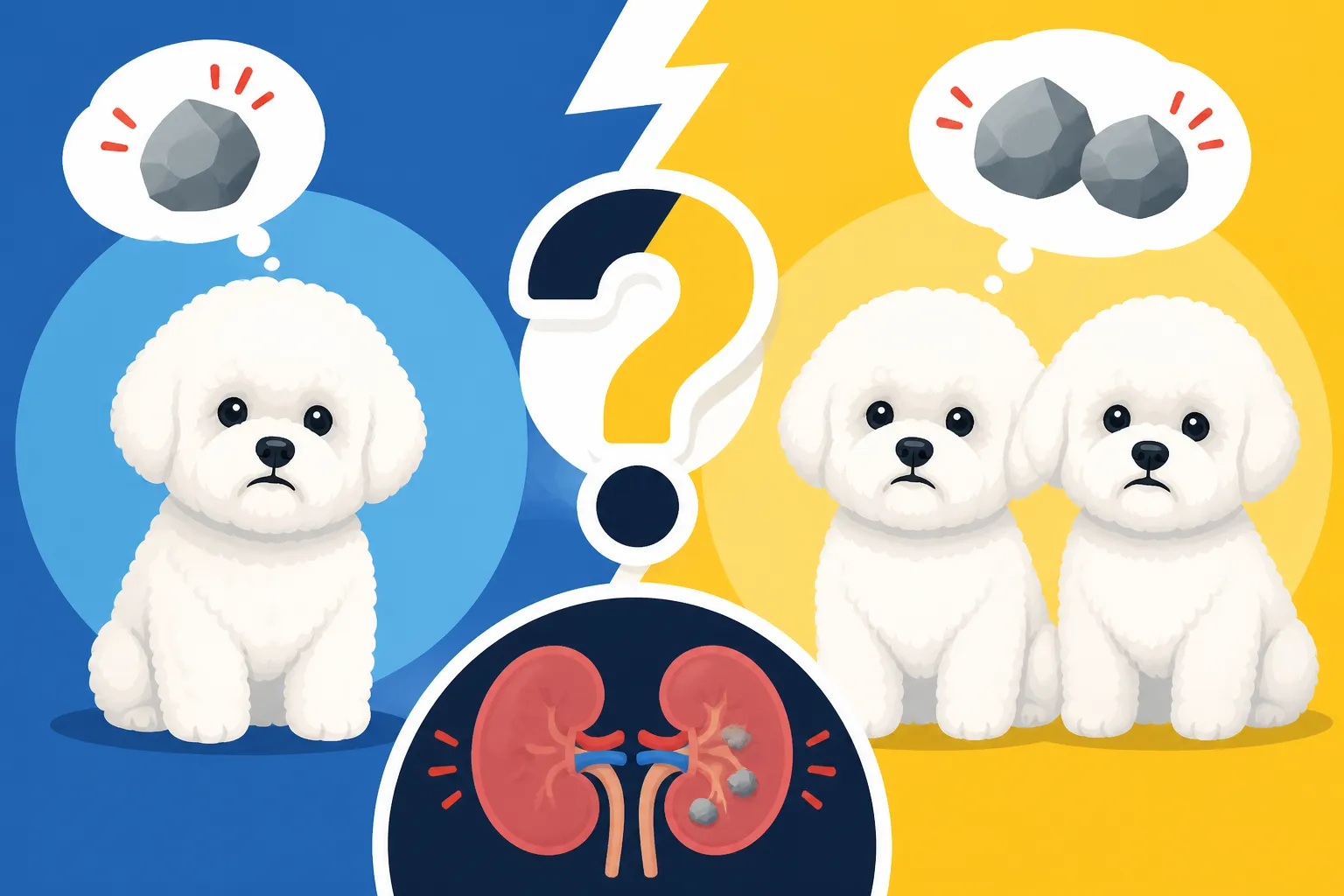
Whether Two Bichon Frises Double the Stone Risk Cost
It's a common dream for many Bichon Frise lovers to have not just one, but two of these fluffy, cheerful companions bouncing around the house. There's so much joy in their playful antics and sweet affection. However, if you've already experienced the stress and financial strain of dealing with bladder stones in one Bichon, the thought of potentially doubling that risk with a second dog can be truly daunting. This guide will delve into whether bringing a second Bichon Frise into your home truly doubles the costs associated with stone risk, and what you can expect financially and practically.
Understanding the Baseline: Stone Costs for One Bichon Frise
Before we can even begin to think about a second Bichon, it's crucial to understand the financial reality of managing stone risk in just one. It's not just a one-time expense; it's an ongoing commitment that can be significant. Many owners are caught off guard by the sheer volume of costs involved, especially when their beloved pet is already experiencing discomfort.
The Inherent Risk Factor
Bichon Frises are, unfortunately, predisposed to developing certain types of bladder stones, particularly calcium oxalate stones. It's a genetic lottery, really, and it can feel incredibly unfair. You might adopt a healthy puppy, do everything right, and still find yourself facing this frustrating health challenge down the line. It's not a matter of if, but often when for many Bichon owners, and that inherent risk factor carries an invisible but heavy weight of worry. This breed tops the list for stone risk, which means we, as owners, need to be extra vigilant and prepared. Why a Bichon Frise Forms Stones Twenty Times as Often is a stark reminder of this predisposition. While not every Bichon will develop stones, the risk is considerably higher than in other breeds, which means budgeting for potential issues is a wise move, even if it feels pessimistic.
For some, the first signs of trouble might be subtle changes in urination, like more frequent potty breaks or straining. Others might notice blood in the urine, which is always a red flag that sends owners into a panic. The journey often starts with a trip to the vet, where bloodwork and urine tests are typically performed. If stones are suspected, imaging like X-rays or ultrasounds become necessary to confirm their presence, size, and location. Each of these steps, from the initial consultation to the specialized diagnostics, adds to the growing bill before any treatment even begins. The First Signs a Bichon Frise Has Stones can be very misleading, often mimicking a simple urinary tract infection, which can delay diagnosis and increase costs.
Initial Diagnosis and Treatment
Once stones are diagnosed, the immediate costs can be substantial. If the stones are causing an obstruction, particularly in a male Bichon, it becomes an emergency situation requiring immediate intervention. This can mean a visit to an emergency veterinary clinic, where costs are naturally higher. For stones that aren't blocking but are too large to pass or are of the calcium oxalate type (which rarely dissolve with diet), surgery is often the only option. This procedure, known as a cystotomy, involves opening the bladder to remove the stones.
The cost of this surgery isn't just the operation itself. It includes pre-surgical bloodwork, anesthesia, the surgeon's fees, post-operative pain medication, and potentially a stay in the hospital for recovery. After the stones are removed, they'll usually be sent off for analysis to determine their exact composition. This analysis is critical because it dictates the preventative measures going forward. Without knowing the type of stone, effective prevention is impossible, making this a non-negotiable expense. How a Vet Confirms Stones in a Bichon Frise will detail the diagnostic journey, and it's rarely cheap.
Post-Surgery Care and Ongoing Prevention
The financial commitment doesn't end with surgery. For most Bichons who've had calcium oxalate stones, a prescription urinary diet becomes a lifelong necessity. This specialized food helps to modify urine pH and reduce the concentration of stone-forming minerals. These diets are typically more expensive than regular commercial dog food, and they require strict adherence. Even a single treat or meal of non-prescription food can undo the delicate balance the diet creates, potentially leading to stone recurrence. Brands like Chewy and Ollie may offer subscription services or wider ranges of specialty foods, but always under veterinary guidance.
Beyond diet, ongoing monitoring is crucial. This often involves regular urine tests to check pH and specific gravity, and periodic imaging (X-rays or ultrasounds) to catch any new stone formation early. These preventative measures, while not as dramatic as emergency surgery, add up over a Bichon's lifetime. The goal is to prevent future stones, which can sometimes feel like a full-time job. Many owners find themselves weighing the annual cost of these preventative measures against the much higher cost of another surgery. The Diet a Bichon Frise Stays On for Life is a key component of this ongoing prevention, and it's a cost you'll face every month.
The Multiplier Effect: Two Bichons, Two Risks?
Now, let's tackle the big question: if you bring a second Bichon Frise into your life, does the stone risk cost truly double? In many ways, yes, it does, and in some, it can even feel like more than double due to shared resources and the potential for simultaneous issues.
Direct Medical Expenses
When it comes to direct medical expenses like surgeries and emergency treatments, the costs for a second Bichon with stones would largely mirror those of the first. If both dogs develop stones, you're essentially looking at two sets of diagnostics, two surgeries, and two recovery periods. Imagine the financial impact if both required surgery in the same year, or even worse, at the same time. While it's unlikely they'd both need the exact same procedure at the same moment, the potential for two major veterinary bills exists, effectively doubling the financial burden of individual stone-related incidents. What One Bichon Frise Stone Surgery Costs and What Three Cost clearly illustrates how rapidly these expenses escalate with repeat occurrences, and having two dogs potentially triples that risk over their lifetimes.
The challenge isn't just the sheer number of treatments, but also the logistics. Managing two dogs recovering from surgery, administering different medications, and trying to keep them calm and separate if necessary can be a huge undertaking. The emotional toll can also be immense, as you worry about two beloved pets. The veterinary bills for diagnosis, surgery, and follow-up care for each dog will be independent, meaning you're paying for essentially two full cases of stone management, should it arise.
Preventative Measures and Supplies
This is where the "doubling" is most evident and constant. If both of your Bichons are on a prescription urinary diet for stone prevention, you'll be buying twice the amount of that specialized, more expensive food. For example, if a bag lasts one dog a month, you'll need two bags per month. You might find yourself placing regular bulk orders through pet supply retailers like Chewy to manage this ongoing need, or exploring options from providers like Ollie if they offer prescription-compatible fresh food options (always confirm with your vet first).
Similarly, if your vet recommends annual urine testing or bladder imaging for both dogs as a preventative measure, you'll be paying for two sets of those tests each year. Everything from special filtered water systems to urine pH testing strips would need to be considered for both. The daily management, like ensuring consistent access to fresh water and frequent potty breaks to dilute urine, also doubles in effort. While some things like a water fountain might be shared, the consumption of resources like food and test kits will be for each individual dog. Whether a Bichon Frise Ever Comes Off the Stone Diet is an important question, as lifelong commitment for two dogs dramatically changes the ongoing budget.
Pet Insurance Considerations
Pet insurance can be a lifesaver, but understanding its role with multiple Bichons and stone risk is critical. If your first Bichon developed stones before you got insurance, that condition would likely be considered pre-existing and excluded from coverage on that dog's policy. If you then get a second Bichon and insure them immediately, any stones they develop in the future should be covered, provided there isn't a waiting period for urinary conditions. However, you'd need a separate policy for each dog.
Many providers, such as Healthy Paws, offer multi-pet discounts, which can certainly help mitigate the overall cost of premiums. However, you're still paying a premium for each dog, and each dog will have its own deductible and annual limits. If both dogs require expensive stone-related treatment in the same policy year, you could hit annual limits on both policies, or pay two separate deductibles. It's essential to read the fine print of any policy to understand what is covered, waiting periods, and how pre-existing conditions are handled for each individual pet. Whether Insurance Still Covers a Bichon Frise's Second Stone often depends entirely on when the policy was enacted relative to the first diagnosis.
Beyond the Bills: Indirect Costs and Management Strategies
The financial cost is only one piece of the puzzle. Having two Bichons with a propensity for stones also comes with significant indirect costs and requires careful management strategies to keep both pets healthy and happy.
Time and Stress Investment
Managing one Bichon Frise with ongoing health needs, especially concerning bladder stones, is a significant time commitment. From preparing special meals, administering medication, monitoring urination habits, and attending regular vet check-ups, it all adds up. With two Bichons, this time commitment can easily feel overwhelming. You might find yourself dedicating a substantial portion of your free time to their care, which could impact your own schedule, hobbies, and social life. The emotional stress of worrying about two pets simultaneously cannot be underestimated.
Imagine the scenario where both dogs need veterinary attention around the same time, perhaps for follow-up bloodwork or imaging. This means coordinating two separate sets of appointments, potentially taking more time off work, and managing the anxiety of seeing both your beloved companions facing health challenges. The mental load of tracking two diets, two medication schedules, and two sets of symptoms is a real, though unquantifiable, cost that many owners experience. This increased burden on your personal resources is a crucial factor to consider.
Lifestyle Adjustments
Having two Bichons, especially two who are prone to stones, necessitates certain lifestyle adjustments. Ensuring both dogs receive adequate hydration is paramount, which might mean strategically placing multiple water bowls around the house, using water fountains, or adding water to their food. Encouraging frequent urination to flush out stone-forming crystals means more frequent potty breaks, which can be challenging for those with busy schedules or who live in apartments. You might find yourself scheduling your day around their bathroom needs even more strictly. Getting Enough Water Into a Bichon Frise becomes twice as important, and twice the effort.
Furthermore, monitoring two dogs for subtle signs of discomfort or changes in urination requires heightened observation skills. Are both dogs drinking enough? Is either of them straining? Are there any changes in urine color or frequency? These are questions you'll be asking yourself constantly, for both pets. This level of vigilance becomes a constant background hum in your daily life, and it's something you need to be prepared for when considering adding a second dog. You might also need to adjust travel plans, as finding pet sitters or boarding facilities equipped to handle two dogs with specific medical diets can be more complex and costly.
Mitigating the Risk for Both
While you can't completely eliminate the genetic predisposition to stones, you can certainly implement shared preventative routines to mitigate the risk for both your Bichons. The cornerstone of prevention for calcium oxalate stones is often the prescription diet, which both dogs would ideally be on. This simplifies mealtime management significantly. Providing abundant fresh water and encouraging drinking is another crucial shared strategy. You could consider a large water fountain that provides continuously circulating, fresh water for both to encourage intake.
Regular exercise, consistent potty breaks, and maintaining a healthy weight for both dogs also contribute to overall urinary tract health. It’s about creating a unified environment that supports the specific needs of the Bichon Frise breed. However, remember that even with the best preventative care, some Bichons will still develop stones. It's about reducing the odds, not eliminating them entirely. Regular veterinary check-ups for both, including annual urine tests and occasional bladder imaging, are also vital shared preventative measures that can catch potential issues early. Whether a Bichon Frise's Stones Can Be Prevented at All often comes down to this meticulous and consistent preventative care.
Financial Planning for a Multi-Bichon Household
Considering the inherent risks and costs, robust financial planning is non-negotiable for a household with two Bichons, especially if you want to ensure you can provide the best care without undue stress.
Budgeting for the Unforeseen
The unpredictable nature of bladder stones means you must budget for unforeseen emergencies. Having an emergency fund specifically for veterinary care is crucial. This fund should be substantial enough to cover at least one major surgery and associated costs, ideally for each dog. Think of it as a dedicated savings account that you hope you never have to touch, but that provides immense peace of mind. Without such a fund, a sudden diagnosis could lead to difficult decisions about your pet's care or force you into debt.
Many financial advisors suggest having several months' worth of living expenses saved, and for pet owners, a separate "vet emergency" fund makes perfect sense. This becomes even more critical with two dogs from a breed known for specific health issues. Regularly contributing to this fund, even small amounts, can build up a significant safety net over time. It's about being proactive rather than reactive when facing potentially high-cost medical events.
Exploring Insurance Options
As discussed, pet insurance is a powerful tool for managing unexpected veterinary expenses. For two Bichons, you'll need two separate policies. When researching, look for companies that offer good coverage for chronic conditions and genetic predispositions common in Bichons, like urinary issues and patellar luxation. Compare annual limits, reimbursement percentages, and deductibles across different providers. Some companies might offer a "wellness plan" add-on that helps with routine preventative care costs, which could be beneficial for covering regular urine tests or specialized food prescriptions.
Remember, insurance doesn't cover pre-existing conditions, so ideally, you'd enroll your second Bichon as early as possible, before any health issues arise. Discussing multi-pet discounts and policy structures with customer service representatives from companies like Healthy Paws can help you find the most comprehensive and cost-effective plans for your particular situation. Getting quotes for both accident-and-illness and accident-only plans can help you understand the range of coverage and cost.
Long-Term Cost Projections
It's helpful to consider the long-term financial commitment. A Bichon Frise can live for The Fourteen to Fifteen Years a Bichon Frise Lives, and each of those years carries potential costs. For two dogs, you're looking at a commitment of 28-30 years of potential care, albeit overlapping. This includes not just stone-related costs, but routine vet visits, grooming, food, and other general expenses.
Consider creating a spreadsheet to project costs for both dogs over their lifetime, factoring in potential stone recurrence, age-related conditions, and the ongoing costs of specialized diets. This can give you a realistic picture of the financial journey ahead. While it might seem overwhelming, proactive planning allows you to enjoy the wonderful companionship of two Bichons without constant financial anxiety.
| Cost Category | Estimated Annual Cost (One Bichon) | Estimated Annual Cost (Two Bichons) | Notes |
|---|---|---|---|
| Routine Vet Check-ups | Moderate | Moderate to High | Two exams, vaccinations, etc. Some clinics offer multi-pet discounts. |
| Prescription Urinary Diet | Moderate to High | High | Specialized food is more expensive per bag, and you'll need double the quantity. |
| Urine Tests/Imaging | Low to Moderate | Moderate to High | Yearly tests/imaging for each dog to monitor for stone recurrence. |
| Emergency/Surgery Fund | High (savings goal) | Very High (savings goal) | Funds for unexpected stone surgery or blockages for each dog. This is a crucial safety net. What a Bichon Frise's Emergency Blockage Costs can be substantial. |
| Pet Insurance Premiums | Moderate | High | Separate policies for each, often with multi-pet discounts but still two full premiums. |
| Medications/Supplements | Variable | Variable | If one or both need ongoing meds for urinary health or other conditions. |
| Total Potential Impact | Significant | Potentially Double/More | The direct medical costs often double, and preventative supplies will certainly double. Indirect costs also increase significantly. |
Ultimately, while the risk of a single stone event is individual to each dog, the cost of managing that risk and treating any resulting issues does largely double with two Bichons. However, the joy they bring, the way they interact with each other, and the love they shower on you can make it all worthwhile for those who are prepared and able to manage the financial and time commitments.
Disclaimer
This article is for general informational purposes only and does not constitute professional advice. Laws, prices and regulations vary by location and change over time. Consult a qualified professional for guidance on your specific situation.