What a Glucose Curve Costs on a Bichon Frise
Discovering your beloved Bichon Frise has diabetes can feel overwhelming, and managing their condition often brings a new layer of worry – the financial aspect. One crucial diagnostic tool your vet will recommend is a glucose curve, and it’s perfectly natural to wonder what this procedure entails and, more importantly, what it might cost. This guide aims to demystify the glucose curve, detailing the factors that influence its price and helping you understand the options available for your furry family member.
Why Your Bichon Frise Needs a Glucose Curve for Diabetes Management
When your veterinarian diagnoses diabetes in your Bichon Frise, it means their body isn't producing enough insulin or isn't using it effectively, leading to high blood sugar levels. Insulin therapy is almost always necessary to manage this condition, but giving insulin isn't a one-size-fits-all solution. Just like people, every dog metabolizes insulin a bit differently, and their response to treatment can fluctuate. This is where the glucose curve comes in as a vital tool.
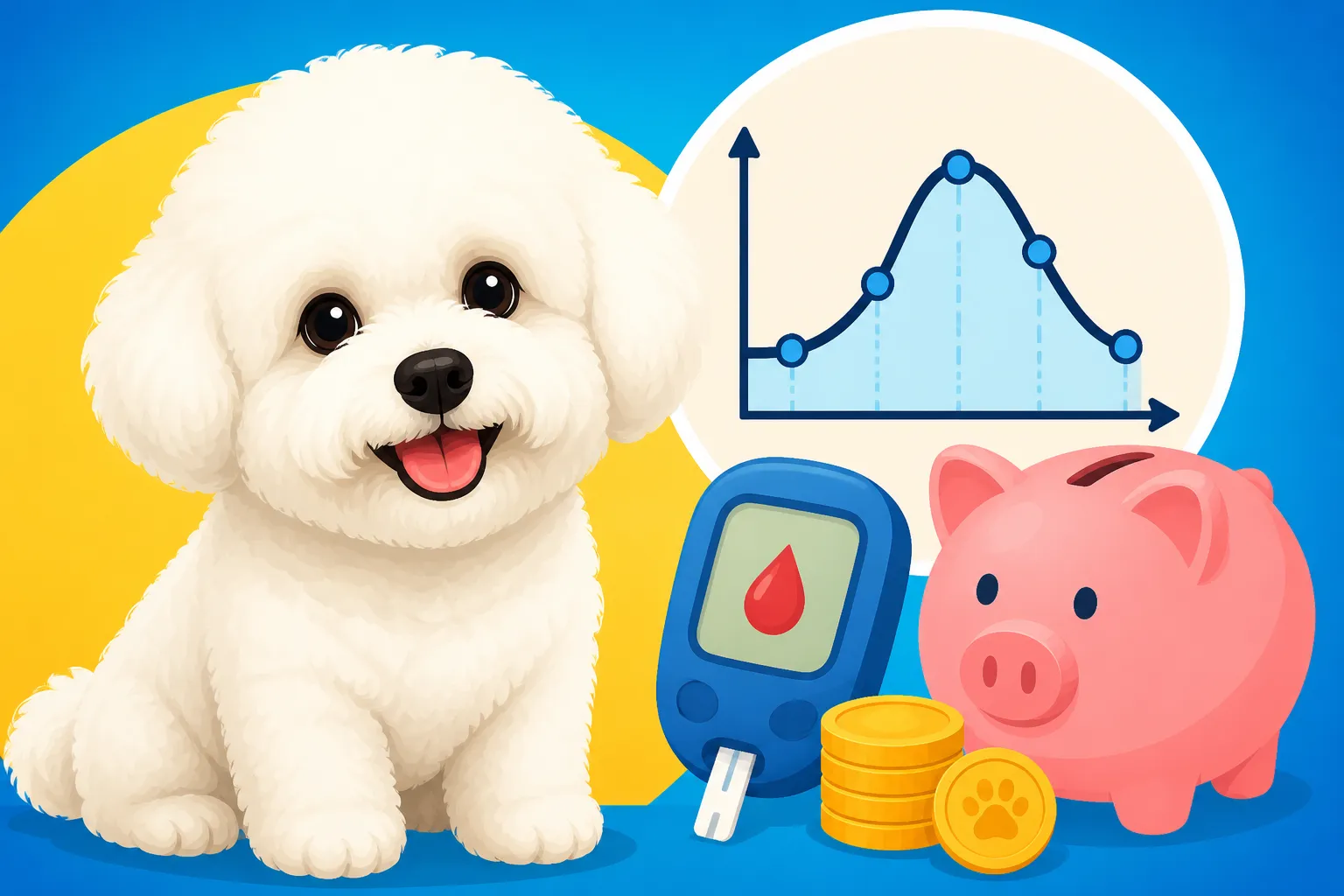
A glucose curve is essentially a day-long blood sugar diary for your Bichon Frise. Over several hours, typically 8 to 12, your vet or you will take small blood samples from your dog at regular intervals – usually every one to two hours. Each sample is then tested for its glucose level. Plotting these readings on a graph creates a "curve" that shows how your dog's blood sugar rises and falls throughout the day in response to their food and insulin dose. This crucial information allows your vet to fine-tune the insulin type, dosage, and timing to ensure your Bichon's blood sugar stays within a safe and therapeutic range, preventing complications and improving their quality of life.
The Purpose of a Glucose Curve
The primary purpose of a glucose curve is to achieve optimal blood sugar regulation for your Bichon Frise. Think of it as tailoring a suit; you wouldn't just guess the measurements, would you? Similarly, without a glucose curve, your vet would be guessing the perfect insulin dose. A well-managed diabetic Bichon Frise is less likely to suffer from severe symptoms, develop long-term complications like cataracts or nerve damage, or experience life-threatening hypoglycemic (low blood sugar) episodes. It helps the vet answer critical questions: Is the current insulin dose effective? Is the insulin lasting long enough? Is the dose too high, potentially causing dangerous drops in blood sugar? Is the dose too low, leaving them with consistently high blood sugar?
Moreover, a glucose curve isn't a one-time event. Your Bichon's needs can change over time due to factors like diet adjustments, weight fluctuations, other health issues, or simply aging. Therefore, your vet will likely recommend repeating glucose curves periodically to ensure the insulin protocol remains effective. It's an ongoing commitment to their health, ensuring they remain as comfortable and energetic as possible, despite their diabetes. If your Bichon Frise is newly diagnosed, understanding Whether a Diabetic Bichon Frise Needs Twice Daily Insulin is a common next step, and the glucose curve directly informs this decision.
Recognizing When a Glucose Curve Is Needed
There are several scenarios where your vet will recommend a glucose curve. Obviously, after an initial diagnosis of diabetes, it’s essential to establish a starting point for insulin therapy. Once insulin has been started, a follow-up curve is usually needed a week or two later to see how well your Bichon is responding and to make any necessary adjustments. This helps to get them properly regulated.
Beyond initial regulation, your vet might suggest a curve if your Bichon Frise shows signs that their diabetes isn't well-controlled. This could include a return of classic symptoms like excessive thirst and urination, unexplained weight loss, or lethargy. Sometimes, even if your dog seems fine, your vet might recommend a routine curve as part of an annual check-up for a diabetic pet, especially as your Bichon gets older or if other health issues arise. Changes in diet, new medications for other conditions, or even stress can all impact blood sugar regulation, prompting the need for a re-evaluation through a glucose curve. It's all part of the continuous care involved in Managing an Insulin Dependent Bichon Frise.
Breaking Down the Costs: What Makes a Glucose Curve Expense Vary?
The cost of a glucose curve for your Bichon Frise can swing quite a bit depending on several factors. There isn't a fixed price tag, and understanding the variables involved can help you anticipate the expense. It's a bit like buying a car; the base model is one price, but all the add-ons and the dealership itself will change the final figure.
The total bill isn't just for the blood tests; it encompasses the time, resources, and expertise involved in monitoring your pet and interpreting the results. When your vet recommends a glucose curve, they're not trying to upsell you; they're recommending a necessary diagnostic to safeguard your Bichon Frise's health.
Veterinary Clinic Fees and Location
One of the biggest factors influencing the cost is simply where you have the curve performed. A general practice veterinary clinic will typically charge less than a specialty or emergency animal hospital. Specialty hospitals often have advanced equipment and highly trained staff, which translates to higher overheads and, subsequently, higher prices for services. Location also plays a significant role; a clinic in a bustling metropolitan area, for example, will generally have higher operating costs than one in a rural setting, and these costs are reflected in their service fees.
The "glucose curve" itself often includes the cost of the multiple blood draws, the blood glucose testing strips or lab analysis, and the veterinarian's time for monitoring your Bichon Frise throughout the day. It also covers the interpretation of the data and the consultation afterward to discuss the results and adjust the insulin protocol. Some clinics might offer a package deal for the entire procedure, while others may itemize each blood draw and test, making the final sum seem different even if the overall cost is similar. Always ask for an itemized estimate upfront so there are no surprises.
Additional Diagnostics and Consultations
Sometimes, a glucose curve isn't the only thing happening that day. Your vet might recommend other diagnostics concurrently, especially if your Bichon Frise has other health concerns or if it’s been a while since their last full check-up. For instance, they might suggest a urinalysis to check for urinary tract infections (which can impact blood sugar) or blood work to assess kidney and liver function, as these organs are often affected by diabetes. These additional tests, while important for a holistic view of your Bichon's health, will add to the overall cost.
Furthermore, the initial consultation and any follow-up consultations to discuss the results of the curve and adjust treatment are separate costs. Your vet will dedicate time to thoroughly explain what the curve reveals, answer your questions, and formulate a revised treatment plan. These consultations are invaluable for ensuring you understand your Bichon's condition and how best to manage it at home. It’s important to remember that the expertise and guidance of your veterinarian are crucial components of your pet's long-term health, especially when dealing with chronic conditions like diabetes which can lead to complications such as Whether a Diabetic Bichon Frise Goes Blind.
Equipment and Supplies
Whether the glucose curve is performed at the vet clinic or at home, there are certain supplies involved. In a clinic setting, the cost is built into the service fee. This includes items like lancets for blood collection, glucometer strips, cotton balls, and any other disposables used. If you opt for at-home monitoring, you'll be responsible for purchasing these items yourself.
You'll need a pet-specific glucometer (or a human one calibrated for pets, which is less ideal but sometimes used), test strips, lancets, and sometimes special treats for distraction during the process. While the upfront cost of purchasing your own glucometer kit might seem like an added expense, it can save you money in the long run if frequent monitoring is required. Many pet owners find a good quality glucometer and strips on online pet supply retailers like Chewy, which can sometimes be more cost-effective than buying directly from the vet clinic, especially for ongoing needs.
In-Clinic vs. At-Home Glucose Curves: A Cost Comparison and Practicalities
When it comes to performing a glucose curve for your Bichon Frise, you generally have two main approaches: having it done at your veterinary clinic or conducting it yourself at home. Both options have their pros and cons, both in terms of cost and practical considerations for you and your furry friend. It's not just about the money; it's also about what creates the least stress for your Bichon.
The In-Clinic Glucose Curve Experience
Having a glucose curve performed at the vet clinic means your Bichon Frise will spend most of the day there. They will receive their morning insulin dose and meal, and then staff will periodically take blood samples throughout the day. The obvious benefit is that medical professionals handle everything, ensuring accuracy and minimizing stress for you. Your vet uses professional equipment, and your dog is in a controlled environment. However, the downside can be the cost, which typically includes facility fees, staff time for monitoring, and the multiple blood tests. For some Bichons, a full day at the vet can also be a source of significant stress and anxiety, potentially impacting their blood glucose levels and skewing the results. A stressful dog can release stress hormones that temporarily elevate blood sugar, making the curve less accurate for their normal daily routine.
| Feature | In-Clinic Glucose Curve | At-Home Glucose Curve |
|---|---|---|
| Cost Factors | Vet consultation, multiple blood draws, lab analysis, staff time, facility fees | Glucometer purchase, test strips, lancets, vet consultation for interpretation |
| Typical Expense | Higher upfront cost per curve | Lower cost per curve once equipment is purchased |
| Stress on Pet | Can be stressful due to unfamiliar environment and separation | Generally less stressful in familiar home surroundings |
| Accuracy | High (professional equipment, skilled staff) | Good (if proper technique is learned and followed) |
| Convenience | Drop off and pick up; hands-off for owner | Requires owner's time and commitment for multiple tests |
| Initial Training | None required for owner | Training by vet/tech required for owner |
| Ideal For | First-time curves, stressed pets at home, complex cases | Ongoing monitoring, owners comfortable with technique, reducing stress for the pet |
The At-Home Glucose Curve Option
More and more vets are encouraging pet owners to learn how to perform at-home glucose curves. This involves you, the owner, administering your Bichon's insulin, feeding them, and then collecting small blood samples yourself at timed intervals throughout the day. These samples are usually taken from a less sensitive area, like an ear vein or lip, using a special lancet and a pet-specific glucometer. The readings are then recorded and shared with your vet for interpretation. The main advantage here is that your Bichon Frise remains in their familiar home environment, reducing stress and potentially yielding more accurate "real-world" glucose readings. It also empowers you to be a more active participant in your pet's health care.
From a cost perspective, the at-home option can often be more budget-friendly in the long run. While there's an initial outlay for the glucometer kit (which you might find at pet supply retailers like Chewy), the cost per curve is significantly lower since you're not paying for repeated veterinary staff time and facility fees. You will still need to pay for vet consultations to discuss the results and adjust treatment, but the intensive monitoring portion is on you. Most vets are happy to teach you the technique, offering demonstrations and support to ensure you're comfortable and confident performing the tests. This can be a wonderful way to actively manage your Diabetes in a Bichon Frise.
Navigating the Financial Aspect of Diabetes Care for Your Bichon Frise
Living with a diabetic Bichon Frise is a long-term commitment, and while a glucose curve is a specific expense, it's part of a larger financial picture. Understanding these ongoing costs and planning for them can help ease the burden and allow you to focus on giving your beloved pet the best possible care.
Managing a chronic condition like diabetes isn't a one-time fix; it involves regular expenses that accumulate over time. Knowing what to expect and how to prepare can make a huge difference in your peace of mind and your Bichon's well-being.
Pet Insurance and Recurring Costs
Pet insurance can be a game-changer when it comes to managing the recurring costs of a chronic condition like diabetes, including glucose curves. However, it's crucial to understand how pet insurance works with pre-existing conditions. Diabetes, once diagnosed, is typically considered a pre-existing condition, meaning many insurance policies won't cover treatment related to it if it was diagnosed before you enrolled or during a waiting period. This is why it's often recommended to insure your Bichon Frise from a young age, ideally before any chronic conditions manifest. If you already have insurance, check your policy carefully regarding chronic conditions and diabetes-related care. Companies like Healthy Paws are known for comprehensive coverage, but policies and what they deem "pre-existing" vary greatly.
Even if diabetes isn't covered, pet insurance can still be invaluable for other unforeseen illnesses or accidents your Bichon Frise might experience, helping to offset veterinary bills that could otherwise strain your budget. Beyond the glucose curve, other recurring costs for a diabetic Bichon include daily insulin (which can be a significant expense, so it’s worth researching What Insulin Costs for a Diabetic Bichon Frise), syringes, prescription diets, and regular vet check-ups. These can quickly add up, making a strong case for early pet insurance enrollment if possible.
Budgeting for Long-Term Diabetes Management
Proactive financial planning is key when you have a diabetic Bichon Frise. Start by talking to your vet about the estimated monthly and annual costs associated with their diabetes management, including the frequency of glucose curves, insulin refills, and prescription food. Create a dedicated budget for these expenses. Setting aside a specific amount each month into a "pet health fund" can create a safety net for routine care and unexpected needs. This aligns with the broader advice on Setting Money Aside for a Bichon Frise's Vet Bills.
Consider generic alternatives for insulin if recommended by your vet, as brand-name versions can sometimes be more expensive. Explore online pharmacies like Chewy or your local human pharmacy for insulin and syringes, as they may offer competitive pricing. Always get your vet's authorization before purchasing medication from an online source to ensure it's appropriate and legitimate. Remember, a well-managed diabetic Bichon Frise can live a long and happy life, making the investment in their care truly worthwhile.
Financial Assistance and Support Resources
If the costs of diabetes management, including glucose curves, feel overwhelming, know that you're not alone and there are resources that might be able to help. Many veterinary clinics are willing to discuss payment plans for significant expenses, so don't hesitate to ask. There are also various charitable organizations and foundations that offer financial assistance for pet owners facing veterinary bills. Programs exist for specific conditions or for owners who meet certain income criteria.
Some veterinary schools offer reduced-cost services as part of their teaching programs, which could be an option depending on your location. Online crowdfunding platforms can also provide a way to seek support from your community or wider networks. It's tough when you're caught between wanting the best for your furry family member and worrying about the cost, but exploring all avenues for financial assistance can make a real difference in ensuring your Bichon Frise receives the care they need without putting an impossible strain on your finances. After all, the goal is to enjoy The Fourteen to Fifteen Years a Bichon Frise Lives with them, without constant financial worry.
Disclaimer
This article is for general informational purposes only and does not constitute professional advice. Laws, prices and regulations vary by location and change over time. Consult a qualified professional for guidance on your specific situation.