The Full Cost of Fifteen Years With a Bichon Frise
Bringing a fluffy, white Bichon Frise into your home is an absolute joy, but many new owners quickly realize that the initial puppy price is just the tip of the iceberg when it comes to the true financial commitment. Over a typical lifespan of 14-15 years, the costs associated with keeping one of these adorable companions can be substantial and often surprise people. This guide aims to provide a realistic, comprehensive breakdown of the long-term expenses, helping you understand the full financial picture of sharing your life with a Bichon Frise for a decade and a half.
The Initial Investment and Early Years
The excitement of bringing home a Bichon Frise puppy is unmatched, but it also marks the beginning of several significant upfront costs. These aren't just about the puppy itself; they include all the essentials needed to get your new family member settled and healthy.
Puppy Purchase Price
The cost of acquiring a Bichon Frise puppy can vary widely, and it's often an early indicator of the dog's future health and your financial journey. A reputable breeder, one who prioritizes health testing and proper care for their breeding dogs and puppies, will naturally have a higher price tag. This isn't just about profit; it covers the extensive health screenings for conditions common in the breed, such as patellar luxation, eye issues, and even some predispositions to bladder stones. These breeders invest in genetic testing and provide early socialization and veterinary care, all of which contribute to a healthier, well-adjusted puppy. You can read more about what to expect from a good breeder in What a Bichon Frise Puppy Costs From a Real Breeder.
On the other hand, you might find puppies advertised at significantly lower prices. While this might seem appealing at first glance, it often comes with hidden risks. These puppies may come from puppy mills or backyard breeders who cut corners on health testing, nutrition, and early veterinary care. This can mean you're unknowingly purchasing a puppy with underlying genetic conditions that will lead to very expensive veterinary bills down the line. It's a common, heartbreaking scenario where a family tries to save a few dollars upfront only to face thousands in medical treatments later.
Initial Supplies and Vet Care
Once you've secured your new Bichon Frise puppy, the shopping list truly begins! There are numerous one-time and recurring costs to establish their comfortable and safe environment. This includes things like a suitable crate, which is invaluable for housetraining and providing a secure den, along with comfy bedding, food and water bowls, a collar, leash, and ID tag. Toys are essential for mental stimulation and proper development, and you'll want a variety of safe, durable options.
Beyond the material possessions, the initial veterinary care is paramount. Your puppy will need a series of vaccinations to protect them from common canine diseases, deworming treatments, and a thorough check-up to ensure they're starting life on the right paw. This is also the time to discuss spaying or neutering, which is a significant, albeit typically one-time, veterinary expense. Some breeders might include the cost of their vet's initial health check in the puppy price, but the ongoing vaccination series and other preventative care will fall to you. It's truly eye-opening to see how quickly these costs add up during that very first year. For a full breakdown of initial year costs, see What a Bichon Frise's First Year Costs.
Ongoing Annual Expenses: The Day-to-Day Realities
Once your Bichon Frise is past the puppy stage, a new set of regular, predictable costs takes over. These are the expenses you'll budget for year after year, forming the backbone of your long-term financial commitment.
Food and Treats
Feeding your Bichon Frise correctly is crucial for their health and can be a significant ongoing expense. High-quality kibble or wet food, appropriate for their size and life stage, is a must. However, many Bichons, unfortunately, require specialized diets due to common breed health issues. For instance, Bichons are prone to forming calcium oxalate bladder stones, which often necessitates a prescription urinary diet for life. This type of specialized food, whether dry or wet, typically costs more than standard over-the-counter options. Many owners find convenience in ordering specialized foods or supplies from online retailers like Chewy, who often carry the prescription diets your vet recommends.
Even without a specific medical condition, some owners opt for premium fresh food services. If you're considering fresh food options, even for a healthy Bichon, services like Ollie offer tailored meal plans that can be a significant investment but provide high-quality nutrition. Treats also factor into this budget. While delightful for training and bonding, you'll need to choose them carefully, especially if your Bichon is on a prescription diet, as even one "wrong" treat can undo the benefits of a carefully chosen food. Understanding The Prescription Diet a Bichon Frise Never Comes Off is vital for long-term planning.
Grooming
The iconic "powder puff" look of a Bichon Frise doesn't happen by accident – it requires consistent and often costly grooming. Their dense, curly, non-shedding coat grows continuously and is prone to matting if not brushed regularly. Most Bichon owners opt for professional grooming every 4-6 weeks to maintain their dog's coat, health, and signature appearance. These appointments typically include bathing, drying, brushing, trimming, nail care, and ear cleaning.
The cost of professional grooming varies by location and the specific services, but it represents a substantial annual expenditure over fifteen years. Some dedicated owners learn to groom their Bichons at home, which can save money on salon visits, but requires a significant upfront investment in clippers, scissors, brushes, dryers, and quality shampoos. Even with home grooming, you'll still have expenses for these tools and products, and it's a time-consuming commitment. Over time, the costs add up, making The Six Week Bichon Frise Groom That Never Stops a major factor in the overall budget.
Routine Veterinary Care
Beyond the initial puppy vaccinations, your Bichon Frise will need annual veterinary check-ups throughout their life. These routine visits are crucial for preventative care, catching potential health issues early, and maintaining overall wellness. During these appointments, your vet will perform a physical exam, update necessary vaccinations (which vary depending on your dog's lifestyle and local regulations), and often recommend annual parasite prevention.
Monthly medications for flea, tick, and heartworm prevention are essential in most climates and are an ongoing cost that adds up over a year. As your Bichon ages, these routine visits might become more frequent, or include additional screenings like blood work or urinalysis to monitor organ function. These preventative measures, while seemingly small individually, collectively safeguard your Bichon's health and can prevent more serious, costly issues down the road. Understanding What a Bichon Frise's Yearly Vet Bill Looks Like helps you prepare.
Managing Health Challenges: Unexpected Costs Over a Lifetime
While routine care covers a lot, Bichons are unfortunately prone to certain breed-specific health issues that can lead to significant and often unexpected veterinary expenses throughout their lives. Being prepared for these possibilities is a crucial part of responsible ownership.
Common Bichon Health Issues
Bichon Frises, despite their cheerful demeanor, are predisposed to several health conditions that can dramatically increase their lifetime cost of care. One of the most common and expensive is the formation of bladder stones, particularly calcium oxalate stones. These often require surgical removal, and many Bichons experience recurrences, sometimes needing multiple surgeries over their lifetime. This makes understanding Why a Bichon Frise Forms Stones Twenty Times as Often incredibly important. Managing this condition also means a lifelong prescription diet, as discussed earlier.
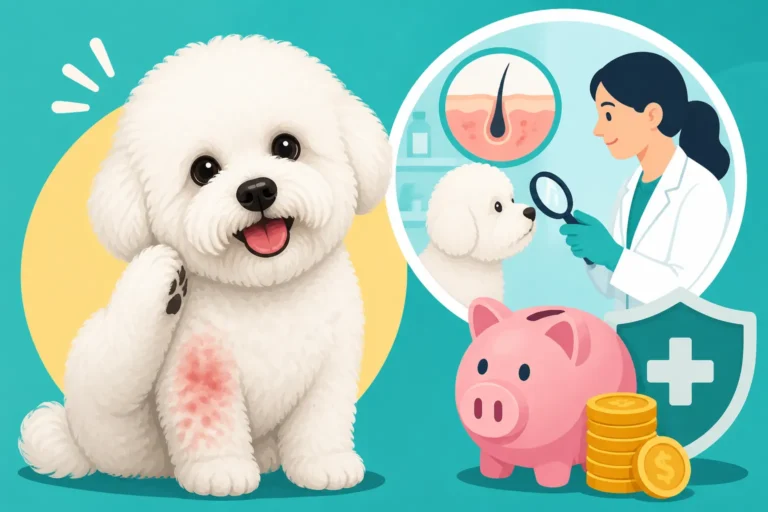
Another prevalent issue is allergies, often manifesting as atopic dermatitis, which can lead to chronic itching, skin infections, and ear problems. Treating these allergies can involve ongoing medications, specialized shampoos, and frequent vet visits, costing hundreds, sometimes thousands, annually. You can learn more in The Atopic Skin a Bichon Frise Is Born With. Other concerns include luxating patellas (slipping kneecaps), which may require surgical correction, and endocrine disorders like Cushing's disease, particularly as they age. Treating Cushing's Disease in a Bichon Frise Past Seven involves costly medications and frequent monitoring. These conditions are not just isolated incidents; they can become chronic management situations.
Pet Insurance and Emergency Funds
Given the potential for significant health expenditures, many Bichon Frise owners consider pet insurance. Pet insurance policies are designed to help cushion the financial blow of unexpected accidents, illnesses, and some chronic conditions. A good policy can cover a substantial portion of veterinary bills for surgeries, medications, diagnostics, and emergency care. This is where pet insurance, from providers like Healthy Paws, can really shine, helping to cushion the blow of unforeseen veterinary expenses. When considering insurance, it's vital to read the fine print, especially regarding pre-existing conditions and annual limits. Whether Insurance Still Covers a Bichon Frise's Second Stone is a prime example of a detail you'll want to clarify with any provider.
For those who opt not to carry pet insurance, establishing a dedicated emergency fund for your Bichon is highly recommended. This could be a savings account with several thousand dollars earmarked solely for veterinary emergencies or unforeseen health issues. This fund acts as a financial safety net, allowing you to make medical decisions based on what's best for your beloved pet, rather than solely on your immediate ability to pay.
Senior Care
As your Bichon Frise enters their golden years, typically around age 10-11, their care needs often increase, and with them, the associated costs. Just like humans, senior dogs are more susceptible to age-related conditions such as arthritis, dental disease, cognitive dysfunction, heart murmurs, and various forms of cancer. Managing arthritis might involve joint supplements, pain medications, or even physical therapy. Dental cleanings often become more frequent to prevent painful infections. Caring for a Bichon Frise Past Eleven often means more regular veterinary visits, specialized senior diets that support aging organs, and sometimes even adjustments to your home to accommodate mobility issues.
The goal during these years is to maintain their quality of life, which often requires a more proactive and intensive approach to veterinary care. These costs, while sometimes challenging, are a testament to the strong bond you've built over the years and the commitment you make to your senior companion.
The Grand Total: What Fifteen Years Truly Adds Up To
When you add up all the individual components – from the initial puppy purchase to ongoing maintenance and potential emergency health crises – the full financial scope of owning a Bichon Frise for fifteen years becomes clear. It's a significant investment, but one that brings immeasurable joy and companionship.
Estimating Lifetime Costs
To give you a clearer picture, let's look at the different categories of costs over a typical 15-year lifespan for a Bichon Frise. Remember, these are broad estimates, and individual experiences will vary greatly based on factors like where you live, your dog's specific health needs, and your choices regarding food and grooming.
| Category | Estimated Costs Over 15 Years | Breakdown |
|---|---|---|
| Initial Purchase & Setup | Moderate – Significant | Puppy price (from reputable breeder), crate, bed, bowls, collar, leash, initial toys, first vet visit, vaccinations, spay/neuter. |
| Annual Routine Care | Substantial | High-quality food (potentially prescription), treats, regular grooming (every 4-6 weeks), annual vet exams, vaccinations, parasite prevention. |
| Health & Emergency Buffer | Variable – Potentially High | Costs for managing chronic conditions (stones, allergies, Cushing's), emergency vet visits, surgeries (patella, stone removal), dental care. Can be mitigated by pet insurance. |
| Miscellaneous & Senior Care | Moderate – Substantial | Training classes, boarding/pet sitting, toys, replacement items, senior supplements, increased vet care in later years. |
When you consider the full spectrum, the total financial commitment to a Bichon Frise over fifteen years can easily reach tens of thousands of dollars. This figure includes everything from the smallest bag of treats to complex surgical procedures. It highlights that owning a Bichon is not just an emotional commitment but a serious financial one.
Financial Planning for Your Bichon's Future
Understanding these costs upfront is the first step in responsible pet ownership. It allows you to plan and budget effectively, ensuring you can provide the best possible care for your Bichon Frise throughout their life.
One of the most effective strategies is to set up a dedicated pet savings account. This isn't just for emergencies, though that's a primary benefit; it can also help you save for regular expenses like grooming or annual vet visits. Automating a small transfer into this account each payday can make a big difference over time. Another approach is to carefully research pet insurance options early on, ideally when your Bichon is still a puppy. Review policy details, particularly exclusions and coverage limits, to find a plan that aligns with your potential needs and budget. Remember, insurance typically doesn't cover pre-existing conditions, so getting it early is key. For more on preparing for these costs, consider Setting Money Aside for a Bichon Frise's Vet Bills.
Ultimately, the cost of a Bichon Frise is an investment in a loving companion who will bring immense joy and laughter into your home for many years. While the numbers might seem daunting, knowing what to expect allows you to embrace the journey with confidence and provide the best possible life for your furry family member.
Disclaimer
This article is for general informational purposes only and does not constitute professional advice. Laws, prices and regulations vary by location and change over time. Consult a qualified professional for guidance on your specific situation.