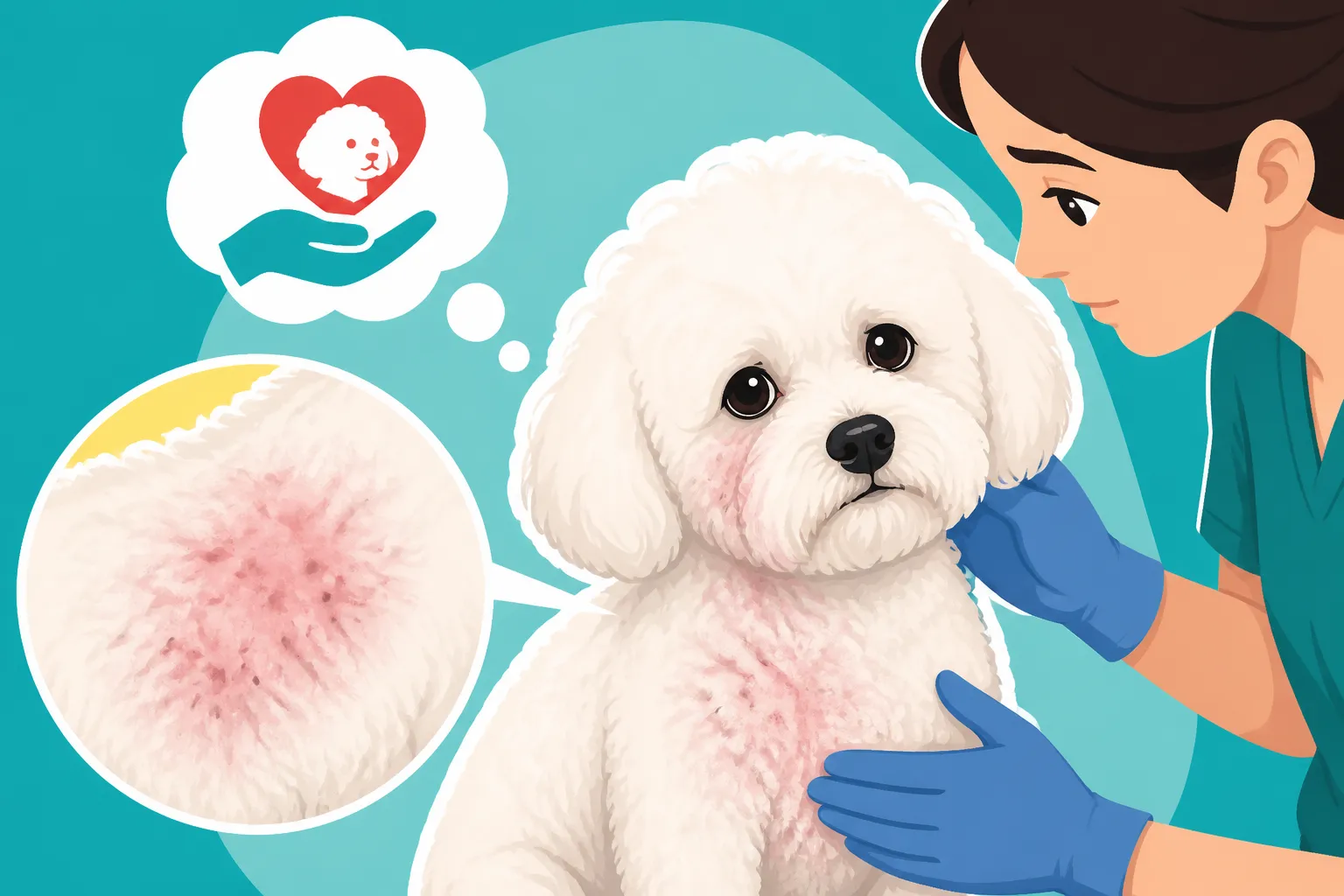
Whether a Rescue Bichon Frise Has Untreated Skin
Bringing a rescue Bichon Frise into your home is a truly heartwarming experience, full of anticipation and joy. However, it's also common for these sweet, curly-haired companions to arrive with a few hidden challenges, and one of the most frequent — and often frustrating — is untreated skin conditions. This guide will walk you through why rescue Bichons often suffer from skin issues, how to identify them, and what steps you can take to provide the comfortable, healthy life they deserve.
Why Untreated Skin Issues Are Common in Rescue Bichons
It's a sad reality that many rescue dogs come from backgrounds where their basic needs weren't consistently met, or where their previous owners simply couldn't afford or manage the necessary care. For a breed like the Bichon Frise, known for its dense, perpetually growing coat and propensity for certain health conditions, this often translates directly into skin problems. When you adopt a rescue, you’re not just getting a dog; you’re often taking on a history of potential neglect or oversight.
The Impact of Previous Environments and Nutrition
Think about a Bichon living in a stressful environment, perhaps a puppy mill, a crowded shelter, or a home where they were overlooked. Stress itself can weaken a dog's immune system, making them more susceptible to skin infections and flare-ups of underlying conditions. A lack of proper nutrition, which is unfortunately common in these situations, also plays a huge role. Cheap, low-quality food can lead to deficiencies in essential fatty acids and other nutrients vital for healthy skin and a robust coat. This can manifest as dull, flaky skin, poor coat quality, and increased itching.
Beyond diet, inadequate grooming is a massive contributor. A Bichon's non-shedding coat mats easily if not brushed regularly, at least every other day, and professionally groomed every 6-8 weeks. When mats form, they pull on the skin, creating irritation, restricting air circulation, and trapping moisture, which becomes a perfect breeding ground for bacteria and yeast. A matted coat can hide a multitude of painful skin issues underneath, often going unnoticed until the dog is shaved down. You might find a rescue arrives matted, and the state of their skin underneath can be quite a shock.
Overlooked Health Concerns Before Rescue
Sometimes, it’s not outright neglect but simply a lack of awareness or resources on the part of previous owners. Many Bichons are predisposed to allergies, which often manifest as skin problems. Without proper diagnosis and ongoing treatment, these allergies can spiral out of control. An owner might not realize that a dog's constant itching, licking, and chewing are signs of a medical condition rather than just a bad habit.
Furthermore, some health issues like hypothyroidism or Cushing's disease can also cause skin and coat changes, making a dog's skin fragile, prone to infections, or leading to hair loss. If these underlying conditions were never diagnosed or treated, the skin issues would naturally persist and worsen. The rescue organization might do their best to provide initial care, but chronic skin problems require consistent, long-term management that they may not have the capacity for before adoption. This is why it's so important for new owners to be diligent.
Common Untreated Skin Conditions You Might Encounter
The Bichon Frise, with its beautiful white coat, is unfortunately prone to a few specific skin challenges that, if left untreated, can make life quite miserable for them. Recognizing these can help you better understand what your new rescue might be facing.
Atopic Dermatitis and Environmental Allergies
One of the most common culprits for persistent itching in Bichons is atopic dermatitis, essentially environmental allergies. Just like people, dogs can be allergic to pollen, dust mites, mold spores, and even certain grasses. For Bichons with The Atopic Skin a Bichon Frise Is Born With, these allergens cause intense itching, redness, and inflammation. The areas most commonly affected are the paws (they'll lick them raw), ears (leading to recurrent infections), muzzle, armpits, and groin.
When these allergies go untreated, the constant scratching and licking break the skin barrier, allowing secondary bacterial and yeast infections to take hold. This turns a simple itch into a painful, smelly, and chronic problem. You might notice your rescue Bichon has brownish-red staining on their paws or around their mouth from saliva, which indicates excessive licking. The skin itself might appear thickened, darkened, and elephant-like in severely affected areas. Understanding What Atopic Dermatitis Does to a Bichon Frise is crucial for addressing it effectively.
Food Allergies and Sensitivities
While less common than environmental allergies, food allergies can also cause significant skin irritation in Bichons. The frustrating part is that the symptoms often look very similar to environmental allergies, making diagnosis tricky. Common culprits include proteins like chicken, beef, dairy, or wheat. If your rescue Bichon has been on an inconsistent or low-quality diet, or if their previous owners didn't realize food could be the cause of their scratching, these issues might be completely untreated.
The good news is that food allergies are entirely manageable once identified, usually through a strict elimination diet under veterinary guidance. However, before that diagnosis, your rescue might have suffered for a long time with itchy skin, ear infections, and gastrointestinal upset. It's an area worth investigating, especially if other treatments don't yield full relief, as determining Whether a Bichon Frise's Itching Is Food or Pollen is key to a long-term solution.
Bacterial and Yeast Infections
Untreated allergies or poor grooming inevitably lead to secondary infections. The skin of an itchy dog is constantly traumatized by scratching and biting, creating tiny breaks that allow bacteria and yeast (which are normally present on the skin in small numbers) to overgrow.
- Bacterial infections (pyoderma): These often appear as red bumps, pustules, scabs, and hair loss. They can be incredibly itchy and painful. The skin might feel greasy or develop a foul odor.
- Yeast infections (Malassezia dermatitis): Yeast infections typically result in greasy, flaky skin, a strong, musty odor, and intense itching. The skin can become thickened and discolored, often a brownish-red. The ears are a very common site for yeast infections.
Both types of infections require specific medications, often antibiotics or antifungals, either orally or topically. Without treatment, they become chronic, leading to discomfort and a cycle of itching and infection that's very hard to break. This is why a thorough vet examination is essential as soon as you bring your rescue home.
Other Skin Concerns: Dry Skin, Fleas, and Mites
Sometimes, the issues are simpler but still untreated. Dry skin can be caused by low humidity, harsh shampoos, or nutritional deficiencies. While not as severe as allergies, it still causes discomfort and flakiness. Fleas are a perennial problem, and a rescue dog might arrive with an infestation that has caused intense itching and flea allergy dermatitis. Even a single flea bite can trigger a massive allergic reaction in a sensitive Bichon.
Mites, such as sarcoptic mange (scabies) or demodectic mange, are less common but can cause severe itching, hair loss, and skin crusting. Sarcoptic mange is highly contagious to other pets and even humans, making immediate diagnosis and treatment critical. While rescue organizations usually treat for fleas and often test for mites, sometimes things can be missed or only partially resolved before adoption.
Assessing and Treating Your Rescue Bichon's Skin
Bringing a rescue Bichon Frise home is a wonderful milestone, but it also signals the start of your detective work. Their past may be a mystery, but their present health is now your priority. Getting a handle on their skin condition quickly can prevent a lot of discomfort and long-term issues.
The Initial Vet Check-Up: Your First Line of Defense
As soon as you can after bringing your rescue home, schedule a full veterinary check-up. Be prepared to discuss any observations you’ve made about their scratching, licking, or general skin appearance. Your vet will perform a thorough physical exam, looking closely at their skin, coat, and ears. This isn’t just a quick peek; they'll often part the fur, feel for lumps or bumps, and check the condition of their paw pads and between their toes.
If there are obvious signs of skin issues, your vet will likely recommend diagnostic tests. These might include skin scrapes to look for mites, cytology (taking a sample from the skin with tape or a swab and examining it under a microscope) to identify bacteria or yeast, and possibly blood tests to check for underlying conditions like thyroid imbalances. Don’t be surprised if your vet recommends taking samples for a fungal culture if ringworm is suspected, especially if there are circular patches of hair loss. These initial steps are crucial for accurate diagnosis and How a Vet Confirms Stones in a Bichon Frise (though this link is about stones, the diagnostic process of collecting samples and testing is similar for skin).
Developing a Treatment Plan with Your Veterinarian
Once a diagnosis is made, your vet will work with you to create a tailored treatment plan. This might involve a combination of approaches:
- Medications: For bacterial infections, antibiotics are usually prescribed, while yeast infections require antifungal medications. For severe itching and inflammation associated with allergies, your vet might recommend anti-itch medications. Options range from corticosteroids for acute flare-ups to newer medications like Apoquel or Cytopoint, which specifically target the itch pathway with fewer side effects. Discussing What Allergy Medication Costs a Bichon Frise Owner will be part of this conversation, as these medications can be an ongoing expense.
- Topical Treatments: Medicated shampoos, conditioners, and sprays are incredibly useful for managing skin infections and soothing irritated skin. Products containing ingredients like chlorhexidine (antibacterial), miconazole (antifungal), or colloidal oatmeal (soothing) can make a huge difference. You might find you'll be Washing a Bichon Frise Whose Skin Is Inflamed quite regularly at first. You can often find a good selection of these on reputable online pet suppliers like Chewy.
- Dietary Changes: If food allergies are suspected, your vet will guide you through an elimination diet, which typically involves feeding a novel protein or hydrolyzed protein diet for several weeks to see if symptoms improve. Sometimes, even without a diagnosed allergy, a high-quality, balanced diet rich in omega-3 fatty acids can support overall skin health. Brands like Ollie, known for fresh, human-grade ingredients, might be a good option to discuss with your vet if dietary sensitivities are a concern, as they often offer easily digestible recipes that can be beneficial for sensitive dogs.
- Supplements: Omega-3 fatty acid supplements (fish oil) can help reduce inflammation and improve skin barrier function. Probiotics might also be recommended to support gut health, which has a surprising connection to skin health.
Long-Term Management and Prevention
Treating the immediate problem is only part of the journey; long-term management is key for a Bichon Frise, especially one predisposed to skin issues.
- Consistent Grooming: Regular brushing (daily or every other day) is non-negotiable to prevent matting. Schedule professional grooms every 6-8 weeks, making sure to communicate any skin sensitivities to your groomer. This regular maintenance helps prevent mats that can cause skin irritation and hide new problems.
- Environmental Control: If environmental allergies are a factor, consider using air purifiers in your home, regular vacuuming, and wiping down your dog's paws after outdoor excursions to remove pollen.
- Flea and Tick Prevention: Year-round flea and tick prevention is crucial, even if you don't see any pests. A single flea bite can trigger intense itching in an allergic dog.
- Regular Vet Check-ups: Ongoing communication with your vet is vital. Follow their recommendations for follow-up appointments, especially during the initial treatment phase, to ensure the skin is healing and the chosen plan is effective. This also ensures you stay on top of conditions that might require yearly monitoring, such as Whether a Bichon Frise Needs Urine pH Monitored (again, a link about stones, but the principle of ongoing monitoring applies).
It's also worth considering pet insurance, particularly for a rescue dog whose full medical history might be unknown. Providers like Healthy Paws can help cover the costs of diagnostics, medications, and ongoing treatments for chronic skin conditions, providing peace of mind and ensuring you can always afford the best care for your furry friend.
Cost Implications of Treating Skin Conditions
Let's be realistic: managing chronic skin conditions in a Bichon Frise can be a significant financial commitment. It's not just the initial vet visit and diagnostics; it's the ongoing medications, special foods, and regular grooming that add up. Understanding these costs upfront helps you budget and prepare for the long haul, because when you adopt a rescue, you're taking on their well-being for life.
Initial Diagnostic and Treatment Costs
When you first bring your rescue Bichon Frise to the vet with a suspected skin issue, the initial costs can include:
- Veterinary Consultation: The fee for the examination itself.
- Diagnostic Tests: Skin scrapes, cytology, blood tests, and potentially allergy testing. These tests are essential to pinpoint the exact cause of the problem. For example, a full allergy panel can be a considerable expense but provides invaluable information about specific environmental triggers.
- Initial Medications: This could involve antibiotics, antifungals, anti-inflammatory drugs, or topical creams and shampoos to get the acute flare-up under control.
These initial expenses can vary widely based on your location and the complexity of the case. It’s not uncommon for the first few weeks of diagnostics and treatment for a stubborn skin issue to run into several hundreds of dollars. For owners who were hoping for a "cheap" rescue dog, this can be a real shock and lead to difficult decisions if not prepared.
Ongoing Management: Medications, Food, and Grooming
Once the initial crisis is managed, the focus shifts to long-term control. This is where the recurring costs become apparent.
- Prescription Medications: Many Bichons with chronic allergies will require ongoing medication. Whether it's daily oral medication or periodic injections, these costs are monthly or bi-monthly. What Allergy Medication Costs a Bichon Frise Owner can be substantial over a year, especially for newer, targeted therapies. These aren't just one-off purchases; they're continuous.
- Specialized Diets: If your Bichon has food sensitivities or allergies, they might need to be on a prescription hydrolyzed protein or novel protein diet for life. These specialized foods almost always cost more than standard kibble. Finding a brand your dog likes and that helps their skin can be a journey, and you might consider services like Chewy for regular delivery to help manage the supply, or fresh food options like Ollie that cater to specific dietary needs.
- Medicated Shampoos and Conditioners: For dogs prone to skin infections or allergies, regular medicated baths are often part of the routine. These specialized shampoos cost more than generic dog shampoos and need to be used consistently, sometimes weekly or bi-weekly. Which Shampoo Suits an Itchy Bichon Frise will be determined by your vet.
- Professional Grooming: A Bichon Frise needs regular professional grooming, typically every 6-8 weeks, to prevent matting and maintain skin health. If the skin is particularly sensitive or prone to matting due to past neglect, the groomer might need to spend more time or use special techniques, which can increase the cost of each visit. What a Full Bichon Frise Groom Costs factors into the long-term budget.
The Value of Pet Insurance
Given the potential for high and ongoing veterinary expenses associated with chronic conditions like skin allergies and infections, pet insurance can be a game-changer. While many policies won't cover pre-existing conditions (meaning a skin issue diagnosed before you get the policy), it's still worth investigating. If your rescue's skin issues are thoroughly diagnosed after you enroll in a plan, future related treatments might be covered.
Companies like Healthy Paws offer comprehensive plans that can help reimburse a significant portion of unexpected vet bills, from diagnostics to prescriptions and even specialized diets if deemed medically necessary. It offers a crucial safety net, allowing you to focus on your Bichon's health rather than worrying about the bill. What Insuring a Bichon Frise Runs Monthly will vary, but it's a worthwhile investment, especially for a breed with known health predispositions and for a rescue dog whose past care is uncertain.
Ultimately, adopting a rescue Bichon Frise with untreated skin issues means committing to their health journey. It requires patience, consistency, and a willingness to invest in their well-being. But the reward—a happy, comfortable, and loving companion—is truly priceless.
Disclaimer
This article is for general informational purposes only and does not constitute professional advice. Laws, prices and regulations vary by location and change over time. Consult a qualified professional for guidance on your specific situation.