How a Vet Confirms Stones in a Bichon Frise
There's nothing quite like the panic that sets in when you notice something isn't right with your beloved Bichon Frise. Maybe they're suddenly having accidents indoors, straining to pee, or worse, you've spotted an alarming reddish tint in their urine. These are incredibly worrying signs, and for Bichon Frise owners, bladder stones are often the first thing that comes to mind, and for good reason—this breed is particularly prone to them. This comprehensive guide will walk you through exactly how your veterinarian goes about confirming bladder stones in your Bichon Frise, so you're prepared for every step of the diagnostic journey.
Recognizing the Early Warning Signs of Bladder Stones
Before you even step foot in the vet's office, you're usually the first to notice that something is amiss with your furry companion. Your vigilant observations are crucial, as they provide your vet with vital clues that kickstart the diagnostic process. Knowing what to look for can also help you understand the urgency of getting your Bichon Frise checked out promptly.
Behavioral Changes to Look Out For
One of the most common and distressing signs of bladder stones is a sudden shift in your Bichon's potty habits. If your perfectly housetrained dog starts having accidents inside, it's rarely just "bad behavior." Instead, it often points to an underlying medical issue, and bladder stones are high on that list. You might notice they need to urinate much more frequently than usual, sometimes squatting multiple times without producing much urine, which is known as pollakiuria. This isn't them being defiant; it's a desperate attempt to relieve discomfort.
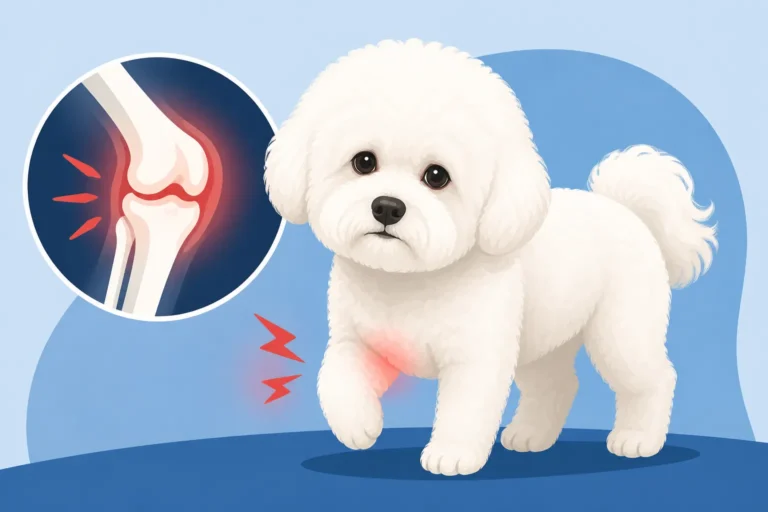
Even more concerning is straining to urinate, or stranguria. Owners often mistake this for constipation because the posture can look similar, but it's vital to differentiate between the two. If your Bichon is struggling to pass urine, especially if they are making crying noises or seem in distress, it's a serious red flag. This straining can indicate an obstruction, and as we often discuss, whether a straining Bichon Frise is an emergency cannot be overstated. A complete blockage is life-threatening and requires immediate veterinary attention. Beyond the obvious bathroom issues, your Bichon might also start licking their genital area excessively in an attempt to soothe the irritation caused by the stones or associated inflammation. You might also notice a general lethargy or reluctance to play, as the discomfort can make them feel unwell, or they might seem restless, unable to find a comfortable spot to lie down.
Visual Cues in Urine
Sometimes, the most alarming sign is what you actually see in their urine. The presence of blood in the urine, known as hematuria, is a strong indicator of irritation or damage to the lining of the bladder or urinary tract. This can manifest as anything from a faint pink tinge to a rusty, dark red color. Many owners immediately wonder, "whether blood in a Bichon Frise's urine means stones," and while it can be caused by other issues like urinary tract infections or even tumors, stones are certainly a primary suspect, especially in a Bichon.
Beyond blood, you might observe other changes in the urine's appearance. It could appear cloudy or murky, rather than clear, which often suggests the presence of inflammatory cells, bacteria, or a high concentration of minerals. A foul or unusually strong odor is another tell-tale sign, frequently accompanying a bacterial urinary tract infection that can either cause or result from bladder stones. It's also common to see your Bichon urinate in very small, frequent amounts, or you might notice a weak or dribbling stream, which further supports the idea of an obstruction or irritation within the urinary tract.
Your Vet Visit: What to Expect
Once you've noticed these concerning signs, getting your Bichon Frise to the veterinarian is the most critical next step. Your vet visit won't just be a quick look-over; it's a systematic process to gather information and begin ruling out or confirming potential diagnoses. They'll combine your observations with their clinical expertise and diagnostic tools to get to the bottom of what's bothering your pup.
The Initial Physical Examination
When you arrive at the clinic, your veterinarian will start with a thorough physical examination. This is more than just a routine check-up; they'll be specifically looking for signs related to urinary tract issues. A gentle but firm palpation of your Bichon's abdomen will allow the vet to feel their bladder. If it's distended, hard, or painful when touched, it can suggest a blockage or severe inflammation. They'll also be assessing for any signs of discomfort or pain during this process.
Beyond the bladder, the vet will check your Bichon's overall body condition, hydration status, temperature, and heart rate. They'll observe their demeanor – are they bright and alert, or lethargic and withdrawn? These general health indicators, while not directly diagnostic for stones, provide a crucial picture of your dog's overall well-being and how severely they might be affected by their symptoms. For instance, a very painful, distended bladder coupled with lethargy would signal a much more critical situation than milder symptoms.
Discussing Your Bichon's History
One of the most valuable resources your vet has is you. Your detailed account of your Bichon's symptoms, their onset, and progression is incredibly important. Be prepared to answer questions about when you first noticed the signs, how frequently they occur, their severity, and any changes you've observed in your Bichon's eating, drinking, or general behavior. The vet will likely ask about your Bichon's diet, as certain dietary factors can predispose dogs to stone formation. It’s also crucial to mention any previous urinary issues or treatments your Bichon has had, as this provides a valuable history.
Because Bichon Frises have a known genetic predisposition to bladder stones, particularly calcium oxalate stones, your vet might also ask about your dog's lineage or any known history of stones in their close relatives. While "whether a Bichon Frise's stone risk is inherited" is a question often on owners' minds, providing any known family history, if you have it from your breeder, can help the vet understand the potential genetic component at play. The more comprehensive information you can provide, the better equipped your veterinarian will be to piece together the puzzle and decide on the most appropriate diagnostic steps.
Diagnostic Tools: Peeking Inside Your Bichon Frise
Once your vet has gathered all the preliminary information from your physical exam and history, it's time to bring out the diagnostic heavy hitters. These tests are essential for confirming the presence of stones, determining their size and location, and identifying any underlying issues like infection.
Urinalysis: More Than Just a Pee Test
A urinalysis is a fundamental diagnostic tool when investigating urinary issues, and it’s often one of the first tests performed. This isn't just about collecting a sample; how the sample is collected can significantly impact the accuracy of the results. While a "free catch" sample (where you collect urine as your dog pees) can provide some information, the gold standard is a cystocentesis. This procedure involves your vet using a sterile needle to collect urine directly from the bladder, minimizing external contamination and giving the most accurate picture of what's going on inside. You might wonder "whether a Bichon Frise should be urine tested yearly," and in many cases, especially for prone breeds, it's a fantastic preventative measure.
The urinalysis provides a wealth of information. The vet will check the urine's pH level, which can offer clues about the type of stones, as some stones form in acidic urine while others prefer alkaline. They'll also look at specific gravity, which tells them how concentrated or diluted the urine is – a key factor in stone formation. Most importantly, the sample will be examined under a microscope for the presence of red blood cells (confirming hematuria), white blood cells (indicating infection), bacteria, protein, and crucial to our discussion, crystals. While the presence of crystals doesn't definitively mean stones are present, seeing a high number of certain types of crystals, such as calcium oxalate or struvite, is a strong indicator of a predisposition to stone formation or that stones are already forming. If an infection is suspected, a urine culture and sensitivity test will also be run to identify the specific bacteria and determine which antibiotics will be most effective.
X-rays: The First Visual Clue
After a urinalysis, X-rays (radiographs) are typically the next step in confirming bladder stones. This is often the primary way "how a vet confirms stones in a Bichon Frise" visually. The reason X-rays are so useful is that most common types of bladder stones, such as calcium oxalate and struvite stones, are "radiopaque." This means they show up as distinct white or light-colored objects on the X-ray film, clearly contrasting with the soft tissues of the bladder. The vet can see not only if stones are present but also their approximate size, shape, and number.
However, X-rays aren't foolproof. Some less common types of stones, like urate or cystine stones, are "radiolucent," meaning they don't show up on standard X-rays. They're invisible to the X-ray beam, just like soft tissue. Additionally, very small stones might be missed, or they could be obscured by overlying bone structures or intestinal gas, making their detection challenging. Despite these limitations, X-rays remain an invaluable first line of imaging because they are relatively quick, non-invasive (other than perhaps needing sedation for a wiggly dog), and cost-effective. It's also why, for breeds prone to stones, "whether a Bichon Frise should be X rayed yearly" is a preventative measure many vets recommend.
Ultrasound: A Deeper Look
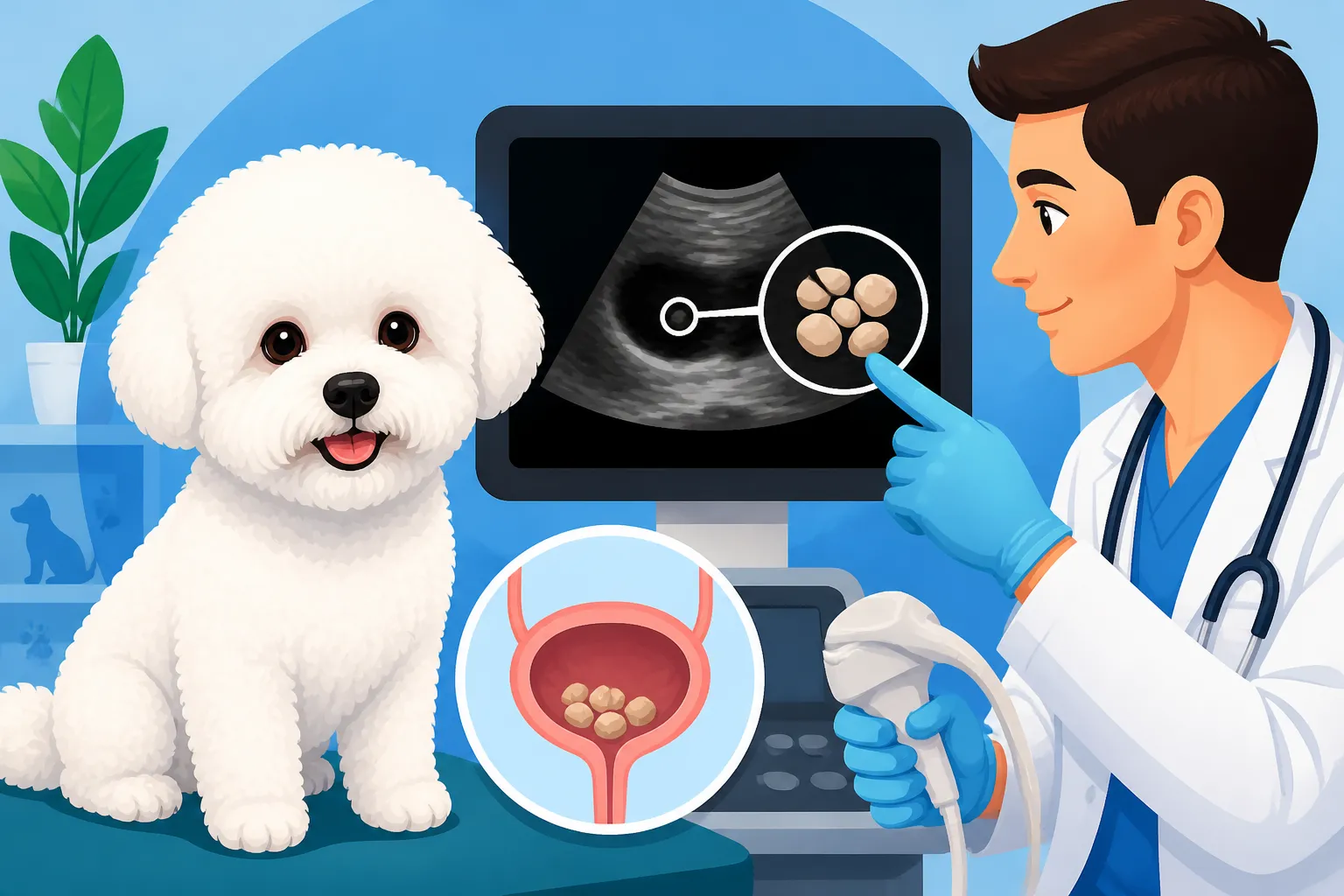
If X-rays are inconclusive, or if your vet suspects radiolucent stones, a urinary ultrasound is often the next step. An ultrasound uses sound waves to create real-time images of internal organs, offering a more detailed look at the bladder and surrounding structures. "Whether an ultrasound finds a Bichon Frise's stones" is a resounding yes, even for those types that X-rays miss. Ultrasound technology can detect virtually all types of bladder stones, regardless of their mineral composition, because it visualizes them based on their physical presence and density rather than their radiopacity.
Beyond just identifying stones, an ultrasound provides a wealth of additional information. It allows the vet to assess the thickness and health of the bladder wall, looking for inflammation or masses (like polyps or tumors) that might mimic stone symptoms. They can also examine the kidneys and ureters (the tubes connecting the kidneys to the bladder), checking for any stones in those locations or signs of kidney damage. This soft tissue detail is something X-rays simply can't provide. While it usually requires clipping some hair from your Bichon's belly and may be slightly more expensive, the comprehensive information it yields makes it an incredibly valuable diagnostic tool.
Contrast Studies and Advanced Imaging
In rare or particularly challenging cases, where standard X-rays and ultrasound still haven't provided a definitive answer, your vet might recommend more specialized imaging techniques, collectively known as contrast studies. These procedures involve introducing a contrast agent (a special dye) into the urinary tract to highlight structures that aren't visible on plain X-rays. For example, a positive contrast cystography involves injecting dye directly into the bladder via a catheter. The dye fills the bladder, and radiolucent stones, which were previously invisible, will appear as 'filling defects' or dark spots against the white contrast material.
Another option is a double contrast cystography, where both a small amount of dye and air are introduced into the bladder. This technique can further enhance the visibility of subtle bladder wall irregularities or very small radiolucent stones. For issues higher up in the urinary tract, like in the kidneys or ureters, an intravenous pyelogram (IVP) might be performed, where the contrast dye is injected into the bloodstream and then excreted by the kidneys, outlining the entire upper urinary tract. While less commonly used for bladder stones, in complex scenarios or if other issues are suspected, advanced imaging like CT scans or MRI might be considered to gain an extremely detailed 3D view of the urinary system and surrounding anatomy.
Confirming the Stone Type and Planning Treatment
Getting a diagnosis of bladder stones is a significant step, but it's not the end of the diagnostic journey. The next crucial phase involves identifying the specific type of stone, which is paramount for successful treatment and, more importantly, for preventing recurrence.
Stone Analysis: The Crucial Next Step
This is perhaps the most overlooked, yet absolutely critical, part of the diagnostic process. Once stones are confirmed to be present, the ultimate goal is to remove them and send them for laboratory analysis. Why is this so vital? Because "what a calcium oxalate stone is in a Bichon Frise" and how it behaves is vastly different from, say, a struvite stone or a urate stone. Each type requires a unique approach to treatment and, most importantly, prevention. Without knowing the exact mineral composition, your vet is essentially guessing at the best long-term management strategy, and guessing rarely works when it comes to preventing stones from returning.
Stone analysis involves sending a physical stone (or fragments) to a specialized veterinary laboratory. These labs use advanced techniques, like infrared spectroscopy, to precisely identify the stone's chemical makeup. This tells your vet not only the primary component but also any secondary components, giving a full picture. For example, if your Bichon has calcium oxalate stones, treatment will focus on dietary changes to reduce oxalate intake and create an environment in the bladder that discourages their formation. If they have struvite stones, the approach might involve antibiotics to clear an infection and a prescription diet designed to dissolve these specific stones. Relying solely on urine pH or crystal type to predict stone composition can be notoriously inaccurate, leading to ineffective or even harmful prevention strategies. For instance, "whether oxalate stones dissolve in a Bichon Frise" is a key question, and the answer is generally no; unlike struvite stones, calcium oxalate stones typically cannot be medically dissolved and usually require surgical removal.
Ruling Out Other Conditions
While your vet is meticulously working to confirm stones, they're also actively ruling out other conditions that can present with similar symptoms. This careful differentiation is essential to ensure your Bichon Frise receives the correct diagnosis and treatment. Urinary tract infections (UTIs) are very common and can cause blood in the urine, frequent urination, and straining, even without stones being present. Sometimes, a UTI is the primary issue, and other times it's a secondary infection caused by the presence of stones. The urinalysis and urine culture are key here in determining if an infection is playing a role.
Beyond infections, there are other less common but important conditions. Bladder tumors or polyps can also cause blood in the urine and straining, and these can sometimes be difficult to distinguish from stones on basic imaging. An ultrasound is particularly helpful in evaluating the bladder wall for any abnormal growths. In very rare cases, behavioral issues can mimic urinary problems, but this is far less likely when symptoms like blood in the urine or extreme straining are present. A thorough diagnostic process, including ruling out these other possibilities, ensures that the ultimate diagnosis of bladder stones is accurate and that any concurrent issues are also identified and addressed.
The Emotional Toll and Next Steps
Receiving a diagnosis of bladder stones for your Bichon Frise can be incredibly overwhelming. Beyond the immediate health concerns for your furry family member, there are practical considerations and emotional challenges that often come with such a diagnosis.
Coping with a Diagnosis
It’s completely normal to feel a mix of emotions when you hear your vet confirm that your Bichon Frise has bladder stones. You might feel worried, frustrated, or even guilty, wondering if there was anything you could have done differently. Remember, you're not alone in this; bladder stones are a common issue for this breed, which is why "why a Bichon Frise forms stones twenty times as often" is a frequent concern among owners. It's a genetic predisposition coupled with various other factors, not a reflection of your care. Take a deep breath and know that getting a clear diagnosis is the most important first step towards helping your Bichon feel better and preventing future problems.
This is where having a strong relationship with your veterinarian, and potentially considering pet insurance like Healthy Paws, can make a huge difference. Diagnostic tests, surgery, and long-term management can be costly, and being prepared for these expenses can ease some of the financial burden. Open communication with your vet about treatment options, prognosis, and financial implications is key. They are your best resource for navigating this challenging time, and they want the best for your Bichon as much as you do.
Preparing for Treatment and Prevention
Once the stone type has been definitively identified, your vet will discuss the specific treatment plan. As previously mentioned, some stones, like struvite, might be dissolved with a special prescription diet and antibiotics. However, many, especially calcium oxalate stones, often require surgical removal. "What stone surgery involves on a Bichon Frise" will be explained in detail by your vet, from pre-operative bloodwork to the recovery process. It’s a big decision, but often the most effective way to provide immediate relief and gather stones for analysis.
Looking beyond immediate treatment, the long-term goal is prevention. This typically involves lifelong management, often centered around a specific prescription diet. "The diet a Bichon Frise stays on for life" is not an exaggeration; these specialized foods are formulated to alter urine pH, reduce mineral concentrations, and encourage water intake, all to create an environment where new stones are less likely to form. You'll also learn about monitoring techniques, such as regular urinalysis checks and periodic imaging. The unfortunate reality for many Bichons is that "the stone that comes back a year after Bichon Frise surgery" is a real risk, and understanding "how often a Bichon Frise's stones return" can underscore the importance of diligent adherence to the preventative plan your vet outlines. This ongoing commitment is crucial for your Bichon's long-term health and comfort.
Comparison of Diagnostic Methods
Here's a quick overview of the common diagnostic tools used to confirm bladder stones in Bichon Frises:
| Method | What it detects | Pros | Cons |
|---|---|---|---|
| Urinalysis | Crystals (e.g., calcium oxalate, struvite), infection (WBCs, bacteria), blood (RBCs), pH, specific gravity | Inexpensive, non-invasive (if free catch), initial screening tool | Crystals don't always equal stones; free catch can be contaminated; not a definitive stone diagnosis |
| X-rays | Radiopaque stones (e.g., calcium oxalate, struvite); provides count, size, and location | Quick, relatively inexpensive, good for visualizing common stone types | Misses radiolucent stones (e.g., urate); very small stones can be obscured; no soft tissue detail |
| Ultrasound | All stone types (radiopaque and radiolucent); bladder wall health, kidney health, small masses/polyps | Highly sensitive, excellent for soft tissue visualization, finds all stone types | More costly than X-rays; requires hair clipping; operator skill-dependent; typically requires sedation for best images |
| Contrast Study | Radiolucent stones (filling defects), bladder wall abnormalities | Confirms radiolucent stones; outlines bladder features clearly | More invasive, uses injectable dyes, requires sedation/anesthesia, additional cost |
| Stone Analysis | Exact mineral composition of the stone(s) (e.g., 100% calcium oxalate, mixed struvite/urate) | Absolutely crucial for targeted prevention and treatment | Requires physical stone(s) (usually post-surgical); cannot be done before removal |
Disclaimer
The information provided in this article is for educational and informational purposes only, and does not constitute veterinary advice. Always consult with a qualified veterinarian for any health concerns or before making any decisions about your pet's medical care.