Whether Two World Wars Nearly Ended the Bichon Frise
The Bichon Frise survived the catastrophic impact of two World Wars because dedicated fanciers rescued the breed.
Is this the right one for you?
Origins and temperament, size and coat, what living with one is actually like, and how it compares to the breeds people weigh against it.
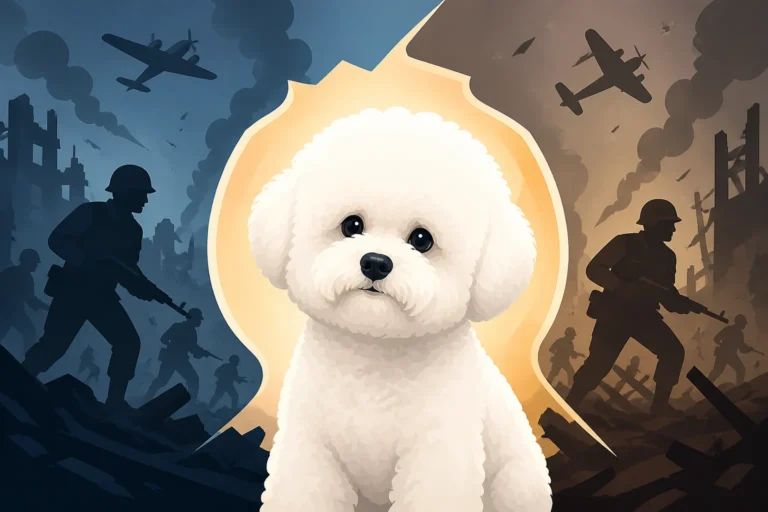
The Bichon Frise survived the catastrophic impact of two World Wars because dedicated fanciers rescued the breed.

Circus history and European nobility explain the remarkable intelligence and trainability of the modern Bichon Frise.

Bichon Frise ancestors performed tricks in European city streets to help human companions earn coins and survive daily hardship.

Historical records reveal whether Bichon Frises guided blind beggars or simply performed for coins on European streets.

Bichon Frise history includes moving from royal French palaces to surviving on the streets after the revolution.

The history of the Bichon Frise details its descent from European royalty to humble street performers and family pets.

The French verb bichonner and its linguistic history reveal whether the term derives from the Bichon Frise breed.

The history of Bichon Frises in Europe reveals whether these dogs lived at Versailles during the sixteenth century.

The specific French monarch who made the Bichon Frise fashionable, along with its journey from Mediterranean sailors to Italian nobility.

Historical evidence regarding whether the Spanish artist Francisco Goya actually painted the fluffy Bichon Frise dog breed.