Whether Two World Wars Nearly Ended the Bichon Frise
It’s a truly frightening thought: imagine a beloved dog breed, one known for its vivacious personality and cloud-like coat, teetering on the very edge of extinction. For those of us who adore the Bichon Frise, it can be hard to fathom a world without their cheerful presence, yet this nearly became a reality not once, but twice, during the tumultuous period of the two World Wars. This guide will delve into the incredible resilience of the Bichon Frise, exploring how this charming breed navigated global conflicts and why dedicated fanciers ultimately saved them from fading into history.
The Grandeur and the Gathering Clouds: Bichons Before the Great Wars
Before the shadow of global conflict loomed large, the Bichon Frise enjoyed a rich history, moving through the courts of European nobility and later charming the common folk with their clever tricks. Their story is one of adaptability, though even the most adaptable breed faces immense challenges when society itself is thrown into disarray. Understanding their pre-war status helps us appreciate just how much was at stake.
From Aristocracy to Street Performer
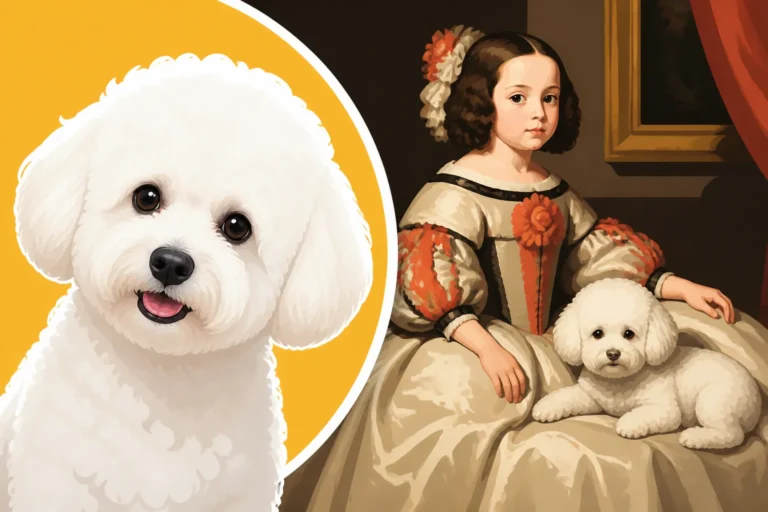
The Bichon Frise, or "Tenerife dog" as it was once known, had a rather glamorous past. These delightful little dogs were favorites of the European aristocracy, particularly in France and Spain, where they were admired for their beauty, intelligence, and charming disposition. Imagine them gracing the laps of royalty, perfectly coiffed and utterly pampered. This period of high society favor meant they were bred, cared for, and documented by the elite. They were a symbol of status and companionship. You can learn more about this era in The French Court That Made the Bichon Frise Fashionable.
However, societal changes, especially after the French Revolution, saw the Bichon Frise transition from the royal lapdog to the nimble street performer. This adaptability was a key trait of the breed, allowing them to survive when their noble patrons no longer existed or could not support them. They performed tricks, brightening the lives of ordinary people for coins. This phase might seem less glamorous, but it demonstrated their resilience and cemented their place in the hearts of a wider population, even if their numbers might have become more scattered and less formally managed. This shift, from formal breeding programs to more informal propagation, would have both positive and negative implications for their long-term survival.
Early Breeding Practices and Geographic Distribution
In these earlier times, formal breeding practices, as we understand them today with meticulous record-keeping and health screenings, were not universally established. Breeding often depended on the whims of individuals, whether they were nobles seeking to maintain a line or street performers simply trying to perpetuate their working companions. The geographic distribution of Bichons was largely centered around the Mediterranean, having spread from the Canary Islands (giving rise to the name "Tenerife dog") to Spain, Italy, and eventually France. The Canary Island the Bichon Frise Is Named After provides more detail on their origins.
This concentrated European presence meant that the impending wars would strike at the very heart of their population centers. While scattered distribution can sometimes protect a breed from localized disaster, the sheer scale of the World Wars meant that very few places were untouched by hardship and upheaval. Breeding would have been opportunistic rather than planned, and the focus would have shifted from maintaining breed standards to simply keeping dogs alive in a world of scarcity.
A Breed on the Brink: The Impact of World War I
The First World War was a brutal awakening for much of Europe. Daily life was irrevocably altered, and the care of pets, especially those not essential for work or food production, became an immense luxury, if not an impossibility. For a small, companion breed like the Bichon Frise, this era was a profound test of survival.
Scarcity and Survival in Wartime Europe
During World War I, resources became incredibly scarce. Food was rationed, and priority was given to humans and livestock. Owning a pet that required feeding became a significant burden, and many families simply couldn't afford to keep their dogs. Imagine trying to feed a hungry family while also trying to find scraps for your fluffy companion. It was an impossible choice for many. Sadly, this led to many dogs being abandoned, given away, or worse, succumbing to starvation or disease.
The disruption of everyday life also meant that established breeding programs, if they even existed in a formal sense for all Bichons at the time, collapsed. Travel was dangerous and restricted, making it impossible to transport dogs for breeding. Records were lost, and populations became isolated. The focus shifted from maintaining breed standards to mere existence. It's safe to say that the number of Bichons dwindled significantly during these years, and the genetic diversity within the surviving population was undoubtedly challenged.
The Loss of Documentation and Lineage
One of the most insidious impacts of war on any historical artifact, and indeed on living breeds, is the loss of documentation. Pedigree records, ownership details, and even anecdotal accounts that helped trace lineage were often destroyed in bombings, fires, or simply lost in the chaos of displacement. This meant that even if a Bichon Frise survived, its history, its family tree, and its potential genetic contributions to the breed's future might have vanished.
This erasure of history made the task of rebuilding the breed even more daunting. Without clear records, identifying purebred animals and establishing a solid genetic foundation for future breeding became a matter of guesswork and keen observation. It’s a bit like trying to solve a complex puzzle with half the pieces missing and no picture on the box. The dedicated individuals who would later work to revive the breed faced an uphill battle, trying to piece together fragmented lines and ensure that the defining characteristics of the Bichon Frise were not lost forever.
The Spirit of Survival: Rebuilding Between the Wars
The period between World War I and World War II, often called the interwar years, was a critical time for the Bichon Frise. It was during this era that determined individuals took up the mantle of saving the breed, formalizing its name and establishing standards that would guide its future.
The Rebirth and Formal Recognition
After the first World War, the few remaining Bichon Frise dogs were primarily found in France and Belgium. A small group of dedicated fanciers in France and Belgium began the painstaking work of collecting these scattered survivors. They recognized the unique charm and historical significance of the breed and were determined to prevent its disappearance. This was no small feat, given the societal and economic challenges still lingering from the war.
It was during this time, in the 1930s, that the breed was officially recognized in France and its name solidified as "Bichon à Poil Frisé" (Bichon with the curly coat), eventually shortened to Bichon Frise. This formal recognition was a pivotal moment, as it meant a standardized breed description was created, giving breeders a clear goal for selection and preservation. You can read more about this in The Year the Bichon Frise Got Its Modern Name. This concerted effort, driven by passion and a deep love for the breed, laid the groundwork for its future, just in time for the world to once again descend into conflict.
Establishing the Breed Standard and Population Growth
With formal recognition came the establishment of a breed standard, detailing everything from coat texture and color (which must be white!) to temperament and size. This document became the blueprint for responsible breeding, helping to ensure that the unique traits of the Bichon Frise were preserved. Breeders worked tirelessly to identify suitable dogs, carefully planning matings to increase numbers and improve genetic diversity from the limited gene pool available.
The numbers slowly began to climb. People were starting to recover from the devastation of WWI, and the desire for companionship animals, especially cheerful ones like the Bichon, began to return. Shows were organized, new enthusiasts joined the cause, and the breed started to gain a foothold once more. This period of rebuilding was vital, creating a stronger, albeit still vulnerable, foundation for the breed before it faced its next monumental challenge. It truly highlighted the dedication required to bring a breed back from the brink.
Enduring the Second Global Conflict: World War II and the Bichon Frise
Just as the Bichon Frise was beginning to find its footing again, the world was plunged into its second major conflict. World War II presented another, arguably even greater, threat to the breed's existence, particularly in Europe where the fighting was most intense.
Surviving Occupation and Bombings
The realities of World War II were even more devastating than the first for many parts of Europe. Cities were bombed, populations were displaced, and resources were even more severely restricted. For dogs like the Bichon Frise, survival was a daily struggle. Imagine a Bichon living in a war-torn city, constantly exposed to the dangers of air raids and the constant search for food. Many loyal owners, despite their own suffering, did everything they could to protect their pets, sharing their meager rations and keeping them safe during terrifying nights. However, many more dogs were undoubtedly lost to the horrors of war.
The occupation of countries also brought unique challenges. Movement was restricted, and the informal networks that had helped sustain the breed in the interwar years were severely hampered. Dedicated breeders often risked their own safety to keep their lines alive, sometimes hiding their dogs or sharing them with trusted friends in rural areas where the immediate dangers might be less intense. These acts of quiet heroism, often undocumented, were crucial to the breed's survival.
The Role of Dedicated Fanciers and International Efforts
Once again, it was the sheer devotion of a handful of fanciers that prevented the Bichon Frise from disappearing. These individuals, often working under incredibly difficult circumstances, made it their mission to protect and preserve the remaining dogs. They understood that these little white puffs of joy represented more than just pets; they embodied a rich history and a unique spirit.
After WWII, the effort to rebuild was even more international. American servicemen returning home from Europe sometimes brought Bichons with them, introducing the breed to new shores and effectively creating a safer haven away from the immediate aftermath of the war in Europe. This spread to other continents would prove invaluable. When the Bichon Frise Reached America describes this further. Organizations in other countries took up the cause, ensuring that even if one region suffered further losses, the breed could be perpetuated elsewhere. This global effort, driven by a shared love for the breed, was ultimately what secured the Bichon Frise's future. It wasn't just about local survival anymore; it was about global preservation.
The Legacy of Resilience: Why the Bichon Frise Endures
The story of the Bichon Frise through two World Wars is a powerful testament to the resilience of a breed and the unwavering dedication of its human admirers. Their survival, though precarious at times, ensures that we can enjoy their companionship today.
The Modern Bichon Frise and Its Enduring Popularity
Today, the Bichon Frise is a beloved companion worldwide, far removed from the perils of wartime. Their cheerful demeanor, hypoallergenic coat (a huge plus for many families), and adaptability have cemented their place as popular family pets. They are no longer on the brink of extinction but thrive in homes across the globe, bringing joy and laughter to countless owners. The breed's ability to bounce back from such extreme challenges speaks volumes about its inherent charm and desirability.
The historical hardships also highlight the importance of responsible breeding today. Modern breeders strive to maintain genetic diversity and health, learning from the lessons of the past when gene pools were severely restricted. Resources like Chewy make it easier for owners to access specialized diets, grooming supplies, and toys, ensuring these pampered pups live healthy, happy lives – a stark contrast to the scarcity faced by their ancestors. This easy access to quality care and products helps maintain the health and well-being of the breed, a luxury unimaginable during wartime.
Lessons Learned and the Value of Preservation
The survival of the Bichon Frise through the World Wars offers a profound lesson in the importance of breed preservation. It underscores that breeds are not static entities; they require active care, dedicated advocacy, and responsible stewardship to continue. The foresight and passion of those early fanciers ensured that future generations would not be deprived of this wonderful dog.
It also reminds us of the profound bond between humans and animals. In times of immense suffering, the comfort and joy provided by a pet can be a powerful antidote to despair. The fact that people would go to such lengths, at great personal risk and sacrifice, to save these dogs speaks to the invaluable role pets play in our lives. The legacy of the Bichon Frise is not just about a dog breed, but about human compassion, determination, and the enduring power of love for our animal companions. Every time you see a bouncy, happy Bichon, remember the incredible journey they've taken to be here.
| Historical Period | Impact on Bichon Frise Breed | Key Survival Factors |
|---|---|---|
| Pre-WWI (Late 19th-Early 20th Century) | Favored by nobility, street performers. Scattered presence in Europe. | Adaptability, charming temperament, widespread (though informal) appeal. |
| World War I (1914-1918) | Severe decline due to resource scarcity, social upheaval, loss of owners and records. Breed numbers drastically reduced. | Individual owners' dedication, some informal breeding continuity, scattered rural survival. |
| Interwar Period (1918-1939) | Formal recognition, standardization of the breed (France/Belgium). Slow but steady population growth. | Dedicated fanciers, establishment of breed clubs, creation of a breed standard. |
| World War II (1939-1945) | Second severe decline, threat of extinction, loss of dogs due to conflict, displacement, and food shortages. | Extreme dedication of European fanciers, some dogs brought to North America, international interest. |
| Post-WWII (Mid-20th Century onwards) | Global recognition (e.g., AKC), resurgence in popularity, formal breeding programs established worldwide. | Increased international breeding efforts, robust breed clubs, growing public demand for companion animals. |
The Future of the Breed
As we look to the future, the Bichon Frise stands as a symbol of endurance. Their journey from near extinction to widespread affection is a powerful narrative. Today, we have the benefit of advanced veterinary care, diverse food options (including specialized diets that can be conveniently ordered from places like Chewy), and a global community of breed enthusiasts. We can learn from the past to protect this joyful breed against future challenges, ensuring that the cheerful little white dog with the curly coat continues to bring happiness for generations to come.
Disclaimer
This article is for general informational purposes only and does not constitute professional advice. Laws, prices and regulations vary by location and change over time. Consult a qualified professional for guidance on your specific situation.