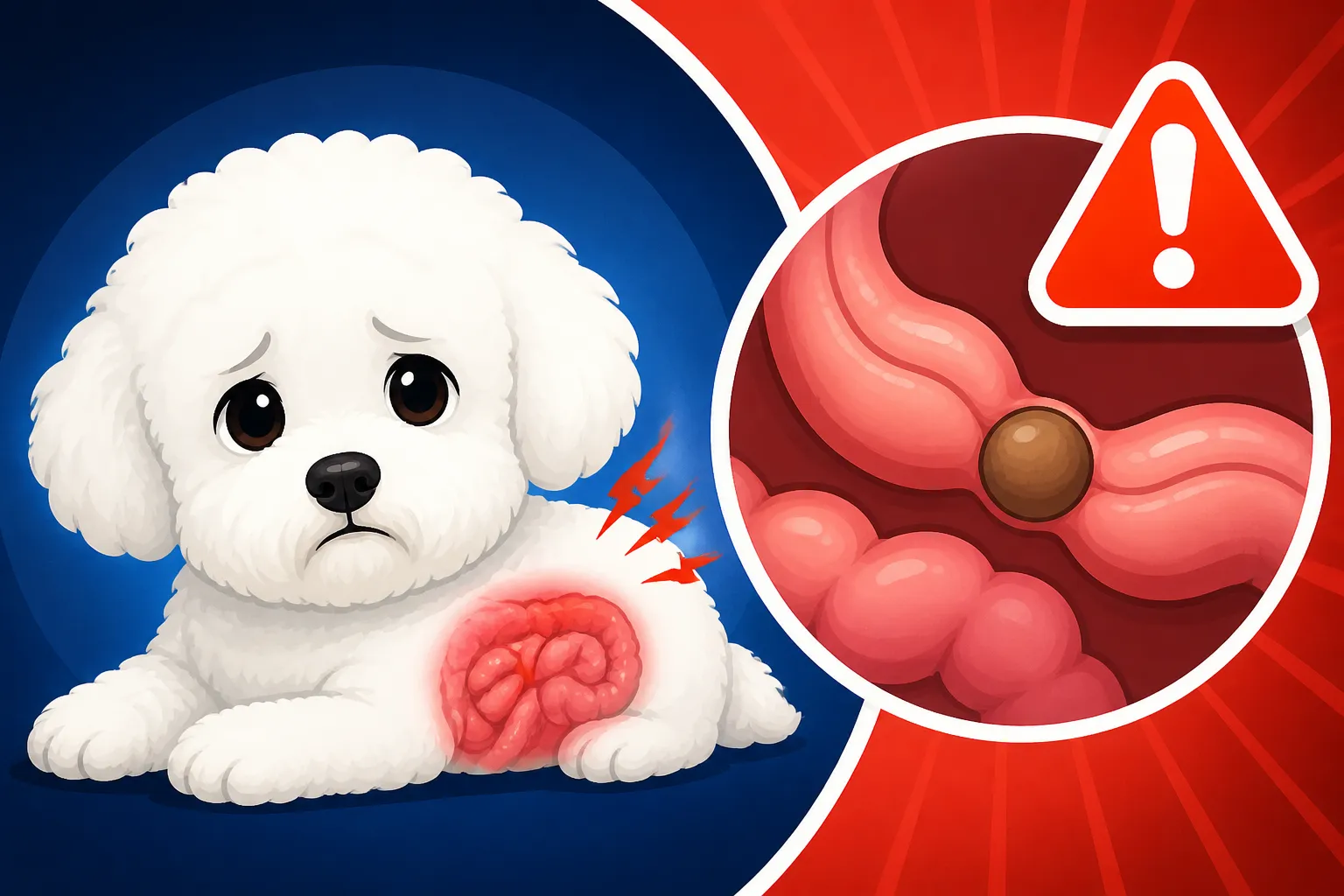
Whether a Blocked Bichon Frise Can Die
It’s a terrifying moment for any Bichon Frise parent: you see your sweet, fluffy companion straining in their litter box or outside, obviously uncomfortable, and then nothing comes out. Or worse, only a tiny dribble. The immediate thought is often a urinary tract infection, something common enough. But with a Bichon Frise, that straining can quickly escalate into a life-threatening emergency known as a urinary blockage, and yes, if not addressed swiftly, a blocked Bichon Frise can absolutely die. This guide will walk you through what happens, how to recognize the critical signs, and why urgent action is paramount to saving your beloved pet's life.
Understanding the Immediate Danger of a Blockage
When your Bichon Frise becomes blocked, it's not just a simple discomfort; it's a rapidly unfolding medical crisis. The urinary system is designed to continuously filter waste products from the blood and expel them as urine. When that process grinds to a halt, the consequences are severe and can quickly turn fatal.
What Happens When Urine Cannot Pass
Imagine a faucet running continuously into a sink with a clogged drain. Initially, the sink fills up, then it overflows. Your dog’s bladder is similar. When a stone, mucus plug, or other obstruction lodges in the urethra – the tube that carries urine from the bladder out of the body – urine has nowhere to go. The bladder swells, becoming incredibly distended and painful. This isn't just a temporary hold-up; the kidneys are still working, still producing urine, and that urine is now backing up.
This back-pressure travels up the ureters to the kidneys, effectively shutting down their ability to filter toxins from the blood. The longer this goes on, the more damage occurs to the delicate kidney tissues. It's a cascade effect: bladder gets too full, urine backs up, kidneys start to fail, and the body becomes poisoned by its own waste products. Many owners report their Bichon becoming increasingly agitated, pacing, trying repeatedly to urinate, sometimes crying out, and eventually, if the blockage persists, becoming quiet and withdrawn as the pain and toxicity overwhelm them. This is often the point where permanent damage, or worse, becomes a very real threat.
The Role of Toxins in the Body
The kidneys are vital organs, acting as the body's natural purification system. They filter out metabolic waste products like urea, creatinine, and phosphorus, which are byproducts of normal bodily functions. When a urinary blockage occurs, and urine can no longer exit the body, these toxins begin to accumulate in the bloodstream. This buildup is called uremia, and it poisons the body from the inside out.
Within hours, sometimes less than a day, these accumulating toxins start to wreak havoc on other organ systems. The heart, for instance, can be severely affected by high potassium levels, leading to dangerous arrhythmias that can cause sudden cardiac arrest. The dog will become increasingly lethargic, weak, and may start vomiting due to the systemic poisoning. Their appetite will disappear, and their gums might appear pale or even slightly blue. It’s a very uncomfortable and frightening progression to witness, and it’s a stark reminder that a blocked Bichon Frise is facing a ticking clock. Without intervention, these toxins will eventually shut down critical bodily functions, leading to irreversible damage and death.
Recognizing the Critical Signs and Seeking Urgent Care
It’s easy to dismiss early signs as something minor, especially since Bichon Frises are known for being generally cheerful and resilient. However, recognizing the subtle, or not-so-subtle, indicators of a urinary blockage can literally mean the difference between life and death for your furry friend.
Spotting the Early Warning Signs
The very first signs of a blockage in a Bichon Frise often mimic a urinary tract infection, which can be frustratingly misleading. You might notice your Bichon trying to urinate much more frequently than usual, squatting repeatedly, but only producing a tiny amount of urine, or sometimes nothing at all. They might seem restless, constantly shifting positions, or pacing the house. You might also observe them intensely licking their genital area, a clear sign of discomfort or irritation.
As the condition progresses, the signs become more severe and obvious. Your Bichon may begin to cry or whine while attempting to urinate, indicating significant pain. They might have a hunched posture, be visibly tense in their abdomen, and refuse food or water. If you gently press on their lower abdomen, you might feel a firm, basketball-like bladder, and they will likely react with pain. Sometimes, you might even notice blood in the urine, though this can occur with other conditions too. It's important not to confuse this with simple "bad housetraining" or a minor accident. If your previously housetrained Bichon suddenly has multiple accidents, or seems to be struggling to go, investigate immediately. For more details on what to look for, check out our guide on The First Signs a Bichon Frise Has Stones. These seemingly small changes are monumental warning signals that demand your immediate attention.
Why Every Minute Counts
This isn't an ailment where you can "wait and see if it gets better overnight" or try a few home remedies. A urinary blockage is a true, unadulterated veterinary emergency. The rate at which a dog's health deteriorates once a blockage is complete is incredibly rapid. We're talking hours, not days. The buildup of toxins and the strain on the kidneys and other organs can quickly become irreversible. Waiting even a few hours can significantly worsen the prognosis and make successful treatment much more difficult, and costly.
If you suspect your Bichon Frise is blocked, drop everything and head straight to your veterinarian or the nearest emergency veterinary clinic. Call ahead if you can, to let them know you’re coming with a suspected blocked dog. They'll understand the urgency. This is one of those situations where having pet insurance, like a policy from Healthy Paws, can truly be a lifesaver, allowing you to focus on getting immediate care without agonizing over the emergency costs. Time is critical, and delaying can lead to irreparable kidney damage, electrolyte imbalances that can stop the heart, or rupture of the bladder, which is almost always fatal. Never underestimate the speed at which this condition can claim a life. If you're wondering, Whether a Straining Bichon Frise Is an Emergency, the answer is a resounding yes.
The Medical Interventions and Prognosis
Facing a blocked Bichon Frise is harrowing, but understanding the steps veterinarians take to intervene can offer a glimmer of hope. Modern veterinary medicine provides several critical interventions to reverse the crisis and manage the underlying cause.
Emergency Stabilization and Unblocking Procedures
Once you arrive at the vet, the team will act fast. The immediate priority is to stabilize your Bichon and relieve the blockage. This often begins with pain management and intravenous (IV) fluids to help flush the kidneys and correct dangerous electrolyte imbalances that result from toxin buildup. Blood tests will be run to assess kidney function and electrolyte levels, giving the veterinary team a clear picture of the severity of the situation.
The next crucial step is to relieve the obstruction. This usually involves attempting to pass a urinary catheter into the bladder. For male Bichons, whose urethras are longer and narrower, this can be particularly challenging, and sometimes sedation or even general anesthesia is required. The vet will try to gently flush the obstruction back into the bladder or push it out. If successful, this immediately relieves the pressure on the bladder and kidneys. In cases where the blockage is caused by a stone, the vet might use techniques like retropulsion (pushing the stone back into the bladder) followed by surgical removal later, or if the stone is small enough, try to flush it out directly. Imaging, such as X-rays or ultrasound, will be performed to precisely locate the obstruction and determine its nature, helping the vet confirm stones in a Bichon Frise.
Post-Unblocking Care and Long-Term Management
Once your Bichon is unblocked, they’re not out of the woods yet. Post-unblocking care is intensive and crucial for full recovery and preventing recurrence. Your dog will likely remain hospitalized for several days, receiving continued IV fluids, pain medication, and antibiotics if an infection is present. The veterinary team will closely monitor urine output, kidney values, and electrolyte levels to ensure the kidneys are recovering and functioning properly. They will also analyze the removed stones or urine sediment to identify the type of crystals/stones, which is vital for long-term prevention.
This is where the real commitment to long-term health begins. For many Bichons, urinary blockages are caused by calcium oxalate stones, a type that cannot be dissolved by diet. Therefore, surgical removal, often through a procedure called a cystotomy (bladder surgery), might be necessary to remove any remaining stones. You can learn more about How a Bichon Frise's Stones Are Removed in our dedicated guide. Following removal, a strict, lifelong prescription diet is usually prescribed to prevent new stones from forming. This diet is meticulously formulated to alter urine pH and mineral content, making it less hospitable for stone formation. Compliance with this diet is absolutely critical. Even small deviations can lead to recurrence. Many owners find that while the initial emergency is costly, ongoing management can also add up, and having a comprehensive pet insurance plan from providers like Healthy Paws can alleviate the financial strain of these recurring conditions and specialized diets. This is a journey your Bichon Frise will be on for life, and it demands consistent dedication from their human family. Our article on The Diet a Bichon Frise Stays On for Life provides extensive information on this critical aspect of care.
Preventing Future Blockages and Ensuring Longevity
While the immediate emergency is terrifying, the good news is that with prompt veterinary care and diligent home management, many Bichon Frises can recover fully and go on to live long, happy lives. The key lies in understanding prevention and maintaining strict adherence to veterinary advice.
Proactive Measures and Regular Monitoring
Preventing a recurrence of urinary blockages requires a multi-faceted approach. First and foremost, if your Bichon Frise has a history of stones, they must remain on the specific prescription urinary diet recommended by your veterinarian. This diet is not a suggestion; it's a medical necessity. Even a single treat or meal of regular food can upset the delicate balance in their urinary system and set the stage for new stone formation.
Increasing water intake is also crucial. Diluting the urine makes it harder for crystals and stones to form. Encourage your Bichon to drink more by providing fresh, clean water at all times, using water fountains, or adding water to their food. Our guide on Whether Diluting Urine Prevents Bichon Frise Stones offers practical tips. Regular, frequent urination helps flush the bladder, reducing the time crystals have to aggregate. This means frequent potty breaks throughout the day. Beyond diet and water, regular veterinary check-ups are non-negotiable. Your vet will likely recommend yearly or even bi-yearly urine tests to monitor urine pH and look for early signs of crystal formation. Some vets may also advise annual X-rays or ultrasounds to screen for stones before they become large enough to cause a blockage. This proactive monitoring is vital, as stones can silently grow before causing symptoms. Neglecting these follow-ups can lead to a heartbreaking situation where The Stone That Comes Back a Year After Bichon Frise Surgery catches you off guard.
Understanding the Genetic Predisposition in Bichon Frises
It’s a tough pill to swallow, but Bichon Frises are unfortunately genetically predisposed to forming certain types of urinary stones, particularly calcium oxalate stones. In fact, they are among the breeds at the highest risk, with some studies suggesting they form stones twenty times as often as other breeds. This isn't due to poor diet or lack of care on the owner's part; it’s largely an inherited trait. You can explore this further in our article, Why a Bichon Frise Forms Stones Twenty Times as Often. This genetic predisposition means that even with the best care, your Bichon may still be at risk, highlighting the importance of constant vigilance.
This genetic link also underscores the importance of responsible breeding practices. Reputable breeders will often screen their breeding dogs and track the stone history in their lines, aiming to reduce the incidence of this painful condition. However, for current Bichon Frise owners, understanding this predisposition means being extra diligent. It means taking every preventative measure seriously, from the specialized diet to regular vet visits and diagnostic screenings. Knowing that Whether a Bichon Frise's Stone Risk Is Inherited makes managing the condition a lifelong commitment, but one that is absolutely worth it for the health and happiness of your furry family member. Pet insurance providers, like Healthy Paws, recognize the prevalence of these breed-specific conditions and can be an invaluable partner in managing the ongoing costs of diagnostics, special diets, and potential future treatments.
Here’s a quick overview of the stages of a urinary blockage:
| Stage | Symptoms | Risks | Urgency Level |
|---|---|---|---|
| Early Discomfort | Frequent squatting, small urine amounts, restless, licking | Discomfort, potential for full blockage | Moderate |
| Partial Blockage | Straining with minimal output, visible discomfort, crying during urination, hunched posture | Worsening pain, kidney back-up, toxin accumulation begins | High |
| Complete Blockage | No urine output despite straining, extreme pain, lethargy, vomiting, loss of appetite, distended abdomen | Acute kidney failure, severe electrolyte imbalance (e.g., hyperkalemia), bladder rupture, cardiac arrest, death | CRITICAL |
| Post-Blockage | Recovery, monitoring, strict dietary changes, medication (if needed) | Potential for recurrence, ongoing kidney support | Ongoing |
The journey with a Bichon Frise and their potential for urinary blockages can be daunting, but armed with knowledge and quick action, you can ensure your beloved companion receives the care they need to thrive.
Disclaimer
Please note that this article is intended for informational purposes only and does not constitute medical advice. Always consult with a qualified veterinarian for any health concerns or before making any decisions about your pet's health or treatment plan.