The Age Legg Calve Perthes Shows in a Bichon Frise
It can be absolutely heart-wrenching when your playful Bichon Frise puppy, full of boundless energy, suddenly starts to limp. One moment they're zooming around, the next they're hesitant, favoring a leg, and you're left wondering what on earth happened. This guide is here to shed light on Legg-Calve-Perthes disease, a condition that often strikes young Bichons, explaining exactly when you might see its signs and what it means for your beloved companion.
Understanding Legg-Calve-Perthes Disease in Bichon Frises
Discovering that your sweet Bichon Frise puppy is suffering from a condition like Legg-Calve-Perthes (LCP) can be incredibly concerning. It’s not something many new pet parents are aware of, and the symptoms can be quite alarming. Let’s break down what this disease actually is and why our fluffy friends seem to be particularly prone to it.
What Exactly Is Legg-Calve-Perthes?
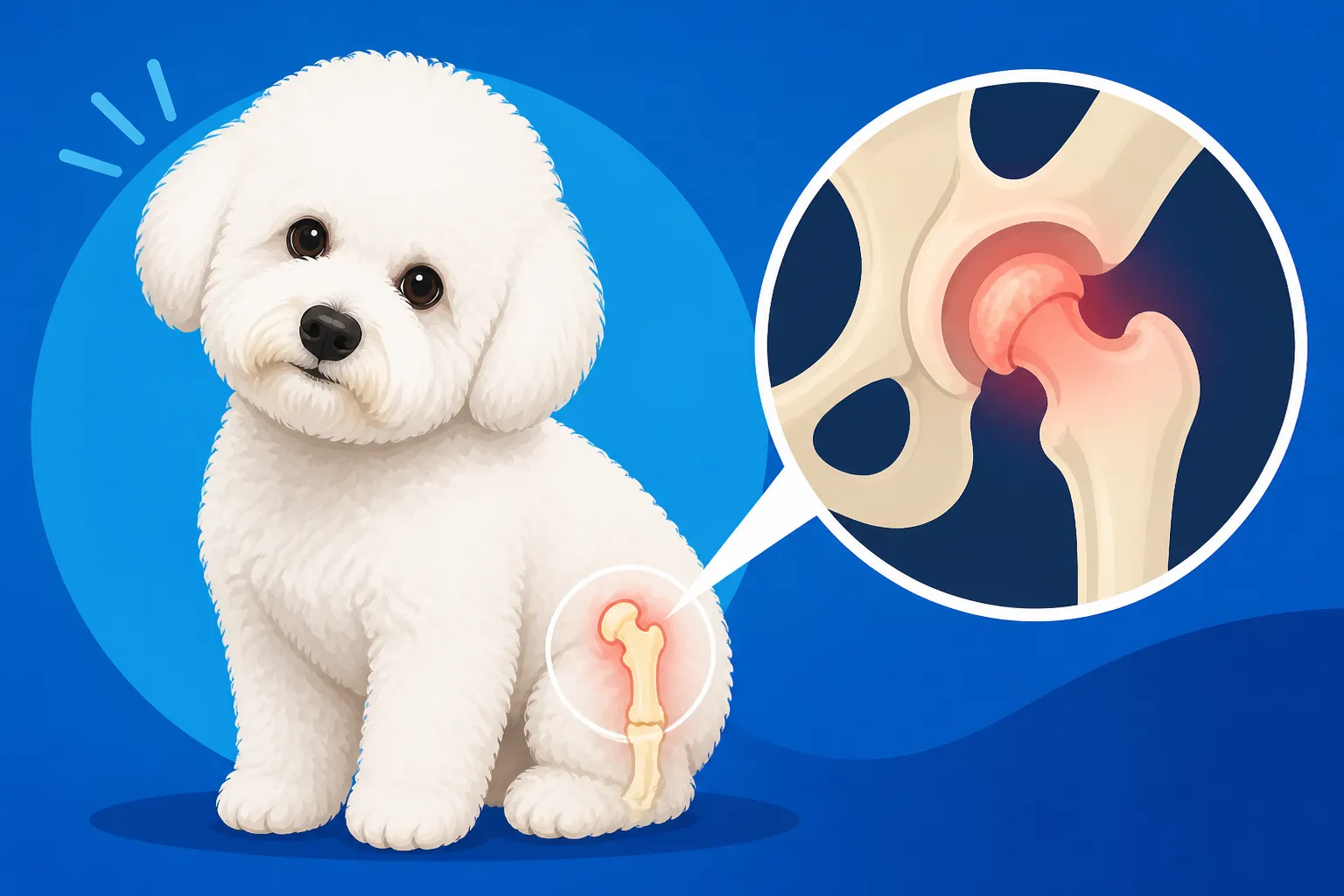
Legg-Calve-Perthes disease, often shortened to LCP, is a rather mouthful of a name for a condition that affects the hip joint. Specifically, it involves the head of the femur – that’s the ball part of the ball-and-socket hip joint. In dogs with LCP, the blood supply to this femoral head is disrupted. Without adequate blood flow, the bone cells start to die, leading to necrosis and eventually, the bone tissue actually collapses and degrades. Imagine a tiny, critical part of a complex mechanism slowly losing its integrity, causing friction and pain with every movement.
This loss of blood supply isn't due to trauma or infection, but rather an aseptic necrosis – meaning it happens without infection. The exact cause isn't always clear, but it's believed to be a combination of genetic predisposition and possibly other factors impacting blood vessel development. As the femoral head breaks down, the smooth, comfortable movement within the hip joint becomes rough and agonizing. This leads to inflammation, pain, and eventually, arthritis, making even simple acts like walking or running incredibly difficult for your little one.
Why Bichon Frises Are Particularly Susceptible
It often feels unfair when certain breeds are singled out for specific health issues, and unfortunately, the Bichon Frise is one of those breeds with a known predisposition to Legg-Calve-Perthes. While LCP can affect any small breed dog, it’s notably more common in toy and small breeds weighing less than 25 pounds, and our charming Bichons fit right into that category.
The prevailing theory among veterinarians and researchers is that there's a strong genetic component at play. It's not a condition that "just happens" randomly; there appears to be an inherited susceptibility within certain bloodlines. This means that if a Bichon Frise's parents or close relatives had LCP, the puppy might be at a higher risk. This is why it's so incredibly important to seek out a reputable breeder who performs appropriate The Health Tests Both Bichon Frise Parents Should Have. Such breeders are dedicated to screening their breeding dogs for genetic conditions to minimize the chances of passing them on. Without proper screening, you could unknowingly adopt a puppy with a higher likelihood of developing this painful condition.
When to Expect Legg-Calve-Perthes Symptoms to Appear
One of the most concerning aspects of Legg-Calve-Perthes disease is that it affects young, otherwise healthy puppies, often catching owners completely off guard. You expect puppyhood to be a time of joyful discovery and boundless energy, not chronic pain.
The Typical Age Range for Onset
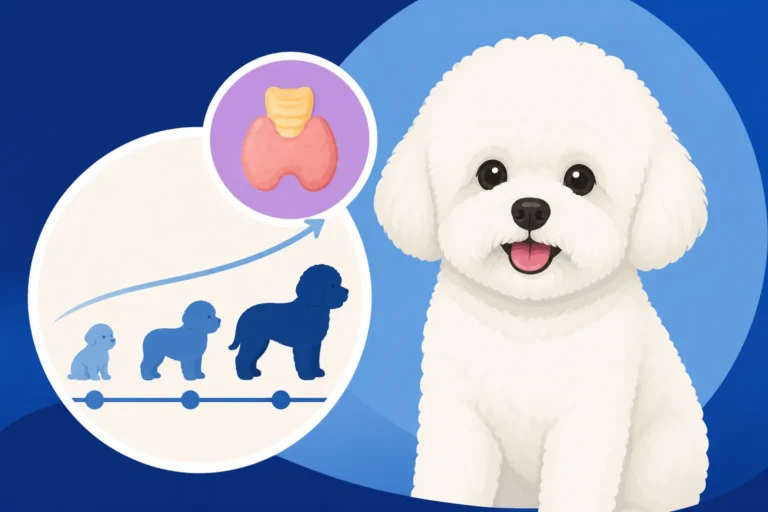
The core question many worried Bichon parents ask is, "When does this typically show up?" The answer, frustratingly, is usually during their most active, adorable puppy months. Legg-Calve-Perthes disease most commonly manifests in Bichon Frises, and other predisposed small breeds, between 4 and 12 months of age. Sometimes it can appear a little earlier, around 3 months, or occasionally as late as 18 months, but that 4-to-12-month window is the most common timeframe.
During this period, puppies are growing rapidly, their bones are still developing, and they are typically at their peak of puppy exuberance. The onset of symptoms can be gradual or quite sudden. You might first notice a subtle change – a slight reluctance to put full weight on one hind leg, perhaps after a particularly vigorous play session. Over a few weeks, this limp usually becomes more pronounced and consistent. It's truly heartbreaking to see your vivacious little dog start to lose its youthful spring.
Recognizing the Early Signs of Legg-Calve-Perthes
Being able to spot the early warning signs of LCP can make a significant difference in how quickly your Bichon gets help and how well they recover. As a pet parent, you're the first line of defense, and noticing these subtle cues is crucial.
The most obvious sign, as mentioned, is a gradual or sudden onset of limping in one of the hind legs. It might start as an intermittent limp that you only see after long walks or intense play, but it tends to progress to a constant limp. You might observe your Bichon holding the affected leg up, unwilling to put weight on it, almost as if they're trying to keep it off the ground.
Beyond just limping, look for other behavioral changes:
- Pain response: Your Bichon might cry out or react defensively if you try to touch their hip area or manipulate the affected leg. This isn't your happy-go-lucky Bichon being stubborn; it's a sign of real discomfort.
- Muscle atrophy: Over time, if the leg isn't used properly, the muscles in the affected thigh will start to shrink. You might notice one hind leg looking visibly thinner than the other.
- Reluctance to play or exercise: A puppy that was once eager to chase balls or go for walks might suddenly seem less interested. They might refuse to jump on furniture, struggle with stairs, or become withdrawn from their usual activities. This change in energy level is a big red flag, especially in a breed known for its "Bichon Blitz" and playful nature.
- Irritability: Pain can make even the sweetest dog a bit grumpy. If your Bichon is uncharacteristically snippy or avoids being picked up, consider pain as a possible cause.
- Chewing at the hip/thigh: Some dogs will lick or chew excessively at the painful area, similar to how they might address an itch, but this is a deep, internal ache.
It's easy to dismiss a subtle limp as a minor sprain or a growing pain, especially in an active puppy. However, if you notice any of these signs, especially within the 4 to 12-month age range, it's absolutely vital to Whether a Limping Bichon Frise Needs X Rays right away. Don't wait to see if it improves on its own, as early intervention can sometimes lead to better outcomes.
Diagnosing and Managing Legg-Calve-Perthes in Your Bichon Frise
When your Bichon Frise is limping and clearly uncomfortable, your mind immediately jumps to "how can I fix this?" The good news is that LCP is a treatable condition, though it does require a clear diagnosis and a dedicated plan.
The Diagnostic Journey: What Your Vet Will Do
When you bring your limping Bichon to the vet, they won't just guess what's wrong. A thorough physical examination is the first step. Your veterinarian will carefully palpate your dog’s hips, checking for pain, reduced range of motion, and any grinding or clicking sounds in the joint. They’ll also assess muscle mass and observe your dog's gait.
However, the definitive diagnosis for Legg-Calve-Perthes comes from X-rays. Your vet will likely take several views of your Bichon's hips, often requiring mild sedation to ensure the dog is comfortable and still for clear images. These X-rays will show characteristic changes in the femoral head and neck if LCP is present, such as areas of lucency (darker spots where bone has been reabsorbed), sclerosis (denser, whiter areas where the body is trying to repair), and eventual flattening or collapse of the femoral head.
It's important that your vet differentiates LCP from other conditions that can cause similar limping in young dogs, such as patellar luxation (slipping kneecaps), or even a traumatic injury. Sometimes, they might also consider conditions like Whether a Bichon Frise Gets Hip Dysplasia, although that is less common in smaller breeds and presents differently on X-rays. A clear X-ray picture is key to understanding exactly what's going on in that hip.
Treatment Options and Prognosis
Once LCP is confirmed, your vet will discuss treatment options. For most Bichon Frises with LCP, the most effective and often recommended treatment is surgical intervention, specifically a Femoral Head Ostectomy (FHO).
- Femoral Head Ostectomy (FHO): This surgery involves removing the damaged femoral head and neck. While it might sound drastic, the idea is to eliminate the painful bone-on-bone rubbing. After the bone is removed, the muscles around the hip form a "false joint" (fibrous pseudoarthrosis), which allows for pain-free movement, though with a slightly altered gait. This surgery is highly successful for small breeds like Bichons because their lighter weight puts less stress on the new false joint, making recovery generally excellent. Your dog will likely feel much better once that painful bone is gone.
- Conservative Management: In very rare, mild cases, or when surgery isn't an option due to other health issues or financial constraints, conservative management might be considered. This involves strict rest, pain medication, anti-inflammatory drugs, and physical therapy. However, for most Bichon Frises, especially those with significant bone degradation, conservative treatment is rarely successful long-term and often results in persistent pain and progressive arthritis. This is typically a last resort and not usually the path to the best quality of life.
The prognosis for a Bichon Frise undergoing FHO surgery is generally very good. With proper post-operative care and rehabilitation, most dogs regain excellent use of their leg, often returning to a happy, active life.
Life After Diagnosis: Supporting Your Bichon Frise
Getting a diagnosis of Legg-Calve-Perthes for your Bichon Frise can feel like a punch to the gut, but remember, it's a manageable condition. The real work, and the true testament to your bond, often begins after diagnosis and treatment.
Post-Surgery Care and Rehabilitation
If your Bichon undergoes an FHO, the recovery period is crucial. It’s not just about letting them heal; it’s about active rehabilitation to ensure they regain full mobility and strength.
Immediately after surgery, your Bichon will need pain management through medication. Your vet will prescribe appropriate pain relievers and anti-inflammatory drugs to keep them comfortable. Strict rest will be necessary for the first few days, limiting activity to short, controlled leash walks for potty breaks. Your dog might also need to wear a cone to prevent licking the incision site.
Once the initial healing phase is over, physical therapy becomes incredibly important. This might involve:
- Passive range of motion (PROM) exercises: Gently flexing and extending the hip joint to prevent stiffness.
- Therapeutic exercises: Simple movements designed to rebuild muscle, like slow leash walks, standing exercises, and controlled stair climbing (under strict supervision).
- Hydrotherapy: Swimming or underwater treadmill therapy can be incredibly beneficial, allowing your Bichon to exercise without putting full weight on the healing leg.
Consistency is key, and working closely with your vet or a certified canine rehabilitation therapist will give your Bichon the best chance at a full recovery. You’ll also need to make some home modifications, such as blocking off stairs, providing ramps for access to furniture (to prevent any unnecessary jumping, which is something you should generally limit for Bichons anyway, as discussed in Whether a Bichon Frise Should Jump Off Furniture), and ensuring non-slip surfaces. This period can be challenging, but seeing your Bichon regain its strength and joy is incredibly rewarding.
Long-Term Outlook and Prevention
The long-term outlook for Bichon Frises who have undergone successful FHO surgery for LCP is generally excellent. Most dogs go on to live full, active lives with minimal to no lameness. They might have a slightly altered gait, but they are typically pain-free and happy. It's rare for LCP to recur in the same hip once the femoral head has been removed, but in some cases, if only one hip was initially affected, the other hip could potentially develop LCP later, though this is less common.
While you can't prevent LCP if your Bichon is genetically predisposed, you can certainly take proactive steps as an owner. First and foremost, when choosing a puppy, always opt for a reputable breeder who screens their breeding dogs and can provide health clearances for generations. This reduces the risk significantly.
Secondly, maintaining a healthy weight is vital for any dog, but especially for those prone to joint issues. Extra weight puts undue stress on joints, which is something you want to avoid. A balanced diet and appropriate exercise are always important. While supplements aren't a preventative, Whether Joint Supplements Help a Bichon Frise in managing arthritis that might develop later in life in any joint.
Finally, consider pet insurance from an early age. Conditions like LCP, with their need for specialist surgery and rehabilitation, can be quite costly. Plans from providers like Healthy Paws can significantly ease the financial burden, ensuring you can make the best medical decisions for your beloved Bichon without financial stress looming over you. Having pet insurance can truly provide peace of mind for unexpected health challenges that might arise during your Bichon's The First Year With a Bichon Frise Puppy and beyond.
Understanding Hip Conditions in Young Bichons
Here's a quick overview of hip-related issues that might affect your young Bichon Frise:
| Condition | Typical Age of Onset | Primary Cause | Key Symptoms | Common Treatment | Prognosis (with treatment) |
|---|---|---|---|---|---|
| Legg-Calve-Perthes | 4-12 months | Aseptic necrosis of femoral head (genetic) | Gradual/sudden hind leg limp, pain, muscle atrophy | Femoral Head Ostectomy (FHO) surgery | Good to excellent |
| Patellar Luxation | Variable (often young) | Inherited anatomical malformation | Intermittent skipping, "bunny hopping," sudden non-weight bearing | Surgical correction (if severe) or conservative management | Good to excellent |
| Trauma/Injury (e.g., sprain) | Any age | Accident, fall, over-exertion | Sudden lameness, swelling, pain immediately after incident | Rest, pain relief, anti-inflammatories | Good (varies with severity) |
Disclaimer
The information provided in this article is for educational purposes only and is not intended to be a substitute for professional veterinary advice, diagnosis, or treatment. Always seek the advice of your veterinarian or other qualified animal health provider with any questions you may have regarding a medical condition.