The Age Cataracts Appear in a Bichon Frise
Discovering your beloved Bichon Frise might be losing their precious eyesight to cataracts is a heartbreaking thought, often leaving us with a flurry of questions and anxieties. It's tough seeing their bright, curious eyes become cloudy, and wondering if this is a natural part of aging or something that could have been prevented. This guide aims to demystify cataracts in Bichon Frises, specifically addressing the age at which these common eye conditions typically begin to appear, what signs to look for, and how best to support your furry family member through this journey.
Understanding Cataracts in Bichon Frises
Seeing a cloudy film start to obscure your Bichon Frise's usually bright, expressive eyes can be alarming. Many of us jump straight to thinking of old age, but the truth about cataracts is a little more nuanced, especially in a breed like the Bichon Frise. A cataract isn't just a foggy lens; it's a structural change within the eye itself.
What Exactly is a Cataract?
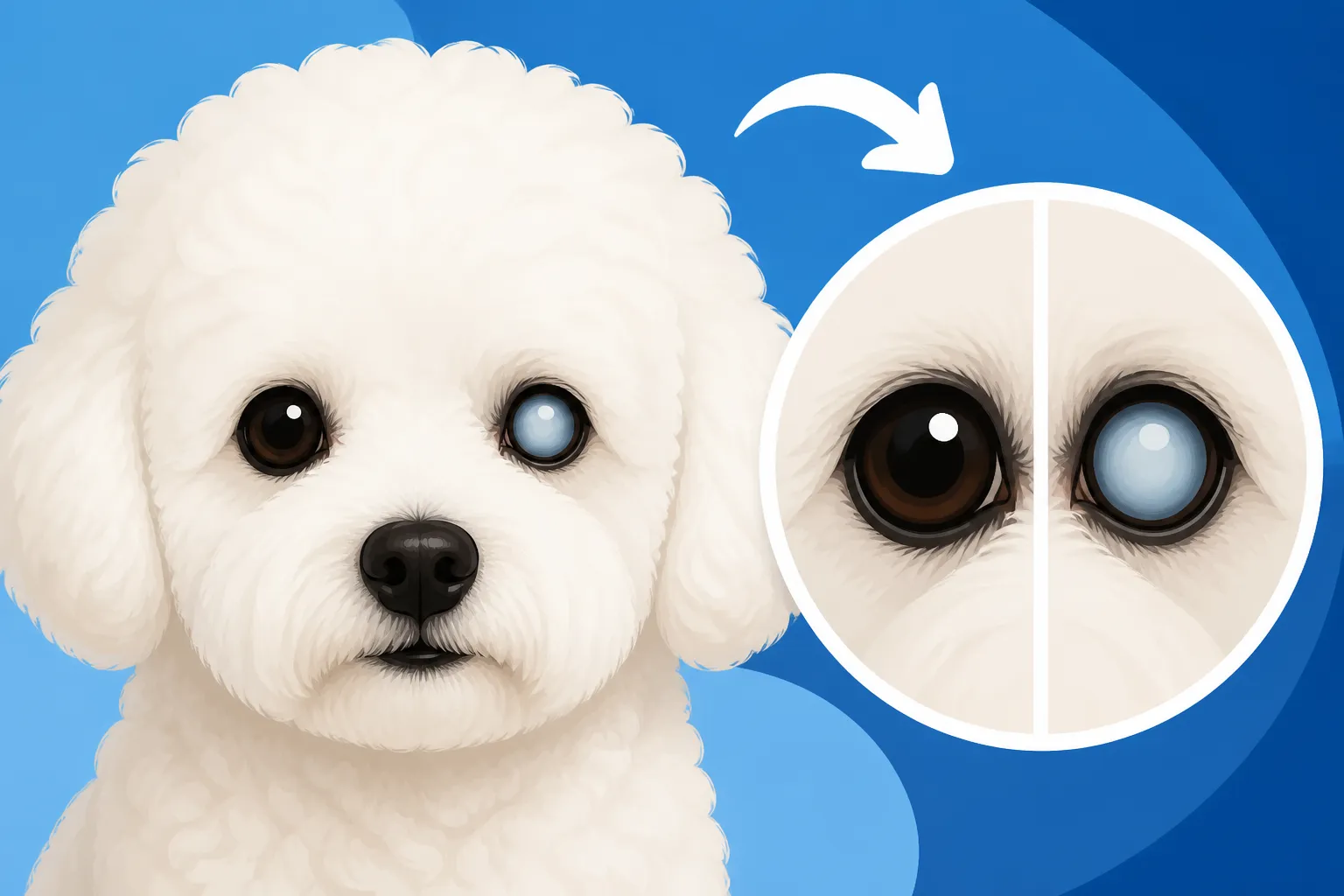
At its core, a cataract is an opacity or cloudiness that develops in the lens of the eye. Think of the lens in your dog's eye like a tiny, perfectly clear window designed to focus light onto the retina, which then sends visual signals to the brain. When a cataract forms, this clear window becomes cloudy, opaque, or even completely white, much like looking through a frosted pane of glass. This cloudiness prevents light from passing through properly, leading to blurred vision and, in severe cases, complete blindness. Unlike a simple film on the surface, a cataract is within the lens, meaning it can't be wiped away or treated with eye drops to dissolve it. This internal change is permanent without surgical intervention.
The severity can range from a tiny, almost imperceptible spot to a complete milky white obstruction that significantly impacts their ability to see. It’s a progressive condition, meaning it often starts small and gradually worsens over time, sometimes slowly, sometimes quite rapidly.
Why Are Bichon Frises Prone to Them?
It's a tough pill to swallow, but some breeds are simply predisposed to certain health conditions, and unfortunately, Bichon Frises are on the list for developing cataracts. While any dog can get cataracts, genetics play a significant role in their prevalence within the Bichon Frise breed. They are known to inherit conditions that affect their eyes.
Breed-specific predispositions often mean that a particular gene or set of genes makes them more susceptible. For Bichons, this can manifest as juvenile cataracts, which we'll delve into shortly. Beyond genetics, other factors can increase risk. The most significant culprit outside of inherited traits is diabetes mellitus. Dogs with diabetes are highly prone to developing cataracts, often rapidly. The high sugar levels in their blood can lead to changes in the lens, causing it to swell and become opaque. If you've been concerned about Diabetes in a Bichon Frise, it's important to understand the connection to eye health. Trauma to the eye, certain nutritional deficiencies (though less common with commercial dog foods), or even exposure to radiation can also cause cataracts, but these are generally less frequent causes than genetics or diabetes in Bichons.
How Cataracts Manifest and Progress
The way cataracts show up and develop can vary wildly. Sometimes, you might first notice a subtle cloudiness, almost like a blue-grey haze, in the center of their pupil. This can easily be mistaken for nuclear sclerosis, a normal age-related change where the lens hardens and appears cloudy but generally doesn't significantly impair vision. However, with true cataracts, the cloudiness will be denser and often appear as a more distinct white or grey opaque area.
As a cataract progresses, it might start as a small dot (incipient), grow to cover more of the lens (immature), become completely opaque (mature), and in some cases, even shrink and resorb (hypermature), though this can lead to complications like inflammation. The rate of progression isn't uniform. Some cataracts might take years to fully mature, while others, particularly those caused by diabetes, can develop from clear to completely opaque within weeks or even days. This rapid progression is incredibly distressing for owners and dogs alike, as it means a sudden and significant loss of vision. It's crucial for pet parents to understand The Eyes a Bichon Frise Inherits and to monitor them closely for any changes.
The Typical Age of Onset for Cataracts in Bichon Frises
One of the most pressing questions for Bichon Frise owners is, "When should I start worrying about cataracts?" The answer isn't a single age, but rather a range that depends on the type of cataract. It's important to distinguish between those that appear early in life and those that develop as part of the aging process.
Juvenile Cataracts vs. Age-Related Cataracts
When we talk about cataracts, it's helpful to categorize them by when they show up.
- Juvenile Cataracts: These are the ones that really catch owners off guard because they appear in young dogs, often before they are two or three years old. For breeds like the Bichon Frise, juvenile cataracts are typically inherited. This means a puppy is born with the genetic predisposition, and the cataracts manifest as they grow, sometimes even being present at birth, though often developing in their first year or two. The early onset can be particularly challenging as it impacts a dog's formative learning and socialization period.
- Age-Related (Senile) Cataracts: These are what most people think of when they hear "cataracts." They develop as a dog gets older, usually after the age of six or seven, and are a natural part of the aging process, much like in humans. While still impactful, their gradual onset sometimes allows dogs more time to adapt to their diminishing vision.
Understanding this distinction is vital for a Bichon Frise owner. If you have a young Bichon, early signs of cloudiness should be taken very seriously and promptly investigated by a veterinary ophthalmologist.
What 'Juvenile' Really Means for Bichons
For a Bichon Frise, "juvenile" doesn't necessarily mean a tiny puppy. While some can present very early, often, these inherited cataracts begin to manifest subtly between 6 months and 3 years of age. You might notice a slight haziness that progresses over the next few months to a year. This type of cataract is often bilateral, meaning it affects both eyes, though not always at the same rate or to the same degree. It’s devastating to see a young, otherwise healthy dog starting to lose its sight. This is why responsible breeding practices often involve screening breeding dogs for inherited eye diseases. If you're considering getting a Bichon puppy, inquire about the parents' eye health history.
When Senior Cataracts Usually Appear
As our beloved Bichons enter their golden years, typically after the age of seven or eight, we often start to see changes that signal age-related cataracts. This is particularly true for Bichons reaching Caring for a Bichon Frise Past Eleven and beyond. By this stage, their eyes might already have some nuclear sclerosis, making it a bit harder to differentiate from true cataracts without a vet's examination. Senior cataracts generally progress more slowly than juvenile or diabetic cataracts, allowing more time for owners and dogs to adjust. However, even a slow progression can eventually lead to significant vision impairment, affecting their mobility, confidence, and overall quality of life. Regular veterinary check-ups, including thorough eye examinations, become even more critical as they age.
How Quickly They Develop
The speed at which a cataract develops is not uniform across all cases.
Diabetic cataracts, as mentioned, are notorious for their rapid progression. If your Bichon Frise develops diabetes, expect their vision to change dramatically within weeks, sometimes even days. This rapid onset can be truly disorienting for a dog, as they don't have time to adapt to their surroundings.
Inherited juvenile cataracts tend to progress at a moderate pace, often maturing over several months to a year or two. This still leaves a relatively young dog with significant vision challenges.
Age-related cataracts are typically the slowest progressing, often taking years to cause severe vision loss. However, this isn't always the case, and some senior dogs can experience a quicker decline.
Recognizing the signs early and understanding the potential speed of progression is paramount for effective management and maintaining your Bichon's quality of life.
Factors Influencing Cataract Development and Progression
While genetics are a major player for Bichon Frises, several other factors can significantly influence whether cataracts develop and how quickly they progress. Understanding these can help you better manage your dog's overall health and eye care.
Genetics: The Role of Inherited Traits
For Bichon Frises, the genetic component of cataracts is undeniably strong. Many cases, especially those appearing in younger dogs (juvenile cataracts), are hereditary. This means that a particular gene, or a combination of genes, passed down from their parents, makes them predisposed to developing cataracts. It's not about what you did or didn't do; it's simply part of their genetic makeup. This is why reputable breeders often conduct genetic testing and careful pedigree analysis to try and minimize the transmission of such traits. If you’re getting a puppy, asking about the eye health of the parent dogs and previous litters can provide valuable insight. This is part of ensuring you're bringing home a healthy companion. The unfortunate reality is that sometimes, even with careful breeding, these conditions can arise.
Underlying Health Conditions: Diabetes as a Major Factor
Beyond genetics, certain health conditions can dramatically increase the risk of cataracts. The most prominent example, as highlighted earlier, is diabetes mellitus. When a dog has diabetes, their body struggles to regulate blood sugar levels. High glucose levels in the bloodstream seep into the lens of the eye, where it's converted into sorbitol. This sorbitol draws water into the lens, causing swelling, disruption of lens fibers, and ultimately, opacity. Diabetic cataracts often affect both eyes and progress with startling speed, sometimes leading to complete blindness within a matter of days or weeks after diabetes diagnosis. This is a crucial reminder of the importance of Managing an Insulin Dependent Bichon Frise effectively and being vigilant for any signs of diabetes. Other less common systemic diseases or severe eye inflammation can also contribute to cataract formation.
Nutrition and Lifestyle Considerations
While nutrition isn't as primary a cause of cataracts in dogs as it can be in humans, a balanced, high-quality diet supports overall eye health. Antioxidants, like vitamins C and E, lutein, and beta-carotene, are thought to play a role in maintaining lens clarity by combating oxidative stress. While no specific diet or supplement can prevent genetically predisposed cataracts, ensuring your Bichon receives a complete and balanced diet is always beneficial for their general well-being. Avoiding excessive treats and human foods, especially those high in sugar, is also important, not only for preventing diabetes but for overall health. Obesity can also exacerbate various health issues, indirectly affecting eye health.
Environmental Factors
While less common than genetic or metabolic causes, external factors can also contribute to cataracts. Severe trauma to the eye, such as a blunt force injury, can directly damage the lens and lead to a localized cataract. Prolonged exposure to intense UV radiation has also been implicated in cataract development in some species, though its direct impact on canine cataracts is less clear compared to humans. However, if your Bichon spends a lot of time outdoors in bright sunlight, especially at high altitudes, it might be a consideration. Regular check-ups are key to catching any issues early. You might even consider discussing Whether a Bichon Frise Needs a Yearly Eye Exam with your vet, especially if your dog falls into a higher risk category.
| Cataract Type | Typical Age of Onset | Rate of Progression | Primary Cause(s) | Notes |
|---|---|---|---|---|
| Juvenile Inherited | 6 months to 3 years | Moderate to Rapid | Genetic predisposition | Often affects both eyes; can lead to early blindness. |
| Diabetic | Any age (post-diabetes) | Very Rapid | Uncontrolled blood sugar (diabetes) | Usually bilateral; can cause blindness in weeks. |
| Age-Related (Senile) | 7+ years | Slow to Moderate | Natural aging process | Commonly seen in older dogs; may be confused with nuclear sclerosis. |
| Traumatic | Any age | Variable | Injury to the eye | Can be unilateral or bilateral depending on injury. |
| Nutritional | Usually puppyhood | Variable | Specific dietary deficiencies (rare today) | Less common with commercially balanced diets. |
Detecting Cataracts and When to See Your Vet
Catching cataracts early can make a significant difference in management and treatment outcomes. As a pet parent, being vigilant about changes in your Bichon Frise's eyes or behavior is your first line of defense.
Early Signs a Pet Parent Might Notice
It's natural to miss the very first, subtle signs of cataracts, especially if they're small or located in the periphery of the lens. However, as they progress, you might start noticing a few things. The most obvious, of course, is the cloudiness or milky white appearance in your dog's pupils. This often looks like a grey film covering their eye.
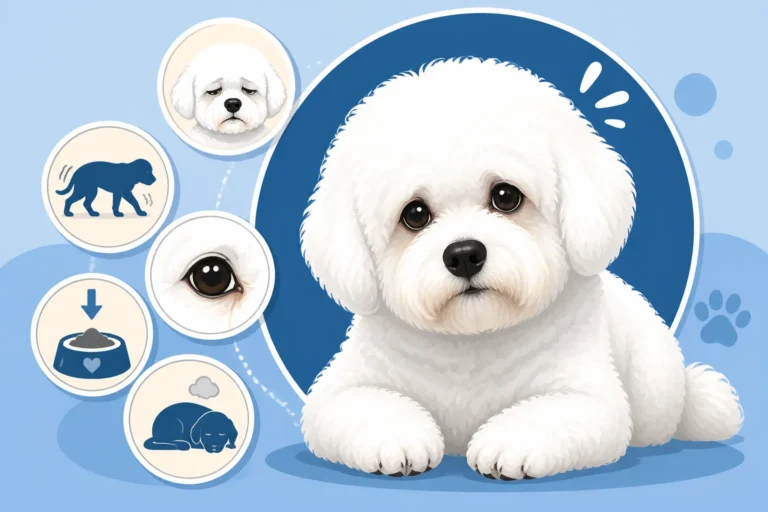
Beyond the visible changes, observe your Bichon's behavior. Are they hesitating more when going up or down stairs? Do they bump into furniture, especially in dimly lit rooms or when you've rearranged something? Are they less willing to go for walks at dusk or in unfamiliar places? You might also notice them being more easily startled by sudden movements or sounds they previously ignored. In advanced stages, they might show reluctance to play fetch or track moving objects. Some dogs might develop a "starry gaze" as their pupils dilate to try and let in more light. Any sudden change in behavior or confidence, particularly those related to navigating their environment, should prompt a closer look at their eyes.
The Importance of Regular Eye Exams
This brings us to the absolute necessity of regular veterinary check-ups. Even if you don't notice anything amiss, your veterinarian is trained to spot subtle changes during a routine physical exam. For breeds like the Bichon Frise, known for certain predispositions, some vets might even recommend more frequent or specialized eye checks. For senior Bichons, these regular check-ups are vital, not just for eyes but for overall health. A routine exam can differentiate between a benign age-related change like nuclear sclerosis and a developing cataract. These preventative measures are crucial in maintaining their quality of life for The Fourteen to Fifteen Years a Bichon Frise Lives.
What a Vet Looks for During an Examination
During an eye exam, your vet won't just glance at your Bichon's eyes. They'll use specialized tools to get a clearer picture. This typically includes an ophthalmoscope, which allows them to shine a light into the eye and magnify the lens and retina. They'll be looking for any opacities, their size, location, and density. They might also check your dog's pupillary light reflexes, visual tracking, and overall ocular health. If they suspect cataracts, they might refer you to a veterinary ophthalmologist – a specialist in animal eye diseases. An ophthalmologist has even more advanced equipment, such as a slit lamp biomicroscope, which provides a much more detailed, magnified view of the lens layers, allowing for precise diagnosis and staging of the cataract. They can also perform an electroretinogram (ERG) to assess retinal function, which is critical for determining if cataract surgery would be beneficial.
Differentiating Cataracts from Other Eye Conditions
It's easy for us, as loving pet parents, to panic at the first sign of cloudiness. However, not all cloudy eyes mean cataracts, and this is where professional diagnosis is crucial. The most common condition often mistaken for cataracts, especially in older Bichons, is nuclear sclerosis. This is a normal aging change where the lens fibers harden and compress, giving the pupil a bluish-grey, hazy appearance. While it makes the eye look cloudy, it rarely affects vision significantly. Dogs with nuclear sclerosis can usually still see quite well.
Another condition is dry eye (Keratoconjunctivitis Sicca or KCS), where inadequate tear production can lead to a dull, sometimes cloudy appearance of the cornea (the front surface of the eye), often accompanied by redness and discharge. While Whether a Bichon Frise Gets Dry Eye is a different issue, it highlights the importance of precise diagnosis. A vet will perform a Schirmer tear test to check for dry eye and use specialized dyes to check for corneal ulcers, which can also cause cloudiness. Given that Bichons can be prone to various eye issues, relying on a professional diagnosis is the best approach to ensure your furry friend gets the correct treatment.
Living with a Bichon Frise with Cataracts
Finding out your Bichon Frise has cataracts can be overwhelming, but it doesn't mean their quality of life has to plummet. There are many ways to support them, from medical interventions to simple home adjustments.
Management Options: Surgery and Non-Surgical Approaches
When it comes to cataracts, the only definitive treatment to restore vision is surgical removal. This is typically performed by a board-certified veterinary ophthalmologist using phacoemulsification, the same technique used in humans. A tiny incision is made, and an ultrasonic probe is used to break up the cloudy lens, which is then suctioned out. An artificial intraocular lens (IOL) is usually implanted to restore focus. Success rates are very high, often around 90-95%, especially when the retina is healthy. If your Bichon's retina is compromised or they have other severe eye conditions, surgery might not be an option. Insurance providers like Healthy Paws can be a real lifesaver here, as cataract surgery can be quite expensive. It's wise to consider Whether Cataract Surgery Suits a Bichon Frise based on their overall health and prognosis.
For dogs where surgery isn't an option due to age, other health issues, or financial constraints, the focus shifts to non-surgical management. This primarily involves managing secondary complications and adapting to vision loss. Anti-inflammatory eye drops may be prescribed if the cataracts are causing inflammation (uveitis), but these drops will not dissolve the cataracts or improve vision. The goal is simply to keep your dog comfortable and prevent further eye damage.
Adapting the Home Environment
Living with a dog losing their sight requires some adjustments, but it’s amazing how well dogs can adapt with a little help from their human companions.
- Maintain Consistency: Keep furniture and belongings in consistent locations. A blind or partially sighted dog relies on memory and scent to navigate their home. Avoid rearranging furniture without careful consideration.
- Safety First: Block off stairs with gates, secure swimming pools, and ensure dangerous objects are out of reach. Pad sharp corners on furniture.
- Sensory Cues: Use different textures on the floor to signal changes in areas, like a rug before a step. Scent markers (e.g., essential oils diluted and applied to doorframes) can also guide them.
- Verbal Cues: Start using consistent verbal commands for "step up," "watch out," "stop," etc. Your voice becomes their compass.
- Outdoor Safety: Always keep your Bichon on a leash when outside, even in a fenced yard, to prevent them from wandering into danger. Supervise them closely.
- Comfort and Confidence: Provide cozy, easily accessible beds and food/water bowls. Build their confidence with plenty of praise and familiar routines.
Remember, your Bichon Frise still wants to be an active, happy member of your family. Whether a Bichon Frise Goes Blind is a frightening thought, but with your loving support, they can still enjoy a rich and fulfilling life.
Quality of Life Considerations
Ultimately, the decision about surgery or how to manage a blind Bichon Frise comes down to their quality of life. Dogs are incredibly resilient, and many adapt remarkably well to vision loss, especially if it happens gradually. They rely heavily on their other senses – smell and hearing – which often become heightened to compensate.
If your Bichon is still happy, engaged, eating well, and enjoying walks (even if shorter and more cautious), then their quality of life is likely good. However, if they become disoriented, anxious, withdrawn, or are constantly bumping into things and hurting themselves, then it's time for a serious conversation with your vet about further interventions or ways to improve their comfort. Financial considerations are also a real part of this discussion; while pet insurance from providers like Healthy Paws can help, the cumulative cost of managing chronic conditions or multiple surgeries for What One Bichon Frise Stone Surgery Costs and What Three Cost or eye issues can be significant. Ensuring they are comfortable, safe, and loved is the paramount goal, regardless of their visual acuity.
Disclaimer
The information provided in this article is for general informational purposes only and is not intended as a substitute for professional veterinary advice. Always seek the advice of your veterinarian or other qualified animal health provider with any questions you may have regarding a medical condition or treatment for your Bichon Frise.