Arthritis in a Bichon Frise at Eleven
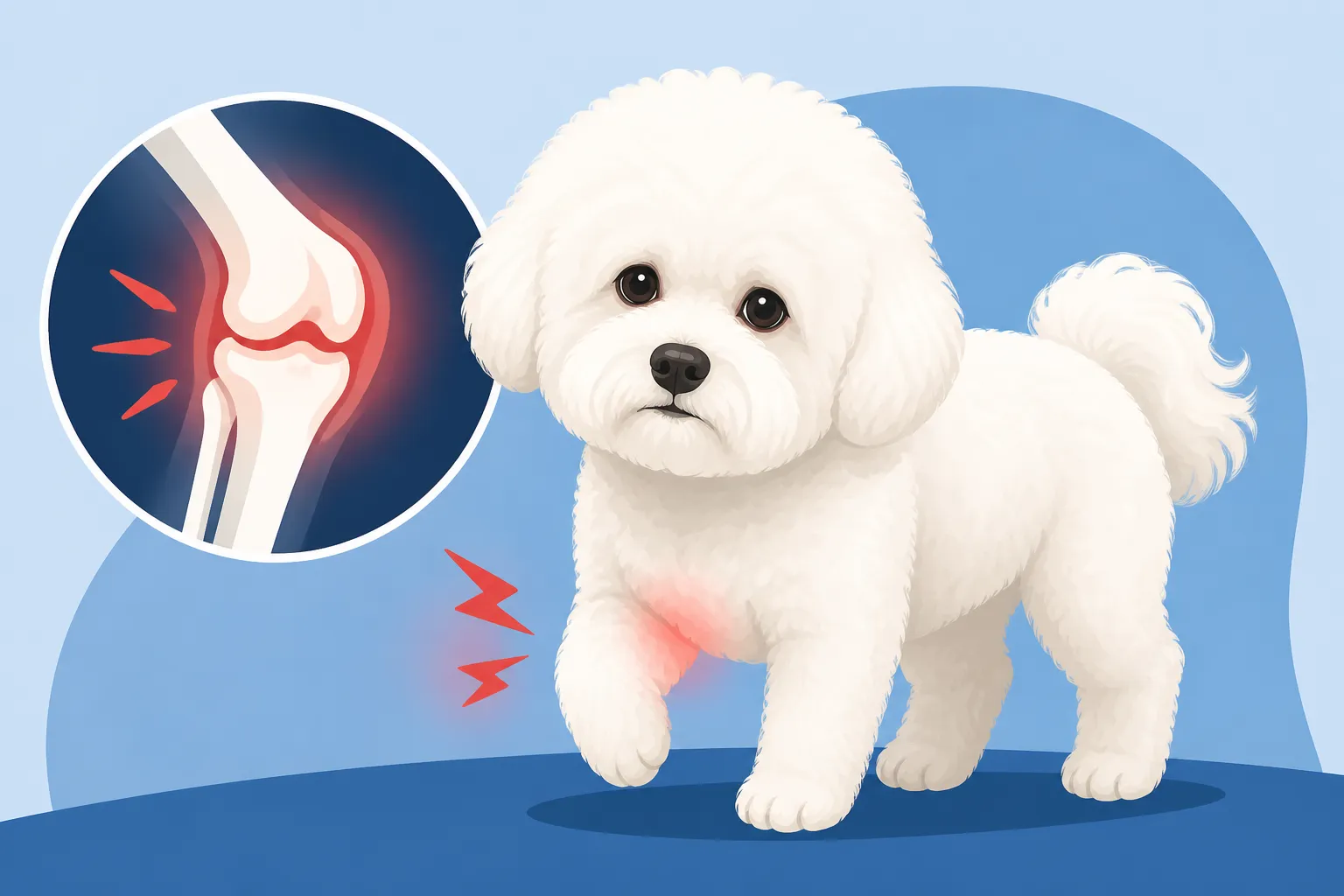
It's heartbreaking to watch our beloved Bichon Frises slow down as they enter their golden years, especially when they've always been such energetic, joyful companions. If your Bichon is around eleven years old, you might start noticing subtle shifts in their movement or enthusiasm, and often, this points to arthritis. This guide aims to help you understand what arthritis looks like in a senior Bichon Frise, how it's diagnosed, and the most effective ways to manage their comfort and maintain their happy, fluffy lives.
Recognizing the Subtle Signs of Arthritis in Your Senior Bichon Frise
When your Bichon Frise hits eleven, they're officially a senior citizen in dog years, and just like us, old age can bring its aches and pains. Arthritis, or osteoarthritis, is incredibly common in older dogs, and our little Bichons are certainly no exception. The challenge is that dogs are masters at hiding their discomfort, so you really have to be a detective to spot the early warning signs.
The Silent Language of Pain: What to Watch For
The lively, bouncy spirit that defines a Bichon Frise can make the onset of arthritis seem particularly jarring. You might first notice that they're not quite as quick to greet you at the door, or perhaps their famous "Bichon Blitz" zoomies are less frequent, or even non-existent. A classic sign is a general slowing down. They might hesitate before jumping onto the sofa, or they might even stop trying altogether, opting to lie on the floor instead. This isn't just them being lazy; it's often a sign that jumping causes them pain.
Another common indicator is stiffness, especially after rest. After a long nap, your Bichon might struggle to get up, perhaps taking a few wobbly steps before moving more fluidly. You might observe a change in their gait – a slight limp, a shorter stride, or favoring one leg over another. They might be less enthusiastic about walks, or tire more quickly than they used to. Even subtle behavioral shifts can be a clue; a normally cuddly Bichon might become withdrawn, or snap if touched in a sensitive area. Sometimes, a previously housetrained dog might even start having accidents indoors, not because they've forgotten their training, but because it's too painful or difficult to get outside in time. This is also why it's crucial to distinguish between a training issue and a medical one, as a sudden change in toilet habits could also signal other problems like The First Signs a Bichon Frise Has Stones or Whether a Bichon Frise's Small Bladder Is the Problem.
Differentiating Arthritis from Other Age-Related Issues
It's easy to dismiss some of these signs as "just old age," but it's important not to. While slowing down is part of aging, pain doesn't have to be. Many other conditions can mimic or contribute to arthritic symptoms in an eleven-year-old Bichon. For instance, some Bichons might have Slipping Kneecaps in a Bichon Frise from a younger age, which can definitely predispose them to developing arthritis in those joints as they get older. If you notice a characteristic "skip" in their step, it could be a sign of a luxating patella that has worsened or is leading to secondary arthritis.
Other conditions like disc disease in the spine, nerve impingement, or even subtle changes related to hypothyroidism can present with similar lameness or weakness. Diabetes, which can affect Bichons, might also impact their overall energy levels and muscle strength, making it harder to discern if joint pain is the primary issue. This is why a thorough veterinary examination is absolutely critical. You might think your pup is just being grumpy, but there could be a very real medical reason behind it. Understanding The Signs a Bichon Frise Is Getting Old can help you recognize the broader picture of aging, but a vet's expertise is needed to pinpoint the cause of specific discomfort.
Getting a Diagnosis and Understanding the Severity
Once you suspect your Bichon Frise might be dealing with arthritis, the next crucial step is a visit to your veterinarian. Don't put it off, thinking it's just something they have to live with. Early diagnosis and intervention can make a world of difference in your dog's comfort and quality of life.
Your Vet Visit: What to Expect and How to Prepare
When you take your eleven-year-old Bichon to the vet for suspected arthritis, be prepared to provide a detailed history. Your observations are invaluable, so jot down any changes you've noticed: when they started, what makes them better or worse, specific activities they avoid, and any changes in appetite or mood. The vet will perform a comprehensive physical exam, paying close attention to your dog's musculoskeletal system. They'll gently palpate (feel) their joints, check their range of motion, and observe their gait as they walk around the examination room. Don't be surprised if they ask you to walk your dog back and forth a few times, as they're looking for subtle lameness or stiffness that might not be obvious when your dog is simply standing.
To get a clearer picture, your vet will likely recommend X-rays of the affected joints. These images can show changes in the joint space, bone spurs (osteophytes), and other indicators of osteoarthritis. In some cases, blood tests might also be recommended to rule out other underlying health issues or to ensure your dog is healthy enough for certain medications. Being a strong advocate for your Bichon means being thorough in your descriptions and asking questions about the findings and the proposed diagnostic plan.
Common Joints Affected and Associated Conditions
In Bichon Frises, certain joints are more prone to arthritic changes. The knees are often a primary concern, especially for those who have a history of The Skip That Means a Bichon Frise's Knee Has Gone due to patellar luxation. When the kneecap repeatedly slips out of place, it causes abnormal wear and tear on the joint cartilage, leading to premature arthritis. Hips can also be affected, though Whether a Bichon Frise Gets Hip Dysplasia is generally less common than in larger breeds, it's not unheard of, and any hip abnormality can contribute to arthritis.
The spine is another frequent site for arthritis in older dogs. You might notice stiffness in their back, reluctance to arch or stretch, or pain when handled along their spine. Sometimes, arthritis in one joint can lead to compensatory pain in another. For example, a dog trying to protect a sore knee might put more strain on their back or the other leg, leading to secondary pain and stiffness. It's a domino effect, so understanding the interconnectedness of their skeletal system is crucial for a holistic management plan. Conditions like Legg-Calve-Perthes disease, while more common in younger dogs, can also leave residual joint issues that predispose them to arthritis later in life.
Comprehensive Management Strategies for an Eleven-Year-Old Bichon with Arthritis
Living with an arthritic Bichon Frise at eleven means focusing on managing their pain and making their daily life as comfortable and joyful as possible. It's rarely a "cure," but rather a lifelong journey of supportive care that combines medical treatment with thoughtful lifestyle adjustments.
Medical Approaches: Pain Relief and Anti-Inflammatories
The cornerstone of arthritis management often involves medication prescribed by your vet. Non-steroidal anti-inflammatory drugs (NSAIDs) are commonly used to reduce pain and inflammation. Brands like Carprofen (Rimadyl), Meloxicam (Metacam), or Galliprant are frequent choices. It's important to remember that these are prescription medications and require careful monitoring, as they can have side effects, particularly on the liver and kidneys. Your vet will likely recommend regular blood tests to ensure your Bichon is tolerating the medication well.
Beyond NSAIDs, other pain relievers might be used, either alone or in combination. Gabapentin, an analgesic and anticonvulsant, can be very effective for neuropathic pain (nerve-related pain) which sometimes accompanies severe arthritis. Amantadine is another medication that can help with chronic pain by modulating pain pathways in the brain. Your vet might explore injections like Adequan (polysulfated glycosaminoglycan) which helps protect cartilage and improve joint fluid, or even newer therapies such as monoclonal antibody injections like Librela, which target nerve growth factor involved in pain transmission. These advanced options can offer significant relief and improve mobility for many dogs, including our precious Bichons.
Lifestyle Adjustments and Environmental Modifications
Medication is only one piece of the puzzle; making adjustments to your Bichon's environment and routine is equally important. When it comes to exercise, the goal isn't to stop it completely but to modify it. Instead of long, strenuous walks, opt for shorter, more frequent outings. Gentle leash walks on soft surfaces are ideal, avoiding hard pavements or slippery floors. Swimming, if your Bichon enjoys it and you have access to a safe facility, can be a fantastic non-weight-bearing exercise that builds muscle without stressing joints.
At home, consider adding ramps or steps to help your Bichon get onto furniture or into the car, rather than letting them jump. Place non-slip rugs on slick floors to prevent slips and falls, which can exacerbate pain or lead to injury. An orthopedic bed can provide much-needed support for aching joints. Keeping your Bichon at a healthy weight is paramount, as extra pounds put significant strain on arthritic joints. If your Bichon is overweight, discussing a weight loss plan with your vet is a critical step. Regular, gentle grooming is also important, but be mindful of their pain. An older Bichon may struggle to stand for long periods or tolerate certain positions. You might need to adjust their grooming routine or find a groomer experienced with senior dogs who can accommodate their needs.
Nutritional Support and Supplements
What you feed your Bichon Frise can also play a vital role in managing their arthritis. Many vets recommend joint supplements containing ingredients like glucosamine, chondroitin sulfate, and MSM. These compounds are believed to help support cartilage health and reduce inflammation. Omega-3 fatty acids, particularly EPA and DHA found in fish oil, are powerful natural anti-inflammatories and can be very beneficial. There are many reputable brands available, but it's always best to discuss specific dosages and products with your vet, especially when considering Whether Joint Supplements Help a Bichon Frise.
Some commercial diets are specially formulated for senior dogs or those with joint issues, often containing higher levels of omega-3s and joint-supporting nutrients. These therapeutic diets can be a convenient way to ensure your Bichon is getting the right nutritional support. For Bichons prone to other conditions, like bladder stones, a balanced approach is key, as some urinary diets might conflict with joint support. Always consult your vet about the best dietary choices to cater to all of your dog's specific health needs, especially if they are also on The Diet a Bichon Frise Stays On for Life for stone prevention.
| Symptom of Arthritis | Potential Intervention/Action |
|---|---|
| Reluctance to jump/climb | Ramps or steps, avoiding high furniture |
| Stiffness after rest | Warm compresses, gentle massage, pain medication |
| Limping or favoring a leg | Veterinary exam, X-rays, medication, reduced activity |
| Reduced activity/play | Shorter, frequent walks, non-weight-bearing exercise |
| Difficulty rising | Orthopedic bed, supportive matting on floors |
| Personality changes (grumpiness) | Pain management, quiet environment, gentle handling |
| Weight gain | Calorie reduction, veterinary-supervised weight loss plan |
| Slipping on floors | Non-slip rugs, paw pads, keeping nails trimmed |
The Emotional Toll and Long-Term Outlook for Your Aging Friend
Watching your once-frisky Bichon Frise battle arthritis can be emotionally challenging. It's a journey that requires patience, understanding, and a willingness to adapt. But remember, with the right care, your eleven-year-old companion can still enjoy a high quality of life.
Adapting Your Routine and Maintaining Quality of Life
As your Bichon ages and deals with arthritis, their needs will change. Your daily routine might need adjustments to accommodate slower movements or more frequent rest breaks. Be patient with them, offer gentle encouragement, and avoid pushing them beyond their comfort level. Maintaining mental stimulation is just as important as physical comfort. Puzzle toys, gentle training sessions (using positive reinforcement and low-impact movements), or even just new smells on a short sniff-walk can keep their minds sharp and engaged.
Regular vet check-ups become even more crucial as they age. These appointments allow your vet to monitor the progression of their arthritis, adjust medications as needed, and address any other age-related health concerns. It's also a good time to discuss conditions like Whether a Bichon Frise Gets a Heart Murmur or Whether a Bichon Frise Goes Blind, which can often appear in senior dogs and impact their overall well-being. Focusing on their comfort, safety, and continued emotional connection is key to Caring for a Bichon Frise Past Eleven and ensuring their golden years are truly golden.
Planning for the Future and End-of-Life Care
While it's a difficult topic to consider, thinking about the long-term progression of arthritis and potential end-of-life care is an important part of responsible pet ownership. Arthritis is often progressive, meaning it can worsen over time. There will come a point when medication and lifestyle adjustments may no longer be enough to manage their pain effectively. It's essential to have open and honest conversations with your vet about your Bichon's quality of life. Indicators such as loss of appetite, inability to get comfortable, severe pain despite medication, or a complete lack of interest in previously enjoyed activities are all signs that it might be time to consider Knowing When an Old Bichon Frise Has Had Enough.
Financially, long-term arthritis management can add up. Medications, supplements, special diets, and regular vet visits can become a significant expense. If you've had pet insurance like Healthy Paws throughout your Bichon's life, chronic conditions like arthritis might be covered, which can alleviate some of the financial burden. However, if arthritis develops before insurance is in place, it would likely be considered a pre-existing condition and not covered. This is why many owners begin Setting Money Aside for a Bichon Frise's Vet Bills from a young age or invest in pet insurance early on. Planning ahead, both emotionally and financially, can help you make compassionate decisions when the time comes, ensuring your cherished Bichon Frise receives the best possible care throughout their entire life.
Disclaimer
This article is intended for informational purposes only and does not constitute veterinary advice. Always consult with a qualified veterinarian for any health concerns or before making any decisions about your Bichon Frise's medical care or diet.