Whether Oxalate Stones Dissolve in a Bichon Frise
It's incredibly frustrating when your beloved Bichon Frise is diagnosed with bladder stones, and the first question that often springs to mind is, "Can't we just dissolve them?" The hope that a simple diet change or medication might make those painful stones disappear naturally is a common one, but for a specific type of stone, calcium oxalate, the reality is a bit more complicated, and sadly, often disheartening. This guide will delve into why oxalate stones behave differently and what that means for your furry friend's health and treatment plan.
The Stubborn Reality of Calcium Oxalate Stones
Let's face it, when you hear "bladder stones," you probably imagine something that can be managed with diet, like a human kidney stone, right? But the world of canine bladder stones is a bit more nuanced, and for Bichon Frises, who are unfortunately prone to them, calcium oxalate stones present a unique challenge because they simply don't dissolve.
Why Dissolution Diets Don't Work for Oxalates
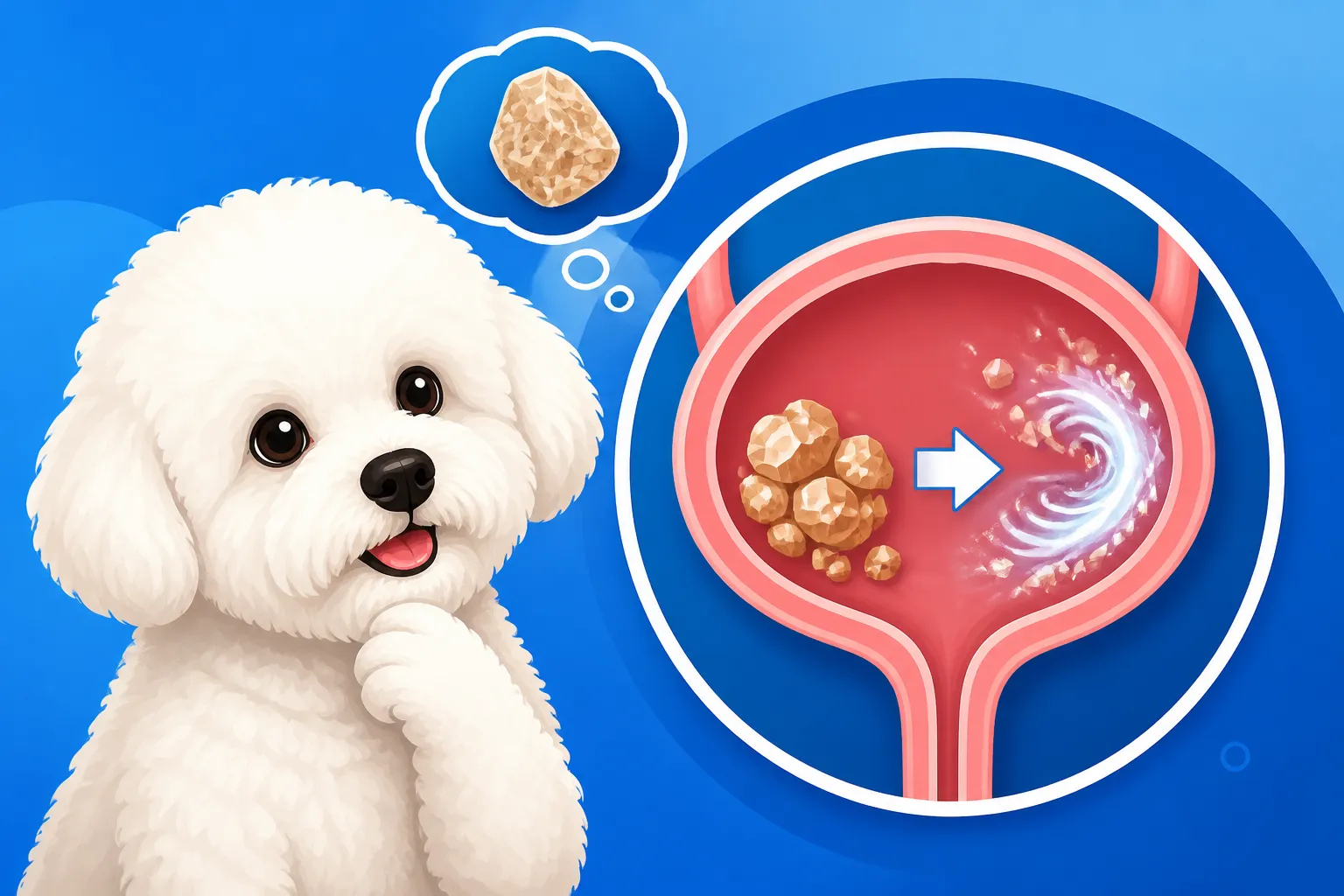
The key to understanding why calcium oxalate stones are so stubborn lies in their chemical makeup. Imagine a tiny, jagged piece of rock versus a soluble sugar cube. Struvite stones, another common type found in dogs, are often made of magnesium ammonium phosphate and are like that sugar cube; their formation is heavily influenced by urine pH and the presence of certain minerals. When you adjust the diet to make the urine more acidic and reduce those building blocks, struvite stones can often slowly but surely dissolve over weeks or months. It’s a painstaking process, but it works for many dogs.
However, calcium oxalate stones are a different beast entirely. They're formed from calcium and oxalate, and once these crystals combine and harden into a stone, they are incredibly stable. Think of them as tiny, calcified concretions. No amount of dietary manipulation, no change in urine pH, and no special ingredient in a prescription food will break them down. It's like trying to dissolve a pebble in a glass of water – it just won't happen. This can be incredibly frustrating for pet parents, who naturally want to explore every non-invasive option. Many try different foods, hoping for a miracle, only to find the stones remain stubbornly present, or even grow.
The Ineffectiveness of Medical Management for Oxalates
When it comes to medication, it's easy to confuse prevention with dissolution. While certain medications, like potassium citrate, are incredibly valuable in preventing new calcium oxalate stones from forming, they have no effect on existing ones. Potassium citrate works by increasing urine pH, making it less acidic, and also by binding with calcium, reducing its availability to form new oxalate crystals. It's a fantastic prophylactic measure, especially after stones have been removed, but it's not a magic bullet to make current stones disappear.
The primary goal of medical management for oxalate stones is precisely that: prevention. Once those tiny, sharp crystals have aggregated into a full-fledged stone, their structure is too robust for oral medications to break down. This means that if your Bichon Frise has already formed calcium oxalate stones, relying solely on diet or medication for dissolution will unfortunately lead to continued discomfort, potential complications, and no resolution of the existing problem. The emphasis, therefore, must shift from hoping for dissolution to ensuring prevention of future recurrence after they are removed. It's a critical distinction that sometimes gets lost in the initial shock of diagnosis.
What This Means for Your Bichon Frise's Treatment
Since calcium oxalate stones won't dissolve, the treatment approach for your Bichon Frise must be proactive and usually involves physical intervention. This can be a daunting prospect, but it's the most effective path to getting your dog comfortable and healthy again.
The Necessity of Physical Removal
Because calcium oxalate stones are so resistant to dissolution, the only effective way to get rid of them is through physical removal. This often comes as a surprise to owners who are used to hearing about dietary management for other types of stones. For Bichon Frises, who often have smaller urinary tracts, these stones can quickly become a significant problem.
The most common and definitive method is a surgical procedure called a cystotomy, where a veterinarian opens the bladder to manually remove the stones. It sounds invasive, and it is, but it's often the safest and most thorough way to ensure all stones, big and small, are removed. Recovery typically involves a few weeks of restricted activity and careful monitoring. For males, if a stone gets lodged in the urethra, sometimes a procedure called urethral retrohydropropulsion can be performed, where saline is used to flush the stone back into the bladder for surgical removal. In some specialized veterinary hospitals, laser lithotripsy might be an option, where a laser is used to break the stones into smaller pieces that can then be flushed out, but this isn't always feasible for all stone sizes or locations, and it’s not widely available.
The critical takeaway here is that these methods physically extract or break up the stones. There's no dissolving them away. Understanding how a Bichon Frise's stones are removed can help you prepare for the process and feel more in control of your pet's care journey. The relief your dog experiences after stone removal is often immediate and significant.
Understanding the Urgency of Removal
Leaving calcium oxalate stones untreated isn't just about discomfort; it poses serious health risks to your Bichon Frise. These aren't benign little pebbles; they are sharp, irritating foreign bodies that can wreak havoc inside the urinary tract.
One of the most immediate and dangerous complications is a urinary blockage, especially common in male dogs due to their narrower urethras. A stone can become lodged, preventing your dog from urinating. This is an emergency situation, as a complete blockage can lead to acute kidney failure, rupture of the bladder, and even death if not addressed rapidly. If you notice your dog straining to urinate, passing only small amounts, or no urine at all, you need to understand whether a straining Bichon Frise is an emergency. It absolutely is.
Beyond blockages, oxalate stones cause chronic inflammation and irritation to the bladder lining, which can lead to frequent urinary tract infections. These infections often require antibiotics and can become recurrent as long as the irritating stones remain. Over time, chronic inflammation can even lead to changes in the bladder wall itself. The pain and discomfort from these stones can also significantly impact your Bichon's quality of life, leading to accidents in the house, lethargy, and general malaise. Waiting for a non-existent dissolution process is simply not an option for these types of stones.
Prevention: The Only "Dissolution" for Future Stones
While we can't dissolve existing calcium oxalate stones, the good news is that we can absolutely work towards preventing new ones from forming. This is where the long-term commitment and proactive care really come into play.
The Critical Role of a Prescription Diet
After your Bichon Frise has had calcium oxalate stones removed, a prescription urinary diet becomes the cornerstone of their preventive care. This isn't just any dog food; these diets are meticulously formulated by veterinary nutritionists to address the specific metabolic factors that contribute to stone formation. They typically aim to achieve several things:
- Modify Urine pH: While not for dissolving existing oxalate stones, these diets help maintain a urine pH that discourages the formation of new crystals. For oxalates, this usually means aiming for a slightly alkaline urine.
- Reduce Calcium and Oxalate Precursors: The food is designed with carefully controlled levels of minerals like calcium and phosphorus, and ingredients that are lower in oxalates, to minimize the building blocks available for stone formation.
- Increase Urine Volume: Many prescription diets are made to encourage increased water intake, which dilutes the urine. Diluted urine means that the concentration of stone-forming minerals is lower, making it harder for crystals to precipitate and grow.
It's crucial that your Bichon Frise stays on this specific diet for life. Even a small amount of regular food or a treat not approved by your vet can disrupt the delicate balance these diets achieve. Your vet will recommend the diet a Bichon Frise stays on for life, and it’s a commitment, but one that drastically reduces the risk of recurrence.
Maximizing Water Intake and Frequent Urination
One of the most powerful, yet often underestimated, tools in preventing future oxalate stones is simply getting more water into your Bichon and ensuring they urinate frequently. Think of it this way: the more dilute your dog's urine is, the less concentrated the stone-forming minerals become, making it harder for them to clump together. The more often your dog pees, the more those potential crystal-forming elements are flushed out before they have a chance to settle and grow.
There are many ways to encourage your Bichon Frise to drink more. Consider investing in a pet water fountain, as the moving water often entices dogs to drink more than still water in a bowl. Mixing wet food into their prescription kibble, or even feeding an all-wet prescription diet, can significantly increase their daily water intake. You can also add a little low-sodium chicken broth (be sure it's onion and garlic free) to their water or food. And, of course, ensure fresh, clean water is always available in multiple locations around your home.
Coupled with increased water intake, frequent urination is key. Regular and frequent potty breaks mean that urine doesn't sit in the bladder for long periods, giving crystals less time to form or agglomerate. This strategy directly addresses whether diluting urine prevents Bichon Frise stones, and the answer is a resounding yes, it significantly helps with prevention.
Regular Monitoring for Early Detection
Even with a perfect diet and excellent water intake, some Bichon Frises can still be prone to forming oxalate stones. That's why consistent, proactive monitoring by your veterinarian is absolutely non-negotiable for long-term management. Early detection is your best friend.
Your vet will likely recommend regular urine tests to check for microscopic crystals, urine pH, and signs of infection. Beyond urinalysis, periodic imaging, such as X-rays or ultrasounds, is essential. These imaging techniques can spot tiny crystals or nascent stones long before they become large enough to cause symptoms or blockage. Catching them when they're small can sometimes allow for less invasive removal methods or at least prevent them from growing into a major surgical event.
Many owners find that managing these ongoing diagnostic and preventive care costs can be significant. This is where pet insurance providers like Healthy Paws can be invaluable. A good pet insurance policy can help offset the expense of regular check-ups, diagnostic imaging, and potential future treatments, making it easier to commit to the long-term care your Bichon Frise needs. Knowing whether a Bichon Frise should be urine tested yearly and scheduling those appointments diligently can truly make all the difference in their health and comfort.
| Feature | Struvite Stones | Calcium Oxalate Stones |
|---|---|---|
| Dissolvable? | Yes, often with prescription diet and antibiotics | No, generally not dissolvable |
| Common Causes | Urinary tract infections, certain diets | Genetic predisposition, metabolic factors, diet |
| Urine pH Favored | Alkaline | Acidic |
| Treatment | Dissolution diet, antibiotics, possible surgery | Surgical removal, sometimes lithotripsy |
| Prevention | Specific prescription diets, infection control | Specific prescription diets, increased water intake, urine diluters |
| Recurrence Risk | Moderate to High, if underlying cause not fixed | High, even with prevention efforts |
Disclaimer
This article is for general informational purposes only and does not constitute professional advice. Laws, prices and regulations vary by location and change over time. Consult a qualified professional for guidance on your specific situation.