The Prescription Diet a Bichon Frise Never Comes Off
Bringing a Bichon Frise into your life is a joy, but it also comes with a unique set of responsibilities, especially when it comes to their health. Many devoted Bichon owners find themselves grappling with the reality of their beloved companions needing a special, lifelong prescription diet, often due to a predisposition to urinary stones. This guide is here to walk you through everything you need to know about these specialized diets, why they're so crucial for your Bichon's well-being, the financial commitment involved, and how to successfully manage this essential aspect of their care.
Understanding Why Your Bichon Frise Needs a Prescription Diet
It’s a tough pill to swallow when you learn your fluffy companion needs a strict diet for life. For Bichon Frises, this often stems from a significant genetic predisposition to developing bladder stones, particularly calcium oxalate stones. It's not just a random occurrence; it's a deeply ingrained breed characteristic that we, as owners, need to understand and manage proactively.
The Root Cause: Bladder Stones in Bichons
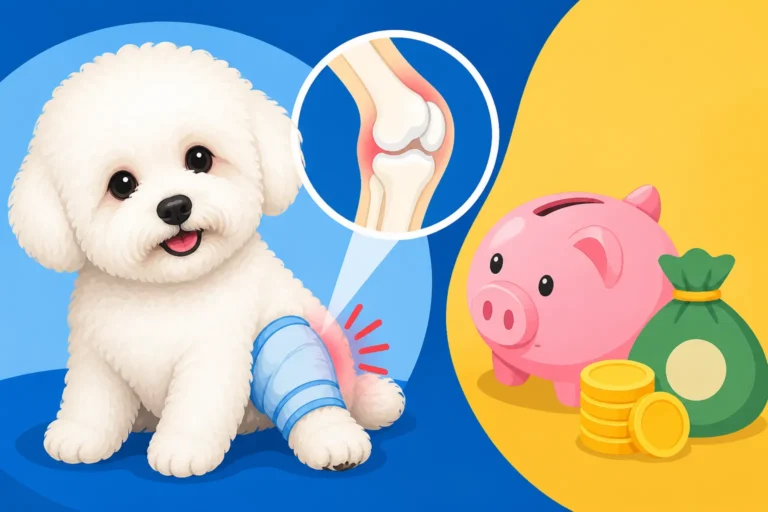
One of the most heartbreaking realities for Bichon Frise owners is their breed's alarming propensity for bladder stones. It's a shocking statistic, but Bichons are known to be twenty times as likely to form certain types of urinary stones compared to other breeds. This isn't just bad luck; it's often rooted in their unique metabolism and genetics, which can lead to urine that's oversaturated with stone-forming minerals. Imagine having a system that's just a little bit off-kilter, constantly creating the perfect environment for these tiny, painful crystals to grow and coalesce. It’s not fair to them, and it’s certainly a source of worry for us.
These stones aren't just uncomfortable; they can cause significant pain, frequent urination, blood in the urine, and, in severe cases, life-threatening blockages. If you've ever had a loved one suffer from kidney stones, you can imagine the agony a small dog experiences with bladder stones. It's why early detection and, more importantly, prevention are so incredibly vital. Understanding this inherent vulnerability is the first step toward safeguarding your Bichon's long-term health and comfort.
The Non-Dissolving Nature of Oxalate Stones
Unlike some other types of bladder stones, such as struvite stones, which can often be dissolved with specific therapeutic diets and antibiotics, the calcium oxalate stones commonly found in Bichon Frises generally cannot. This is a crucial distinction that many owners grapple with, often hoping for a less invasive solution. Unfortunately, once these hard, jagged stones have formed, they typically require surgical intervention to remove them. It's a procedure known as a cystotomy, and it can be a stressful and costly experience for both pet and owner.
The inability to dissolve these stones through diet alone means that surgery is frequently the only option to relieve the immediate pain and clear the urinary tract. This underscores the severity of the issue and why preventative measures are so critical. The thought of your tiny friend undergoing surgery is distressing, but knowing that Why a Bichon Frise's stones must be cut out due to the nature of these particular stones helps you understand the gravity of the situation and the necessity of the vet's recommendations.
Preventing Recurrence is Key
The challenging part about calcium oxalate stones is not just getting rid of the first batch, but preventing future ones. Statistics show that the recurrence rate for these stones in Bichon Frises is alarmingly high. Many owners find themselves asking How often a Bichon Frise's stones return, and the answer can be disheartening. Without consistent, rigorous management, new stones can form within months or a year after surgery, sometimes even faster. This cycle of stone formation, surgery, and recurrence is what makes a lifelong commitment to a prescription diet absolutely non-negotiable for many Bichons.
The primary goal of a prescription urinary diet isn't just to treat the current problem, but to drastically reduce the chances of it happening again. It's about modifying the urine environment in a way that makes it inhospitable for stone formation. This means careful control over mineral levels, urine pH, and encouraging increased water intake to dilute the urine. Think of it as creating a constant, internal shield against future stone development. Without this diet, the risk of your Bichon facing multiple surgeries and ongoing discomfort remains incredibly high, making the daily dietary commitment a true act of love and prevention.
What Makes a Prescription Urinary Diet Different?
When your vet first recommends a "prescription diet," it can sound a bit intimidating or even like marketing jargon. However, these diets are genuinely formulated with very specific goals in mind, unlike over-the-counter foods. They aren't just "better" food; they're medical tools designed to manage and prevent particular health conditions, especially the tricky business of urinary stones in Bichons.
Tailored Mineral Content
One of the cornerstones of a prescription urinary diet is its meticulously tailored mineral content. Regular dog foods, even high-quality ones, often have levels of minerals like calcium, phosphorus, and magnesium that are perfectly fine for healthy dogs, but can be problematic for a Bichon Frise prone to oxalate stones. These prescription diets, however, are specifically engineered to have reduced and carefully balanced levels of these stone-forming minerals. The idea is to minimize the "building blocks" available in the urine for new crystals and stones to form.
It's a delicate balance, though. You can't just eliminate these minerals entirely, as they are essential for your dog's overall health. Instead, veterinary nutritionists formulate these diets to provide adequate nutrition while keeping the urinary environment as unfavorable as possible for stone development. This targeted approach to mineral content is what sets these foods apart from conventional kibble and is a key reason why they require a veterinary prescription – ensuring your dog gets precisely what they need without inadvertently causing other nutritional deficiencies.
pH Modulation
Another critical factor that prescription urinary diets address is urine pH. The acidity or alkalinity of urine plays a significant role in the formation of different types of stones. For calcium oxalate stones, which are common in Bichons, the goal is often to encourage a more alkaline (higher pH) urine. Conversely, for struvite stones, the goal would be more acidic urine. These diets contain ingredients specifically chosen to either acidify or alkalinize the urine to the optimal pH range for preventing stone formation.
Think of it like adjusting the chemical balance in a swimming pool; you're trying to make the water perfectly safe and clean, but if the pH is off, other problems can arise. For a Bichon on a urinary diet, the specific blend of proteins, fats, and carbohydrates works synergistically to maintain a urine pH that discourages calcium oxalate crystallization. This isn't something you can achieve reliably with home-cooked meals or off-the-shelf kibble, as the precise ratios and ingredients are carefully controlled in these therapeutic formulations. Your vet might even recommend monitoring your Bichon's urine pH at home with test strips as part of their ongoing management plan to ensure the diet is achieving its desired effect.
Increased Water Intake Promotion
Beyond just modifying mineral content and pH, prescription urinary diets are often designed to encourage your Bichon Frise to drink more water. This might seem like a simple concept, but it's incredibly effective in preventing stone formation. When a dog drinks more, they urinate more frequently, and this increased urine volume helps to dilute the concentration of stone-forming minerals in the bladder. Essentially, it washes out the building blocks before they have a chance to clump together. Whether diluting urine prevents Bichon Frise stones is a resounding yes!
Some ways these diets achieve this include higher sodium levels (which naturally stimulates thirst, though carefully balanced not to cause other issues) or higher moisture content in wet food formulations. For owners whose Bichons are stubborn drinkers, choosing a wet prescription urinary diet can be a game-changer. Even with dry kibble versions, the formulation is designed to complement efforts to increase water consumption. Pairing these diets with strategies like multiple water bowls, a pet water fountain, or adding a splash of water to their kibble can further amplify this crucial preventative effect. The more dilute the urine, the less chance those pesky crystals have to bond and grow into painful stones.
The Lifelong Commitment to a Specialized Diet
The words "lifelong commitment" can feel heavy, especially when it applies to your pet's diet. For a Bichon Frise prone to urinary stones, however, this isn't an exaggeration – it's the fundamental truth of managing their health and preventing recurring issues. This diet isn't a temporary fix; it's a permanent cornerstone of their care.
Why There's No "Coming Off" This Diet
One of the hardest truths for Bichon Frise owners is understanding that, for many dogs, there's absolutely no "coming off" a prescription urinary diet once it's been started for stone prevention. This isn't a medication you take for a few weeks and then stop. This is their food, their main source of nutrition, and their primary defense against the agonizing recurrence of bladder stones. The reason is simple: their inherent predisposition to form stones doesn't disappear. The metabolic conditions that lead to stone formation are still present, even after surgery.
Think of it this way: the diet creates a protective urinary environment. If you remove that protection, your Bichon's urine will revert to its previous, stone-forming state. It’s like taking down a barrier wall; the river behind it will inevitably flood again. This is why discussions around Whether a Bichon Frise ever comes off the stone diet almost always lead to a firm "no" from veterinarians, especially for calcium oxalate stones. It's a daily, consistent effort that ensures their comfort and prevents future health crises.
The Impact of Even a Single "Cheat" Treat
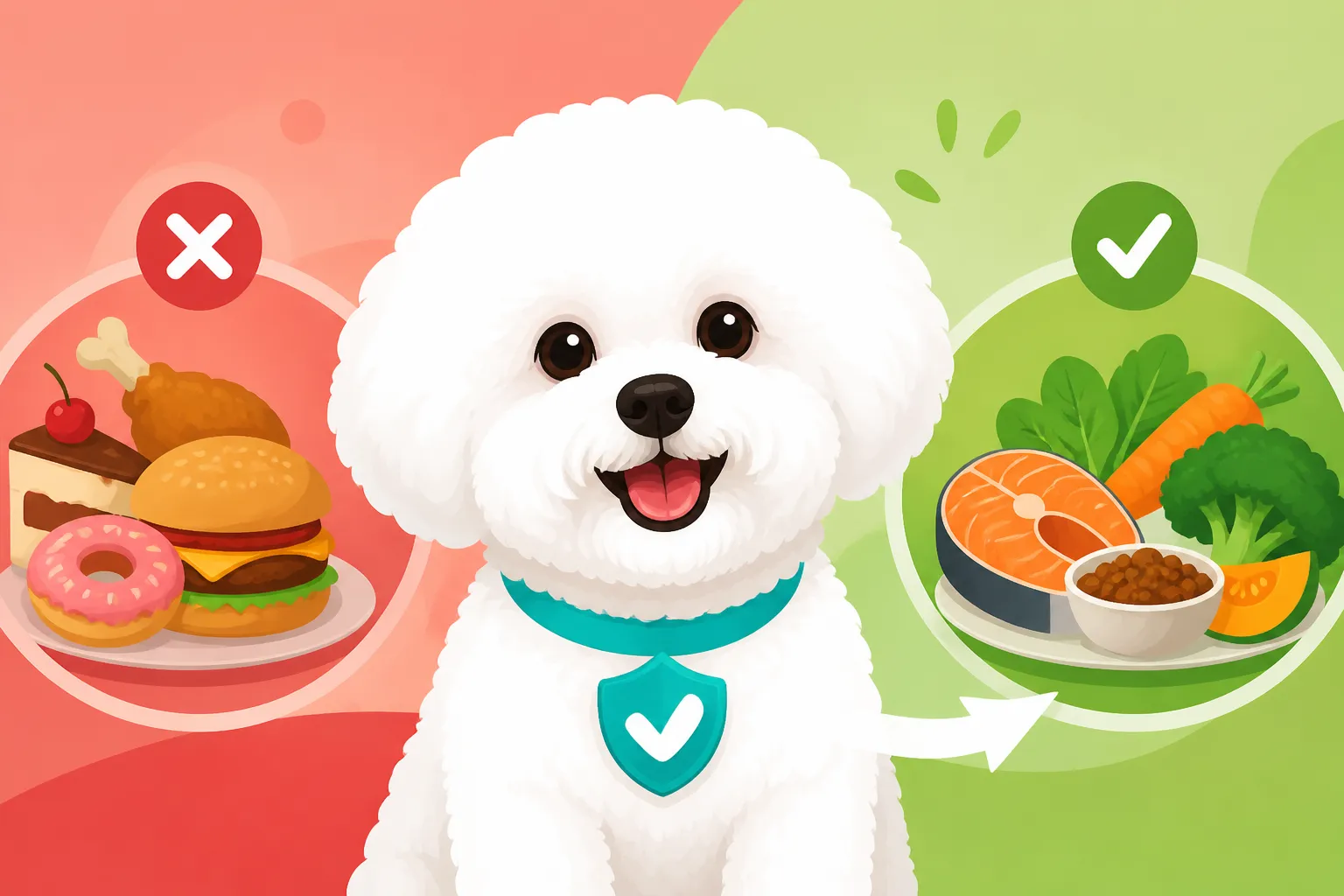
This is where the empathy really comes in for owners. It's tough to resist those puppy-dog eyes when your Bichon is begging for a bite of your food or a special treat. But for a Bichon Frise on a prescription urinary diet, even a single "cheat" treat can undo weeks or months of careful management. This isn't an exaggeration; it's a scientific reality. Those seemingly harmless morsels of cheese, bits of chicken, or even certain dental chews can contain minerals (like calcium or phosphorus) that are precisely what the therapeutic diet is designed to avoid.
The goal of the diet is to maintain a very specific, delicate balance in your Bichon's urinary system. Introducing unapproved foods can disrupt that balance, potentially increasing the concentration of stone-forming minerals or altering urine pH in an unfavorable direction. It truly is the case that Whether one treat can restart a Bichon Frise stone is a serious consideration. It might not form a stone overnight, but it contributes to the overall risk, making the environment more conducive to crystal formation. This means explaining the strictness of the diet to everyone in the household, including guests, and finding veterinarian-approved, diet-compatible treats if possible.
Managing Multiple Pets in the Household
For families with more than one dog, managing a prescription diet for just one Bichon Frise can feel like navigating a culinary minefield. You want to ensure your stone-prone Bichon gets their specialized food, but you also don't want to create an unhappy or unhealthy situation for your other pets. The challenge is real: food swapping, bowl raiding, and the general chaos of mealtime can make adherence difficult.
One of the most common strategies is to feed the dogs in separate rooms or even in their crates. This ensures that each dog eats only their designated meal without interference. If your other dogs are also small and not prone to stones, your vet might approve feeding them the same prescription urinary diet, as these diets are typically complete and balanced, albeit more expensive. However, this isn't always an option, especially if your other pets have their own dietary needs. Another approach is to use automatic feeders that only open for a specific microchipped pet, preventing the wrong dog from accessing the special food. Brands like Chewy or your local pet supply store offer a range of these sophisticated feeders. It requires consistency and a bit of creativity, but it's essential to protect your Bichon's health while maintaining harmony in your multi-pet household.
Financial Implications of a Prescription Urinary Diet
Let's be real: owning a pet is an expense, and a Bichon Frise needing a lifelong prescription diet adds a significant line item to that budget. It's not just about the upfront cost; it's the ongoing financial commitment that can catch owners by surprise. Understanding these costs beforehand helps you plan and ensures you can provide your Bichon with the best possible care without added stress.
Comparing Costs: Prescription vs. Regular Kibble
There's no getting around it: prescription urinary diets are almost always more expensive than standard, over-the-counter dog food. This can be a shock for owners who are used to buying a large bag of kibble for a relatively modest price. The difference in price reflects the specialized ingredients, the rigorous scientific research and development, and the precise manufacturing processes involved in creating these therapeutic formulas. When considering What a urinary diet costs against ordinary kibble, you're often looking at a difference of 25% to 100% or more per bag.
For example, a 15-pound bag of a popular premium non-prescription kibble might cost around $40-$60, while a comparably sized bag of a veterinary prescription urinary diet could easily range from $70-$100 or even higher. This price gap isn't about profit gouging; it’s the cost of highly controlled nutrition designed for a specific medical purpose. It's an investment in your Bichon's health, aiming to prevent much more expensive surgeries and emergency vet visits down the line. Budgeting for this higher food cost is a critical part of owning a Bichon with stone predisposition.
Wet Food vs. Dry Food Costs
When it comes to prescription urinary diets, you usually have the choice between dry kibble and wet food. While wet food can be an excellent way to increase your Bichon's water intake and make the diet more palatable, it typically comes at an even higher price point per serving than dry kibble. Whether wet urinary food costs more is almost universally true. A single can of prescription wet food might cost $3-$5, and a small Bichon could easily eat one to two cans a day, quickly adding up to $90-$300+ per month just for wet food.
For many owners, a combination approach works best: feeding a base of prescription dry kibble and supplementing with a small amount of the wet version, or even just adding warm water to the dry kibble. The decision often comes down to balancing palatability for your fussy Bichon with the budget. While wet food offers superior hydration, the cumulative cost over a lifetime can be substantial. Sites like Chewy, Petco, and even your vet's online pharmacy are good places to compare prices and look for bulk discounts, but always remember to factor in shipping costs if buying online.
The Long-Term Financial Picture
When you consider the average lifespan of a Bichon Frise (around 14-15 years), the long-term financial commitment to a prescription diet becomes quite substantial. Let's do some quick, hypothetical math. If a 15-pound bag of prescription kibble costs $80 and lasts approximately one month for an adult Bichon, that's $960 per year. Over a 12-year period, that's over $11,500 just for their specialized food. This doesn't even include the cost of approved treats, which, as we discussed, need to be carefully selected and can also be pricier.
This calculation provides a stark reminder that this isn't a short-term expense but a consistent part of your pet ownership budget. It's essential to factor this into your financial planning before or when your Bichon is diagnosed. While pet insurance companies like Healthy Paws may cover some diagnostic costs or even a portion of What one Bichon Frise stone surgery costs and what three cost, ongoing prescription food costs are usually not covered, as they are considered maintenance rather than treatment for an acute illness. Being prepared for this long-term financial commitment is crucial for maintaining your Bichon's health without undue strain on your finances.
Navigating the Practicalities of Feeding a Picky Bichon Frise
Bichon Frises are adorable, but they can also be notoriously picky eaters. When you add the layer of a prescription diet – which might not be as palatable as their previous "gourmet" food – mealtime can become a battleground. This is a common frustration, and successfully managing it requires patience, strategy, and understanding.
Strategies for Encouraging Acceptance
It's a common scenario: you bring home the new, expensive prescription food, only for your Bichon to give it a sniff and walk away in disdain. Owners often report, Whether a fussy Bichon Frise refuses the urinary diet, and the answer is frequently, "Yes, absolutely!" This can be incredibly frustrating, but don't despair. There are several strategies you can employ to encourage acceptance. Start by transitioning slowly, mixing a small amount of the new food with their old food over 7-10 days, gradually increasing the proportion of the prescription diet.
Warm water or low-sodium broth can make dry kibble more appealing by softening it and enhancing its aroma. You can also try mixing in a small amount of the wet version of the prescription diet, if available, as the texture and smell can be more enticing. For truly stubborn eaters, hand-feeding a few pieces to start can sometimes break the ice. Remember, consistency is key, and avoid giving in to begging with unapproved foods, as this only reinforces their pickiness and puts their health at risk. Sometimes, trying different brands of prescription urinary diets (always with vet approval) might be necessary to find one your Bichon finds acceptable.
Finding Approved Treats and Supplements
This is another area where the strictness of a prescription diet can cause headaches for owners. Traditional dog treats, often full of fillers, artificial flavors, and uncontrolled mineral levels, are usually off-limits. The question of Whether a Bichon Frise needs treats that match the diet is vital, and the answer is yes, they do. Most veterinarians will advise against any treats not specifically approved for your Bichon's condition, as even small amounts can disrupt the delicate balance the diet is trying to achieve.
Thankfully, some prescription diet manufacturers now offer corresponding treat lines that are formulated to be compatible with their therapeutic foods. These are often plain biscuits or chews with controlled mineral content. If these aren't available, or your Bichon isn't keen on them, you might be limited to very small pieces of cooked, plain lean meat (like chicken breast) as a rare, vet-approved indulgence, or even using a few pieces of their own kibble as treats. When it comes to supplements, always, always consult your vet. Many "natural" or over-the-counter supplements can contain ingredients that exacerbate stone formation, so it's best to avoid them unless explicitly recommended by your veterinarian. Your vet can guide you towards safe options, or confirm if brands like Ollie, which offers customized fresh food, could create a suitable, vet-approved recipe for your Bichon's specific needs (though this is less common for prescription stone diets).
The Role of Your Veterinarian and Authorization
Your veterinarian is your absolute best resource in navigating the world of prescription diets for your Bichon Frise. They are the gatekeepers, not just because they write the prescription, but because they have the medical knowledge to select the precise diet your dog needs based on the type of stones, their individual health, and any other co-existing conditions. It's a common query, Whether prescription food needs a vet authorization, and the answer is always yes. These are medical foods, not general nutrition.
Beyond the initial prescription, your vet will also be instrumental in guiding you through any challenges, like a picky eater or concerns about palatability. They can advise on transition strategies, safe treats, and crucial monitoring protocols like regular urine tests and imaging. They might even suggest trying different brands if one isn't working out. Maintaining open communication with your veterinary team is vital. They're there to support you in ensuring your Bichon not only eats their prescribed diet but thrives on it, preventing future health complications and saving you from potentially devastating vet bills in the long run.
Beyond the Bowl: Holistic Management for Stone Prevention
While the prescription diet is the cornerstone of stone prevention for your Bichon Frise, it's not the only piece of the puzzle. A truly holistic approach involves several other crucial factors that work in synergy with the diet to create the best possible environment for your dog's urinary health.
The Importance of Consistent Hydration
We've touched on it already, but it bears repeating: consistent and abundant hydration is paramount for a Bichon Frise prone to urinary stones. The more water they drink, the more frequently they urinate, and the more diluted their urine becomes. Diluted urine means lower concentrations of stone-forming minerals, making it much harder for crystals to precipitate and grow. Many owners ask, Whether a Bichon Frise should be encouraged to drink, and the answer is a resounding yes!
There are many ways to encourage water intake. Provide multiple water bowls around the house, ensuring they are always clean and full. Consider a pet drinking fountain, as the running water can entice some dogs to drink more. Adding a little warm water to their kibble at mealtime, or even giving them a few ice cubes as a treat, can also boost their daily intake. For some Bichons, incorporating wet food into their diet is the most effective way to significantly increase hydration. Make sure they have access to water at all times, especially after exercise.
Regular Veterinary Check-ups and Monitoring
Even with the most diligent adherence to a prescription diet, regular veterinary check-ups and monitoring are absolutely non-negotiable for a Bichon Frise prone to stones. This isn't a "set it and forget it" kind of management. Your vet will want to perform periodic urine analyses to check things like urine pH, specific gravity (which indicates dilution), and the presence of any crystals. Many owners wonder, Whether a Bichon Frise should be urine tested yearly, and for a stone-former, it's often more frequent than that, sometimes every 3-6 months initially.
Beyond urine tests, periodic imaging (X-rays or ultrasound) might also be recommended to check for the presence of new stones before they become large enough to cause symptoms or blockages. This leads to the question of Whether a Bichon Frise should be x rayed yearly, and again, for a high-risk dog, more frequent imaging might be prudent. This proactive monitoring allows your vet to catch any issues early, assess the effectiveness of the diet, and make adjustments as needed. It's a team effort between you, your Bichon, and your vet to stay ahead of potential problems.
Lifestyle Adjustments for Optimal Health
Beyond diet and vet visits, certain lifestyle adjustments can also contribute significantly to your Bichon Frise's urinary health. One crucial aspect is ensuring frequent opportunities for urination. Holding urine for long periods allows stone-forming minerals to concentrate in the bladder, increasing the risk of crystal formation. So, Whether frequent urination protects a Bichon Frise is indeed true. Make sure your Bichon has access to regular potty breaks, especially after waking up, eating, and playing.
Avoid situations where your dog might be stressed, as stress can sometimes exacerbate health issues. Provide a comfortable, consistent environment, and ensure they get adequate, but not excessive, exercise. While these factors might seem secondary to diet, they all play a role in maintaining a healthy body and, by extension, a healthy urinary system. It's about looking at your Bichon's entire well-being to support their specific medical needs, fostering an environment where they can truly thrive despite their predisposition.
Long-Term Outlook and Quality of Life
Facing a lifelong prescription diet for your Bichon Frise can feel overwhelming, but it's important to remember that with proper management, these dogs can lead wonderfully full, happy, and long lives. The goal of this meticulous care is not just survival, but thriving.
Living a Full Life on a Prescription Diet
It’s easy to get caught up in the restrictions and the worry that a prescription diet might somehow diminish your Bichon Frise's quality of life. But I want to reassure you: the opposite is true. By adhering to a therapeutic diet, you are actively preventing pain, discomfort, and potentially life-threatening blockages. A Bichon Frise who is free from the constant threat of bladder stones is a happier, more energetic, and more playful companion. They can enjoy their walks, their naps, and their cuddles without the underlying ache or urgency that stones can bring.
Many Bichons on these diets thrive beautifully. They maintain a healthy weight, have good energy levels, and their coats remain as fluffy and white as ever. The diet provides complete and balanced nutrition tailored to their specific needs. While it might mean fewer spontaneous treats from your plate, it means a lifetime of comfort for them. Your Bichon won't know they're on a "special" diet; they'll just know they feel good, and that's what truly matters.
The Peace of Mind a Consistent Diet Provides
For owners, the consistent adherence to a prescription urinary diet brings an invaluable sense of peace of mind. The constant worry about recurrence, the anxiety of spotting signs of discomfort, and the fear of another emergency vet visit can be incredibly stressful. Knowing that you are actively taking the most effective preventative measure available can alleviate a significant portion of that emotional burden. It empowers you as an owner, giving you a tangible way to protect your beloved pet.
This peace of mind extends to knowing that you are providing them with the best possible chance at a long, healthy life. While no guarantee exists against all future health issues, you've addressed one of the most significant genetic predispositions of the breed. This allows you to focus more on the joys of companionship – their playful "Bichon blitz," their loving gaze, and their comforting presence – rather than being perpetually on edge about their next potential urinary crisis.
Planning for the Future: Pet Insurance Considerations
Given the lifelong nature of managing bladder stones in Bichon Frises, it's wise to consider how pet insurance fits into your long-term financial planning. While the ongoing cost of prescription food itself is generally not covered by pet insurance, other related expenses often are, depending on your policy. This could include diagnostic tests, emergency treatments for blockages, and surgical removal of stones. Understanding What insuring a Bichon Frise runs monthly can help you weigh the benefits.
It's crucial to read policy details carefully, especially regarding pre-existing conditions. If your Bichon has already been diagnosed with stones before you get insurance, future stone-related treatments might be excluded. This is why getting pet insurance early, ideally when they are a puppy, can be highly beneficial. Companies like Healthy Paws are known for comprehensive coverage, but policies vary. Even if the food isn't covered, the potential for thousands of dollars in surgical costs makes pet insurance a valuable safety net. It allows you to make medical decisions based on what's best for your Bichon, rather than solely on your immediate financial capacity.
Prescription Diet Costs: A Snapshot
Here's a simplified comparison to illustrate the potential difference in cost between standard kibble and a prescription urinary diet for a Bichon Frise. Please note these are illustrative examples and actual prices will vary by brand, retailer, location, and specific formulation.
| Item | Example Brand/Type | Estimated Cost (15-lb bag) | Monthly Cost (approx.) | Yearly Cost (approx.) |
|---|---|---|---|---|
| Standard Adult Kibble | Premium All-Life Stages | $40 – $60 | $40 – $60 | $480 – $720 |
| Prescription Urinary Kibble | Royal Canin, Hill's, Purina | $70 – $100+ | $70 – $100+ | $840 – $1200+ |
Note: Monthly and Yearly costs are estimated assuming one 15-lb bag lasts approximately one month for an average adult Bichon Frise.
Disclaimer
The information provided in this article is for general educational purposes only and should not be considered as professional veterinary advice. Always consult with a qualified veterinarian for any health concerns or before making any decisions about your pet's health, diet, or treatment plan.