How Often a Bichon Frise Needs Grooming
Many Bichon Frise owners quickly discover that while these adorable bundles of fluff bring immense joy, their signature coat also presents a unique challenge. It's not uncommon to feel overwhelmed trying to keep up with their grooming needs, constantly battling tangles and wondering exactly how often you really need to groom them. This comprehensive guide will break down the essential grooming schedule for your Bichon Frise, from daily maintenance to professional appointments, helping you keep their coat healthy, happy, and mat-free.
Understanding the Bichon Frise Coat: More Than Just Fluff
The Bichon Frise coat is truly a marvel, designed to be soft, dense, and springy, giving them that delightful "powder puff" appearance. However, this beautiful coat is also incredibly high-maintenance, and understanding its unique properties is the first step to mastering their grooming needs. Many new owners are often surprised by the sheer amount of care required to maintain this distinctive look.
The Unique Double Coat of the Bichon Frise
A Bichon Frise possesses a double coat, which is a key factor in its grooming requirements. The outer coat consists of coarse, curly guard hairs, while beneath lies a dense, soft undercoat. This combination creates that plush, springy texture we all adore. Unlike many other breeds, Bichons are often lauded as "hypoallergenic" because they shed very little hair. Instead of falling out, their loose hair gets caught within the dense undercoat, which means it needs to be brushed out regularly to prevent matting. If you've ever found yourself wondering Whether a Bichon Frise Is Truly Hypoallergenic, the answer lies largely in this unique shedding pattern.
This unique coat type served a purpose in their history, protecting them from the elements, but in a domestic setting, it means that daily attention is non-negotiable. Without consistent brushing, those shed hairs, combined with the live coat, will quickly intertwine, forming knots and mats that can become painful and difficult to remove. It's a double-edged sword: minimal shedding means less hair on your furniture, but more hands-on work with a brush.
Why the Bichon Frise Coat Matts So Easily
The curly texture and density of the Bichon Frise's coat make it a prime candidate for matting. Mats are essentially clumps of tangled hair that become tightly woven, pulling on the skin and causing discomfort. These can form rapidly, often in areas of friction such as behind the ears, under the legs, around the collar, or wherever they frequently lie down. Even a small damp spot can accelerate mat formation, turning a minor tangle into a serious problem overnight.
Think of it like a tangled ball of yarn: the more strands that get caught, the tighter the ball becomes. For a Bichon, everyday activities like playing, rolling around, or even just sleeping can contribute to mats. Humidity, baths that aren't followed by thorough drying and brushing, and even certain types of harnesses can also exacerbate the issue. If you've ever dealt with a heavily matted Bichon, you know the frustration – and the potential cost of professional de-matting or even a full shave-down. Many groomers will tell you that Whether a Matted Bichon Frise Must Be Shaved is often a sad reality when mats become too severe to brush out humanely.
The Impact of Not Grooming Regularly
Neglecting regular grooming for your Bichon Frise isn't just about aesthetics; it has serious health and welfare implications. Untreated mats can lead to a host of problems. Firstly, they pull on the skin, causing pain and irritation. This constant tugging can create hot spots, skin infections, and even restrict blood flow. Secondly, mats can hide skin conditions, parasites, or injuries, making them difficult to detect until they become severe.
Beyond the physical discomfort, a matted coat can also hinder your dog's ability to regulate their body temperature, potentially leading to overheating in warmer weather or being too cold if the mats prevent proper insulation. The discomfort can also affect their behavior, making them irritable or withdrawn. It truly is a case where prevention is vastly better than cure, and investing time in regular grooming is an act of kindness for your fluffy companion.
Establishing a Regular Grooming Schedule
When it comes to Bichon Frise grooming, "regular" is the operative word. Consistency is far more important than sporadic, intense sessions. A well-structured schedule will save you time, money, and your Bichon a lot of discomfort in the long run. Let's break down the ideal rhythm.
Daily Brushing: Your First Line of Defense
Yes, daily brushing. This isn't an exaggeration; for a Bichon Frise, a quick brush-through every single day is the cornerstone of good coat care. This frequent attention helps to remove loose hairs before they can form mats, distributes natural oils throughout the coat, and stimulates circulation to the skin. It also serves as a wonderful bonding experience between you and your dog, making them accustomed to being handled.
Even if you only have 10-15 minutes, dedicating this time to a thorough brush-out will make a world of difference. Focus on those mat-prone areas: behind the ears, in the armpits, on the belly, and where the legs meet the body. If you're wondering How Long Brushing a Bichon Frise Takes, it really depends on the length of their coat and how cooperative they are, but aim for a full body check. A good slicker brush and a metal comb are your best friends here. Consistent daily brushing means fewer serious tangles, which translates to a much more pleasant experience for both of you during bath time and professional grooming appointments.
Weekly Baths: Keeping That White Coat Pristine
While daily brushing handles tangles, weekly or bi-weekly baths are essential for keeping that iconic white coat clean and vibrant. Bichons, with their striking white fur, tend to pick up dirt and grime easily, and regular bathing prevents stains from setting in. This frequency also helps manage any skin sensitivities or allergies, especially when using medicated shampoos as directed by your vet.
It’s crucial to use a dog-specific shampoo that is gentle and helps prevent dryness. After shampooing, rinse thoroughly to avoid any residue that could irritate the skin or dull the coat. The drying process is just as important as the washing itself. A damp coat is an invitation for mats, so line-dry your Bichon with a powerful pet dryer and brush simultaneously to ensure every hair is straight and tangle-free. This meticulous drying process is key to achieving that desired "powder puff" look and preventing new mats. For tips on keeping their beautiful coat bright, you might want to read Keeping a White Bichon Frise Actually White.
Professional Grooming Appointments: The Non-Negotiable Necessity
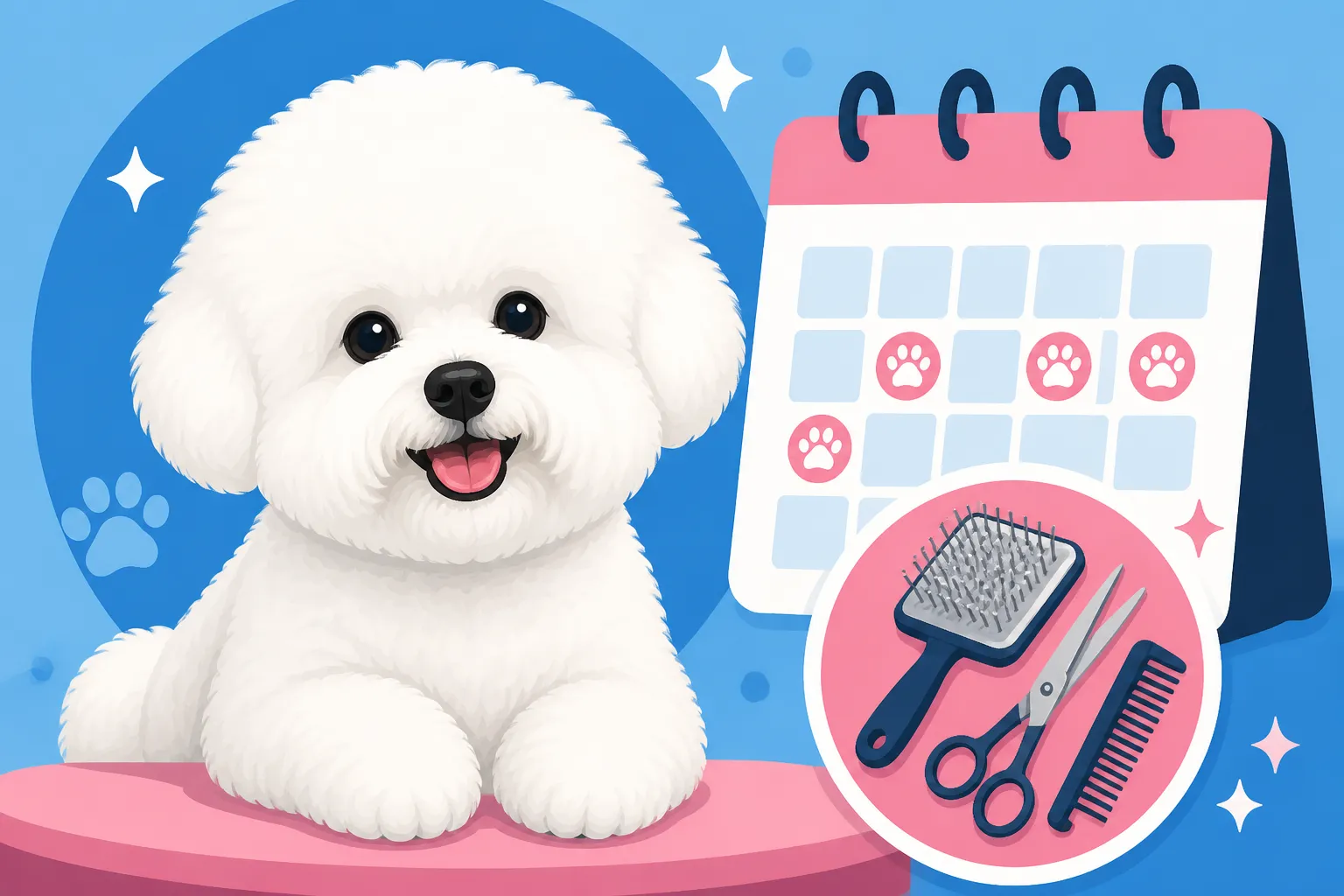
Even with diligent at-home care, professional grooming is indispensable for a Bichon Frise. These appointments typically happen every 4-6 weeks, depending on your dog's coat growth, lifestyle, and the desired style. A professional groomer has the specialized tools, skills, and experience to sculpt the Bichon's coat into its characteristic shape, perform intricate trims around the face and paws, and handle tasks like nail trims and ear cleaning that can be challenging at home.
During a professional session, the groomer will thoroughly wash, dry, and brush your Bichon, paying close attention to any areas you might have missed. They will trim the coat to a uniform length, ensuring the classic "powder puff" silhouette, and meticulously clean and pluck ear hair (if necessary) to prevent infections. They will also express anal glands if needed, a task many owners prefer to leave to the pros, which is part of Whether a Bichon Frise Needs Its Glands Emptied. Regular professional grooming not only maintains their appearance but also contributes significantly to their overall health and comfort, preventing severe matting and potential skin issues.
Factors Influencing Your Bichon Frise's Grooming Needs
While the general rule of thumb is daily brushing and professional grooming every 4-6 weeks, a few key factors can shift this schedule. Every Bichon is an individual, and their grooming needs might be slightly different from the next.
Lifestyle and Activity Level
Your Bichon Frise's lifestyle plays a significant role in how often they'll need grooming. A couch potato Bichon who primarily stays indoors will likely collect fewer burrs and dirt than an adventurous companion who loves to explore parks and muddy trails. If your dog frequently runs through tall grass, plays in sand, or rolls around in outdoor spaces, you might find yourself needing to brush them more often – perhaps even multiple times a day – and bathing them more frequently.
Consider where your Bichon spends most of its time. Do they have access to a muddy yard? Do they enjoy swimming? These activities, while fun and enriching for your dog, inevitably lead to a dirtier, more tangled coat. Keeping a small towel by the door for quick paw wipes can help, but for the true outdoor enthusiasts, a more rigorous schedule of home brushing and even slightly more frequent professional baths might be necessary. This also impacts the kind of products you might need; a robust home grooming kit can be a real game-changer.
Coat Length and Style Preferences
The length and style of your Bichon Frise's coat also dictate grooming frequency. The traditional "powder puff" cut, with its longer, rounded head and body, requires the most intensive maintenance. Longer hair simply has more surface area to tangle and collect debris. If you prefer this classic look, you are committing to the full daily brush-out and regular professional trims to maintain its shape, which skilled groomers sculpt to perfection, achieving The Powder Puff Outline a Bichon Frise Is Scissored Into.
However, many owners opt for a shorter, more manageable "pet cut" or "puppy cut." This involves clipping the coat shorter all over, which drastically reduces the time needed for daily brushing and can extend the time between professional appointments to 6-8 weeks. While it may not be the traditional show ring look, a shorter cut is incredibly practical for active dogs or owners with less time for daily maintenance, without sacrificing the Bichon's adorable charm. Discussing your lifestyle and preferences with your groomer can help you find the perfect balance.
Health Considerations and Skin Issues
Health issues, particularly skin conditions or allergies, can significantly impact your Bichon Frise's grooming schedule. Bichons can be prone to allergies, which can manifest as itchy, irritated skin. This irritation can lead to excessive scratching, licking, and rubbing, which not only damages the skin but can also create mats very quickly. If your Bichon is prone to allergies, you might be dealing with symptoms like a pinkish tint to their white coat from constant licking or frequent ear infections, which are common for the breed.
In these cases, your veterinarian might recommend specialized medicated shampoos or more frequent bathing to soothe the skin and control flare-ups. This could mean bathing two or even three times a week for a period, under veterinary guidance. Additionally, certain medications can affect coat texture or growth. Managing conditions like these is paramount, and your grooming routine needs to be flexible enough to accommodate treatment protocols. Quality nutrition, such as that provided by brands like Ollie, can also contribute to overall skin and coat health, potentially reducing the severity of some issues that make grooming harder. If you suspect health issues, always consult your vet, as consistent veterinary care is key, and pet insurance from providers like Healthy Paws can help manage the costs of ongoing treatment for chronic skin conditions or other health concerns that might impact grooming.
Mastering At-Home Grooming for Your Bichon Frise
Taking an active role in your Bichon Frise's grooming routine at home is not just beneficial; it’s essential. It empowers you to maintain their coat between professional visits, catch potential issues early, and strengthen your bond. With the right tools and techniques, at-home grooming can be a rewarding experience.
Essential Tools for Your Bichon's Vanity Kit
To effectively groom your Bichon Frise at home, you'll need a few key tools. Investing in good quality equipment makes a huge difference in efficiency and comfort for your dog.
- Slicker Brush: This brush is a must-have for detangling and removing loose undercoat. Look for one with fine, bent wire bristles.
- Metal Comb: A good quality steel comb with both fine and wide teeth is essential for checking for mats and thoroughly combing through the coat to the skin. It confirms your brushing has been effective.
- Pin Brush: Great for general brushing and smoothing the coat.
- Dog Shampoo and Conditioner: Choose a gentle, moisturizing formula specifically designed for dogs. Whitening shampoos can be helpful for their bright white coat.
- High-Velocity Pet Dryer: This is crucial for properly drying the dense Bichon coat, preventing mats, and achieving that fluffy look. A human hairdryer often isn't powerful enough and can be too hot.
- Nail Clippers or Grinder: Keeping nails trimmed prevents discomfort and paw problems.
- Ear Cleaner: A gentle, veterinary-approved ear cleaner for weekly maintenance.
- Blunt-Nosed Scissors: Useful for carefully trimming hair around the eyes, paws, and sanitary areas if you're comfortable doing so.
You can often find comprehensive starter kits or individual high-quality items at pet supply retailers like Chewy, which can be a convenient way to get everything you need for your Bichon's grooming arsenal. Remember, the right tools make the job easier and more effective, ensuring your Bichon stays comfortable during their home grooming sessions. If you're looking to buy a full set, considering What a Home Grooming Kit Costs a Bichon Frise Owner might be a helpful starting point.
Step-by-Step Daily Brushing Technique
The secret to preventing mats is a consistent, thorough daily brushing routine. Here's how to do it effectively:
- Preparation: Find a comfortable, elevated surface where your Bichon can stand or lie down. A grooming table with a noose can be helpful, or simply a non-slip mat on a sturdy table. Reward your dog with a treat for getting on the table and settling.
- Line Brushing: This technique is critical for Bichons. Start at the bottom of a leg or flank. Part the hair horizontally with your hand, exposing the skin. Brush the hair in small sections, working your way up from the skin outwards. Use your slicker brush in short, gentle strokes, making sure to reach all the way to the skin.
- Comb Check: After brushing a section, follow immediately with your metal comb. If the comb glides smoothly through the hair from root to tip, you've done a good job. If it snags, go back with the slicker brush until the comb passes through easily. This prevents missing hidden tangles.
- Problem Areas: Pay extra attention to common matting spots like behind the ears, armpits, groin, and paw pads. These areas often require a finer comb and more delicate handling.
- Finish: Once the entire coat is brushed and combed through, give your Bichon a final brush-over to fluff up the coat. Always end with praise and a small reward. This consistent positive reinforcement will make them more cooperative over time.
This line-brushing method ensures that you're not just brushing the top layer of the coat but truly getting down to the skin, where mats often begin to form.
The Art of the At-Home Bath and Drying
Bathing a Bichon Frise is more than just getting them wet; it's a careful process that, if done incorrectly, can actually lead to more mats.
- Pre-Bath Brush: Always, always thoroughly brush and comb your Bichon before bathing. Any existing mats will tighten when wet, becoming nearly impossible to remove without pain.
- Wet Thoroughly: Use lukewarm water and completely saturate their coat. Apply shampoo, working it through the coat gently, ensuring it reaches the skin. Avoid harsh scrubbing motions that can tangle the hair.
- Rinse, Rinse, Rinse: This is crucial. Any shampoo residue left in the coat can cause skin irritation and make the coat dull or sticky, promoting matting. Rinse until the water runs completely clear and you can feel no slickness on the coat. Follow with a conditioner for added moisture and easier detangling.
- Squeeze, Don't Rub: Gently squeeze excess water from the coat with your hands. You can blot with a towel, but avoid vigorous rubbing, which will create instant tangles.
- Dry Immediately and Thoroughly: This is the most critical step. Use a high-velocity pet dryer on a cool or low-heat setting. As you dry, continuously brush the coat with your slicker brush, pulling the hair straight as you go. This "line drying" technique ensures the coat dries completely straight and fluffy, preventing mats from forming as it dries. Never let a Bichon air dry, especially if they have any length to their coat, as this is a guaranteed recipe for severe matting. Take your time; a proper dry can take a good while.
When to Call the Professional Groomer
While at-home grooming is vital, there's a reason professional groomers specialize in breeds like the Bichon Frise. Knowing when to rely on their expertise is key to maintaining your dog's health and iconic appearance.
Recognizing When it's Time for a Full Trim
The most obvious sign it's time for a professional groom is the rate of coat growth. Bichons have continuously growing hair, which is why they are often considered to shed minimally. On average, a Bichon's coat will need trimming every 4-6 weeks to maintain a manageable length and shape. If you notice their hair becoming too long, starting to obscure their eyes, or making it difficult to keep clean around their sanitary areas, it's definitely time to schedule an appointment.
Another clear indicator is when you start struggling with mats despite your daily brushing. If you're consistently finding tight, difficult-to-remove tangles, it means the coat needs a professional touch to reset it. Ignoring these signs can lead to discomfort for your dog and a much more complicated, potentially more expensive, and less pleasant grooming experience when you finally do bring them in. A regular schedule, perhaps every The Six Week Bichon Frise Groom That Never Stops, is truly the ideal for most pet Bichons.
The Difference a Professional Makes
A professional groomer brings a level of skill, specialized equipment, and experience that is hard for the average owner to replicate. They are adept at handling the dense, curly Bichon coat, using techniques like scissoring to achieve the breed's signature "powder puff" look. They know how to properly thin and layer the coat to make it easier to maintain and prevent matting. Beyond the aesthetic, groomers are trained to spot potential health issues hidden beneath the fur, such as skin lesions, lumps, or ear infections, acting as an extra set of eyes for your pet's well-being.
They also have industrial-strength dryers and professional grooming tables that allow for a thorough and efficient drying process, which, as we've discussed, is paramount for a Bichon. Furthermore, they are equipped to safely handle tasks like nail trims, which can be tricky if your Bichon has dark nails, and ear cleaning, preventing recurrent ear infections in a Bichon Frise. Their expertise ensures a stress-free experience for your dog and a perfectly groomed result that enhances their comfort and health.
Finding the Right Groomer for Your Bichon Frise
Choosing the right groomer for your Bichon Frise is crucial. You want someone who understands the breed-specific requirements and has a gentle, patient approach. Start by asking for recommendations from other Bichon owners, your veterinarian, or local breed clubs. When you find a potential groomer, don't hesitate to ask questions:
- What is their experience with Bichons?
- Do they use force dryers, and if so, what temperature settings?
- What is their policy on de-matting? (Ideally, they should prioritize your dog's comfort over saving a severely matted coat).
- Can you tour their facility? Look for cleanliness, safety, and a calm environment.
A good groomer will also be happy to discuss your preferences for coat length and style and offer advice on at-home maintenance. Establishing a good relationship with a trusted professional will be one of the best investments you make in your Bichon's long-term care and comfort. Don't be afraid to try a few until you find one that truly clicks with both you and your fluffy companion.
The True Cost and Time Commitment of Bichon Frise Grooming
Let's be realistic: maintaining a Bichon Frise's coat is a significant commitment of both time and money. Understanding this upfront helps set proper expectations and ensures your dog receives the care they deserve.
Financial Investment in Regular Grooming
Professional grooming for a Bichon Frise is an ongoing expense. While prices vary widely by location and the specific services included, you should budget for regular appointments every 4-8 weeks. These sessions typically include bathing, drying, brushing, haircut, nail trim, and ear cleaning. The cost of What a Full Bichon Frise Groom Costs can add up over a year, especially for a breed that needs such consistent care. Factors like the groomer's experience, the complexity of the desired cut, and the condition of your dog's coat (e.g., if de-matting is required) can all influence the price.
Beyond professional services, there's the cost of your at-home grooming supplies. Quality brushes, combs, shampoos, conditioners, ear cleaner, and nail trimming tools are not one-time purchases; some need replacing over time. While an initial investment might seem high, good tools last longer and make the job easier, which can save you money on less frequent severe matting interventions. Having a pet insurance plan, such as those offered by Healthy Paws, might not cover routine grooming, but it can be a lifesaver if your Bichon develops a severe skin infection due to matting or needs veterinary treatment for chronic allergies that affect their coat.
Time: The Hidden Cost of a Beautiful Bichon
Perhaps more significant than the financial cost is the time commitment required. A Bichon Frise needs daily attention to their coat. That 10-20 minutes of daily brushing, plus weekly baths and thorough drying, adds up. This isn't just a chore; it's a vital part of their care. If you have a busy schedule or frequently travel, you need to factor in who will handle this regular grooming, whether it's a family member or a trusted pet sitter.
Many first-time Bichon owners underestimate this aspect, thinking a quick brush once a week will suffice. Unfortunately, for this breed, it simply won't. If you're unable to commit to the time, you might find yourself facing more frequent professional grooming bills, or worse, a dog in discomfort from neglected mats. It's truly a daily endeavor, as part of What a Bichon Frise Needs Every Day.
Long-Term Benefits of Consistent Grooming
Despite the significant investment of time and money, consistent grooming offers immense long-term benefits for your Bichon Frise. Firstly, it ensures their comfort and prevents painful mats and skin issues. A clean, well-maintained coat allows for better air circulation to the skin, reducing the risk of infections and hot spots. Secondly, regular handling during grooming helps you bond with your dog and makes them more tolerant of future veterinary exams or treatments. A Bichon accustomed to being touched all over will be less stressed during vet visits or professional grooming sessions.
Thirdly, it allows you to regularly inspect your dog's skin, ears, eyes, and nails, helping you catch any changes or potential health problems early. This early detection can lead to more effective and less costly treatments down the line. Finally, a well-groomed Bichon is a happy, confident Bichon. Their signature fluffy appearance is part of their charm, and maintaining it properly reflects a responsible and loving pet owner. Considering What Fifteen Years With a Bichon Frise Comes To helps put the consistent grooming investment into perspective for their entire lifespan.
Grooming Schedule Summary Table
To help visualize the ongoing grooming commitment for your Bichon Frise, here's a handy table outlining the general schedule for a pet Bichon with a medium-length coat. Remember, this is a guideline, and individual needs may vary.
| Task | Frequency | Details | Essential Tools |
|---|---|---|---|
| Brushing | Daily | Thoroughly line-brush entire coat, focusing on mat-prone areas (ears, armpits, belly). Comb check after each section. | Slicker brush, metal comb |
| Ear Cleaning | Weekly | Gently clean outer ear and accessible inner ear with vet-approved cleaner and cotton ball. | Ear cleaner, cotton balls |
| Tooth Brushing | Daily | Brush with dog-specific toothpaste to prevent dental disease. | Dog toothbrush, toothpaste |
| Nail Trim | Every 2-4 weeks | Trim nails to prevent overgrowth. If you hear clicking on the floor, they're too long. | Nail clippers/grinder |
| Bathing | Every 1-2 weeks | Pre-brush, use dog shampoo/conditioner, rinse thoroughly, and line-dry completely with a high-velocity dryer. | Dog shampoo, conditioner, HV dryer, slicker brush |
| Sanitary Trim | Every 2-4 weeks | Carefully trim hair around eyes, paw pads, and private areas to maintain hygiene. Can be done at home with blunt-nosed scissors. | Blunt-nosed scissors, fine comb |
| Professional Grooming | Every 4-8 weeks | Full bath, blow dry, haircut (powder puff or pet trim), nail trim, ear cleaning, and anal gland expression. | (Professional Groomer) |
Remember, consistency and patience are your best tools when it comes to Bichon Frise grooming. With a little dedication, your fluffy friend will stay happy, healthy, and looking their best!
Disclaimer
This article is for general informational purposes only and does not constitute professional advice. Laws, prices and regulations vary by location and change over time. Consult a qualified professional for guidance on your specific situation.