What Scissors and Combs Cost a Bichon Frise Owner
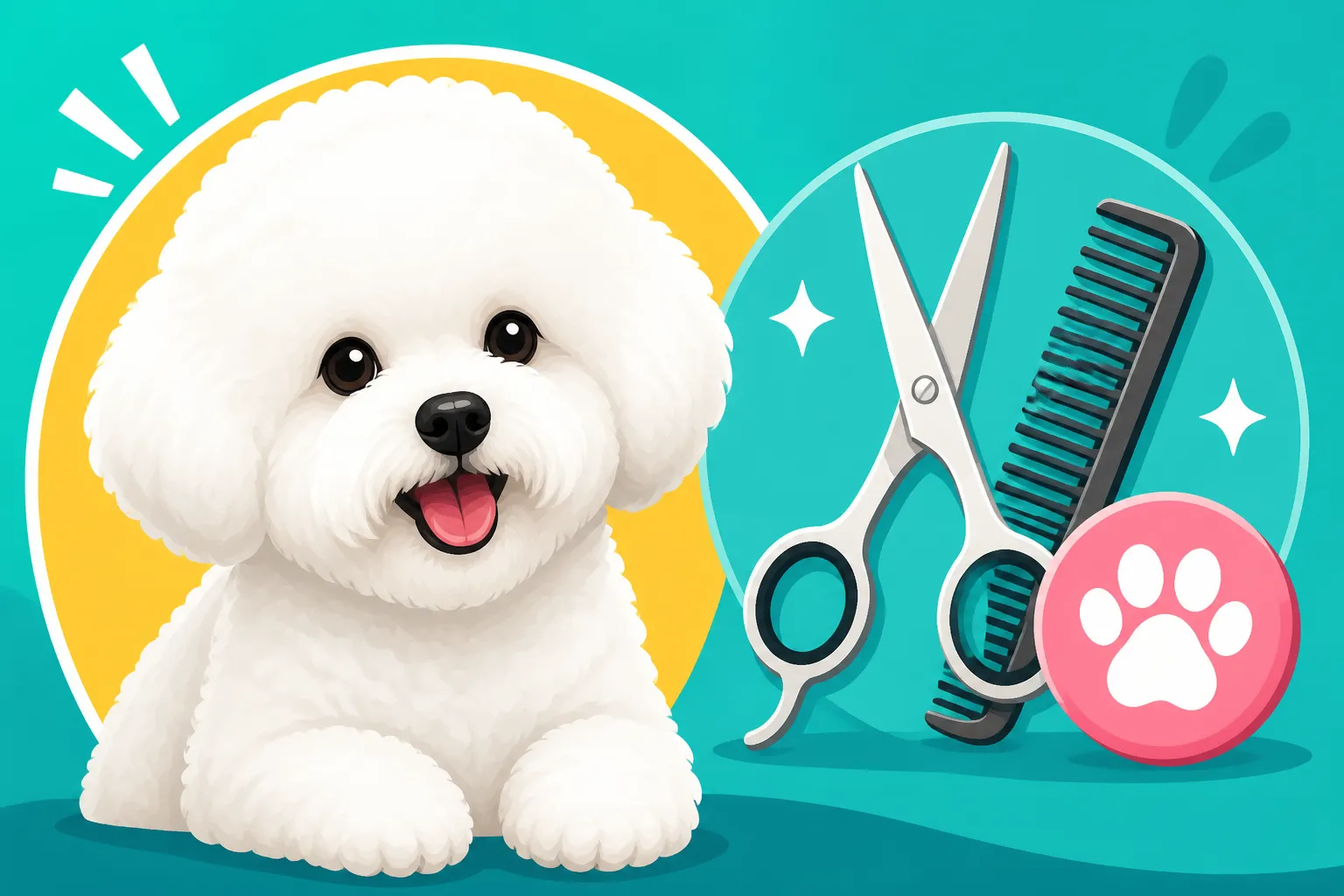
Bringing a Bichon Frise into your life is pure joy, but many new owners quickly discover that their fluffy white companion comes with a significant grooming commitment. Beyond regular brushing, maintaining that iconic "powder puff" look and preventing painful mats often requires a specific arsenal of scissors and combs. It's not just about aesthetics; having the right tools on hand can save you a fortune in professional grooming bills and ensure your Bichon stays comfortable and healthy. This guide will walk you through the essential scissors and combs you'll need, what they're for, and what you can expect to invest in these crucial grooming staples.
Why Specific Scissors and Combs Are Essential for Bichons
You might think a regular pair of scissors and a cheap comb would suffice for a little dog, but a Bichon Frise's coat is in a league of its own. Their unique double coat, consisting of a soft undercoat and coarser guard hairs, grows continuously and is prone to matting without diligent care. This isn't just a cosmetic issue; severe matting can pull on their skin, causing discomfort, pain, and even skin infections. Furthermore, achieving that distinctive fluffy, rounded Bichon silhouette requires precision tools.
The Unique Nature of the Bichon Frise Coat
Unlike many breeds that shed their undercoat, a Bichon Frise's shed hair tends to get trapped within their dense outer coat. This is fantastic news for allergy sufferers, but it means that if this trapped hair isn't regularly brushed out and trimmed, it quickly forms tight, felt-like mats. These mats act like a vice on their skin, restricting movement and sometimes even cutting off circulation. A good brush is your first line of defense, but for areas prone to matting or for detailed shaping, specialized scissors and combs become indispensable. You can read more about how their coat works in Whether a Bichon Frise Has an Undercoat.
Imagine trying to sculpt a perfect cloud with gardening shears – it just wouldn't work. The same applies to a Bichon's coat. Their hair isn't just about length; it's about density and texture. This means that generic human hair scissors or blunt craft scissors simply won't cut it, literally. They can pull, tear, or chew the hair, leading to a ragged look and potentially hurting your dog.
Beyond the Brush: Precision and Mat Prevention
While daily brushing is paramount, there are areas on a Bichon Frise that a brush simply can't handle with the necessary precision. Think about the delicate hair around their eyes, the sensitive skin on their sanitary areas, or the fluffy roundness of their paws and muzzle. These spots require sharp, specialized scissors to trim safely and effectively. Without them, you risk accidentally poking an eye, leaving sanitary hair too long (leading to hygiene issues), or struggling to maintain the correct breed profile.
Combs, too, play a crucial role beyond just detangling. A good metal comb, for instance, isn't just for general combing; it's a "mat detector" that can find tiny knots a slicker brush might miss. By working through the coat section by section, from the skin out, you can prevent small tangles from escalating into major matting nightmares. Investing in the right tools from the start is truly an investment in your Bichon's comfort and your peace of mind.
Decoding the Different Types of Scissors a Bichon Frise Needs
When you first start looking at grooming scissors, the sheer variety can be overwhelming. Straight, curved, thinning, blunt-tipped – what does it all mean, and which ones do you actually need? For a Bichon Frise, you'll likely want a small collection to tackle different areas and techniques, ensuring both safety and a beautiful finish.
Straight Grooming Shears for Body and Length
Straight grooming shears are your workhorse scissors. These are used for overall length reduction on the body, legs, and tail, and for creating straight lines. For a Bichon, you'll use them to trim the coat to the desired length after a thorough brush-out. They come in various lengths, but for a small dog like a Bichon Frise, a pair around 6.5 to 7.5 inches is typically manageable.
When choosing straight shears, look for stainless steel construction and a comfortable grip. Ergonomics are key, especially if you plan on doing a fair bit of home grooming. A sharp, high-quality pair will glide through the coat, making the process much smoother and less stressful for your dog. Cheaper, duller shears can pull hair, which is painful and makes the dog reluctant to cooperate with future grooming sessions.
Curved Shears for That Signature Roundness
This is where the magic of the Bichon's "powder puff" look comes in! Curved shears are absolutely essential for creating those beautiful, rounded shapes on your Bichon's head, paws, and tail. Trying to achieve a perfect circle with straight shears is like trying to draw a perfect circle freehand – nearly impossible. The curve of the blades allows you to follow the natural contours of your dog's body, blending lines and creating a soft, fluffy finish.
You'll primarily use curved shears for sculpting the topknot, rounding out the chest, and giving those adorable "cat feet" their characteristic circular shape. Just like with straight shears, quality matters here. Sharp blades prevent snagging, and a comfortable design reduces hand fatigue during those intricate shaping tasks. If you're serious about maintaining the traditional Bichon Frise outline, these are non-negotiable. The Powder Puff Outline a Bichon Frise Is Scissored Into discusses this in more detail.
Thinning Shears for Blending and Softening
Thinning shears, sometimes called blenders, have one straight blade and one notched or toothed blade. Their purpose isn't to cut off large sections of hair, but rather to thin out dense areas and blend different lengths of coat seamlessly. For a Bichon Frise, these are fantastic for softening lines left by straight or curved shears, especially around the face and legs, giving a much more natural and flowing appearance. They can also help reduce bulk in areas where the coat is particularly thick, like the chest or under the ears.
These are also incredibly useful for gently reducing the appearance of tear stains around the eyes by thinning the hair without making it look chopped. If your Bichon's coat tends to be very dense and prone to matting, a few passes with thinning shears in troublesome areas can help manage the bulk, making brushing easier.
Safety Scissors for Delicate Areas
Safety scissors typically have blunt, rounded tips. While they aren't for major trimming, they are invaluable for the most delicate areas, especially around the eyes, ears, and sanitary regions. The blunt tips significantly reduce the risk of accidentally poking your dog if they suddenly move their head or twitch. This is especially important for nervous dogs or wiggly puppies.
You'll use these for very careful trimming of stray hairs that might irritate your Bichon's eyes, or for tidying up the hair around the ear canal. While you might not use them as often as your main shears, the peace of mind they offer when working on sensitive spots makes them a worthwhile addition to your grooming kit.
Understanding the Essential Combs for a Bichon Frise's Coat
Combs are just as crucial as scissors for a Bichon Frise, acting as both a detangling tool and a "mat detector" that can save your dog from painful grooming sessions. You can't just rely on a brush alone; combs get right down to the skin, which is exactly where mats love to hide and begin.
The All-Important Metal Greyhound Comb
If there's one comb you absolutely must have for a Bichon Frise, it's a good quality metal greyhound comb. These combs typically have two sections: one with wider-spaced teeth and one with finer-spaced teeth. The wider teeth are perfect for initially working through the coat, gently separating tangles and removing loose hair. Once you've worked through an area with the wide teeth, you then follow up with the finer teeth to ensure every last tangle and mat has been removed, all the way down to the skin.
This comb is your secret weapon against matting. After brushing, run the metal comb through the coat. If the comb snags or doesn't glide smoothly, you know there's a mat forming that your brush missed. For truly comprehensive guidance on maintaining that fluffy coat, consider reading How Long Brushing a Bichon Frise Takes.
Face and Flea Combs for Detail Work
Smaller, finer-toothed combs are indispensable for delicate areas on a Bichon Frise. A dedicated face comb, often with very fine, closely spaced teeth, is perfect for gently tidying the hair around their eyes and muzzle. These areas are prone to staining and often collect food debris, so regular, careful combing is essential for hygiene and appearance. Always be incredibly gentle around their eyes.
A flea comb, while primarily designed to check for fleas, also serves as an excellent fine-tooth comb for these sensitive facial areas. Its extra-fine teeth are great for catching tiny knots or crusts around the eyes or mouth that might be missed by a wider comb. It's a dual-purpose tool that every Bichon owner should have in their kit.
The Cost Spectrum: From Budget Buys to Professional Grade
When it comes to grooming tools for your Bichon Frise, you'll find a wide range of prices. It's not always about buying the most expensive option, but understanding what you're paying for and finding the balance between quality, durability, and your budget. Remember, these are tools you'll be using frequently, so comfort and effectiveness are key.
Entry-Level and Starter Kits
For new Bichon Frise owners or those just dipping their toes into home grooming, entry-level scissors and combs can be a good starting point. You can often find basic sets that include a straight shear, a curved shear, and a metal comb for a relatively modest investment. These might not be professional-grade, but they can certainly get the job done for occasional trims and general maintenance.
However, be aware that cheaper tools might not stay sharp as long, or they might not have the ergonomic comfort of more expensive options. They can also be made of softer steel, which means they might dull faster or even bend if mishandled. Think of them as practice tools; they'll help you learn the ropes without breaking the bank. You might find such starter kits on sites like Chewy, which often have a good selection for various budgets.
Mid-Range Options for Regular Home Grooming
If you plan to do a significant portion of your Bichon's grooming yourself, investing in mid-range scissors and combs is a smart move. These tools offer a much better balance of quality, sharpness, and durability without the hefty price tag of top-tier professional equipment. Mid-range shears will typically be made of better quality stainless steel, hold an edge longer, and often feature more comfortable, ergonomic handles.
This is where you'll start to notice a real difference in how smoothly the scissors cut and how effectively the comb glides through the coat. A good mid-range set might cost a bit more upfront, but it can save you money in the long run by reducing the frequency of professional grooms and lasting longer than budget options. Many dedicated pet grooming brands offer excellent mid-range products.
Professional-Grade Tools for the Serious Groomer
For those who are truly committed to grooming their Bichon Frise to a show-quality standard, or who simply appreciate the finest tools, professional-grade scissors and combs are available. These are typically made from Japanese or German stainless steel, renowned for its hardness and ability to hold a razor-sharp edge. They often feature specialized coatings, advanced ergonomics, and even adjustable tension screws for a customized feel.
The price jump for professional tools can be significant, but they offer unparalleled precision, durability, and a smooth cutting experience. If you’re considering taking a grooming course or your Bichon has a particularly challenging coat, these tools can make the process much easier and more enjoyable. However, they also require proper care, including professional sharpening, which adds to the ongoing cost. To understand the total investment in home grooming, you might find What a Home Grooming Kit Costs a Bichon Frise Owner helpful.
Here's a quick overview of what you might expect for common grooming tools:
| Tool Type | Primary Use | General Cost Range (Individual Item) | Key Considerations |
|---|---|---|---|
| Straight Shears | Overall length, body, legs | Modest to Significant | Blade length, material, sharpness, ergonomic handle |
| Curved Shears | Rounding head, paws, tail | Modest to Significant | Curve degree, material, comfort |
| Thinning Shears | Blending, softening lines, reducing bulk | Modest to Significant | Tooth count, material, balance |
| Safety (Blunt-Tip) Scissors | Delicate areas (eyes, ears, sanitary) | Low to Modest | Tip design, small size for control |
| Metal Greyhound Comb | Detangling, mat detection, finishing | Low to Modest | Pin spacing (wide/fine), material (stainless steel) |
| Face/Flea Comb | Eye area, muzzle, fine detail | Very Low to Low | Tooth spacing, size for precision |
Note: The cost ranges above are general and describe the shape of the investment. Specific prices vary greatly depending on brand, material, and retailer. Always check current figures from your chosen provider.
Where to Buy and How to Spot Value
Knowing what tools you need is one thing, but figuring out where to buy them and how to ensure you're getting a good deal without sacrificing quality can be another challenge. There are several avenues for purchasing grooming tools, each with its own advantages.
Online Retailers vs. Specialty Pet Stores
Online retailers like Chewy or Amazon offer an incredibly vast selection of grooming tools, often at competitive prices. You can browse different brands, read reviews from other pet owners, and compare features from the comfort of your home. This is often the easiest way to access a wide range of options, from budget-friendly sets to more specialized professional tools. Just be sure to check return policies, especially for higher-priced items, in case they don't meet your expectations.
Specialty pet stores or local grooming supply shops might have a more curated selection, but the benefit is that you can physically handle the tools. Feeling the weight, balance, and grip of a pair of scissors can make a huge difference in your comfort and control during grooming. Staff at these stores are also often knowledgeable and can offer personalized recommendations based on your Bichon's coat type and your grooming experience.
Looking for Sets and Bundles
Often, you can save money by purchasing grooming tool sets or bundles rather than individual items. Many brands offer starter kits that include essential shears (straight, curved, thinning) and a comb, which can be a cost-effective way to get the core tools you need. These sets are particularly good for beginners, as they ensure you have a comprehensive foundation of tools without having to research and buy each piece separately.
When considering a set, make sure the quality of each component is adequate. Sometimes, a set might include one good item and a few lesser-quality ones. Read reviews and consider what other Bichon Frise owners recommend.
Prioritizing Quality Over Price for Key Items
While it might be tempting to opt for the cheapest option, especially for items like scissors, prioritizing quality for your most frequently used tools will pay off. High-quality scissors, for instance, will stay sharper longer, provide a cleaner cut, and be more comfortable to use. Dull scissors can pull and snag your Bichon's hair, making grooming a miserable experience for both of you.
Think about the longevity and performance. A slightly higher investment upfront in a good pair of straight shears and a reliable metal comb can mean fewer replacements and more efficient, pleasant grooming sessions over time. This is especially true for items like your main cutting shears. You want to make sure the blades are sharp and made of durable steel to handle that dense Bichon coat without tearing.
Beyond the Initial Purchase: Maintenance and Replacement
Buying your grooming tools is just the first step. To ensure they last and remain effective, proper maintenance is crucial. Just like any good set of tools, your scissors and combs need care to perform their best for your beloved Bichon Frise. Neglecting them can lead to damaged tools, frustrating grooming sessions, and potentially harm to your dog.
Cleaning and Storage Best Practices
After every grooming session, it's vital to clean your scissors and combs thoroughly. Hair and dander can build up, potentially dulling blades and harboring bacteria. Use a soft cloth or a small brush to remove all traces of hair. For scissors, you can often wipe the blades with an alcohol wipe to sanitize them, then dry them completely. Some grooming professionals even use clipper blade wash or disinfectant sprays for deeper cleaning.
Once clean, make sure your tools are completely dry before storing them. Moisture is the enemy of metal and can lead to rust. Store your scissors in a protective case or a dedicated drawer to prevent them from knocking against other objects, which can dull or chip the blades. Combs can be stored alongside, ideally in a way that prevents teeth from bending. Proper storage protects your investment and keeps your tools hygienic.
Sharpening Services for Scissors
Even the highest quality grooming shears will eventually lose their edge with regular use. When your scissors start to pull hair instead of cutting cleanly, it's time for them to be sharpened. This isn't a job for your average kitchen knife sharpener. Grooming scissors require specialized sharpening by professionals who understand the precise angles and delicate nature of these tools.
Search for a professional grooming scissor sharpener in your area. Many mobile sharpeners visit pet stores or grooming salons on a regular basis. The cost of sharpening is far less than replacing a good pair of shears, and it ensures your tools continue to perform at their best. Having your tools professionally sharpened regularly will extend their lifespan significantly.
When to Replace Worn-Out Combs and Tools
While good quality scissors can be sharpened multiple times, combs do have a lifespan. Over time, the teeth of your metal comb might become bent or even break off, especially if you're frequently tackling tough mats. A comb with bent or missing teeth won't be as effective and can even scratch your Bichon's skin.
Similarly, if your scissors become chipped, rusted beyond repair, or if the handles become too loose or uncomfortable, it might be time for a replacement. Sometimes, a tool is simply beyond economical repair. Keep an eye on the condition of your grooming arsenal, and don't hesitate to replace items when they are no longer safe or effective for grooming your Bichon Frise.
Disclaimer
This article is for general informational purposes only and does not constitute professional advice. Laws, prices and regulations vary by location and change over time. Consult a qualified professional for guidance on your specific situation.