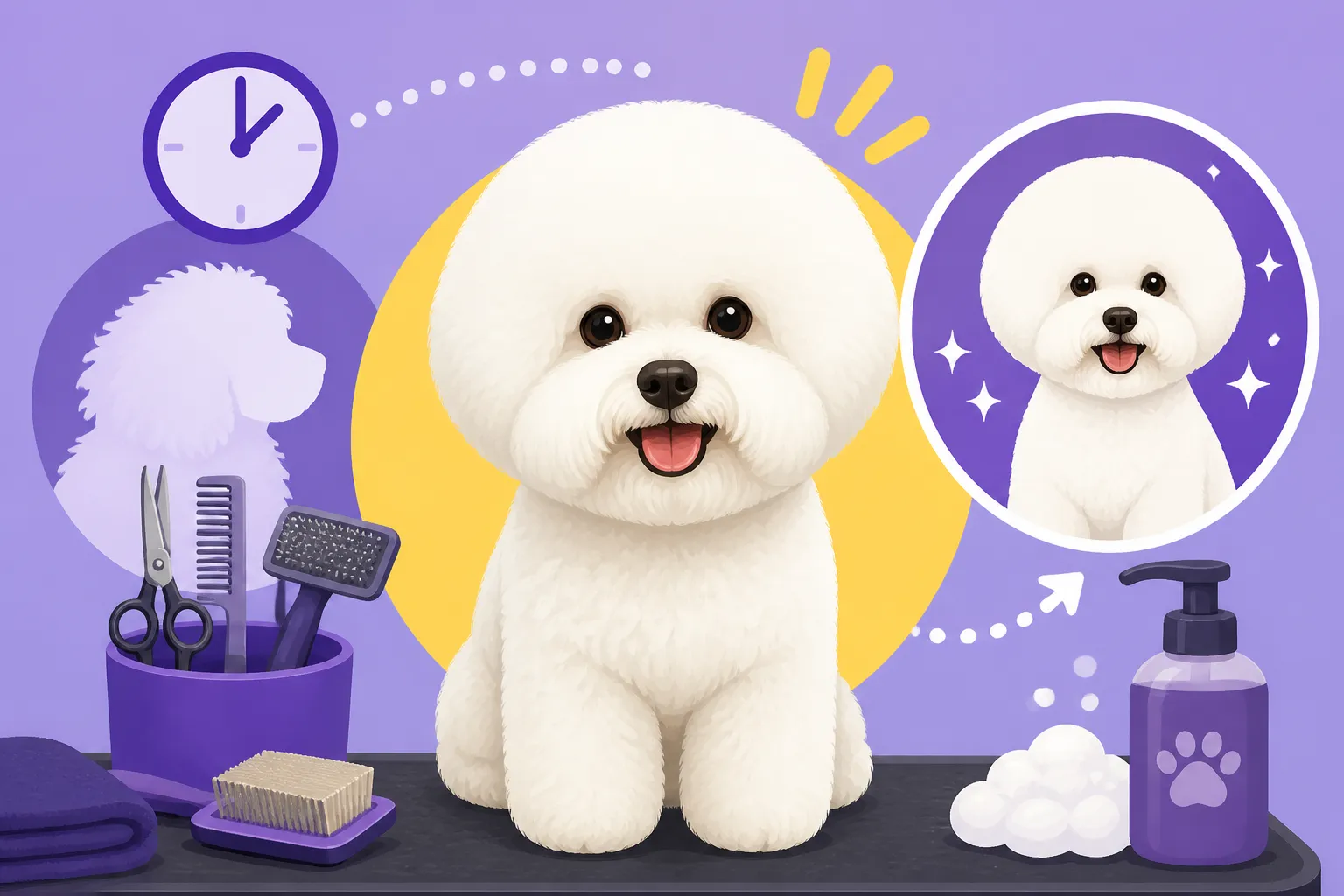
What Fifteen Years of Bichon Frise Grooming Adds Up To
Owning a Bichon Frise is an absolute joy, isn't it? Their playful spirit and cloud-like white coats bring so much happiness into our homes. But let's be realistic for a moment: that gorgeous, fluffy coat doesn't maintain itself. Many new Bichon parents are completely unprepared for the sheer volume and ongoing cost of grooming over their dog's long, happy life. This guide is here to walk you through exactly what fifteen years of Bichon Frise grooming adds up to, both financially and in terms of time and effort, so you can be fully prepared for this essential commitment.
The Lifelong Grooming Imperative for Bichon Frises
When you bring a Bichon Frise home, you're not just getting a pet; you're adopting a lifestyle that includes regular, dedicated grooming. This isn't just about aesthetics; it's fundamental to their health and comfort. For a breed known to live a good fourteen to fifteen years, understanding this commitment from day one is paramount.
The Unique Bichon Coat and Why It Needs Constant Care
The Bichon Frise boasts a magnificent double coat that is truly unique. It consists of a soft, dense undercoat and a coarser, curly outer coat. What makes it special, and also demanding, is that Bichons are often referred to as "non-shedding" dogs. This means the hair they do shed doesn doesn't fall out onto your furniture; instead, it gets trapped within their existing coat.
This trapped hair is the primary culprit behind matting. If not brushed out regularly and thoroughly, these mats can quickly escalate into painful tangles that pull on the skin, cause irritation, and create a breeding ground for skin infections. Imagine trying to move with a tight knot of hair constantly tugging at your skin – that's what a matted Bichon experiences. The distinctive powder puff outline a Bichon Frise is scissored into is lovely, but maintaining it requires diligence due to this unique coat texture. This constant care is non-negotiable for their well-being.
Grooming Frequency: The "Every Six Weeks" Rule
You'll hear experienced Bichon owners and professional groomers alike preach the "every six weeks" rule, and for good reason. This isn't an arbitrary suggestion; it's the sweet spot for keeping a Bichon's coat healthy, clean, and free from severe matting. Anything longer than six to eight weeks, especially if consistent home brushing isn't happening daily, almost guarantees matting that can make the grooming process much more difficult and even painful for your dog.
Sticking to this schedule from puppyhood also helps your Bichon get accustomed to the routine, making future grooming sessions less stressful for everyone involved. Consistency builds trust and makes the whole experience more manageable. You can read more about this essential routine in our guide, "The Six Week Bichon Frise Groom That Never Stops."
Professional Grooming Costs Over Time
For many Bichon Frise owners, professional grooming is the preferred, and often necessary, route to maintain their dog's coat. It's a significant ongoing expense, but for good reason: groomers have the specialized tools, skills, and experience to handle this demanding coat.
The Regular Salon Visit: What's Included and Why it Costs
A standard professional grooming session for a Bichon Frise usually includes a thorough bath with high-quality shampoos and conditioners, a full blow-dry, ear cleaning and plucking, nail trimming, and a breed-specific haircut. The iconic round head is scissored on a Bichon Frise, requiring precision and artistry. This isn't just a quick wash and trim; it's a meticulous process that takes time and skill.
The cost reflects the groomer's expertise, the time involved (often 2-3 hours for a Bichon), the quality of products used, and the overhead of running a salon. Groomers also factor in the specialized equipment they use, like high-velocity dryers and professional-grade clippers and scissors. This is why you'll find that "What a Full Bichon Frise Groom Costs" is often a figure that surprises new owners. These aren't just stylists; they're skilled professionals who ensure your dog's comfort and health.
Special Services and Upcharges: When the Bill Climbs Higher
While a regular groom has a standard price, several factors can quickly drive that cost up. The most common culprit is matting. If your Bichon arrives at the salon with significant mats, the groomer will have to spend extra time carefully de-matting them or, in severe cases, may recommend a full shave-down. De-matting is a time-consuming and delicate process that can be uncomfortable for the dog, so groomers often charge an additional fee. You'll find that "Whether a Matted Bichon Frise Must Be Shaved" is a common and often heartbreaking question for owners facing these charges.
Other potential upcharges can include specialty shampoos (for sensitive skin, whitening, or de-shedding treatments), anal gland expression, or specialized handling fees for nervous or difficult dogs. If your Bichon needs sedation for grooming, perhaps due to anxiety or pain, that's another cost that will typically be handled by a vet and added to your overall expense, highlighting that grooming isn't always just a simple trip to the salon.
Geographic and Provider Variances in Grooming Fees
The cost of professional grooming isn't static; it varies significantly based on where you live and the type of grooming service you choose. In major metropolitan areas or affluent suburbs, you can expect to pay a premium compared to rural areas. This is often due to higher operating costs for businesses in those locations.
The type of groomer also plays a role. A high-end boutique salon with a reputation for show-quality trims will naturally charge more than a smaller, independent groomer working out of their home or a mobile grooming service. Mobile groomers offer convenience by coming to your home, which can be fantastic for anxious dogs, but this convenience often comes at a higher price point to cover travel and equipment. Always research local options and read reviews to find a groomer that fits your budget and your Bichon's needs.
The Hidden Costs of Home Grooming
Some owners opt to tackle Bichon grooming themselves, hoping to save money. While it's true that you can reduce salon visits, home grooming is far from free. It requires a significant upfront investment in tools, ongoing expenses for supplies, and a considerable commitment of your time and effort.
Essential Home Grooming Tools: Initial Investment
To groom a Bichon Frise effectively at home, you'll need a specific set of tools, and these aren't cheap. A good quality set of clippers for dogs is essential, along with various blade sizes. You'll also need several pairs of grooming scissors (straight, curved, and thinning shears) for detail work, especially around the face and feet to achieve that signature look. A sturdy slicker brush and a metal comb are non-negotiable for tackling that dense coat.
Beyond the basics, a grooming table with a restraint arm is highly recommended for safety and comfort, both for you and your dog. A powerful, quiet dog-specific dryer is also crucial to thoroughly dry their dense coat and prevent matting. These initial purchases can quickly add up, easily costing hundreds of dollars, but they are vital for effective and safe home grooming. Our guide on "What a Home Grooming Kit Costs a Bichon Frise Owner" can give you a better idea of the necessary investment.
Consumables and Maintenance: Ongoing Expenses
The initial tool purchase is just the beginning. Home grooming comes with its own set of ongoing expenses. You'll need to replenish shampoos, conditioners, detangling sprays, and ear cleaning solutions regularly. Given the Bichon's white coat, you might even invest in whitening shampoos or tear stain removers to keep them looking pristine.
Beyond consumables, your tools will require maintenance. Clipper blades need to be sharpened periodically, and eventually, replaced. Batteries for cordless clippers might need replacing. Even things like replacement slicker brush heads or new nail clippers contribute to the continuous cost. These seem small individually, but over fifteen years, they add up. Think about how often a Bichon Frise needs its ears cleaned every week, which means regular use of ear cleaner.
Time and Skill Investment: The Non-Monetary Cost
Perhaps the biggest "hidden" cost of home grooming is the time and skill required. Learning to groom a Bichon properly takes practice, patience, and a steady hand. You need to learn how to line brush effectively, how to use clippers and scissors safely without nicking the skin, and how to shape their coat correctly. This isn't something you master overnight.
A full home groom can take anywhere from 3 to 5 hours, especially when you're first learning or if your dog isn't keen on standing still. And remember, this needs to happen every six weeks, alongside daily brushing and occasional baths in between. This commitment of time is significant and often underestimated. The risk of injury (to yourself or your dog) from inexperienced handling is also a factor to consider.
Managing Grooming Costs Over a Bichon's Lifespan
Fifteen years is a long time, and grooming costs can fluctuate. Being strategic about how you approach your Bichon's grooming can help manage the financial strain while still ensuring their well-being.
Combining Professional and Home Grooming: A Hybrid Approach
Many Bichon owners find a hybrid approach to be the most practical and cost-effective solution. This involves taking your Bichon to a professional groomer every 2-3 months for a full, comprehensive groom, and then performing diligent maintenance at home in between. This might include regular brushing, bathing, and trimming around the face, paws, and sanitary areas.
By committing to home maintenance, you can stretch out the time between professional appointments, potentially reducing your yearly salon bill. However, it requires absolute consistency. If you let the home grooming slide, the mats will return, and you'll be back to paying for de-matting fees or shave-downs, negating any savings. It's a delicate balance that relies on your dedication.
The Impact of Health Issues on Grooming Expenses
Unfortunately, grooming costs can escalate if your Bichon Frise develops certain health issues common to the breed. For instance, Bichons are prone to skin allergies. If your dog suffers from atopic dermatitis or other skin irritations, they might require special medicated baths, which could be part of a professional groom or an additional expense if done at home with prescription shampoos. "What Treating a Bichon Frise's Skin Costs Every Year" can be substantial, and grooming is a part of that.
Older Bichons, especially those past eleven years of age, might develop arthritis or other mobility issues, making it difficult for them to stand for long grooming sessions. This could necessitate more frequent, shorter grooming appointments or require a groomer who charges extra for specialized handling or even sedation in severe cases. You might want to review "Grooming an Old Bichon Frise That Cannot Stand Long" for more insights. Any health problem that causes discomfort or reduces mobility can complicate the grooming process and, consequently, increase its cost.
Pet Insurance and Wellness Plans: Do They Cover Grooming?
This is a common question, and the answer is usually no. Standard pet insurance policies like those from Healthy Paws or similar providers are designed to cover unexpected accidents, illnesses, and emergencies. Routine grooming, including baths, haircuts, nail trims, and ear cleaning, is generally considered a preventative or cosmetic expense and is not covered.
However, some pet insurance providers or third-party companies offer optional "wellness plans" or "preventative care packages" as an add-on. These plans might offer discounts or partial reimbursement for things like routine vet check-ups, vaccinations, and sometimes, a limited number of grooming services or specific items like ear cleaning solution if tied to a medical issue. It's crucial to read the fine print of any plan you consider to understand exactly what's included and what's excluded regarding grooming costs for your Bichon Frise.
The Fifteen-Year Financial Summation
Let's pull all this information together to give you a realistic picture of the long-term investment involved in keeping your Bichon Frise looking and feeling their best. This isn't just about single appointments; it's about the cumulative cost over their entire lifespan.
Calculating the Long-Term Investment
To give you a clearer picture, let's consider two main scenarios: primarily professional grooming and a committed home grooming approach.
Scenario 1: Primarily Professional Grooming
If you take your Bichon to a professional groomer every six weeks for 15 years, that's roughly 10 sessions per year.
- Annual Cost: (Average Professional Groom Cost) x 10
- 15-Year Total: (Annual Cost) x 15
This doesn't include potential upcharges for matting, special shampoos, or emergency vet visits if a grooming issue (like a severe mat leading to a skin infection) requires medical attention. This estimate can easily run into the thousands, if not tens of thousands, over the lifetime of your pet.
Scenario 2: Committed Home Grooming (Hybrid Approach)
This involves the initial investment in tools, ongoing supply costs, and less frequent professional visits (e.g., 4 times a year).
- Initial Tool Investment: (Cost of clippers, scissors, brushes, table, dryer)
- Annual Supply Cost: (Shampoo, conditioner, ear cleaner, blade sharpening, etc.)
- Annual Professional Groom Cost: (Average Professional Groom Cost) x 4
- 15-Year Total: (Initial Tool Investment) + ((Annual Supply Cost + Annual Professional Groom Cost) x 15)
Even with home grooming, the professional visits for maintenance and difficult trims are often still necessary to maintain coat health and prevent severe issues. Plus, your time and effort are invaluable here.
Here's a simplified table to illustrate the shape of these long-term costs without providing specific numerical values, as these fluctuate greatly by region and service provider.
| Category | Professional Grooming (10x/year) | Hybrid Grooming (4x/year + Home) |
|---|---|---|
| Cost Per Session/Item | Moderate to High | Low (Home) to Moderate (Pro) |
| Initial Tool Investment | Very Low (basic brush, comb) | High |
| Ongoing Supply Cost (Yearly) | Very Low | Moderate |
| Yearly Total Cost | High | Moderate |
| 15-Year Total Cost (Est.) | Very High | High |
| Time Investment | Low (drop-off/pick-up) | Very High (daily/weekly grooming) |
| Skill Required | None (client) | High (owner) |
It's clear that the financial commitment for Bichon Frise grooming is substantial, regardless of the path you choose. Setting money aside for a Bichon Frise's vet bills and grooming expenses is a wise decision from the start.
The Intangible Value: Beyond the Dollars and Cents
While the numbers can seem daunting, it's essential to remember the immense intangible value that consistent, good grooming provides. A well-groomed Bichon is a comfortable, healthy, and happy Bichon. Regular grooming sessions, whether professional or at home, provide an opportunity to check their skin for lumps worth checking on a Bichon Frise, assess their ears for infection, and ensure their nails are trimmed to prevent painful issues.
Beyond health, grooming reinforces the bond you share with your dog. It's a time of quiet interaction, touch, and care. The joy of seeing your Bichon Frise prance around with their pristine, fluffy coat, free from mats and discomfort, is truly priceless. Choosing a Bichon Frise means embracing this commitment, and in return, you'll receive years of unparalleled companionship and unconditional love. Despite the costs, many Bichon Frise owners would agree that their dog was the right choice.
Disclaimer
This article is for general informational purposes only and does not constitute professional advice. Laws, prices and regulations vary by location and change over time. Consult a qualified professional for guidance on your specific situation.