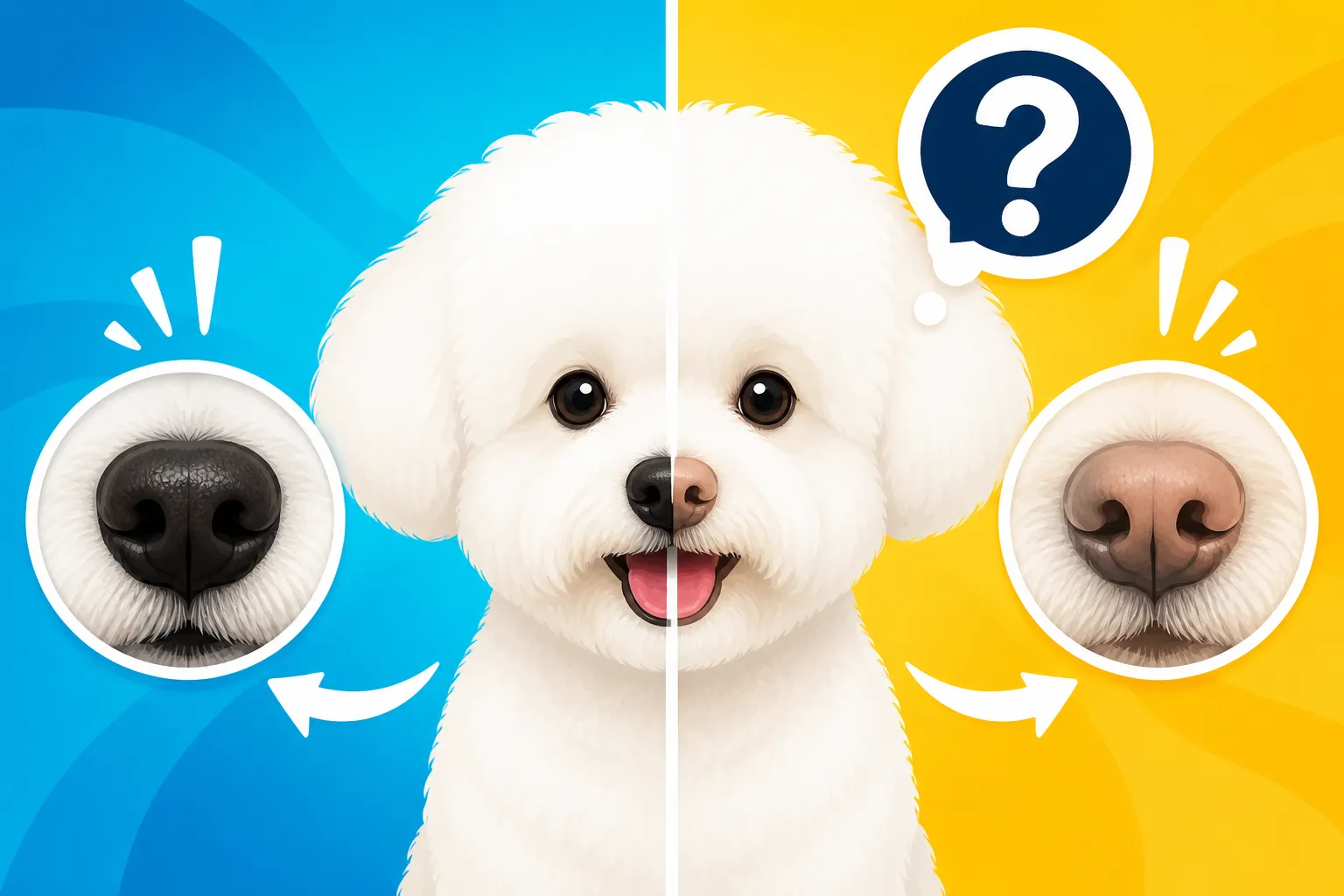
Whether a Bichon Frise’s Nose Loses Pigment
It’s a common moment for many Bichon Frise parents: you look at your fluffy white companion one day, perhaps while they’re napping peacefully, and notice their once perfectly black, glossy nose seems a little faded, a bit pinker than you remember. It can be a bit alarming, making you wonder if something is seriously wrong with your beloved dog. This guide is here to shed light on why a Bichon Frise's nose might lose its pigment, what it means for their health, and what steps you can take.
Understanding Bichon Frise Nose Pigmentation
The Bichon Frise is known for its dazzling white coat and contrasting dark features. A jet-black nose, often referred to as a "button nose," is one of those cherished traits that makes their sweet faces so appealing. But beyond aesthetics, nose pigmentation actually plays a small role in a dog's overall health and well-being.
The Ideal Bichon Frise Nose
When you picture a quintessential Bichon Frise, you likely imagine that perfectly spherical, intensely black nose. This isn't just a preference; it's part of the breed standard. Breeders strive for a solid black nose because it signifies healthy pigmentation, which is genetically linked to other pigment-rich areas like the eye rims and paw pads. A deep, consistent black color is generally considered a sign of a robust genetic background for the breed. It completes the picture of health and vibrancy that we adore in our Bichons.
Think of it as the cherry on top of their snowy white charm. It's a hallmark feature, and any change can naturally draw an owner's concern. You might also want to read about Whether a Bichon Frise Needs Halo Pigment Around the Eyes to understand the importance of overall pigmentation.
Why Pigmentation is Important Beyond Looks
While a black nose is primarily a cosmetic trait in the Bichon Frise, the pigment itself – melanin – does offer some minor protection, particularly from sun exposure. A heavily pigmented nose is less prone to sunburn than a pinker one, much like human skin. While Bichons generally prefer indoor living, a sunny afternoon stroll or a long nap near a window can still expose their delicate noses to UV rays.
Beyond sun protection, changes in nose pigment can sometimes be an indicator of underlying health issues. It's not usually a severe problem on its own, but it can be a subtle sign that something else is going on with their body, be it nutritional, environmental, or even immunological. This is why paying attention to these subtle shifts is so important for attentive pet parents.
Causes of Nose Pigment Loss in Bichon Frises
When that lovely black nose starts to fade, it's natural to wonder why. There are several reasons why a Bichon Frise might experience a loss of nose pigment, ranging from completely harmless seasonal changes to more significant health concerns. Understanding these can help you determine if a vet visit is needed.
"Snow Nose" or Seasonal Hypopigmentation
One of the most common and entirely benign reasons for a Bichon's nose to lighten is a phenomenon affectionately known as "snow nose" or "winter nose," or more formally, seasonal hypopigmentation. This is particularly prevalent in lighter-coated breeds, and yes, our white Bichons are certainly in that category!
What happens is that the enzyme responsible for melanin production, tyrosinase, becomes less active during colder, darker months. This can cause the nose to lighten to a pinkish-brown or even a pale pink. As the days lengthen and warm up in spring and summer, the pigment usually returns to its normal black. It’s simply a quirky genetic trait, not a health problem. Many Bichon owners will notice this pattern year after year, almost like a biological calendar. If you've ever wondered Whether a Bichon Frise Overheats in Summer, you'll know their coat can protect them, but their nose is a different story.
Contact Dermatitis and Environmental Factors
Sometimes, the culprit isn't internal but external. Bichons can be sensitive, and their noses can react to certain materials or environmental irritants, leading to contact dermatitis. This can manifest as irritation, redness, and even a loss of pigment on the nose.
Think about where your Bichon eats and drinks. Plastic bowls, especially older, scratched ones, can harbor bacteria and leach chemicals that irritate sensitive skin. Switching to stainless steel or ceramic bowls is often recommended. Certain cleaning products used on floors, outdoor fertilizers, or even materials in their bedding could also be triggers. It's like when you have a minor skin reaction; the area might look a bit different for a while. If your Bichon also experiences itching elsewhere, you might explore What Atopic Dermatitis Does to a Bichon Frise.
Zinc Deficiency and Other Nutritional Aspects
Nutrition plays a vital role in every aspect of a dog's health, and pigmentation is no exception. A deficiency in certain minerals, particularly zinc, can sometimes be linked to a loss of nose pigment, among other skin and coat issues. Zinc is crucial for healthy skin, immune function, and yes, maintaining proper pigmentation.
While rare in dogs fed a high-quality, balanced commercial diet, some individual dogs might have issues absorbing zinc, even if their diet contains adequate amounts. This is more common in certain larger breeds, but it's something to consider. Other nutritional imbalances, while less directly linked, can also impact overall skin and coat health, indirectly affecting nose pigment. If you're concerned about your Bichon's diet, our article on The Diet a Bichon Frise Stays On for Life offers helpful insights.
Autoimmune Conditions and Medical Causes
In some cases, nose pigment loss can be a symptom of a more serious underlying medical condition, particularly autoimmune diseases. These are conditions where the body's immune system mistakenly attacks its own healthy cells.
One such condition is vitiligo, which causes patches of skin (including the nose) to lose pigment. Another is discoid lupus erythematosus (DLE), an autoimmune skin disease that often affects the nose, causing depigmentation, crusting, and even ulceration. These conditions are usually accompanied by other symptoms beyond just a fading nose, such as lesions, sores, or general malaise. While less common, it’s important to be aware of these possibilities, especially if the pigment loss is accompanied by other worrying signs. You might also want to read Whether a Bichon Frise Gets Autoimmune Anemia to understand other autoimmune risks.
Differentiating Between Harmless and Concerning Pigment Loss
It can be tough to tell the difference between a minor, temporary change in your Bichon's nose pigment and something that warrants a trip to the vet. Knowing what to look for can save you a lot of worry – or prompt you to seek professional advice when it’s truly needed.
When to Be Concerned About Your Bichon's Nose
Most cases of "snow nose" are benign and will resolve on their own. However, there are definite red flags that suggest the pigment loss is more than just a seasonal shift. If you observe any of the following alongside the fading pigment, it’s time to call your veterinarian:
- Crusting, scabbing, or sores: If the surface of the nose isn't smooth but shows signs of skin damage.
- Bleeding: Any active bleeding from the nose area, no matter how small.
- Itching or pain: If your Bichon is constantly rubbing, pawing at, or sensitive to touch on their nose.
- Redness or inflammation: The skin around the nose appears irritated, swollen, or unusually red.
- Changes in appetite or energy: If your Bichon seems generally unwell, lethargic, or isn't eating normally.
- Rapid or sudden depigmentation: While snow nose is usually gradual, a very quick or patchy loss of pigment can be more concerning.
- No return of pigment: If the nose remains faded through spring and summer, ruling out seasonal changes.
These additional symptoms indicate that the problem isn't just cosmetic; it could be a sign of infection, an allergic reaction, or an autoimmune disease. Your vet can conduct a thorough examination to pinpoint the cause.
Diagnostic Steps Your Vet Might Take
When you visit the vet for nose pigment loss, they'll likely start with a comprehensive physical exam and ask you a lot of questions about your Bichon's history, diet, and any other symptoms you've noticed. This helps them narrow down the potential causes.
Depending on their initial findings, they might recommend several diagnostic tests:
- Skin scrapings or biopsies: If there's any skin irritation or lesions, a small sample might be taken to examine under a microscope for parasites, fungal infections, or cellular abnormalities.
- Blood tests: To check for underlying systemic illnesses, nutritional deficiencies (like zinc), or autoimmune markers.
- Dietary trial: If contact dermatitis is suspected, they might suggest switching to hypoallergenic bowls and eliminating certain treats or foods to see if the pigment returns.
- Allergy testing: If allergies are suspected to be contributing to skin irritation around the nose, further allergy testing might be considered. You might remember reading about Whether a Bichon Frise Needs Allergy Testing for other skin issues.
It’s crucial to provide your vet with as much detail as possible, even things that seem minor, as it can help them put together the puzzle and reach an accurate diagnosis.
Managing and Potentially Reversing Pigment Loss
Once the cause of your Bichon's nose pigment loss is identified, your vet will work with you to create a management plan. In many cases, especially with "snow nose" or mild environmental reactions, the pigment can return or be maintained with simple adjustments.
Dietary Adjustments and Supplements
For nutritional causes like zinc deficiency, or to simply support overall skin health, dietary changes can be very effective. Your vet might suggest:
- High-quality diet: Ensuring your Bichon is on a nutritionally complete and balanced diet is always the first step. Sometimes, simply upgrading to a better quality food can make a difference.
- Zinc supplementation: If a zinc deficiency is confirmed, your vet may prescribe a specific zinc supplement. It's vital not to supplement zinc without veterinary guidance, as too much can be toxic.
- Omega-3 fatty acids: Supplements like fish oil are known for their anti-inflammatory properties and can support healthy skin and coat, indirectly aiding in pigment health.
- Antioxidants: Vitamins E and C, as well as other antioxidants, can help protect cells from damage and support overall health, which includes healthy skin.
Remember, any significant dietary changes or supplement additions should always be discussed with your vet to ensure they are appropriate and safe for your individual Bichon. You might also want to refer to Whether a Low Oxalate Diet Is Enough for a Bichon Frise for general dietary concerns.
Environmental Management and Protection
Preventing contact with irritants and protecting your Bichon's nose from the elements can go a long way in preserving its pigment.
- Switch to non-plastic bowls: Stainless steel, ceramic, or glass bowls are hypoallergenic and easy to clean, reducing the risk of contact dermatitis. Be sure to wash them regularly.
- Sun protection: If your Bichon has a lighter nose, consider applying a pet-safe sunscreen to their nose when they'll be spending extended time outdoors, especially in sunny climates. Just like us, Whether a Clipped Bichon Frise Sunburns is a real concern, and the nose is no exception.
- Identify and remove irritants: Pay attention to where your Bichon spends their time. Could a new carpet cleaner, laundry detergent used on their bedding, or even plants in your yard be causing irritation? Removing the offending item can often reverse the depigmentation.
- Gentle grooming practices: Ensure that any grooming products used around the face are mild and specifically designed for dogs. Harsh shampoos or perfumes can sometimes cause irritation.
Medical Treatments for Underlying Conditions
If the pigment loss is due to an autoimmune condition or another medical issue, your vet will recommend specific treatments targeting that disease.
- Corticosteroids: For autoimmune conditions like DLE, corticosteroids (either topical or oral) are often used to suppress the immune system's attack on the skin cells and reduce inflammation.
- Immunosuppressants: Other immunosuppressive medications might be used in conjunction with or instead of corticosteroids, depending on the severity and specific diagnosis.
- Antibiotics/Antifungals: If a secondary bacterial or fungal infection has set in due to the compromised skin barrier, appropriate antimicrobial medications will be prescribed.
- Regular monitoring: For chronic conditions, regular follow-up appointments and tests will be necessary to monitor your Bichon's response to treatment and adjust the plan as needed.
It's important to remember that some medical causes of pigment loss may require lifelong management, but with dedicated care, many Bichons can lead full and comfortable lives.
Comparing Common Causes of Nose Pigment Loss
To help you quickly differentiate between some of the common reasons for nose depigmentation in your Bichon Frise, here's a handy comparison table. This isn't a substitute for veterinary advice, but it can help you understand the possibilities.
| Cause | Typical Appearance of Nose | Accompanying Symptoms | Seasonality | Reversibility (with treatment/time) |
|---|---|---|---|---|
| Snow Nose / Seasonal | Pinkish-brown or pale pink, otherwise smooth and healthy | None, dog is otherwise well | Winter/Colder Months | Yes, usually returns in warmer months |
| Contact Dermatitis | Redness, mild swelling, some depigmentation, rough texture | Itching, rubbing, general irritation around the nose/mouth | Any | Yes, if irritant is removed |
| Zinc Deficiency | Fading pigment, crusting, scaling, especially around nose/eyes | Dull coat, poor skin, lethargy (less common in Bichons) | Any | Yes, with proper supplementation |
| Autoimmune Disease | Significant depigmentation, crusting, ulceration, bleeding | Pain, discomfort, general illness, skin lesions elsewhere | Any | Variable, often requires ongoing medical management |
| Sunburn | Redness, peeling, tenderness, pain, acute depigmentation | Avoidance of sun, sensitivity to touch | Summer/High UV Exposure | Yes, with protection and healing |
Remember, your veterinarian is always the best resource for a definitive diagnosis and treatment plan for your beloved Bichon.
Disclaimer
This article is for general informational purposes only and does not constitute professional advice. Laws, prices and regulations vary by location and change over time. Consult a qualified professional for guidance on your specific situation.