Whether a Low Oxalate Diet Is Enough for a Bichon Frise
It's incredibly frustrating when you're doing everything you think is right for your beloved Bichon Frise, only to worry if it's truly enough. Many Bichon Frise parents wrestle with the pervasive issue of calcium oxalate bladder stones, and it’s natural to wonder if simply feeding a low oxalate diet will solve all your worries. The truth is, while a low oxalate diet is a crucial piece of the puzzle, it's rarely the only solution needed to protect these special dogs from recurring stone formation. This guide will walk you through why a multi-faceted approach is essential and what that looks like in practical terms.
The Unique Susceptibility of Bichon Frises to Calcium Oxalate Stones
If you own a Bichon Frise, you're likely aware of their predisposition to bladder stones. It's not just bad luck; it's a known genetic quirk of the breed that makes them significantly more vulnerable than many other dogs. Understanding this inherent susceptibility is the first step toward comprehensive prevention.
Why Bichons Are Prone to These Stones
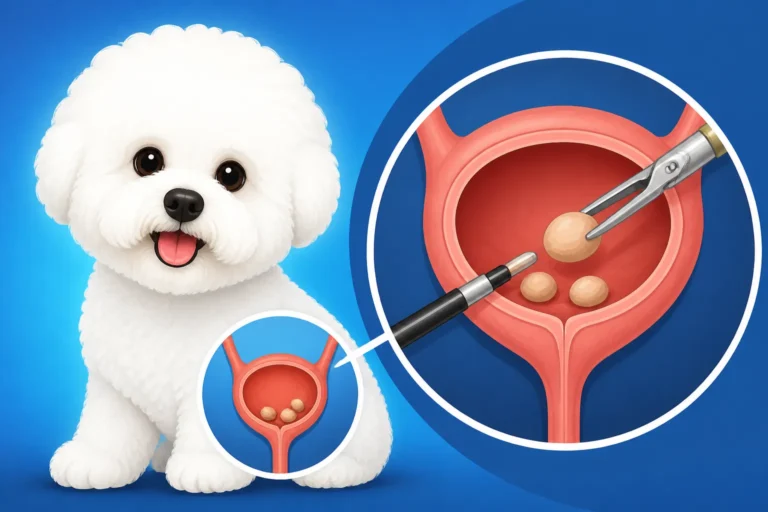
Bichon Frises have a particular metabolic profile that unfortunately puts them at a much higher risk for developing calcium oxalate stones. It's a heartbreaking reality for many owners, who often feel blindsided by a problem that seems to come out of nowhere. We’re talking about a breed that forms stones as often as twenty times more frequently than some others. This isn't just about what they eat; it's about how their bodies process certain compounds. Their kidneys and urinary systems can be less efficient at managing calcium and oxalate, leading to higher concentrations of these minerals in their urine. When these concentrations become too high, they form tiny crystals, which then clump together to form stones. These aren't like soft, dissolvable struvite stones; calcium oxalate stones are hard, jagged, and typically require surgical removal. Understanding What a Calcium Oxalate Stone Is in a Bichon Frise makes it clear why prevention is so vital—once they form, they're not going anywhere without intervention. This inherited tendency means that even with the best care, your Bichon Frise might still be fighting an uphill battle, but a comprehensive strategy gives them the best chance.
The Limitations of Diet Alone
It’s easy to think, "If it's oxalate stones, I'll just feed a low oxalate diet, and we'll be fine!" And while commendable, that's often where the frustration begins for many Bichon owners. The reality is that a low oxalate diet, by itself, addresses only one part of a complex equation. Yes, it helps reduce the intake of oxalate from external sources (food), which is definitely important. However, it doesn't account for endogenous oxalate production—the oxalate that your Bichon's own body produces internally, regardless of diet. This internal production can still be a significant factor, especially in breeds like Bichons with their unique metabolic pathways. Moreover, diet alone doesn't always sufficiently address other critical factors like urine concentration, urine pH, or the frequency with which your dog urinates. These factors play equally significant roles in whether those tiny crystals decide to stick together and form a painful stone. This is why when owners ask Whether a Low Oxalate Diet Is Enough for a Bichon Frise, the answer, unfortunately, is often no, not on its own.
The Crucial Role, and Insufficiency, of a Low Oxalate Diet
So, we've established that a low oxalate diet isn't a silver bullet. But that doesn't diminish its importance. It's a foundational piece of the stone prevention puzzle, but it needs other pieces to truly form a protective shield for your Bichon Frise.
What a Low Oxalate Diet Aims to Achieve
The primary goal of a low oxalate diet for a Bichon Frise is to reduce the overall load of oxalate entering the body, thereby minimizing the amount of oxalate that ends up in the urine. By limiting these building blocks, you make it harder for calcium oxalate crystals to form and accumulate. This usually means a specially formulated, veterinary-prescribed diet. These aren't just "low oxalate" in a general sense; they are meticulously balanced to control not only oxalate levels but also other minerals like calcium, magnesium, and phosphorus, which can interact in the urinary tract. Many of these diets also aim to produce a urine pH that is less favorable for calcium oxalate crystal formation, typically aiming for a slightly alkaline to neutral range.
Choosing the right prescription diet is crucial, and it's something your veterinarian will guide you through. Brands like Royal Canin, Hill's Prescription Diet, and Purina Pro Plan Veterinary Diets offer specific formulations designed for urinary health, including options tailored for calcium oxalate stone prevention. It's a long-term commitment, often for the life of your dog. Many owners ask Whether a Bichon Frise Must Stay on the Diet Forever, and the answer is almost always yes, due to the high recurrence rate of these stones. Consistency is key; even small deviations, like giving a "harmless" treat not approved for the diet, can disrupt the careful balance and potentially contribute to stone reformation. This can be one of the most challenging aspects for devoted pet parents who just want to spoil their fur babies.
Why It's Not a Standalone Solution
Despite its importance, relying solely on a low oxalate diet is like trying to stop a flood with just one sandbag. It helps, but the water can still get through if other measures aren't in place. Several other factors play a critical role in calcium oxalate stone formation:
- Urine Concentration: Highly concentrated urine means there's less water to dilute the stone-forming minerals. Even with a low oxalate diet, if your Bichon Frise isn't drinking enough water, the existing oxalate and calcium will be more concentrated, increasing the risk of crystal formation. Think of it like a very salty soup – if you add more water, it tastes less salty; similarly, more dilute urine makes crystals less likely to form.
- Urine pH: While prescription diets aim to regulate pH, some individual Bichons might still have urine pH levels that are too acidic, which favors calcium oxalate crystal formation. An acidic environment is like a welcome mat for these crystals.
- Urination Frequency: If your Bichon Frise holds their urine for long periods, it gives crystals more time to settle and aggregate in the bladder. Frequent urination helps flush out crystals before they can bond into larger stones.
- Genetic Predisposition: As discussed, the breed's genetic makeup is a powerful underlying factor. While diet can mitigate some effects, it can't fundamentally change the inherent metabolic tendencies of the dog. Whether a Bichon Frise's Stone Risk Is Inherited is a resounding yes, highlighting the deep-seated nature of the problem.
For these reasons, the answer to Whether Diet Alone Stops a Bichon Frise Reforming Stones is typically no. A low oxalate diet is fundamental, but it needs to be part of a broader strategy. Plus, unlike some other stone types, Whether Oxalate Stones Dissolve in a Bichon Frise is almost universally a negative. They are hard, like tiny rocks, and once formed, diet cannot make them disappear. This means prevention, rather than dissolution, is the name of the game.
Building a Comprehensive Stone Prevention Strategy
Since a low oxalate diet alone isn't enough, what does a truly comprehensive stone prevention strategy look like for your Bichon Frise? It involves a multi-pronged approach that tackles all the known risk factors.
Optimizing Water Intake and Urine Dilution
This is, arguably, just as important as the diet itself, if not more so. Dilute urine is your Bichon's best defense against crystal formation. When the urine is watery, stone-forming minerals like calcium and oxalate are less likely to concentrate to levels where they can crystallize. Your goal should be to encourage your Bichon Frise to drink as much water as possible.
Here are some practical tips:
- Multiple Water Sources: Place several water bowls around the house. Some dogs prefer ceramic, others stainless steel. Keep them sparkling clean.
- Water Fountains: Many dogs are enticed by the running water of a pet drinking fountain. It's more stimulating than a stagnant bowl.
- Add Water to Food: If your Bichon eats dry kibble, adding warm water to it can significantly increase their daily fluid intake.
- Wet Food: Incorporating wet food into their diet is an excellent way to boost hydration. Wet foods typically contain a much higher moisture content than dry kibble.
- Ice Cubes: For some Bichons, ice cubes are a fun treat and a great way to sneak in extra water.
- Flavored Water (Subtly): You can try adding a tiny splash of low-sodium chicken or beef broth to their water, or a few green bean pieces, to make it more appealing.
The impact of hydration is profound. There's a strong correlation between Whether Water Intake Changes a Bichon Frise's Risk and their actual stone formation. The more diluted their urine, the lower the risk. Aim for urine that's pale yellow, not dark amber.
Managing Urine pH and Urination Frequency
Beyond just dilution, maintaining the correct urine pH is critical for calcium oxalate prevention. As mentioned, these stones tend to form in more acidic urine, so the goal is to keep the pH slightly alkaline to neutral. Most prescription urinary diets are formulated to help maintain this ideal pH, but individual dogs can vary.
- Urine pH Monitoring: Your vet might recommend that you monitor your Bichon Frise's urine pH at home using pH strips. This is particularly useful if your dog has a history of stones or if you're trying to fine-tune their diet or supplements. Learning Whether a Bichon Frise Needs Urine pH Monitored is crucial for truly customized care. Your vet will advise you on the target pH range and how often to check it.
- Frequent Potty Breaks: This simple action can be incredibly powerful. When urine sits in the bladder for extended periods, it gives crystals ample opportunity to form and grow. Regular and frequent urination flushes these crystals out before they can become problematic. Aim to take your Bichon Frise out much more frequently than you might for other breeds—at least every 3-4 hours during the day, and ideally right before bed and first thing in the morning. This proactive approach directly relates to Whether Frequent Urination Protects a Bichon Frise. It's a small change in routine that can make a massive difference.
Regular Monitoring and Early Detection
Even with the best diet, optimal hydration, and frequent potty breaks, Bichon Frises remain genetically predisposed to stone formation. This is why consistent veterinary oversight and proactive monitoring are non-negotiable parts of their care.
- Routine Vet Check-ups: Regular visits allow your vet to assess your dog's overall health and discuss any changes in urination habits or appetite.
- Urinalysis: At least once or twice a year, your Bichon Frise should have a urinalysis. This simple test checks for the presence of crystals, blood, protein, and bacteria, as well as urine pH and specific gravity (concentration). Catching microscopic crystals early means you can adjust your prevention strategy before a full-blown stone develops. This directly addresses the importance of Whether a Bichon Frise Should Be Urine Tested Yearly.
- Diagnostic Imaging: Periodic diagnostic imaging, such as X-rays or ultrasounds, is essential. Calcium oxalate stones are often radiopaque, meaning they show up on X-rays. Ultrasounds are excellent for visualizing the bladder walls and detecting smaller stones that might be missed on an X-ray. Your vet may recommend Whether a Bichon Frise Should Be X Rayed Yearly, or even more frequently for those with a history of recurrent stones. Early detection is key—it's far easier and less invasive to manage tiny stones or crystals than to deal with a bladder full of large, painful calculi.
These monitoring steps, while adding to the overall cost of pet ownership, are invaluable in preventing painful emergencies and expensive surgeries. This is where pet insurance can be a real lifesaver. Companies like Healthy Paws can help cover the costs of these routine diagnostics, veterinary visits, and heaven forbid, any necessary surgical interventions, offering significant peace of mind.
Living with a Stone-Prone Bichon Frise
Caring for a Bichon Frise prone to calcium oxalate stones is a journey, not a sprint. It requires dedication, consistency, and an understanding that while you can mitigate risks, the underlying predisposition remains.
The Commitment to Long-Term Prevention
This isn't a temporary diet or a short course of treatment; it's a lifelong commitment to managing your Bichon Frise's health. The minute you relax the regimen, the risk starts to climb again. This can feel daunting, but remember, every consistent effort you make contributes to their comfort and well-being.
- Consistency is Key: Sticking to the prescribed diet, ensuring constant access to fresh water, and maintaining a regular potty schedule are paramount. Even seemingly innocent treats can contain high oxalate levels or disrupt urine pH, negating all your hard work. The Diet a Bichon Frise Stays On for Life is a key component for a reason—it's not just about what they eat today, but every single day.
- Understanding Recurrence: Unfortunately, calcium oxalate stones have a high recurrence rate, even with diligent care. Some studies indicate that How Often a Bichon Frise's Stones Return can be quite high, with many dogs experiencing new stones within a few years. This doesn't mean you've failed; it simply highlights the powerful genetic component at play. Your consistent prevention efforts are about minimizing this risk and extending the periods between stone formations.
- Adaptation: As your Bichon Frise ages, their needs may change. Regular vet check-ups will help you adapt their prevention plan as necessary, whether it's tweaking their diet or adjusting their exercise and potty schedule.
Financial and Emotional Preparedness
Let's be real: managing a stone-prone Bichon Frise can be expensive, both financially and emotionally. From the cost of prescription diets to regular vet visits, urinalysis, and imaging, the bills can add up quickly. A single stone surgery can be a significant expense, let alone the potential for multiple surgeries over their lifetime.
| Prevention Component | Typical Annual Cost Range (Estimate) | Healthy Paws Impact |
|---|---|---|
| Prescription Urinary Diet | $300 – $800 | Not typically covered (preventative), but crucial foundation |
| Annual Urinalysis | $50 – $150 | Often covered under wellness or eligible for accident/illness |
| Annual X-ray/Ultrasound | $150 – $400 | Often covered if medically necessary for monitoring/diagnosis |
| Medications/Supplements | $100 – $300 (if needed) | May be covered if prescribed for a covered condition |
| Emergency Visit/Surgery | $1,500 – $5,000+ (per event) | Substantially covered, greatly reducing out-of-pocket expenses |
Note: These are estimated costs and can vary widely by location and veterinary clinic.
This is precisely where pet insurance like Healthy Paws becomes an invaluable tool. Having a good policy in place can help cushion the financial blow of diagnostics, follow-up care, and, if absolutely necessary, repeat surgeries. Knowing that you have financial support can ease the immense stress that comes with these conditions, allowing you to focus on your dog's health rather than worrying about the bill. What Bichon Frise Stone Prevention Costs a Year can be substantial, but proactively budgeting for it, perhaps through insurance, is a smart move.
Emotionally, it's draining to constantly worry about your dog's health, especially when you're doing so much to prevent recurrence. Validate these feelings; it's okay to feel stressed or frustrated. But remember, your Bichon Frise relies on you, and your consistent love and care make all the difference in their quality of life. You're not just a pet owner; you're their advocate, their nurse, and their best friend.
Disclaimer
This article is for general informational purposes only and does not constitute professional advice. Laws, prices and regulations vary by location and change over time. Consult a qualified professional for guidance on your specific situation.