Whether a Matted Bichon Frise Must Be Shaved
It’s a heartbreaking sight for any Bichon Frise owner: you reach down to pet your fluffy companion, and instead of soft, springy curls, your fingers hit hard, tangled clumps of hair. Matting is a common, frustrating, and often painful reality for Bichon owners, and the big question that looms is always the same: does my matted Bichon Frise really have to be shaved? This guide is here to walk you through the reasons why mats form, what they mean for your dog's health, and why sometimes, a shave-down isn't just a recommendation, but a humane necessity.
Understanding the Bichon Frise Coat and Why it Mats So Easily
The Bichon Frise coat is truly a marvel – a cloud-like, hypoallergenic wonder that makes these dogs so endearing. But this beautiful coat comes with its own unique challenges, particularly when it comes to matting. Understanding its structure is the first step in comprehending why mats are such a persistent enemy.
The Unique Texture of the Bichon Frise Coat
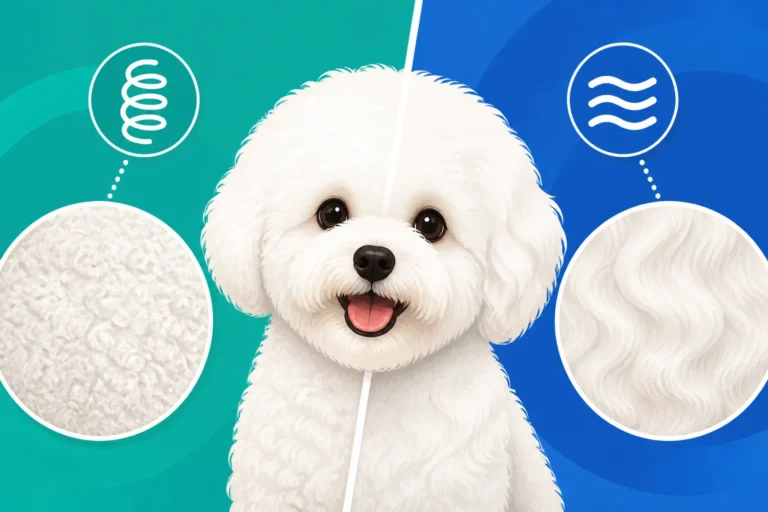
Unlike many breeds that shed an undercoat, the Bichon Frise boasts a double coat designed to hold onto hair rather than release it. This outer coat is soft, curly, and has a spring-like texture, while the undercoat is dense and fine. The combination of these two layers means that any loose hair doesn't fall out; instead, it gets trapped within the existing coat. Imagine trying to comb loose threads out of a tightly woven woolen sweater – it’s a similar struggle. When this trapped hair isn't regularly brushed out, it begins to knot with the surrounding live hair, and that's when the matting process truly begins.
The natural curl of the Bichon's coat acts almost like Velcro, readily catching any debris, dirt, or even just everyday friction. This is why a Bichon can go from a perfectly brushed puffball to a tangled mess seemingly overnight, especially after a romp in the yard or a particularly enthusiastic play session. The very characteristics that make their coat so appealing and low-allergen are also what make it a magnet for mats. It requires a dedicated grooming regimen to maintain, far more than many first-time owners anticipate. Without consistent attention, the beautiful "powder puff" look can quickly descend into a painful reality for your dog.
Common Causes of Matting
Mats don't just appear out of nowhere; they're the result of a combination of factors, both environmental and due to a lack of regular maintenance. One of the most prevalent causes is simply insufficient brushing. Many owners underestimate How Long Brushing a Bichon Frise Takes or don't use the correct tools or techniques. A quick surface brush might make the top layer look neat, but it does little to address the dense undercoat where mats often start. Without line brushing, which involves parting the coat and brushing from the skin out, tangles form close to the body, becoming incredibly difficult to remove later.
Everyday life also contributes significantly. Moisture, for instance, is a huge culprit; Whether a Damp Bichon Frise Mats Faster is a resounding yes. A wet coat, whether from rain, a bath, or even just humidity, will mat at an accelerated rate if not thoroughly dried and brushed out immediately. Collars and harnesses can rub constantly, creating friction that leads to mats around the neck, chest, and armpits – areas where movement is constant. Additionally, environmental factors like burrs, twigs, or even static electricity can cause tangles. Even something as simple as sleeping in certain positions or rubbing against furniture can lead to localized matting.
Finally, tear stains, food residue around the mouth, and even urine on the legs can cause wet hair to clump and harden, creating stubborn mats. The delicate hair around the eyes, ears, and mouth is particularly prone to this kind of matting because of constant moisture and potential neglect during routine cleaning. It's a cumulative effect, where small tangles are left unaddressed, slowly growing into larger, painful mats that pull at the skin with every movement.
The Dangers of Severe Matting
When mats are left to grow, they don't just become unsightly; they pose serious health risks to your Bichon Frise. Imagine wearing a tight, unyielding garment that constantly pulls at your skin – that's what severe matting feels like to a dog. The most immediate danger is skin irritation and infection. Mats pull tightly on the skin, reducing air circulation. This creates a warm, moist environment underneath the mat, perfect for bacteria and yeast to thrive, leading to painful hot spots, dermatitis, and fungal infections. You might not even know these issues exist until the mats are removed, as they effectively hide the skin.
Beyond skin issues, severe matting can restrict your dog's movement. Mats around joints, armpits, and legs can make walking, running, or even lying down uncomfortable or impossible. This constant tension can cause muscle atrophy or even alter a dog's gait, leading to orthopedic problems over time. Mats also act as a magnet for parasites. Fleas, ticks, and other pests can hide deep within the dense matting, making detection and treatment incredibly difficult. These parasites can cause further skin irritation, allergic reactions, and even transmit diseases.
Perhaps the most insidious danger is how mats can hide wounds, lumps, or other medical conditions. A small cut or skin lesion can go unnoticed, festering beneath a mat and becoming a serious infection. Veterinarians often struggle to perform proper physical examinations, administer injections, or even take accurate temperatures on severely matted dogs. In extreme cases, mats can be so severe they cut off circulation, leading to tissue damage. It's a dire situation, and in these circumstances, removing the mats is not a cosmetic choice but a critical health intervention to alleviate suffering.
When Shaving Becomes Necessary for a Matted Bichon Frise
The decision to shave down a Bichon Frise is never taken lightly, especially for owners who cherish the breed's signature fluffy look. However, there are times when it’s not just recommended, but an absolute necessity for the dog's well-being. A good groomer will always prioritize the health and comfort of your pet over aesthetics, and recognizing when shaving is the only humane option is key.
Assessing the Severity of Matting
When your Bichon Frise arrives at the grooming salon, the first thing a professional groomer will do is a thorough assessment of the coat. This isn't just a quick glance; it involves carefully feeling the entire body, especially those hidden areas where mats love to form: behind the ears, under the chin, in the armpits, on the insides of the legs, and around the sanitary areas. What might appear to an owner as a few troublesome tangles on the surface can often reveal a solid, felt-like pelt of matting right against the skin. These "pelted" mats are the most dangerous and painful kind, as they pull on the skin constantly.
A skilled groomer uses their fingers, and sometimes a comb, to determine how deep the mats go and how tightly they are bound to the skin. If a comb cannot pass through the coat easily from the skin to the tip, it signifies matting. When the mats are too extensive or too tight to the skin, trying to brush them out would be agonizing for the dog. Imagine someone pulling handfuls of your hair every time they tried to detangle a knot. It’s not just uncomfortable; it’s outright painful and can cause severe skin irritation, bruising, or even tearing. In these cases, a compassionate groomer will explain that dematting is not an option, and shaving is the only path forward.
The Humane Choice: Prioritizing Comfort Over Style
For many Bichon Frise owners, the idea of shaving off that iconic "powder puff" coat can be upsetting, even leading to feelings of guilt or embarrassment. It's perfectly normal to feel that way; after all, you love your dog's look. However, a professional groomer's ultimate responsibility is the dog's welfare. Prolonged attempts to brush out severe mats are not only incredibly painful and stressful for the dog, but they can also cause lasting psychological trauma, making future grooming sessions terrifying experiences. This is why, in cases of severe matting, a shave-down is considered the most humane option.
The goal is to remove the painful, constricting coat as quickly and stress-free as possible. It might mean your Bichon looks very different for a while, but it's a temporary cosmetic change that brings immense relief. Once freed from the heavy, pulling mats, dogs often show an immediate improvement in mood, energy, and comfort. They can move freely again, play without pain, and their skin can finally breathe. It's a choice that puts the dog's physical and emotional comfort squarely ahead of its appearance, and any reputable groomer will guide you through this decision with empathy and professionalism.
What a Full Shave-Down Entails
When a shave-down is necessary for a severely matted Bichon Frise, it's not simply a quick buzz with clippers. This is a delicate and often time-consuming procedure that requires skill and patience. Groomers typically use very short clipper blades, often a #10 blade or even shorter, to get underneath the mats and close to the skin. Because mats pull and distort the skin, there's an increased risk of nicks, cuts, and clipper burn, especially on thin-skinned areas like the armpits or belly. A good groomer will work slowly and carefully, constantly checking the skin and using cooling sprays on their blades to prevent irritation.
The process often begins with the groomer carefully navigating around the most severely matted areas, lifting the matted coat away from the body where possible, to get the blade in safely. It’s not about style at this point; it's about removing the painful pelt. The result will be a very short, smooth coat, revealing the true shape of your dog underneath, often making them look much smaller than before. This dramatic change can be a shock to owners, but remember, the hair will grow back. The priority during a shave-down is always the dog's safety and comfort, and experienced groomers are adept at minimizing stress during this essential, though sometimes drastic, procedure.
The Aftermath of a Shave-Down and Future Prevention
A full shave-down might feel like a reset button, but it's just the beginning of a new chapter in your Bichon Frise's grooming journey. Post-shave care is crucial, and establishing a rigorous preventative routine is essential to ensure you never have to face such a drastic measure again.
Post-Shave Care and Skin Health
After a shave-down, your Bichon Frise's skin will be exposed to the elements for the first time in a while. It might be paler than you expect, and any hidden skin conditions, such as dryness, flakiness, rashes, or even hot spots, will now be visible. This is a critical time for monitoring your dog's skin health. Keep an eye out for any redness, irritation, or excessive scratching, and consult your vet if you have concerns. Your groomer might also recommend a soothing shampoo or conditioner to help calm any potential clipper burn or skin sensitivity.
Sun protection is also vital. A short coat offers little defense against harmful UV rays, so if your Bichon spends time outdoors, especially during peak sun hours, consider applying a pet-safe sunscreen to exposed areas or dressing them in a lightweight protective shirt. Temperatures can also affect a freshly shaven dog more dramatically. In colder weather, a sweater or coat will be appreciated to help them regulate their body temperature. This period is a prime opportunity to heal any underlying skin issues and introduce gentle touch, making grooming a positive experience from the skin up.
Establishing a Robust Grooming Routine
The best way to prevent future matting is to commit to a consistent and thorough grooming routine. This means daily brushing, no exceptions. You need a good quality slicker brush and a metal comb. Start with the slicker, ensuring you get down to the skin, not just brushing the top layer. Then, follow up with a comb to check your work; the comb should glide through the coat from skin to tip. If it snags, there's a tangle you missed. Remember, Whether a Slicker Reaches a Bichon Frise's Skin is paramount for effective mat prevention. For a detailed guide on technique, you might want to review Whether Line Brushing Is Necessary on a Bichon Frise.
Beyond daily brushing, regular professional grooming appointments are non-negotiable for a Bichon Frise. Most Bichons need a full groom every 4-6 weeks. This includes bathing, thorough drying, brushing, and trimming. Your groomer can help maintain the coat length that works best for your lifestyle while keeping your dog comfortable and mat-free. Discuss with them a schedule that ensures your Bichon's coat never again reaches a point where a shave-down is the only option. Consistency is truly the cornerstone of a healthy, mat-free Bichon coat.
Tools and Products to Prevent Future Matting
Having the right tools at home makes all the difference in maintaining your Bichon Frise's coat. Invest in a high-quality slicker brush, like those you can find on Amazon or Chewy, and a sturdy metal comb with both wide and fine teeth. These two tools are your primary defense against mats. A good detangling spray can also be immensely helpful, especially on dryer days or when working through smaller tangles; apply it before you brush to lubricate the hair and make knots easier to release.
For bathing, choose a shampoo and conditioner designed for curly, dense coats. Proper drying is just as important as washing. Use a powerful dog dryer, not a human hairdryer, to thoroughly dry the coat from the skin out while brushing. This helps straighten the hair and prevents new mats from forming as it dries. You can find excellent pet dryers and specific coat care products on platforms like Chewy or Amazon. Consider a grooming arm and table, especially if you find your Bichon struggles to stand still, making the process easier for both of you. Remember, preventing mats is an ongoing effort, and having the right equipment is a significant part of that success. Even healthy, high-quality food, like options from Ollie, contributes to coat health, making it more resilient and less prone to breakage and matting.
Disclaimer
This article is for general informational purposes only and does not constitute professional advice. Laws, prices and regulations vary by location and change over time. Consult a qualified professional for guidance on your specific situation.