Whether Line Brushing Is Necessary on a Bichon Frise
If you own a Bichon Frise, you know that their glorious, cloud-like coat is one of their most defining features – and, let's be honest, one of their biggest challenges! Many new owners find themselves quickly overwhelmed by the grooming demands, especially when it comes to preventing mats. This guide will walk you through the essential technique of line brushing, explaining exactly why it's not just a suggestion but a critical step in keeping your Bichon comfortable, healthy, and looking their best.
What Exactly Is Line Brushing and Why Is It So Important for a Bichon Frise?
For many Bichon Frise owners, the idea of brushing seems simple: just take a brush and run it over the coat. But with a Bichon, that approach often leads to trouble, leaving you with a beautifully fluffed top layer and a dense, matted mess underneath. This is where line brushing comes in, a technique that addresses the unique structure of your Bichon's coat and prevents those painful tangles from ever forming.
The Unique Bichon Frise Coat
A Bichon Frise's coat isn't like that of many other breeds. They possess a dense, curly double coat, consisting of a soft, fine undercoat and a coarser outer coat. What's truly unique – and what makes them a favorite for allergy sufferers – is that they are considered "non-shedding." This doesn't mean their hair doesn't fall out; it means the dead hair gets trapped within the surrounding curls instead of falling to the floor. While great for cleanliness, this trapped hair quickly intertwines, forming tangles that, if left unattended, become tight, painful mats that pull on the skin. This characteristic makes understanding Whether a Bichon Frise Has an Undercoat and Whether Loose Hair Trapped in the Coat Causes Mats absolutely fundamental to their care.
This continuous growth and trapping of shed hair mean that daily, thorough brushing isn't just a recommendation; it's a necessity. Imagine trying to comb out a sweater made of tangled yarn – that's what a matted Bichon coat feels like for your dog. The curls cling to each other, and the trapped undercoat acts like Velcro, making quick surface brushing completely ineffective for preventing mats at the skin level.
The Core Principle of Line Brushing
Line brushing is a systematic method designed to ensure that you brush through every single layer of your Bichon's coat, right down to the skin. Instead of brushing the top, you create horizontal or vertical "lines" by parting the hair, much like you would section hair for styling. You then brush the hair below the part, working upwards or outwards in small sections, gradually releasing more hair until you've worked through the entire body.
The goal is to feel your brush and comb glide smoothly from the tip of the hair right to the skin, with no snagging or resistance. This methodical approach ensures that you're not just fluffing the surface but actively removing dead undercoat and preventing tangles where they start – close to the skin. It’s a process that requires patience but saves immense discomfort for your dog and much higher costs at the groomer's. Without this technique, it's virtually impossible to keep their dense, perpetually growing coat truly mat-free.
Step-by-Step Guide to Mastering Line Brushing Your Bichon Frise
Mastering line brushing takes a bit of practice, but once you get the hang of it, it becomes a natural part of your routine. The key is consistency, patience, and the right tools. Don't rush, and always prioritize your Bichon's comfort.
Gathering Your Tools
Before you even think about brushing, you need to have the right arsenal of tools. Trying to line brush with a flimsy brush or the wrong type of comb will be frustrating for both you and your dog, and largely ineffective.
Here’s what you'll need:
- Slicker Brush: A good quality, firm slicker brush with fine, bent wire bristles is your primary tool. It needs to be effective enough to pull through the dense coat but gentle enough not to scratch the skin. Brands like Chris Christensen or Artero are often recommended by professional groomers, though you can find good options on platforms like Chewy or Amazon.
- Metal Comb: A sturdy metal comb with both wide and fine teeth is crucial for checking your work and tackling smaller tangles. The wider teeth are for initial detangling, and the finer teeth are for ensuring the coat is thoroughly clear down to the skin.
- Detangling Spray: A leave-in detangling spray or conditioning spray is your best friend. It helps to loosen tangles, moisturize the coat, and reduce static, making the brushing process much smoother and less painful.
- Grooming Table (Optional but Recommended): A small grooming table with a grooming arm can make a world of difference, especially for longer sessions, as it keeps your Bichon elevated and stable, reducing back strain for you.
- Treats! Positive reinforcement is key. Keep a stash of your Bichon's favorite treats handy to reward good behavior.
Investing in quality tools might seem like an upfront cost, but it will save you money in the long run by preventing severe matting and expensive professional dematting charges. When considering Which Brush Suits a Bichon Frise, always think about reaching the skin, not just the surface.
The Brushing Technique in Detail
Now for the main event! Find a comfortable, well-lit spot, and let's get started.
- Preparation is Key: Give your Bichon a few minutes to settle. Offer a treat, speak in a calm voice. Lightly mist a section of their coat with detangling spray. Never brush a dry coat, as this can cause breakage and static.
- Start at the Extremities: Begin with a less sensitive area, like a paw or a leg. This helps your dog get used to the sensation. Hold the hair at the base of the section you're working on to minimize pulling on the skin.
- Part the Hair: Using your fingers or the tail of your comb, create a horizontal part in the coat. You want to expose a thin "line" of skin. Start at the bottom of the section you're working on (e.g., the bottom of a leg or flank).
- Brush Upwards/Outwards: Take your slicker brush and, with gentle but firm strokes, brush the hair below the part upwards or outwards, away from the body. Work in small sections, only brushing about an inch or two of hair at a time. The goal is to separate the hair and push any tangles away from the skin.
- Work Your Way Up: Once the first "line" of hair is tangle-free, create another part slightly above it. Repeat the brushing process, always brushing the hair below the part. Gradually work your way up the body, section by section, until you've covered the entire area. Think of it like peeling an onion, layer by layer.
- Comb Through: After you've brushed a section with the slicker brush, take your metal comb and comb through that same section. The comb should glide effortlessly through the hair, from root to tip. If it snags, you haven't fully line brushed that area, and you need to go back with your slicker brush. This is where Whether a Comb Should Follow the Brush becomes critical – it's your mat-detection system!
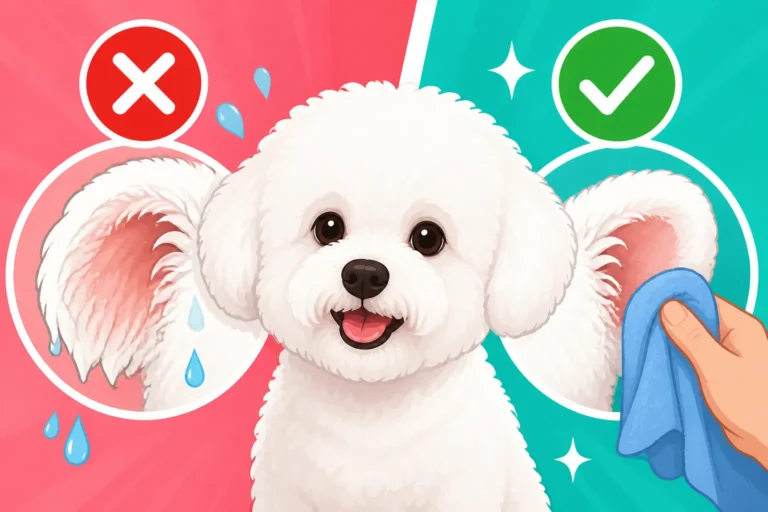
- Systematic Approach: Continue this process over your Bichon's entire body: legs, chest, belly, back, sides, tail, and head. Pay special attention to areas prone to matting, such as behind the ears, armpits, and groin. These are often forgotten spots that quickly turn into solid sheets of felt.
- Positive Reinforcement: Throughout the entire process, talk to your Bichon, offer praise, and give small treats periodically. Make it a positive experience. If they get restless, take a short break. It’s better to do a shorter, positive session than a long, frustrating one.
Remember, the goal is not speed, but thoroughness. A proper line brushing session for a Bichon Frise can take anywhere from 30 minutes to an hour, depending on the length and condition of their coat and How Long Brushing a Bichon Frise Takes for your specific dog.
Addressing Mats and Tangles
Even with diligent line brushing, you might still encounter small mats or tangles, especially between professional grooms. How you handle them can make all the difference in your dog's comfort.
First and foremost: never, ever try to pull or rip through a mat. This is incredibly painful for your dog and can cause skin irritation or even injury. Instead, apply a generous amount of detangling spray directly to the mat. Gently work the spray into the mat with your fingers.
Next, use the wide-toothed side of your metal comb or the tips of your slicker brush to carefully pick at the edges of the mat. Work from the outside in, trying to separate a few strands of hair at a time. You're trying to deconstruct the mat, not pull it out whole. This process is slow and requires immense patience. If the mat is very tight and close to the skin, it's often safer to use a blunt-nosed scissor to carefully cut into the mat (never towards the skin!), making small snips parallel to the skin to break it up. However, this is best left to experienced hands or a professional groomer, as it's easy to accidentally nick the skin. Knowing Whether Dematting Hurts a Bichon Frise will definitely motivate you to be gentle.
If a mat is too large, too tight, or too close to the skin for you to safely handle at home, it's always best to let a professional groomer deal with it. They have specialized tools and techniques to remove mats as comfortably as possible, which might include a full shave-down. Whether a Matted Bichon Frise Must Be Shaved is a real concern, and a groomer will prioritize your dog's welfare over a specific hairstyle if the matting is severe.
The Consequences of Skipping Line Brushing for Your Bichon Frise
Neglecting line brushing isn't just about your Bichon looking a bit scruffy; it has significant health and welfare implications. Many owners underestimate the severe discomfort and potential medical issues that arise from a matted coat.
The Painful Reality of Matting
When shed hair isn't regularly brushed out, it intertwines with the live coat, forming increasingly dense clumps. These mats don't just sit on the surface; they tighten and pull at your Bichon's delicate skin with every movement. Imagine having your hair constantly tugged – that’s the continuous discomfort a matted dog experiences. Mats can form anywhere, but they are particularly prevalent and painful in areas of friction or movement, such as behind the ears, in the armpits, on the belly, and around the tail and sanitary areas.
Beyond the constant pulling, mats also restrict air circulation to the skin. This creates a warm, moist environment where bacteria and yeast thrive, leading to painful skin infections, hot spots, and chronic irritation. The skin under a mat can become red, inflamed, and itchy, making your Bichon scratch and chew, which only exacerbates the problem. In severe cases, mats can even impede blood flow, leading to skin necrosis in extreme situations.
The Costly Professional Groomer's Dilemma
When a matted Bichon Frise arrives at a professional grooming salon, the groomer faces a difficult decision. Their priority is always the dog's welfare. Dematting a severely matted coat is not only excruciatingly painful for the dog, potentially causing behavioral issues and a lifelong fear of grooming, but it's also incredibly time-consuming and often impossible without causing trauma.
Because of this, groomers often have no choice but to shave the dog down completely under the mats. This "fresh start" removes all the painful tangles, allowing the skin to breathe and heal. However, this service comes with several implications:
- Increased Cost: Groomers typically charge significantly more for matted dogs due to the extra time, specialized tools, and gentle handling required. They may also charge a "dematting fee" on top of the regular groom. This is a common situation for owners who haven't quite grasped what a groomer charges extra for a matted Bichon Frise.
- Aesthetic Impact: Your Bichon will lose their signature fluffy look. While their hair will grow back, it can take months, and the texture might be temporarily different. This can be disappointing for owners who love the breed's classic appearance.
- Risk of Injury: Even with the utmost care, shaving under tight mats can be risky. The skin beneath mats can be thin, inflamed, or hidden, making it prone to nicks or cuts during the shaving process. A good groomer will always explain these risks upfront.
- Stress for Your Dog: The entire process, from being handled for a painful shave to the sudden change in their body sensation, can be very stressful for your Bichon. This stress can contribute to a negative association with grooming, making future sessions even harder. Sometimes, Whether a Groomer Refuses a Difficult Bichon Frise is a real possibility if the dog is too distressed or matted for a safe service.
Impact on Skin Health and Overall Well-being
Beyond the immediate pain and discomfort, chronic matting can lead to long-term skin problems. The lack of air circulation under mats makes the skin a breeding ground for infections, and these can become persistent if not addressed. Bichons are already prone to certain skin sensitivities, such as atopic dermatitis, and matting only exacerbates these conditions.
A healthy coat and skin are integral to your Bichon's overall well-being. A dog that is constantly itching, in pain from pulling mats, or suffering from skin infections is not a happy dog. Their energy levels might drop, they might become withdrawn, or they could even develop behavioral issues due to chronic discomfort. Regular, thorough line brushing is a preventative measure that contributes directly to your Bichon's physical health and emotional happiness.
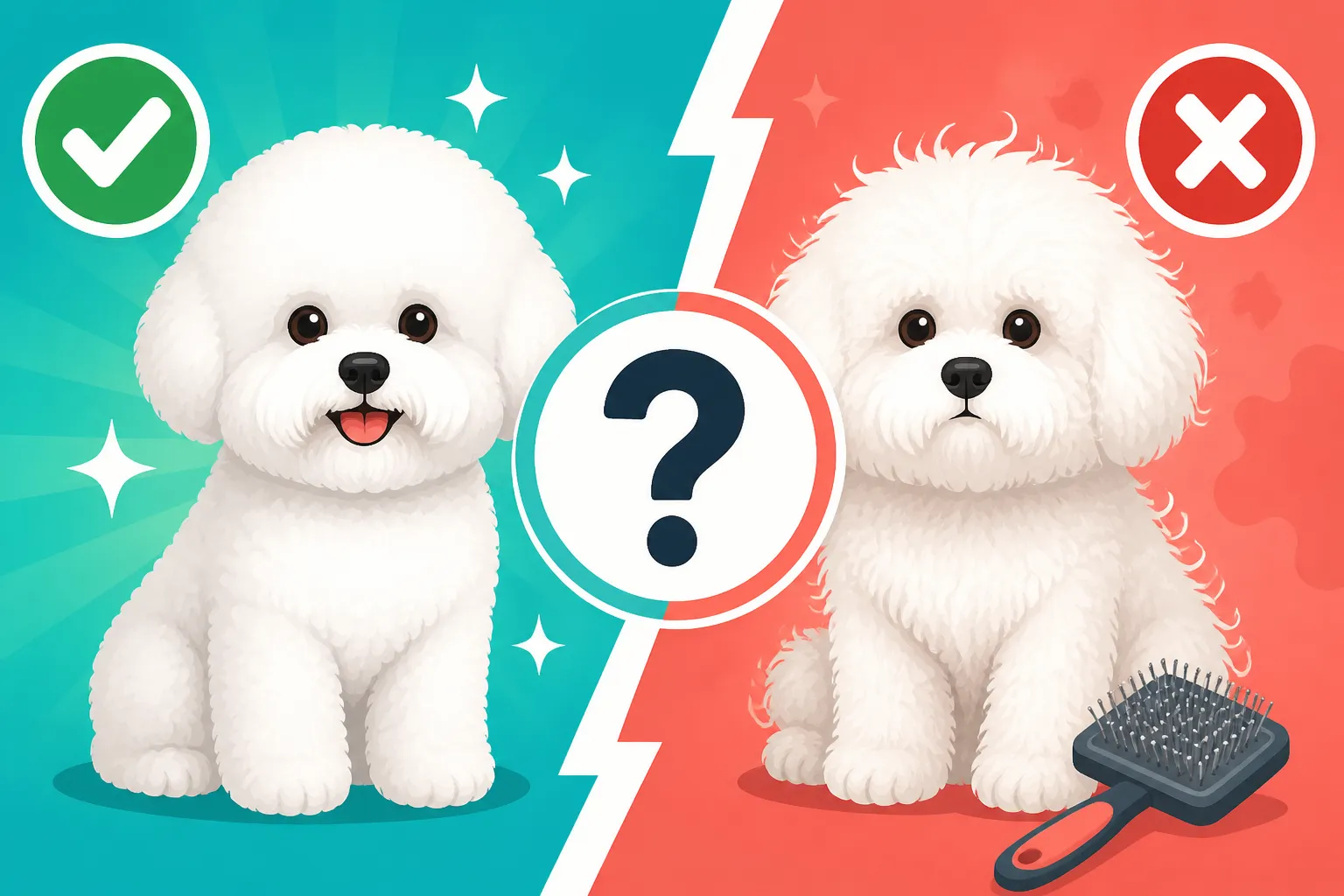
Here's a quick comparison of the effects of regular brushing versus neglecting the coat:
| Feature | Regular Line Brushing | Neglected Coat (No Line Brushing) |
|---|---|---|
| Coat Condition | Fluffy, soft, mat-free, healthy shine | Matted, tangled, dull, prone to breakage |
| Skin Health | Clean, healthy, good air circulation, fewer infections | Inflamed, irritated, prone to hot spots, bacterial/yeast infections |
| Dog Comfort | Comfortable, enjoys being touched, no skin pulling | Constant pain, itching, restricted movement, pulls on skin |
| Grooming Time | Shorter, easier home sessions, quick professional grooms | Long, difficult home sessions, expensive professional shave-downs |
| Groomer Visit | Standard groom, can maintain desired style | Often requires shave-down, higher cost, potential injuries |
| Behavior | Positive association with grooming, cooperative | Fear/aversion to grooming, defensive, potentially aggressive |
Making Line Brushing a Positive Experience for Your Bichon Frise
Line brushing doesn't have to be a dreaded chore. With the right approach, you can transform it into a bonding experience that your Bichon actually enjoys, or at least tolerates happily. The secret lies in starting early, being consistent, and using positive reinforcement.
Starting Early and Building Positive Associations
The earlier you introduce grooming to your Bichon Frise puppy, the better. Even before they need a full line brushing session, get them used to being handled. Gently touch their paws, ears, tail, and muzzle. Let them sniff and investigate the brushes and combs. Make these early encounters brief, positive, and always follow with praise and high-value treats.
For a young puppy, short "grooming playtimes" of just a few minutes are ideal. Let them stand on a low table, introduce the sound of clippers (even if not touching them to the fur yet), and practice gentle brushing strokes. The goal is to build a foundation where grooming is associated with good things – tasty treats, happy voices, and gentle touch. This early exposure is crucial to preventing them from Whether a Bichon Frise Learns to Fear the Groomer After Pain later in life if they experience discomfort. Remember, a calm puppy will likely grow into a calm adult for grooming.
Establishing a Regular Routine
Consistency is paramount when it comes to Bichon Frise grooming. Because their coat grows continuously and traps shed hair so effectively, daily line brushing is truly the ideal. If daily isn't feasible, aim for every other day, and certainly no less than three times a week for a longer coat.
Think of it like brushing your own teeth – it's a routine, not an occasional event. Set aside a specific time each day or every other day for brushing. This helps your Bichon understand what to expect. A consistent routine minimizes the chance of mats forming, making each brushing session quicker and less stressful. The more often you brush thoroughly, the less work each session will be, and the less likely you'll encounter painful tangles that make your dog dread the brush. This regular care directly impacts How Often a Bichon Frise Needs a Full Groom professionally, as a well-maintained coat needs less intervention.
Knowing When to Seek Professional Help
Even with the best intentions and diligent home care, there are times when professional help is absolutely necessary.
- Severe Matting: If you encounter mats that are too large, too tight, or too close to the skin for you to safely and painlessly remove, don't hesitate to call a professional groomer. Attempting to tackle severe mats yourself can cause pain, skin damage, and a lasting negative impression of grooming for your dog. A professional has the experience and specialized tools to handle these situations with minimal stress to your Bichon.
- Behavioral Challenges: If your Bichon develops an aversion to brushing, becomes aggressive, or simply won't cooperate despite your best efforts at positive reinforcement, a professional groomer or even a certified dog trainer specializing in cooperative care can offer guidance. They can provide techniques to desensitize your dog to the grooming process or suggest tools that might be more comfortable.
- Regular Maintenance: Even if you're a pro at home brushing, your Bichon will still benefit from professional grooming every 4-8 weeks. Groomers can achieve the signature "powder puff" haircut, trim nails, clean ears deeply, and give your dog a thorough bath and blow-dry that's hard to replicate at home. This regular professional care ensures their coat remains manageable and healthy, complementing your home routine. When you pick up new supplies, places like Chewy or Amazon can be great resources for maintaining your grooming kit at home. For more extensive professional needs, your local groomer will be your go-to.
By understanding the importance of line brushing and integrating it into your Bichon Frise's routine, you're not just maintaining a beautiful coat – you're safeguarding their comfort, health, and happiness. It's a commitment, yes, but one that strengthens the bond you share with your wonderful fluffy companion.
Disclaimer
This article is for general informational purposes only and does not constitute professional advice. Laws, prices and regulations vary by location and change over time. Consult a qualified professional for guidance on your specific situation.