Whether Bichon Frises Were Used as Trade Goods
It’s a fascinating thought, isn't it? When we look at our fluffy, charming Bichon Frises today, it’s hard to imagine them as anything other than beloved family members, prancing around the living room or snuggling on the sofa. But the history of these delightful little dogs is a long and winding one, filled with journeys across seas and transitions through social strata. This guide will delve into the historical context surrounding the Bichon Frise and similar small companion dogs to explore whether they were ever truly used as "trade goods" in the conventional sense, or if their value was always something far more personal and unique.
The Ancient Roots of the Bichon Type and Early Travel
Long before the specific breed we know as the Bichon Frise was formally recognized, small white dogs with charming dispositions were making their way across the ancient world. Their journey is intrinsically linked to human exploration and commerce, but their role in these endeavors wasn't always as simple as being a commodity.
Mediterranean Seafaring and Canine Companions
Imagine bustling ancient ports, ships laden with exotic spices, precious metals, and fine textiles, docking after long voyages. It’s easy to picture the sailors, weary but eager for shore leave, with a small, lively dog scampering at their heels. These early ancestors of the Bichon type were often found aboard ships navigating the Mediterranean Sea. They weren't necessarily "cargo" in the same way a barrel of olives or a bolt of silk was, but they served incredibly valuable, albeit less tangible, purposes.
For sailors enduring weeks or months at sea, a small, affectionate dog was a source of immense comfort and companionship, a furry link to home and a distraction from the harsh realities of maritime life. Beyond emotional support, these dogs often proved their worth by controlling vermin like rats and mice, which were a constant threat to ship supplies and hygiene. So, while they traveled alongside trade goods, they weren't treated as mere items for exchange. They were living, breathing members of the crew, albeit small ones. The ancestry of these dogs is quite deep, with theories suggesting connections to breeds like the Barbet, giving rise to the 'Barbichon' family. It’s interesting to consider Whether the Bichon Frise Came From the Barbet as part of this ancient lineage.
From Teneriffe Companion to Noble Lapdog
As these small, cheerful dogs traveled with sailors and merchants, they started to gain popularity in port cities and islands. One particular island, The Canary Island the Bichon Frise Is Named After, specifically Tenerife, became a prominent hub for what would become known as the "Teneriffe Dog." Here, their charming disposition and manageable size made them highly prized companions among the local populace and visiting dignitaries.
Their value slowly shifted from practical shipmates to cherished pets, particularly catching the eye of the wealthy. They became a symbol of status and good taste. While they might have changed hands for a sum of money, or been offered as gifts between influential families, this was less about trading a commodity and more about acquiring a living jewel, a highly sought-after companion. They were never just a static item to be weighed and bartered for based on raw material value. They were valued for their temperament, their beauty, and their ability to bring joy. There's a strong historical thread suggesting that Whether Spanish Sailors Took Bichon Frises to Tenerife played a role in establishing the breed's presence there, which then facilitated their introduction to European nobility.
The Renaissance and Royal Courts: A Shift in Value
As Europe entered the Renaissance, the little white dogs from the Mediterranean truly hit the big time, ascending from charming port companions to the laps of kings and queens. This period further solidified their status as highly valued, yet not traditional, "trade goods."
The Era of Royal Exchange and Status Symbols
During the 13th and 14th centuries, Italian sailors are credited with bringing these delightful dogs from Tenerife back to Italy, where they quickly charmed the nobility. It wasn't long before their popularity spread across Europe. They became particularly fashionable in the French court during the 16th century, especially under the reign of King Henry III. He was reportedly so enamored with his Bichons that he carried them in a basket around his neck wherever he went!
In this elite world, these dogs were exchanged not as basic commodities, but as precious gifts between royal families and influential figures. A Bichon given as a present wasn't just a dog; it was a symbol of goodwill, alliance, or high regard. Their exotic origins, coupled with their undeniable charm and elegance, made them indispensable accessories for the aristocracy. The transaction, whether it involved money or simply an exchange of favors, was for a living, breathing creature that brought joy and status, not for a bale of wool. We know that Whether Italian Nobles Kept Bichon Frises before their popularity soared in France, highlighting their path through European high society. It’s fascinating to learn Which French King Made the Bichon Frise Fashionable, as it truly marked their golden age in the courts.
Beyond Simple Goods: The Intangible Value of a Companion
What truly sets the Bichon Frise apart from being a mere "trade good" is the inherent, intangible value they offer: companionship. Unlike a static item like furniture or jewelry, a dog offers interaction, affection, and emotional support. In the grand, often isolated lives of royalty and the wealthy, a faithful, cheerful companion like a Bichon was invaluable.
Think of a lonely queen, perhaps burdened by political pressures or court intrigue. The quiet presence of a soft, warm Bichon on her lap could offer immense solace. Their playful antics could bring laughter to a somber room. This emotional connection elevates them far beyond the realm of simple goods. Even if a noble paid a hefty sum for a particular dog, they weren't paying for its fur or its weight, but for the life, the personality, and the affection it brought. It was a transaction for a relationship, not a raw material. This underscores the core difference between a living creature, valued for its sentience and connection, and an inanimate object bought and sold purely for its utility or material worth.
The Post-Revolutionary Period and Modern Commercialization
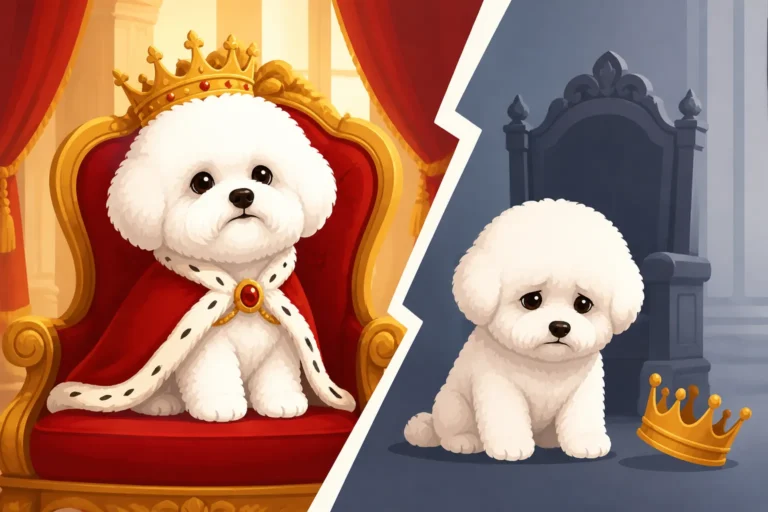
The French Revolution brought an end to the monarchy and dramatically altered the social landscape for many, including the Bichon Frise. From the laps of luxury, many found themselves navigating a very different kind of value system on the streets.
Street Performers and the Struggle for Survival
When the aristocracy fell, many Bichons, once symbols of privilege, were suddenly without their wealthy patrons. Adaptability became key to survival, and these intelligent, charming dogs found a new purpose: entertainment. They became popular companions for organ grinders and street performers, enchanting crowds with their clever tricks and cheerful demeanor.
Here, their "trade" shifted from being a luxury item to being a performer. Their value lay in their ability to entertain and earn their keep, contributing directly to the livelihood of their human companions. This was a direct exchange of entertainment for coins, a very different form of "trade" than the exchange of physical commodities. They worked for their supper, charming audiences in village squares and city streets. It's a testament to their inherent intelligence and desire to please that they transitioned so successfully into this role. Learning Whether Bichon Frises Performed in Circuses illustrates just how adaptable and talented these dogs proved to be during this tumultuous period. Their ability to earn their keep in this way further underscores their unique, living value.
Modern Breeding and the Commercial Market
Today, Bichon Frises are firmly established as beloved companion animals worldwide. They are certainly "bought and sold," but the context is far removed from the historical notion of raw trade goods. Prospective owners acquire a Bichon Frise puppy from a reputable breeder, often after a rigorous application process that ensures the dog goes to a suitable home. The "cost" involved reflects the extensive care, health testing, and selective breeding practices undertaken by the breeder, aiming to produce healthy, well-socialized puppies true to the breed standard. You can learn more about What a Bichon Frise Puppy Costs From a Real Breeder to understand the investment involved.
The modern "market" for pets, while commercial, is largely driven by the desire for companionship, not material utility. Owners invest in their Bichons for their entire lives, purchasing everything from specialized food, perhaps from a brand like Chewy, to toys, grooming supplies, and veterinary care. This ongoing commitment, sometimes lasting The Fourteen to Fifteen Years a Bichon Frise Lives, highlights that the relationship is one of stewardship and affection, not mere ownership of an object. The long-term costs of keeping a Bichon Frise, including everything from grooming appointments – you might wonder The Six Week Bichon Frise Groom That Never Stops – to potential medical needs like bladder stone surgeries – have you ever considered What One Bichon Frise Stone Surgery Costs and What Three Cost? – are significant. These expenses are willingly borne because of the profound bond and joy these dogs bring into our lives. Shopping for their favorite treats or a cozy new bed on platforms like Chewy is part of providing for a cherished family member, not replenishing stock. Even their joyful bursts of energy, known as The Bichon Blitz and What It Means, are part of their delightful charm that owners adore. This modern relationship is a far cry from the trade of inanimate objects.
To help visualize the distinct difference between how a Bichon Frise has been "valued" versus traditional trade goods, consider this comparison:
| Feature | Traditional Trade Goods (e.g., Spices, Textiles) | Bichon Frise (Throughout History) |
|---|---|---|
| Primary Value | Material utility, scarcity, raw material cost | Companionship, emotional support, beauty, charm, loyalty |
| Exchange Method | Barter, monetary transaction for goods | Gift, payment for companionship/status, performance fee |
| Nature of Item | Inanimate, non-sentient | Living, sentient, capable of interaction and emotion |
| Durability | Varies, but generally for consumption or long-term use | Lifespan of a living creature, relationship-based |
| Post-Acquisition Use | Consumed, worn, displayed, used as raw material | Loved, cared for, trained, enjoyed as family member |
| Historical Context | Commodity, wealth accumulation, resource acquisition | Status symbol, cherished pet, entertainer, family member |
| Modern Context | Continues as commodity | Beloved companion, pet industry (food, care, accessories via e.g., Chewy) |
Ultimately, while the ancestors of the Bichon Frise traveled along ancient trade routes and their lineage has been "exchanged" through various means over centuries, they were rarely, if ever, treated as mere "trade goods" in the way one would consider spices, metals, or textiles. Their inherent value has always been tied to their living, breathing nature, their unique personalities, and the profound companionship they offer. From the courts of kings to the streets of Paris, and now, to our homes, the Bichon Frise has always been valued for being a delightful, merry companion, a testament to The Merry Temperament the Bichon Frise Standard Demands. Whether you're picking up their favorite toy from Chewy or enjoying a quiet evening cuddle, their worth is truly immeasurable.
Disclaimer
This article is for general informational purposes only and does not constitute professional advice. Laws, prices and regulations vary by location and change over time. Consult a qualified professional for guidance on your specific situation.